- BIST10010,743-2.03%
- USD50.64+0.03%
- EUR55.40+0.14%
- GOLD3,597.40+0.92%
- INTEREST36.00%-1.00
- BITCOIN60,445+0.11%
- November 26, 202610°
- BIST10010,743-2.03%
- USD50.64+0.03%
- EUR55.40+0.14%
- GOLD3,597.40+0.92%
- INTEREST36.00%-1.00
- BITCOIN60,445+0.11%
- November 26, 202610°
Britain, France and China oppose UAE candidate Lana Nusseibeh for UN chief
UAE candidate Lana Nusseibeh received three “against” votes from permanent Security Council members in the ninth ballot. The Guardian says Britain and France effectively used their vetoes because of the UAE’s alleged role in Sudan.
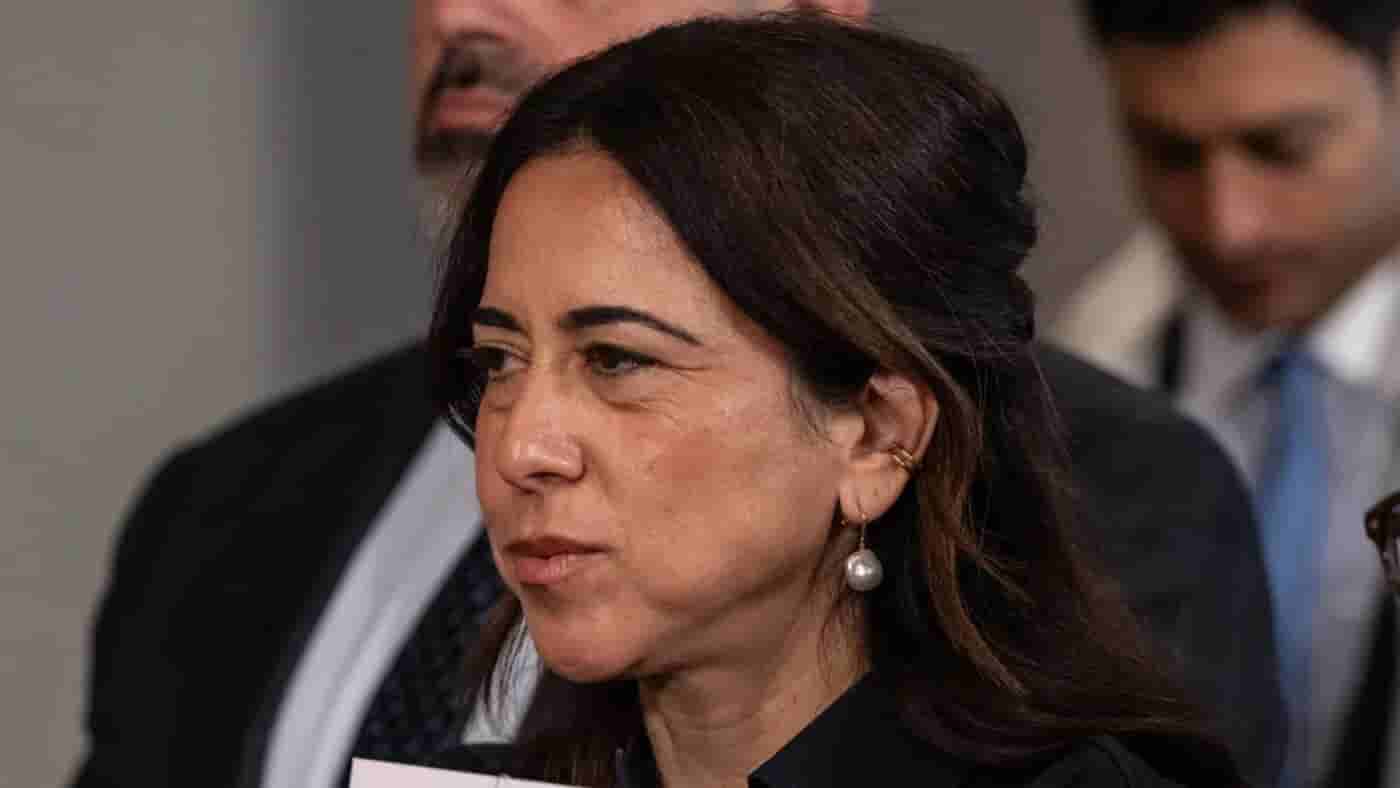
The race to select the next UN secretary-general stalled again after the ninth informal Security Council ballot on Friday. UAE candidate Lana Nusseibeh received 7 “encouraging” votes, 6 “discouraging” votes and 2 “no opinion” votes, including three opposing votes from the five permanent members with veto power—the same result she achieved in the November 6 ballot.
The Guardian believes that Britain and France effectively used their vetoes against Nusseibeh over the UAE’s alleged links to atrocities in Sudan, while multiple sources indicated that China was the third permanent member to oppose her candidacy. Middle East Eye cited diplomatic sources as saying that the United States and Russia support Nusseibeh’s candidacy. The vote is conducted in secret, but the results emerge through unofficial channels: elected members vote with white ballots, while permanent members use red ballots.
Sudan file takes center stage
Nusseibeh’s candidacy faces widespread criticism over the UAE’s alleged role in Sudan’s civil war. Reports by UN panels of experts and human rights organizations said Abu Dhabi supplied weapons to the Rapid Support Forces and recruited mercenaries on its behalf—allegations the UAE denies. About 70 British lawmakers had urged Foreign Secretary Ed Miliband to use his veto against her. China’s opposition, meanwhile, is based on the principle of geographical rotation, according to The Guardian, with Beijing arguing that the post should go to Latin America and the Caribbean this time.
Greenspan leads the race
Costa Rican economist Rebeca Grynspan, secretary-general of the UN Conference on Trade and Development, leads the race after receiving 10 encouraging votes. However, she received two opposing votes from permanent members, believed to have come from the United States and Russia. Argentina’s Rafael Grossi, director-general of the International Atomic Energy Agency, came second with eight encouraging votes and three opposing votes from the five permanent members. A candidate needs at least nine votes and no opposing vote from a permanent member.
The selection process has passed 100 days, making it the longest in the organization’s history. António Guterres’s term ends on December 31, and a new ballot is expected next week. Nusseibeh, who has taken leave from her ministerial position, said she would continue her campaign and engage with member states to win their support.
Images: Wikimedia Commons.
Stay Updated with Hilal Times
Subscribe to be informed about special news, developments and announcements. We will keep you informed.
By signing up, you agree to our Privacy Policy