- BIST10011,661-1.54%
- USD50.39+0.22%
- EUR55.50-0.19%
- GOLD3,868.00+0.39%
- INTEREST36.00%-1.00
- BITCOIN63,739-1.68%
- November 17, 202615°
- BIST10011,661-1.54%
- USD50.39+0.22%
- EUR55.50-0.19%
- GOLD3,868.00+0.39%
- INTEREST36.00%-1.00
- BITCOIN63,739-1.68%
- November 17, 202615°
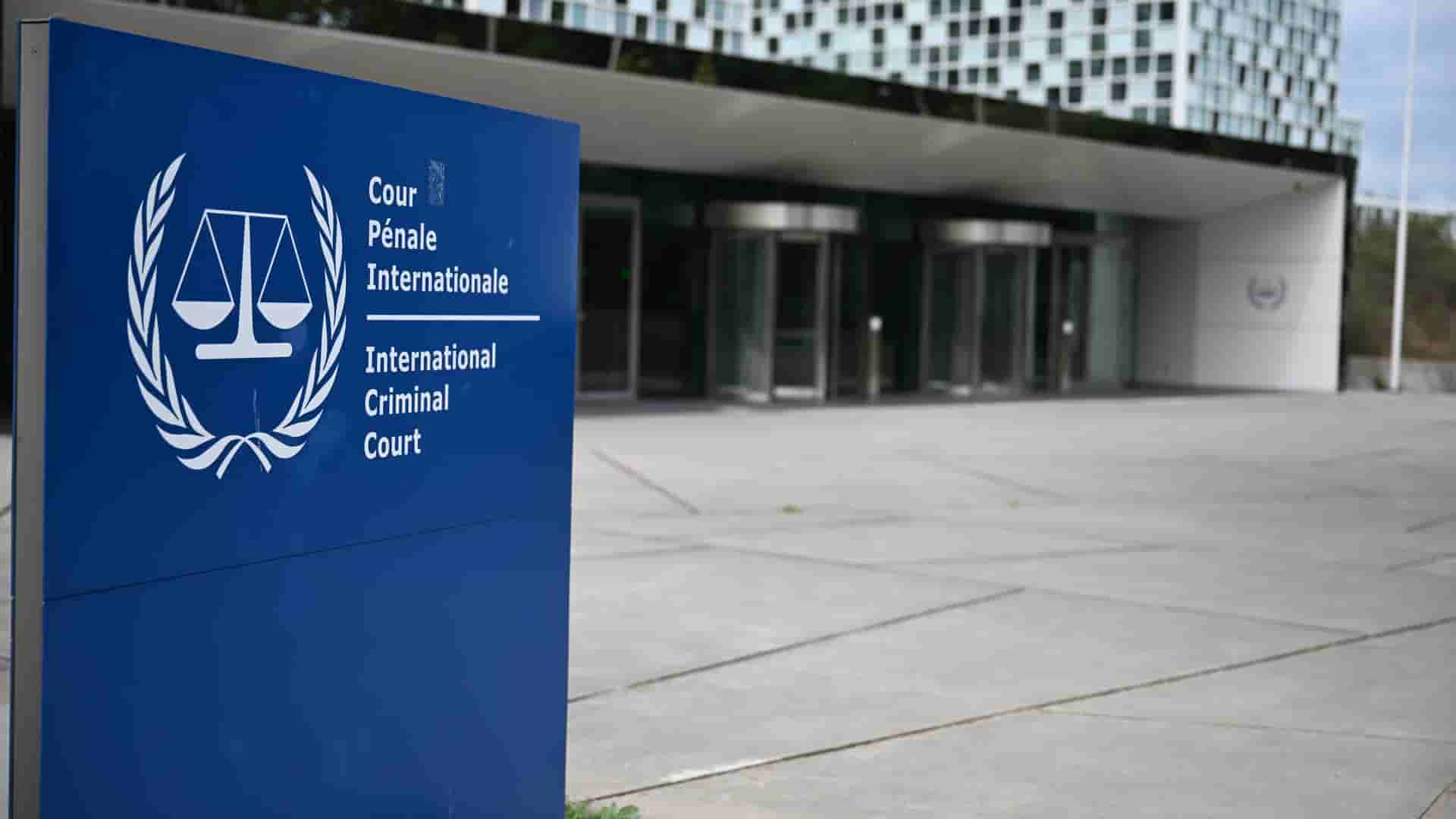
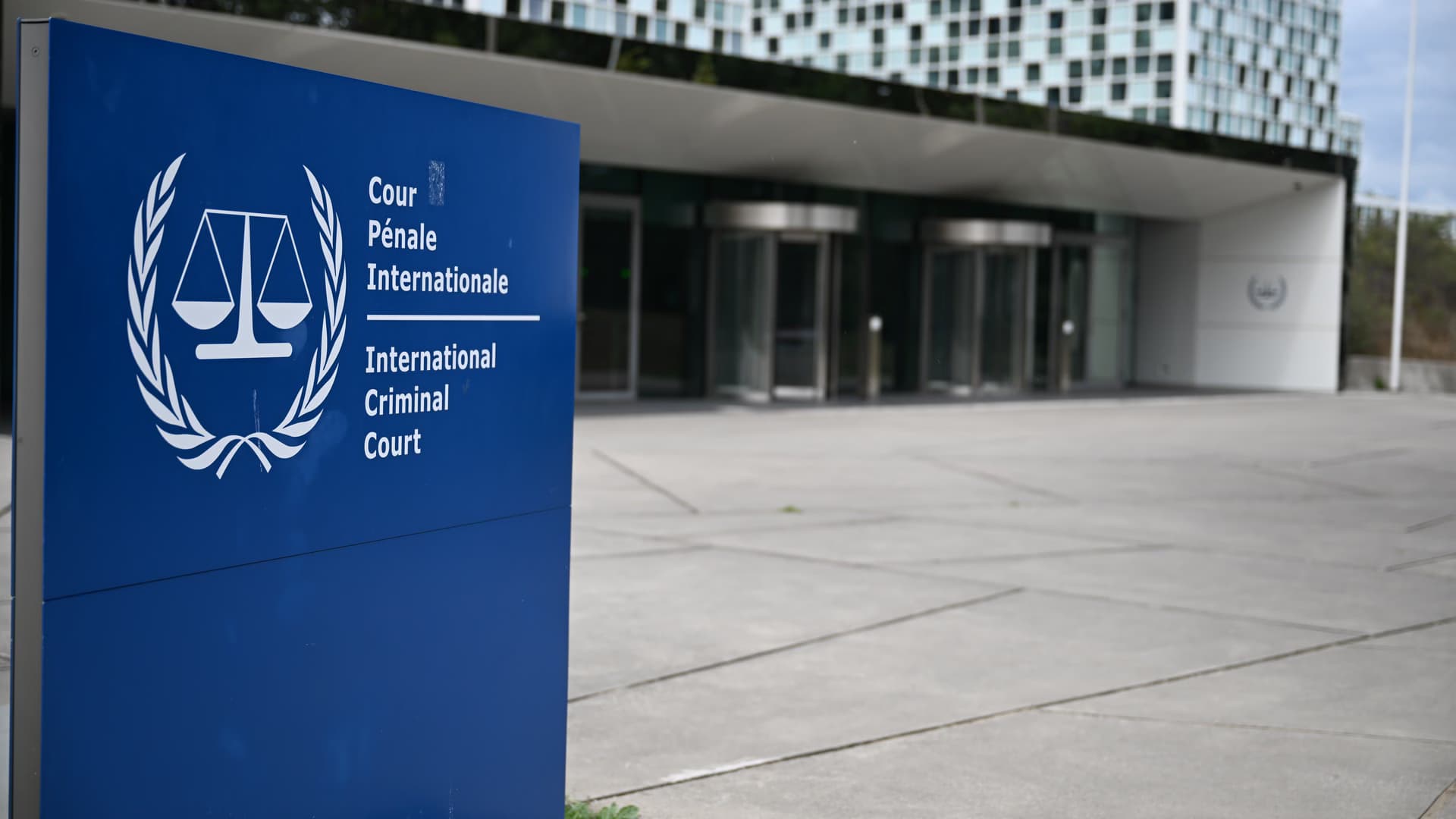
ICC narrows Afghanistan case to Taliban after dropping US forces inquiry
A decision by Hague judges closes an investigation that included allegations of Afghan detainee torture by US forces and intelligence personnel, after years of waiting by victims. The prosecution appealed the decision, while the investigation into crimes attributed to the Taliban since 2021 continues.
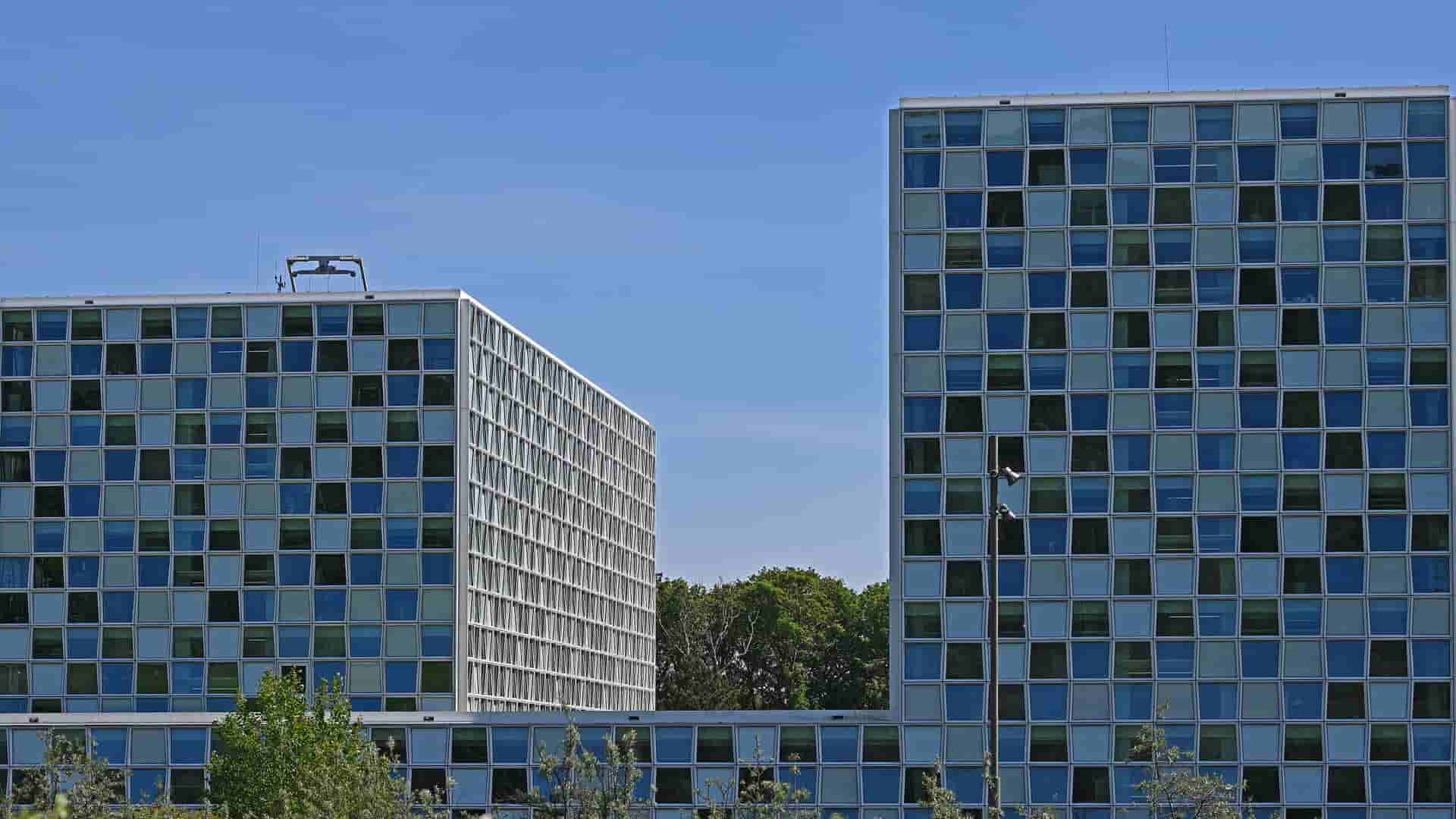
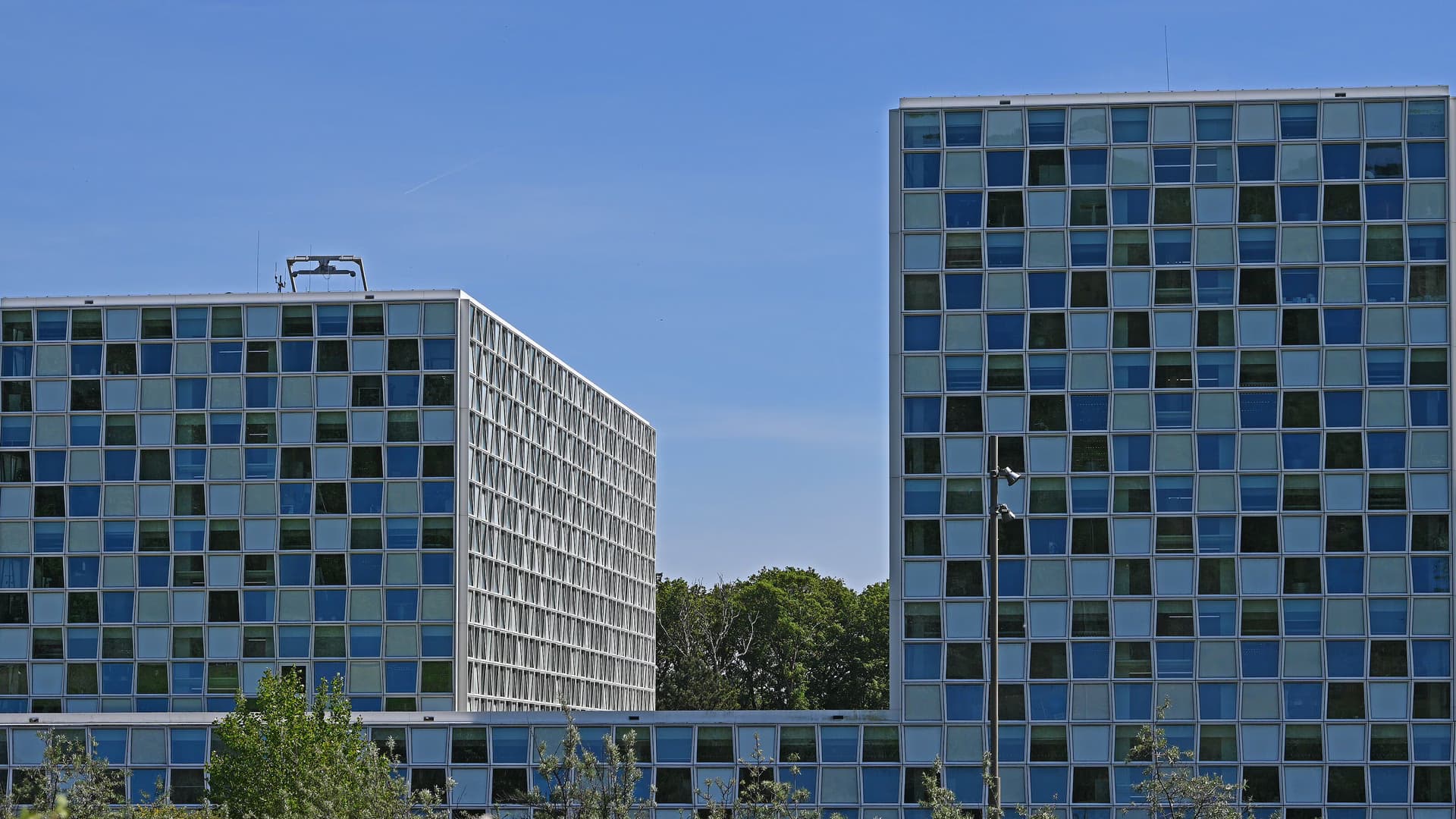
The International Criminal Court has formally closed its original investigation into Afghanistan, which included allegations that US forces and US intelligence personnel committed war crimes against Afghan detainees, limiting its work in the country to crimes attributed to the Taliban since August 2021.
The court’s Pre-Trial Chamber II issued the decision on Thursday, November 12, and published its public redacted version on Friday. The judges ordered the Registry to close the record of the “Situation in the Islamic Republic of Afghanistan,” citing “substantial constraints on the Prosecutor’s ability to conduct its investigations and secure evidence,” as well as the long passage of time since the alleged crimes.
The Office of the Prosecutor told Reuters and the Associated Press that it had appealed the decision, without providing further details.
A case victims awaited for years
The original investigation, authorized in 2020 after more than a decade of preliminary examination, covered crimes committed in Afghanistan since May 1, 2003, as well as related crimes in the territories of other member states since July 2002. It included allegations against former Afghan government forces, the Taliban, US forces and the Central Intelligence Agency.
In a 2016 report, the Office of the Prosecutor said there was a reasonable basis to believe that US forces had subjected at least 61 detainees to torture in Afghanistan, while CIA personnel had tortured at least 27 detainees in Afghanistan and detention facilities in other countries.
However, this track had remained frozen since 2021, when then-Prosecutor Karim Khan announced that the investigation into the actions of US forces and the former Afghan government would be “deprioritized” because of the difficulty of gathering evidence, with the focus shifting to the Taliban and Islamic State-Khorasan. International human rights organizations criticized that decision at the time.
The Taliban alone remains under investigation
The decision also closes the investigation into crimes by Islamic State-Khorasan since 2016, while allowing the prosecution to seek new authorization if the case can be pursued effectively. A separate case known as the “Situation in Afghanistan II” continues, focusing on crimes attributed to the Taliban since August 2021, including the persecution of women and girls. Arrest warrants issued for four of the movement’s leaders remain in force.
The decision comes amid mounting US pressure on the court. Washington, which does not recognize the court’s jurisdiction over its nationals, imposed sanctions on 13 current and former court personnel over the Afghanistan investigation and arrest warrants for Israeli officials, then announced sanctions on the court itself in October. On the day the decision was published, US Secretary of State Marco Rubio warned the court against attempting to apply its decisions to Americans.

The decision does not alter the Rome Statute, which allows the court to prosecute anyone accused of committing grave crimes on the territory of member states, regardless of nationality. Afghanistan joined the court in 2003.
Images: Wikimedia Commons