- BIST10010,743-2.03%
- USD50.64+0.03%
- EUR55.40+0.14%
- GOLD3,595.00+0.85%
- INTEREST36.00%-1.00
- BITCOIN60,456+0.13%
- November 26, 202610°
- BIST10010,743-2.03%
- USD50.64+0.03%
- EUR55.40+0.14%
- GOLD3,595.00+0.85%
- INTEREST36.00%-1.00
- BITCOIN60,456+0.13%
- November 26, 202610°
Iran threatens Gulf oil facilities as Qatar urges joint action on Hormuz
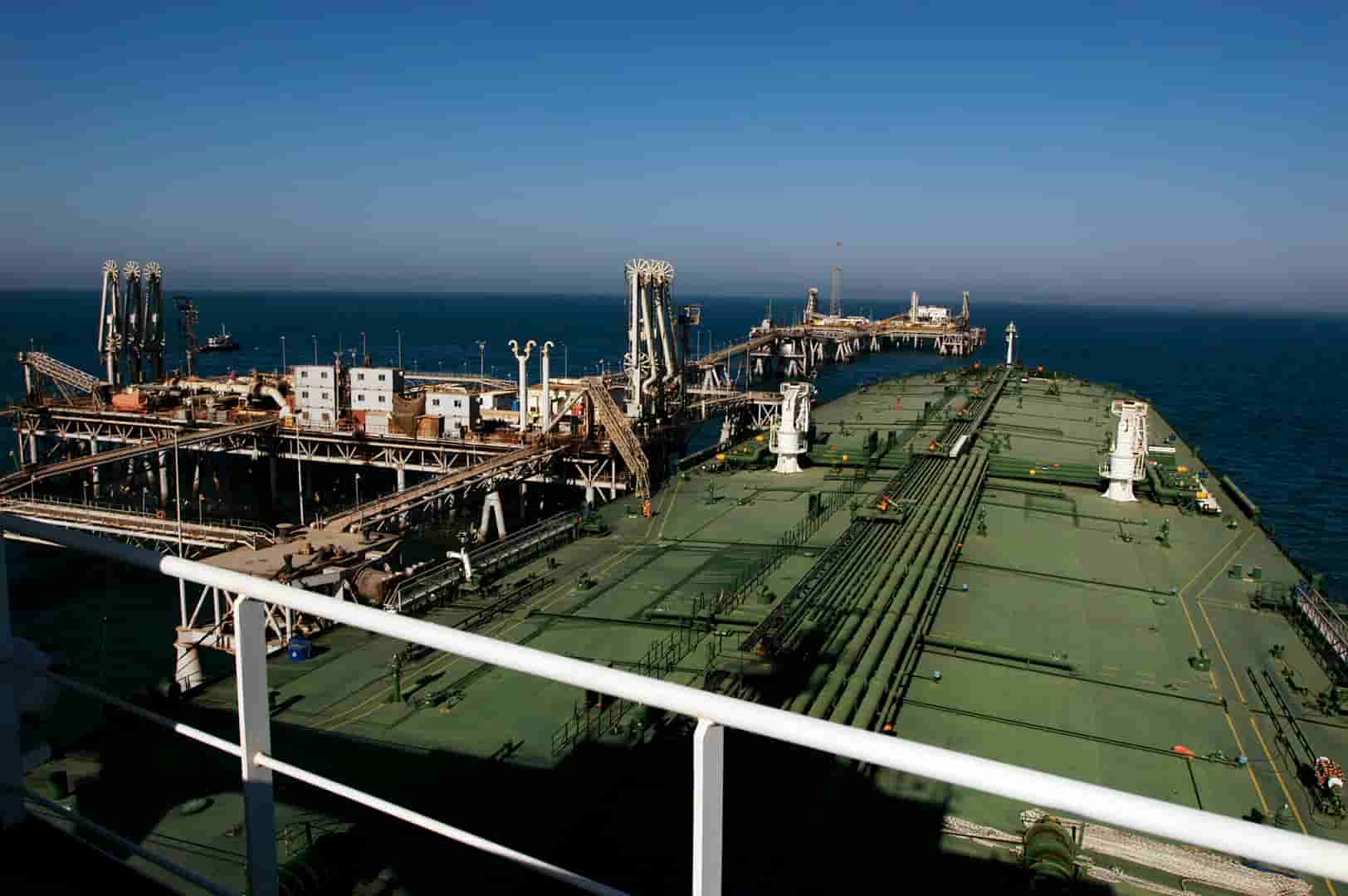
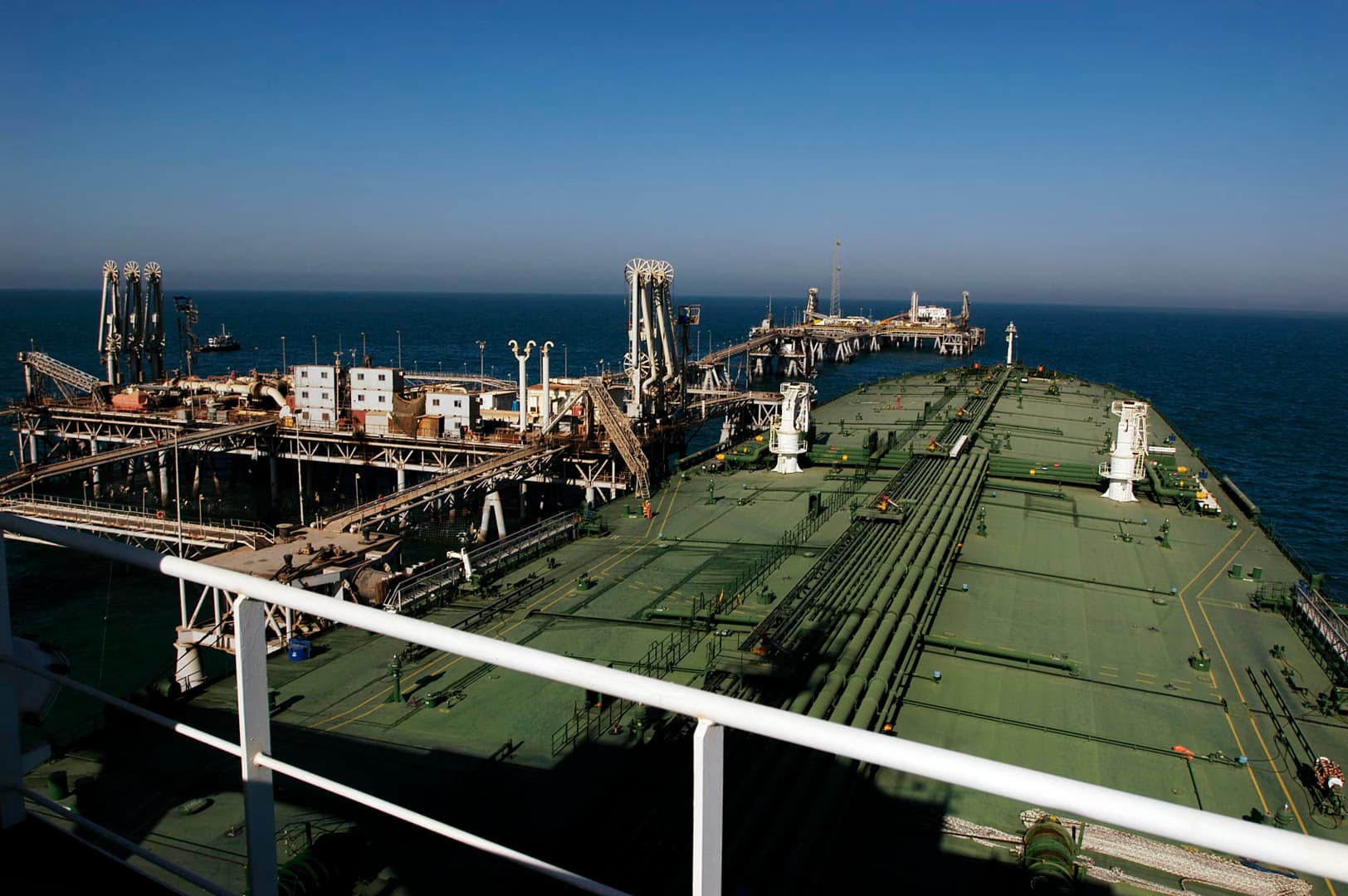
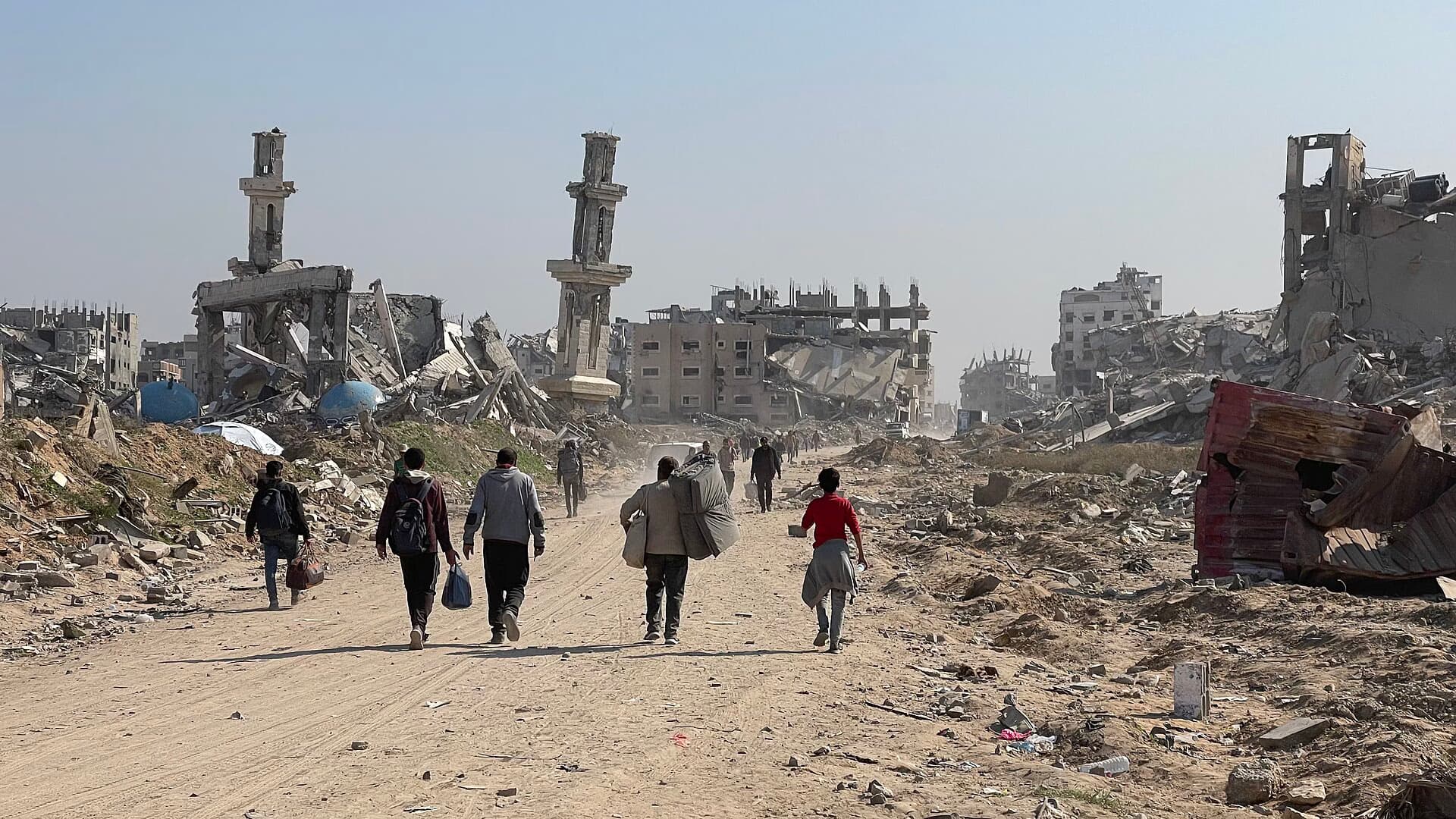
Tehran threatened to target Gulf oil facilities if its tankers were attacked, amid reports that the Islamic Revolutionary Guard Corps had launched anti-ship missiles. Doha warned that closing the strait would shake the global economy.
Iran's Fars News Agency reported that Iran was preparing to break the U.S. naval blockade and threatened to target Gulf oil facilities if its tankers came under attack. The development came after reports that the Islamic Revolutionary Guard Corps had launched several anti-ship cruise missiles from the shores of the Strait of Hormuz.
The escalation came a day after fires broke out aboard tankers that collided with naval mines in the strait, incidents that heightened fears of another U.S. strike on Iran.
Al Ansari: Military solutions complicate crises
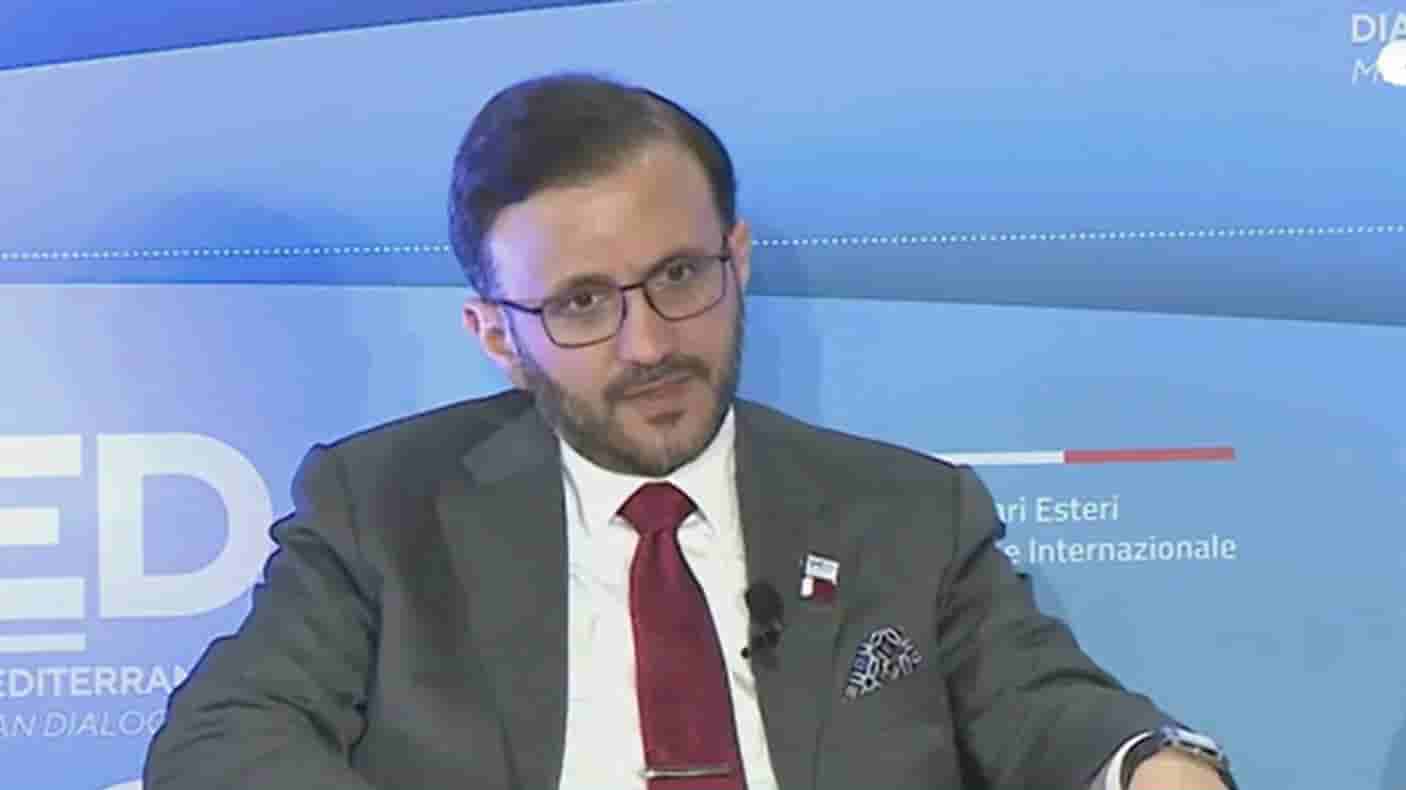
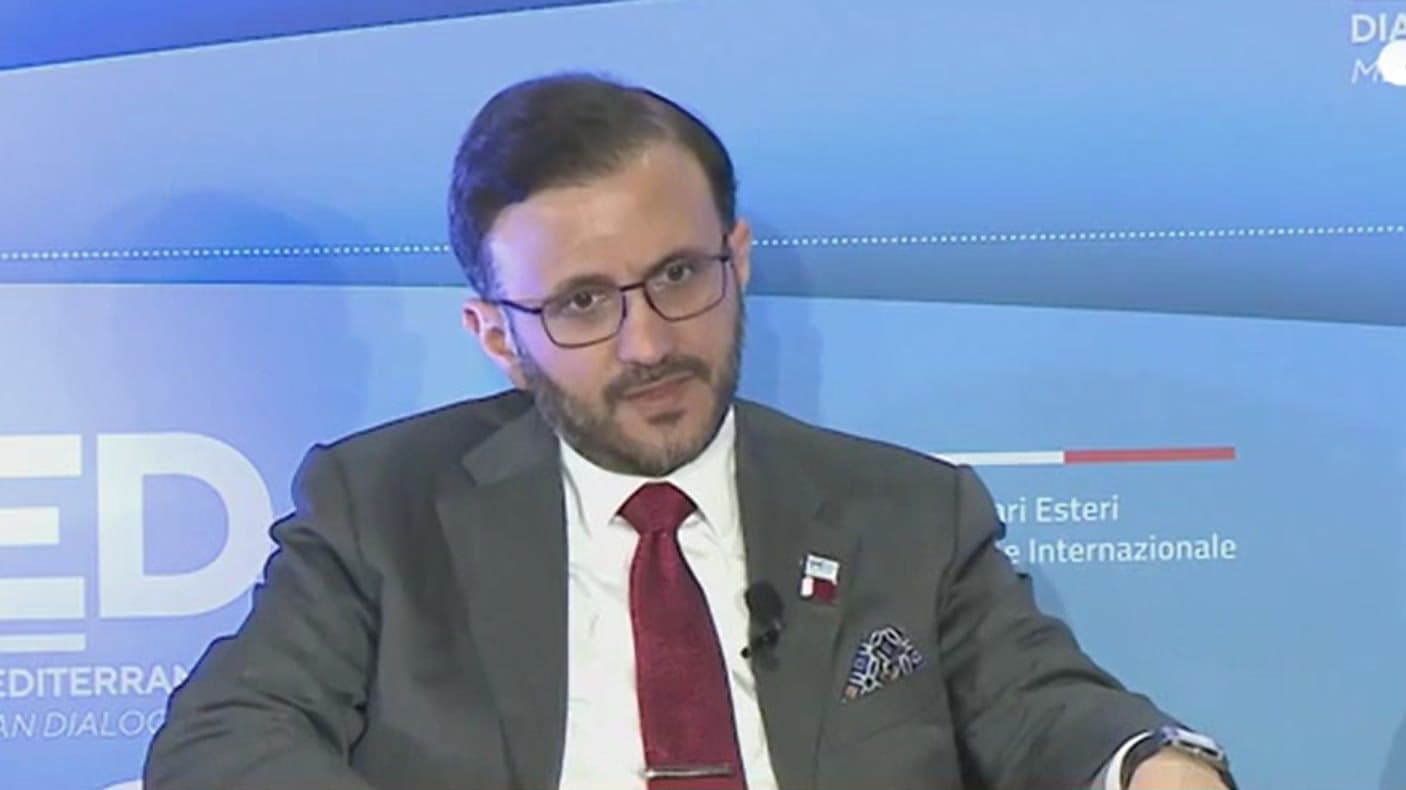
Qatar's adviser to the prime minister and official spokesperson for the Ministry of Foreign Affairs, Majed Al Ansari, called for joint international action to address the Hormuz crisis. He stressed that closing the strait would harm energy security, supply chains and the global economy.
Speaking during a session on Gulf security and strategic maritime corridors at the 2026 Mediterranean Dialogues forum in the Italian city of Naples, he said the repercussions of the war and the closure of the strait had extended beyond the region and shaken societies and economies around the world.
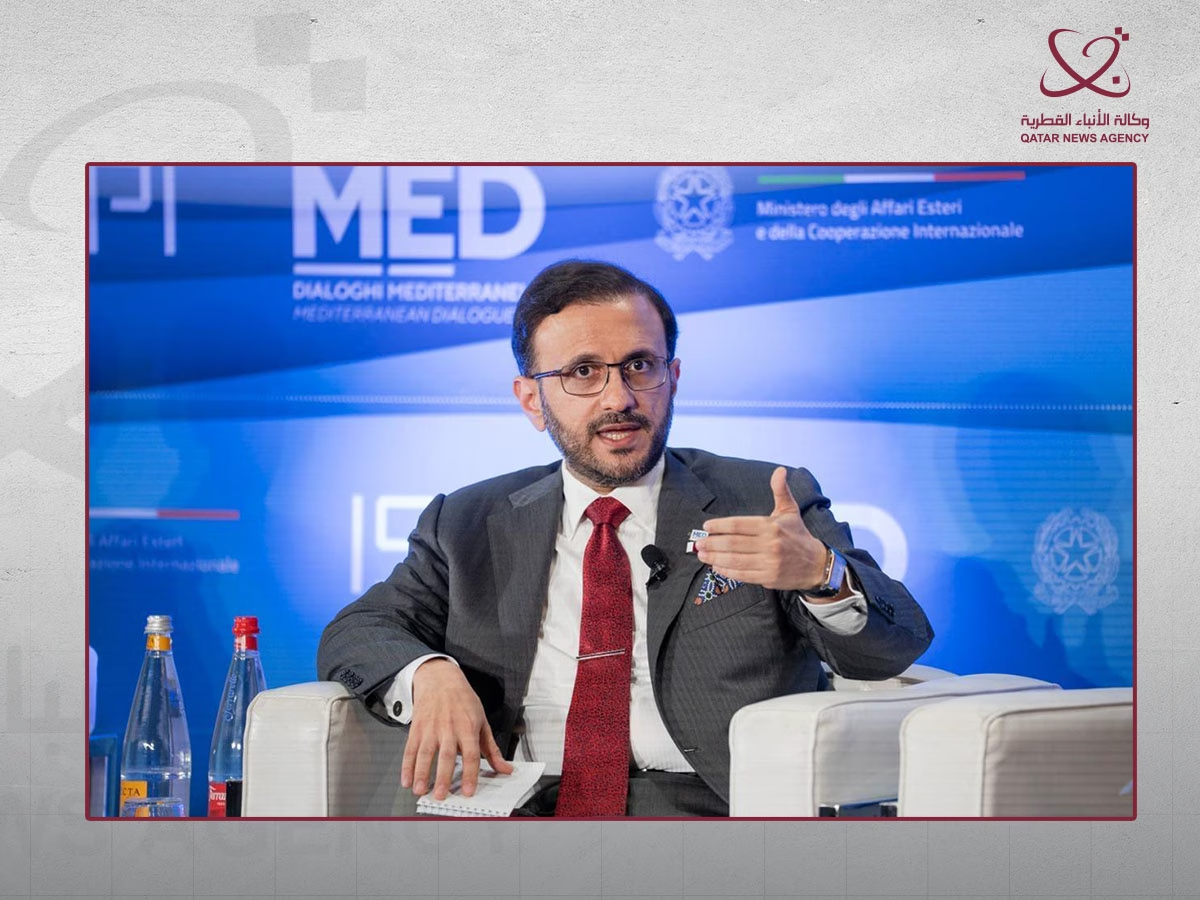
Al Ansari warned against the continued violations of international law and the erosion of the principle of state sovereignty, stressing that military solutions would not end crises but would make them more complicated. He said mediation and diplomatic solutions were the best way to make progress, referring to Doha's efforts to bring Washington and Tehran closer together. He added that the countries of the region were working together to reduce tensions and strengthen regional security.
Photos: Al Jazeera, Qatar News Agency (QNA).
Stay Updated with Hilal Times
Subscribe to be informed about special news, developments and announcements. We will keep you informed.
By signing up, you agree to our Privacy Policy