- BIST10011,661-1.54%
- USD50.39+0.22%
- EUR55.50-0.19%
- GOLD3,865.80+0.33%
- INTEREST36.00%-1.00
- BITCOIN63,602-1.89%
- November 17, 202615°
- BIST10011,661-1.54%
- USD50.39+0.22%
- EUR55.50-0.19%
- GOLD3,865.80+0.33%
- INTEREST36.00%-1.00
- BITCOIN63,602-1.89%
- November 17, 202615°
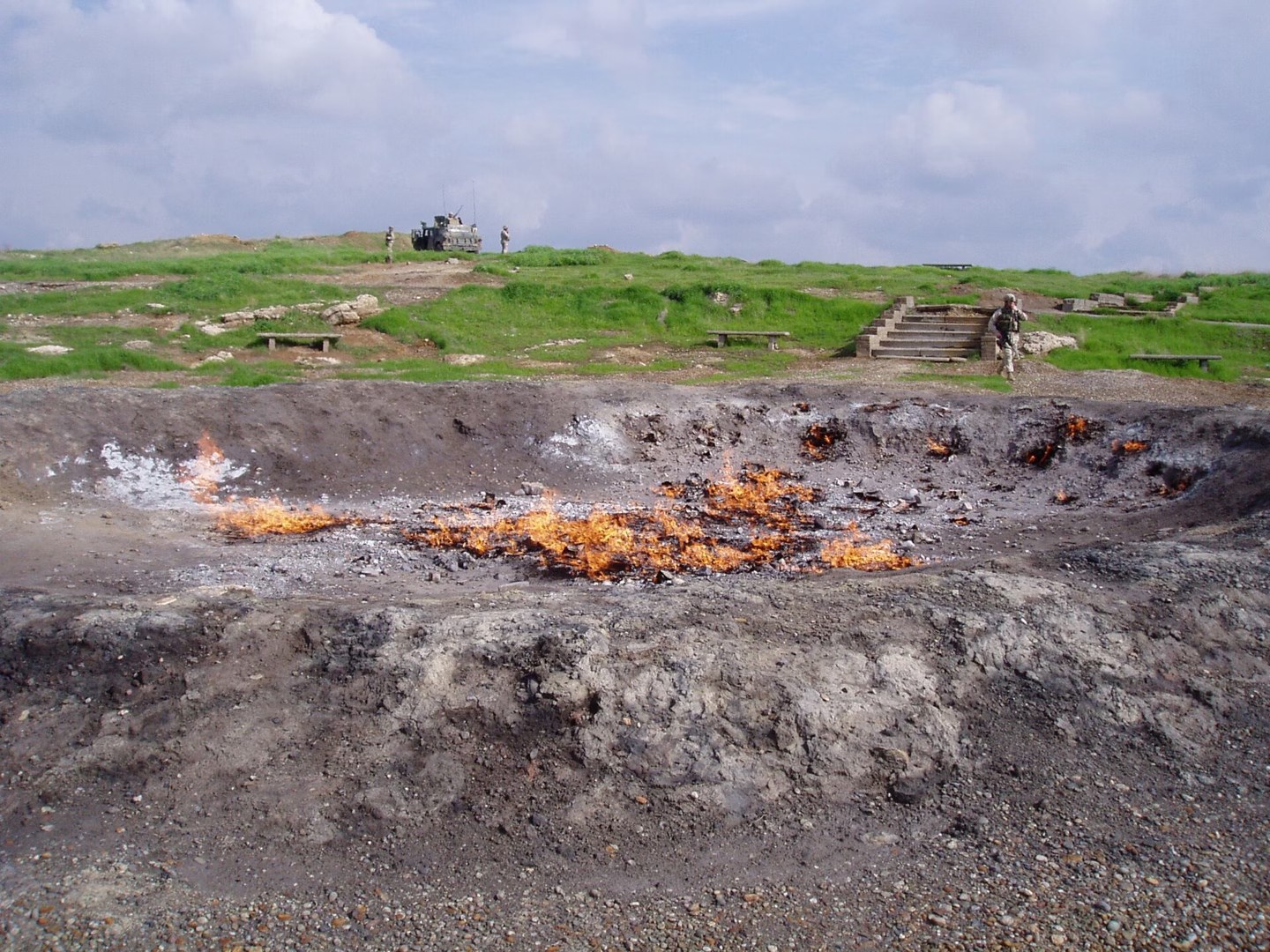
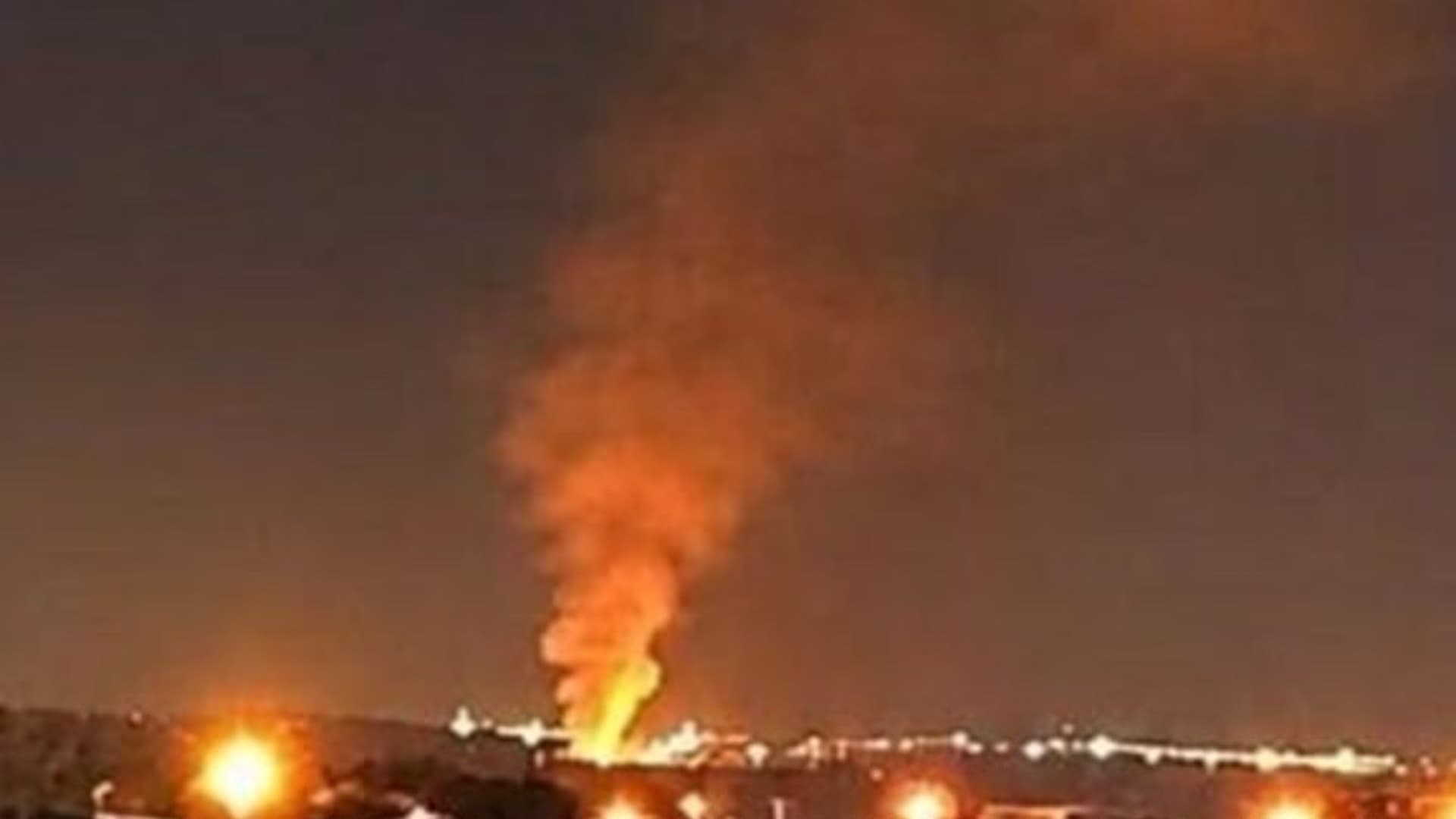
Iraq resumes oil flows to Türkiye's Ceyhan via old pipeline amid Hormuz crisis
Iraqi Oil Minister Bassem Mohammed Khudair announced the resumption of crude oil pumping for export through the old Iraqi-Turkish pipeline, the Kirkuk-Ceyhan line, with an initial capacity of 120,000 barrels per day, set to gradually rise to 500,000 barrels.


Stay Updated with Hilal Times
Subscribe to be informed about special news, developments and announcements. We will keep you informed.
By signing up, you agree to our Privacy Policy