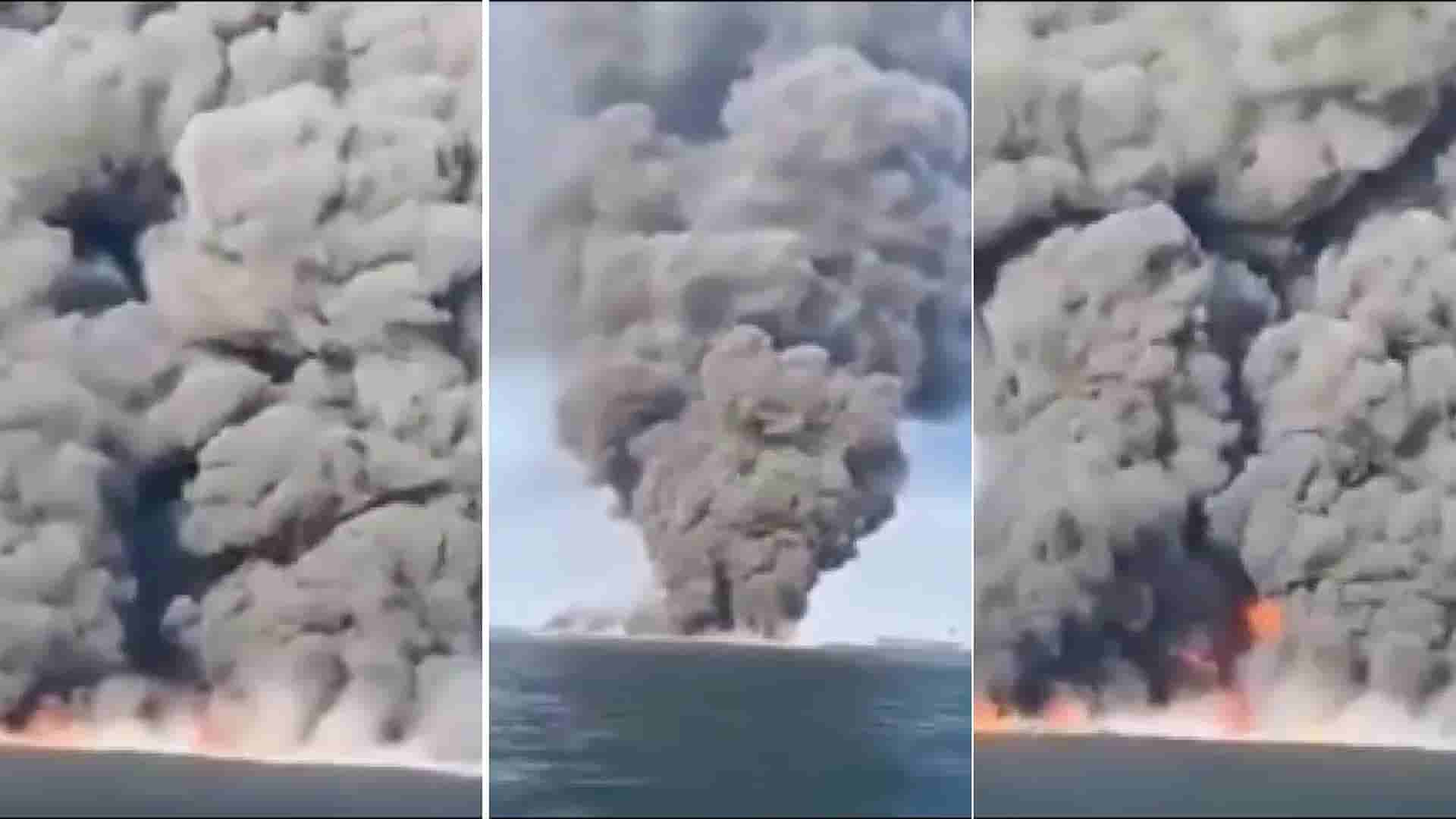
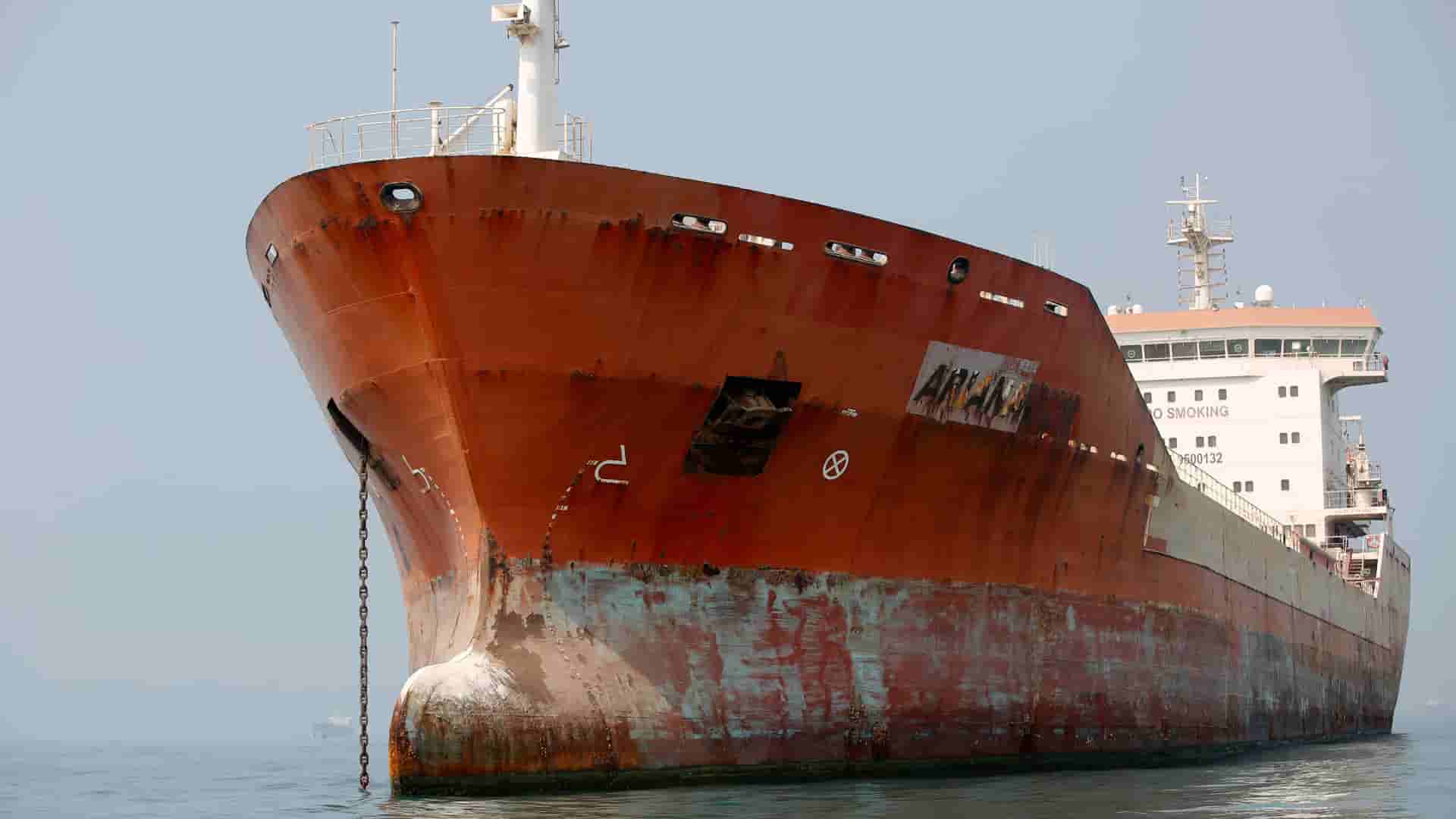
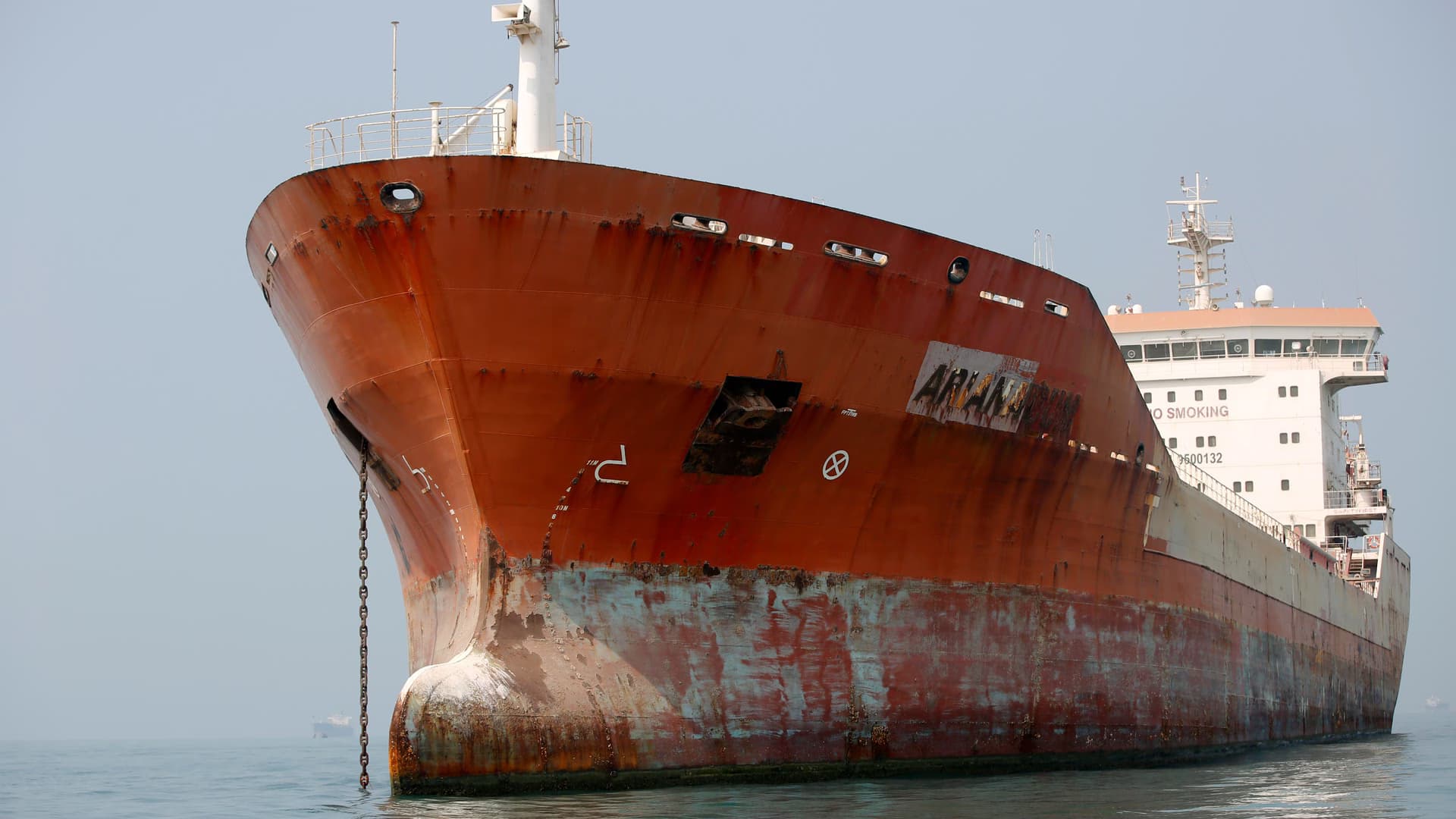
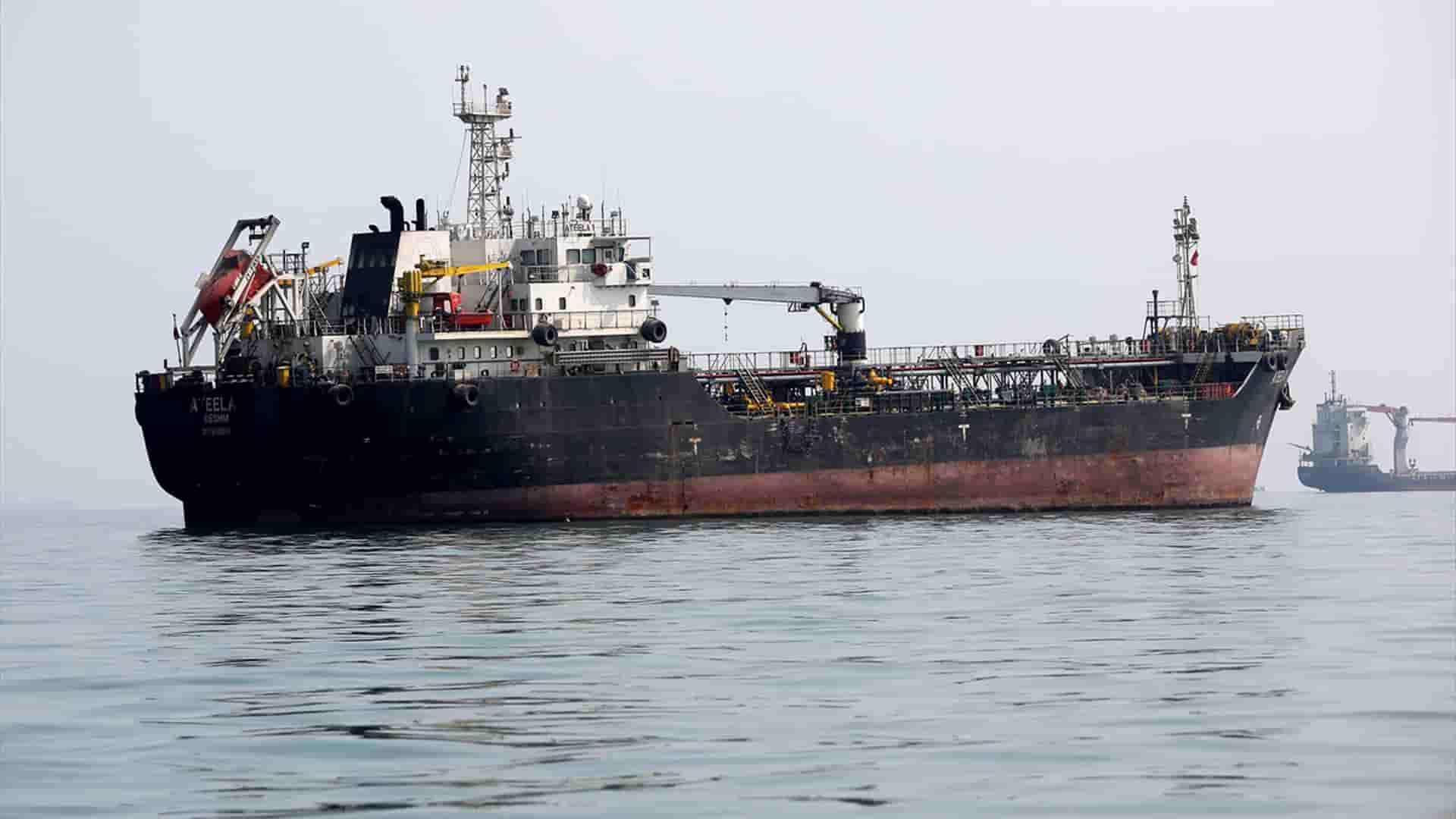
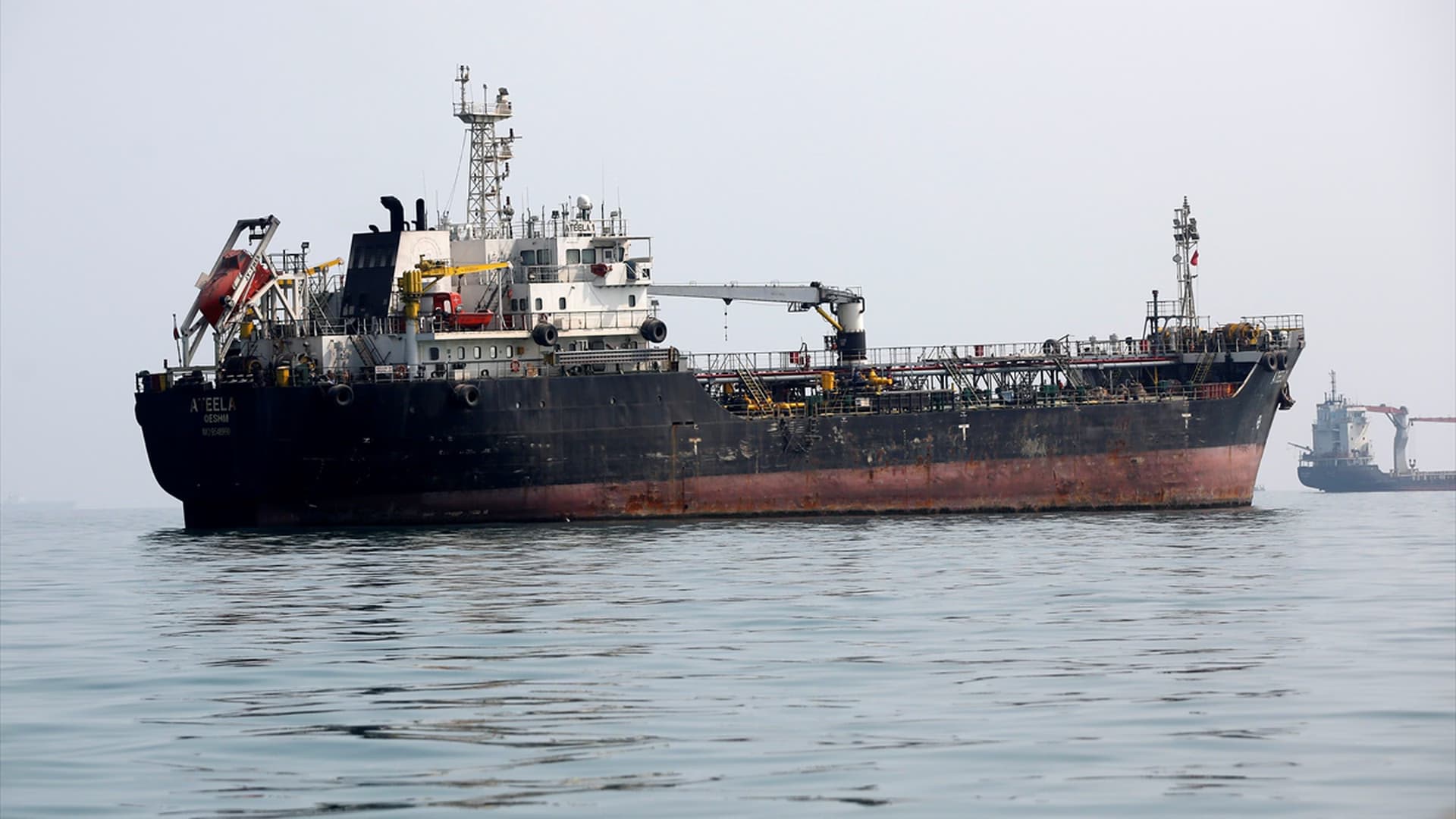
The naval forces of Iran’s Islamic Revolutionary Guard Corps said Sunday, November 15, 2026, that two oil tankers struck naval mines in recent hours while attempting to transit the “unauthorized” southern route through the Strait of Hormuz, causing powerful explosions and fires on both vessels.
The statement, broadcast by Iranian state television, said one of the tankers, a “supertanker carrying more than 2 million barrels of crude oil,” sank in the southern Gulf waters. The IRGC did not disclose the tankers’ names, flags or owners, and provided no information about the fate of their crews.
Accusation against Washington and warning to ships
The IRGC claimed that the tankers “switched off all identification and positioning systems with the support of the U.S. military” in an attempt to pass secretly. The statement warned tanker owners, shipping company managers and ship crews against approaching the restricted area, saying: “Do not be deceived by the U.S. military. Any vessel that violates the regulations Iran has set for the Strait of Hormuz will meet the same fate.”
The IRGC also urged fishermen in the area to exercise the utmost caution to avoid colliding with the wreckage of the sunken tanker.
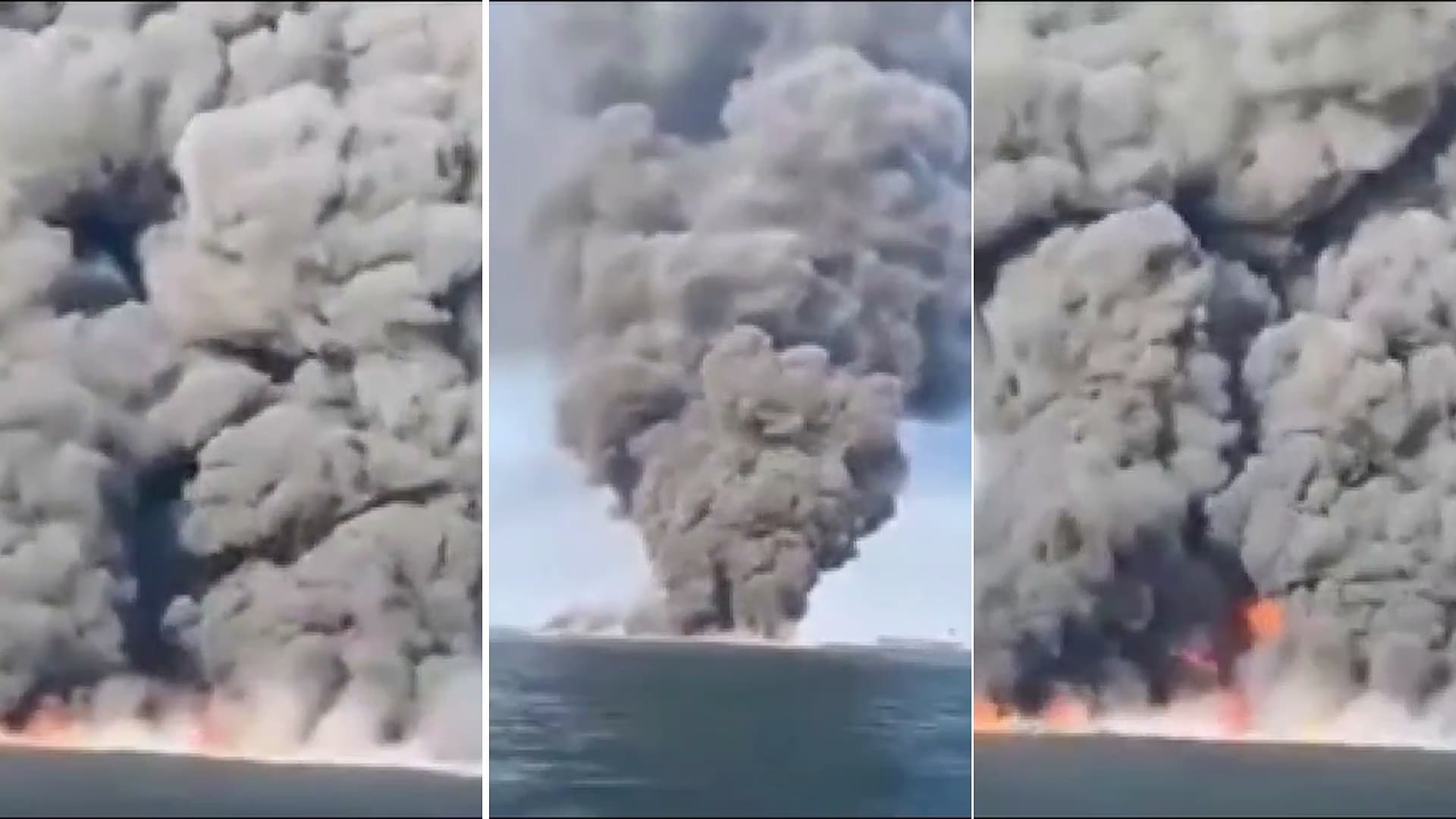
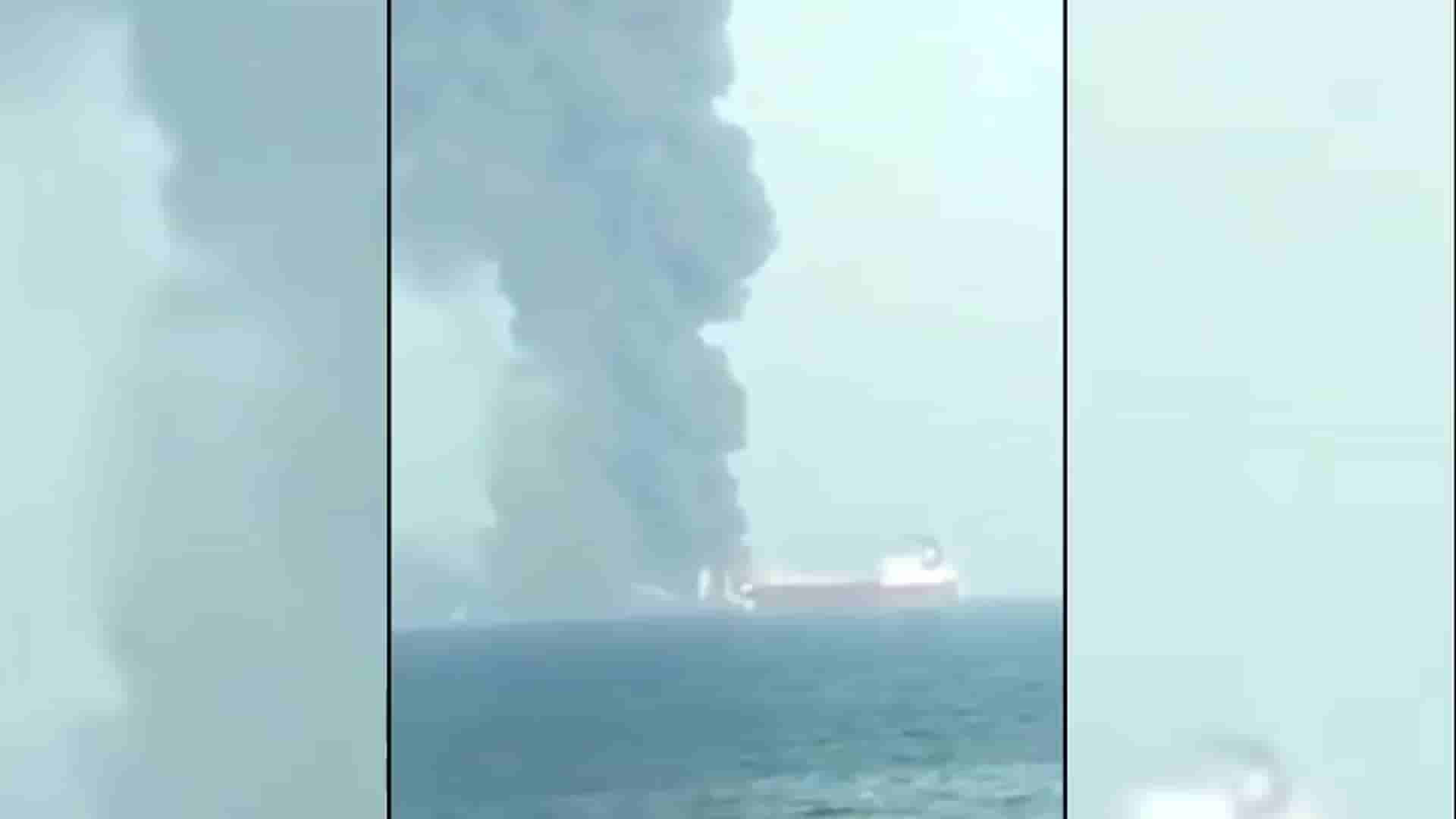
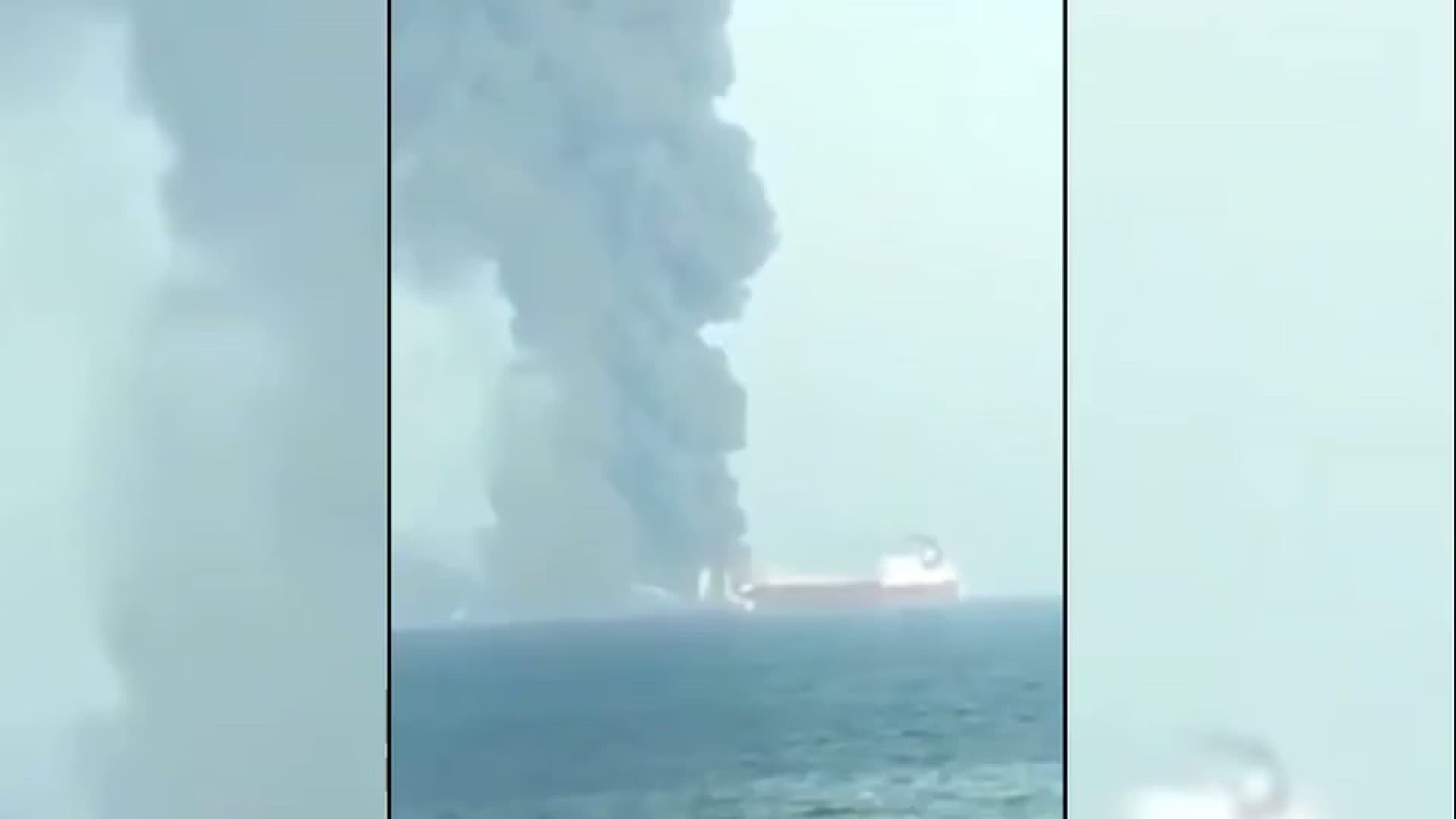
The footage released by the IRGC with the statement shows flames on the surface of the water and dense columns of black smoke rising into the sky. No tanker is clearly visible, and the location and timing of the footage could not be independently verified.
Account without independent confirmation
There has been no independent confirmation of the tanker’s sinking so far. The United Kingdom Maritime Trade Operations center (UKMTO) said it received a report from Indian shipping authorities about an attack targeting a tanker sailing east in the Gulf before entering the Strait of Hormuz. It said all crew members were safe, while the extent of the damage and any potential environmental impact remained unknown. It was unclear whether the incident was the same one announced by the IRGC.
Meanwhile, the U.S. military says it has cleared the main shipping lanes in the strait of mines and provides military support to transiting tankers. U.S. Central Command (CENTCOM) announced last month that it had helped Gulf countries export 1.5 billion barrels of oil through Hormuz since the summer, while Washington was imposing a naval blockade on Iranian ports.
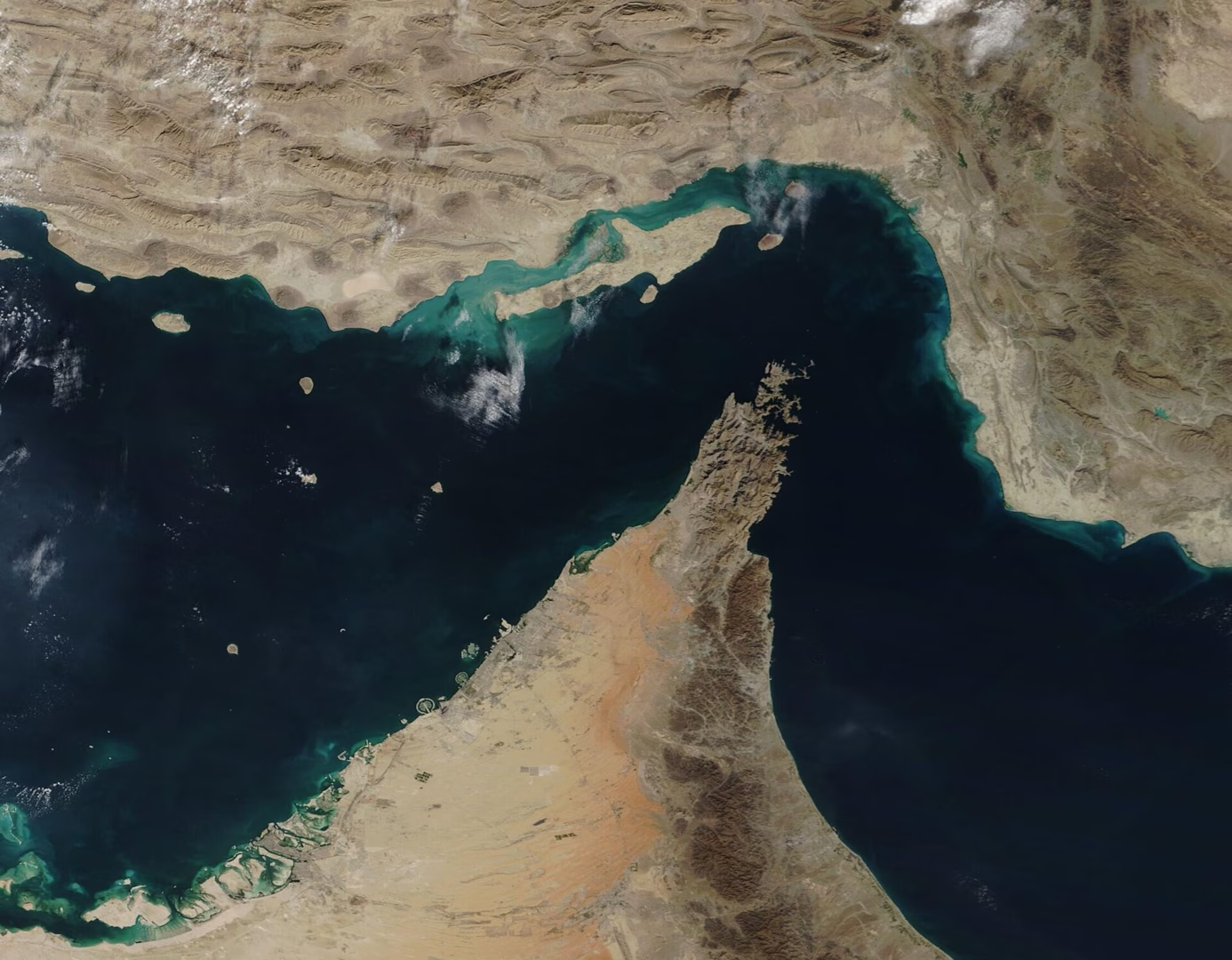
The Strait of Hormuz separates Iran from Oman’s Musandam Peninsula, and in normal periods carries about one-fifth of global oil trade. Tehran closed the strait again on July 12 after the United States resumed its strikes on Iran on July 8, threatening to target vessels that crossed outside the route it had designated or without obtaining its permission.
Series of successive incidents
The new announcement came one day after the IRGC and the Iranian Navy said fires had broken out on three oil tankers that struck mines in the strait, while Iranian state broadcaster IRIB said five tankers had struck mines within 48 hours. Iran has announced similar incidents involving vessels it says deviated from their routes for weeks, generally without disclosing their identities.
According to figures from the United Nations’ International Maritime Organization, 136 maritime incidents were recorded in and around the strait between late February and November 11, in which 25 sailors were killed. October was the month with the highest number of attacks since the war began.
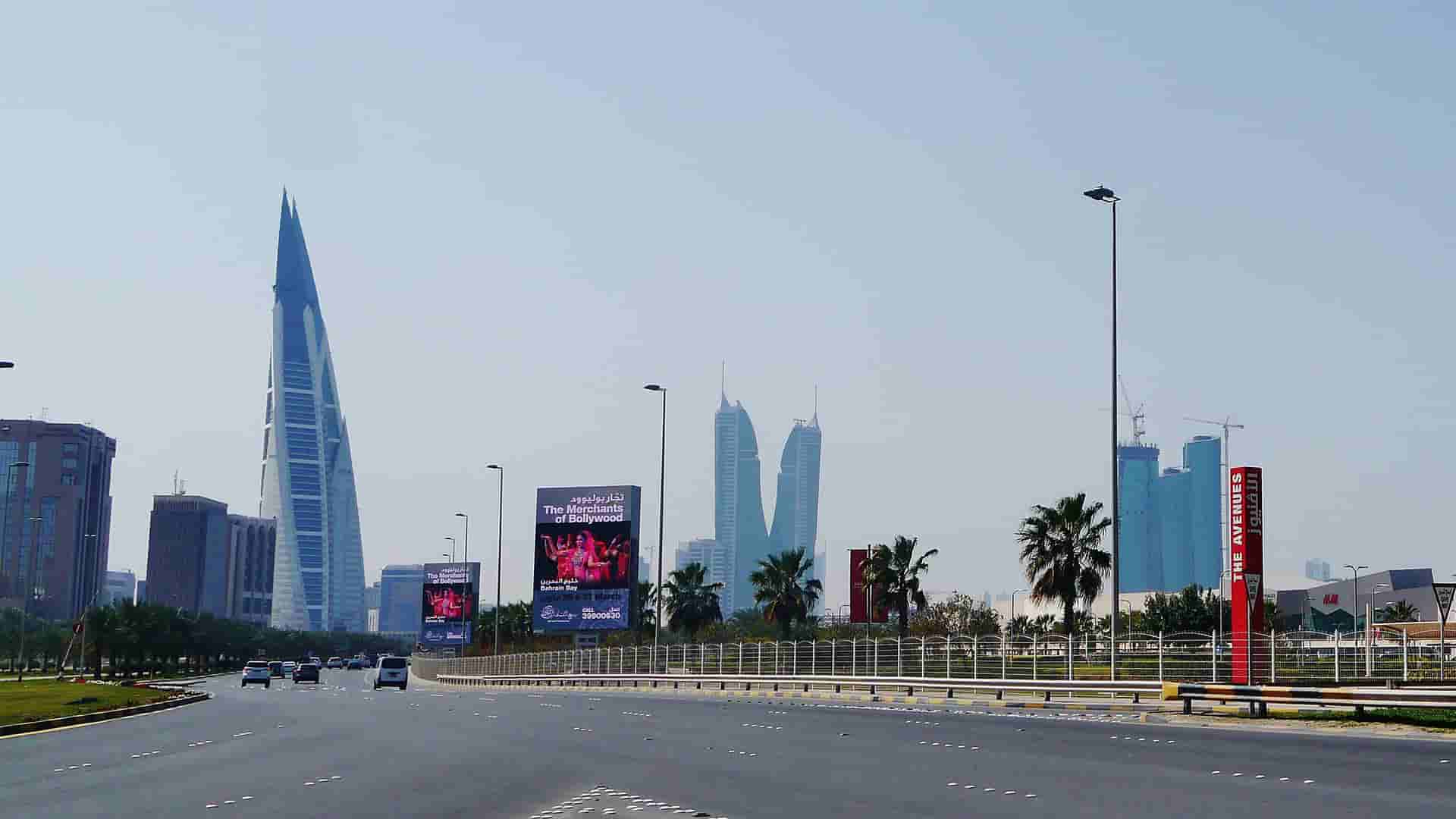
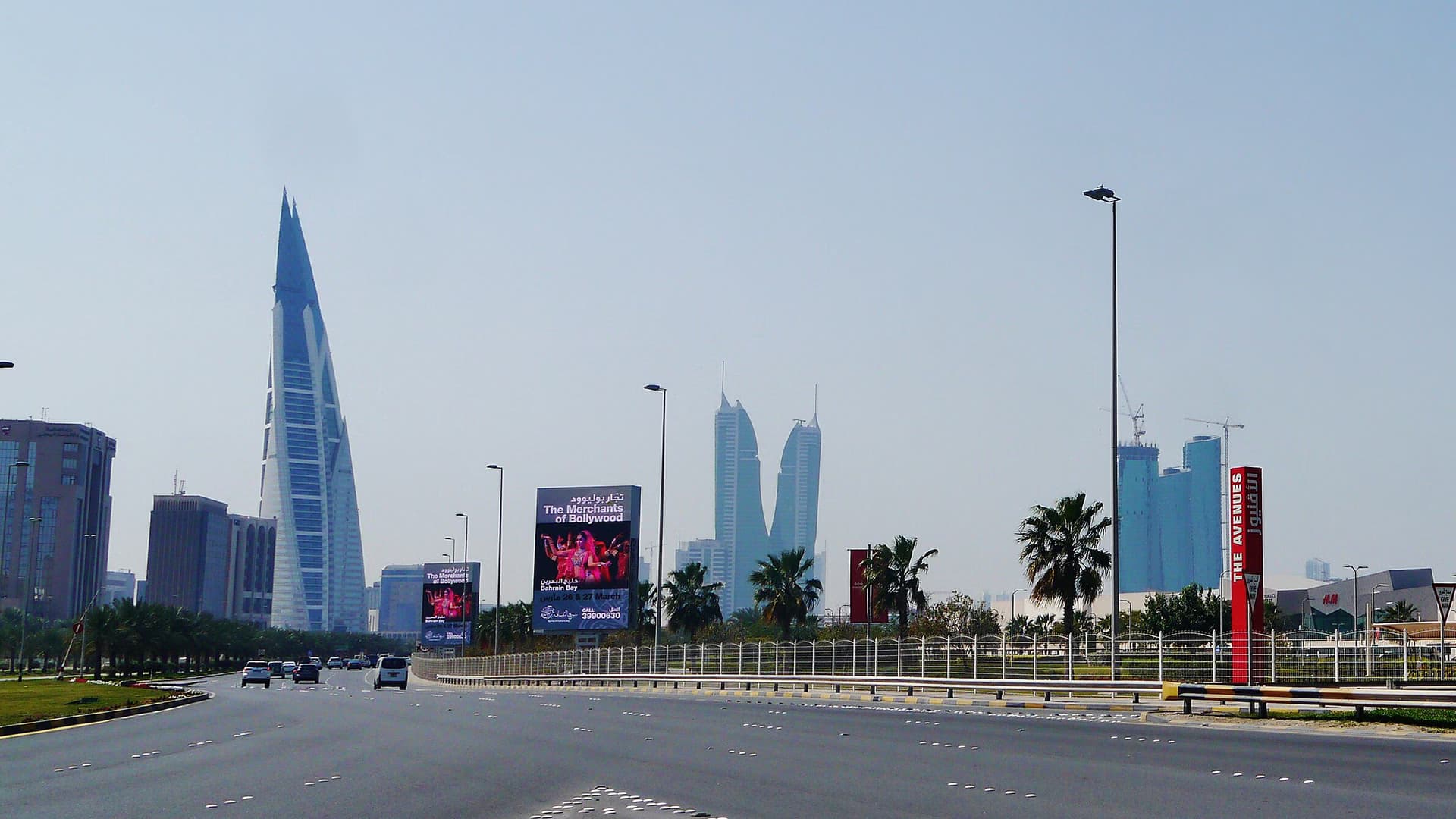
The statement about the two tankers coincided with the IRGC’s announcement that it had launched six drones toward a U.S. radar system at Al Riffa Air Base in Bahrain, while Manama said its air defenses had intercepted them. Tehran requires the United States to meet seven demands for any return to negotiations, including Iran’s retaining control of the Strait of Hormuz.
Video: Iran’s Islamic Revolutionary Guard Corps. Satellite image: NASA (MODIS, archive, Wikimedia Commons). Sources: Anadolu Agency, Iranian state television, UKMTO, Reuters.