- BIST10011,843+1.51%
- USD50.28+0.05%
- EUR55.60-0.24%
- GOLD3,886.30+0.03%
- INTEREST36.00%-1.00
- BITCOIN64,249+0.20%
- November 15, 202612°
- BIST10011,843+1.51%
- USD50.28+0.05%
- EUR55.60-0.24%
- GOLD3,886.30+0.03%
- INTEREST36.00%-1.00
- BITCOIN64,249+0.20%
- November 15, 202612°
Qatar-Türkiye statement says defense pact sets united stance against attack
The joint statement issued after the 12th meeting of the Qatar-Türkiye Supreme Strategic Committee said the defense pact signed by the two countries in Istanbul aims to adopt a united stance against any external armed attack targeting either or both of them. The statement also addressed shared positions on Gaza, Lebanon, Syria, Yemen and the Strait of Hormuz crisis.
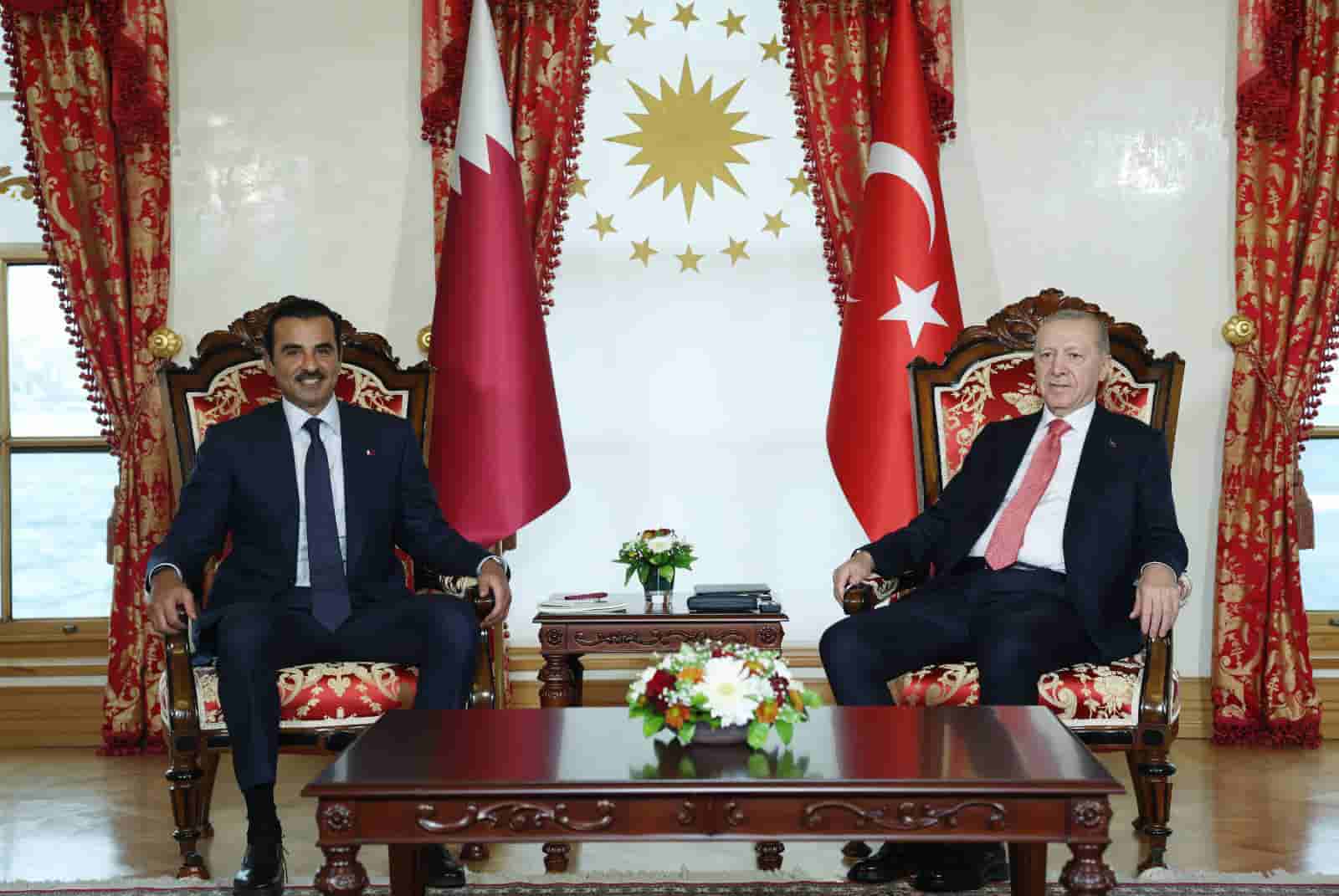
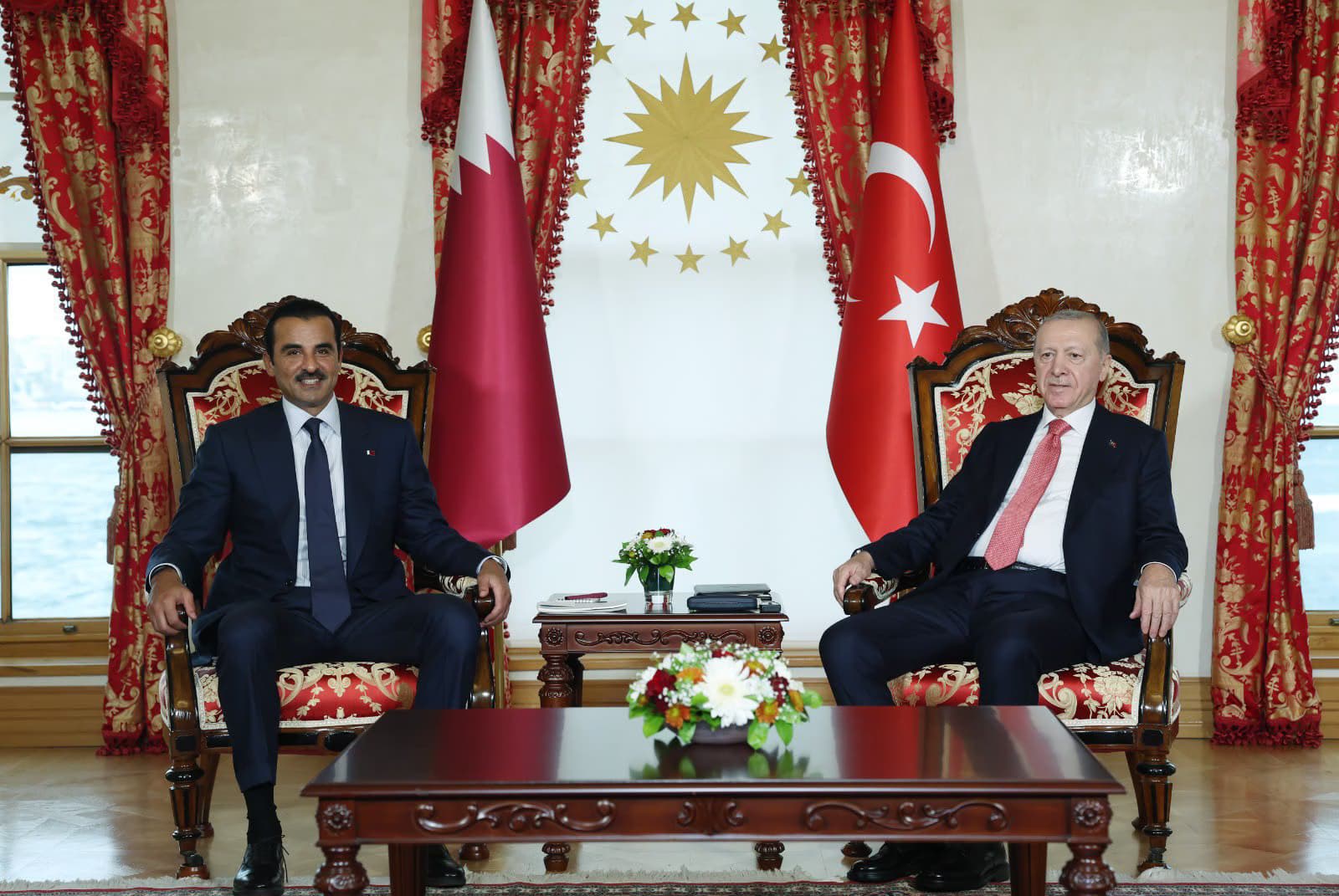
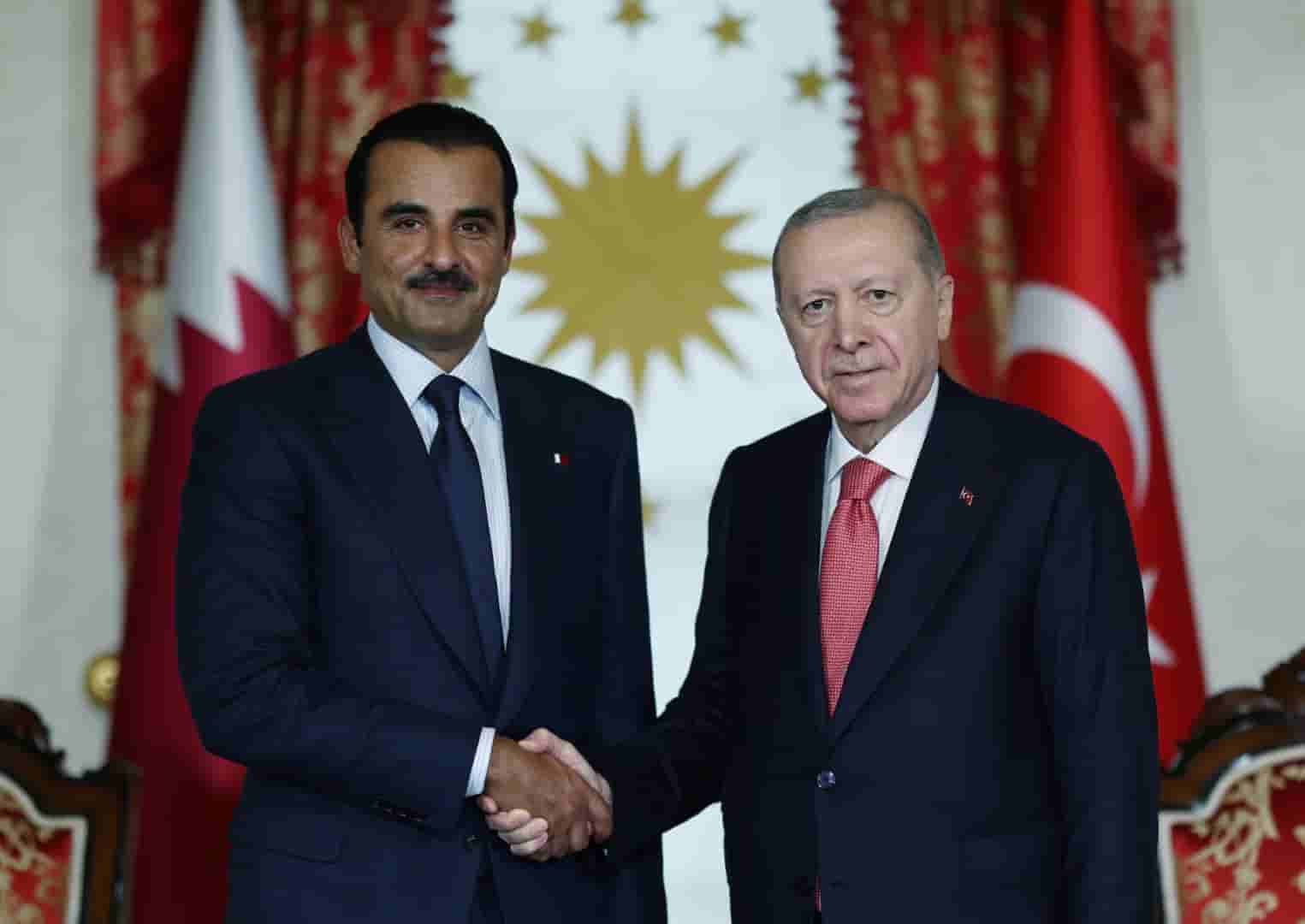
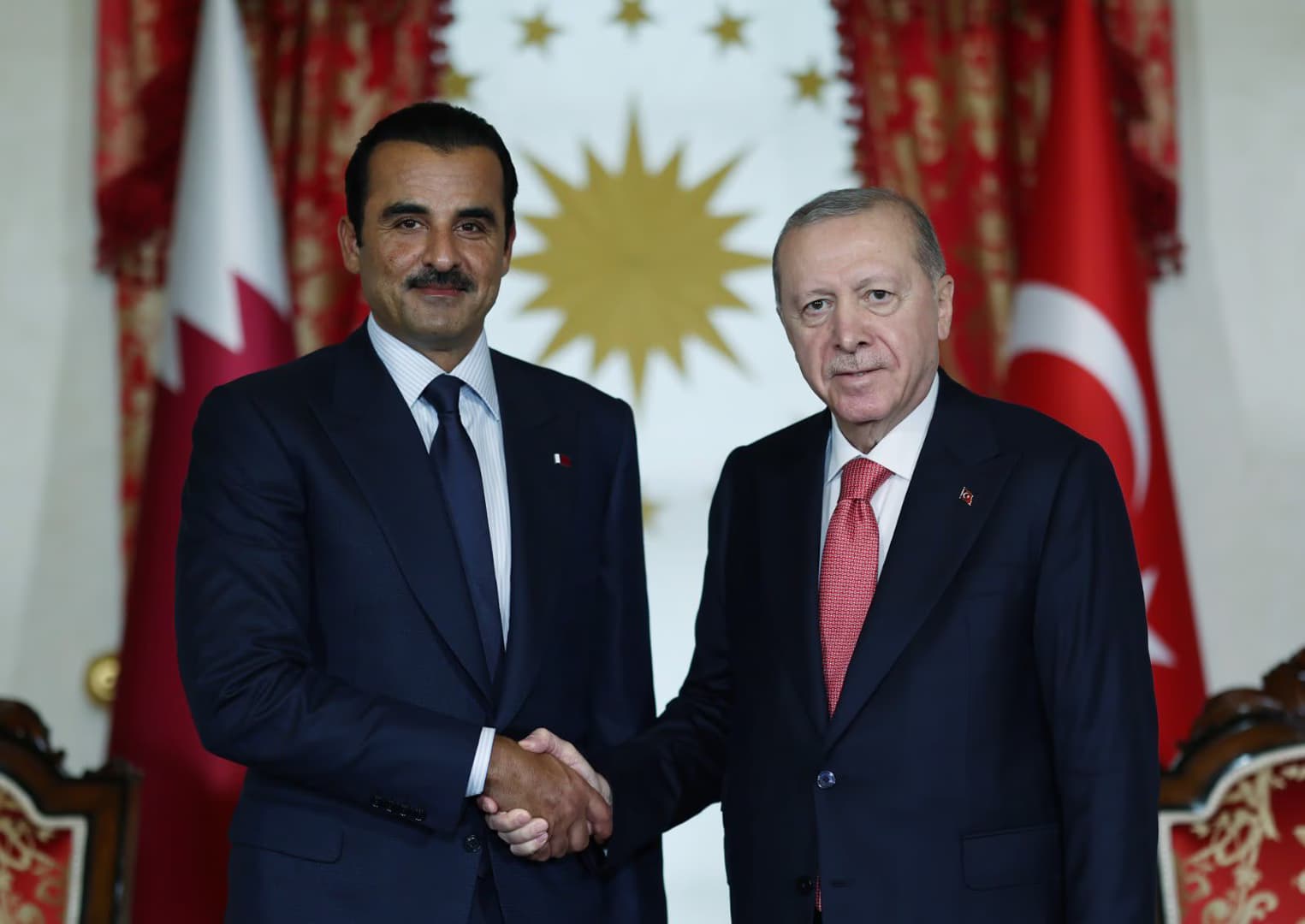
Qatar and Türkiye said in a joint statement issued after the 12th meeting of the two countries’ Supreme Strategic Committee in Istanbul on November 13 that the defense pact signed by Qatar’s Emir Sheikh Tamim bin Hamad Al Thani and Turkish President Recep Tayyip Erdoğan aims to strengthen collective defense and unify the two countries’ stance in confronting any external armed attack targeting either or both of them.
The statement explained that the agreement reflects not only the two countries’ commitment to protecting their sovereignty and territorial integrity, but also their shared vision of contributing to the creation of a more secure and stable regional order. The two sides affirmed their determination to address shared security challenges as a strategic priority. They discussed strengthening cooperation through military exercises and defense industries, expanding cooperation in training, law enforcement and security, and continuing coordination in mediation and conflict resolution.
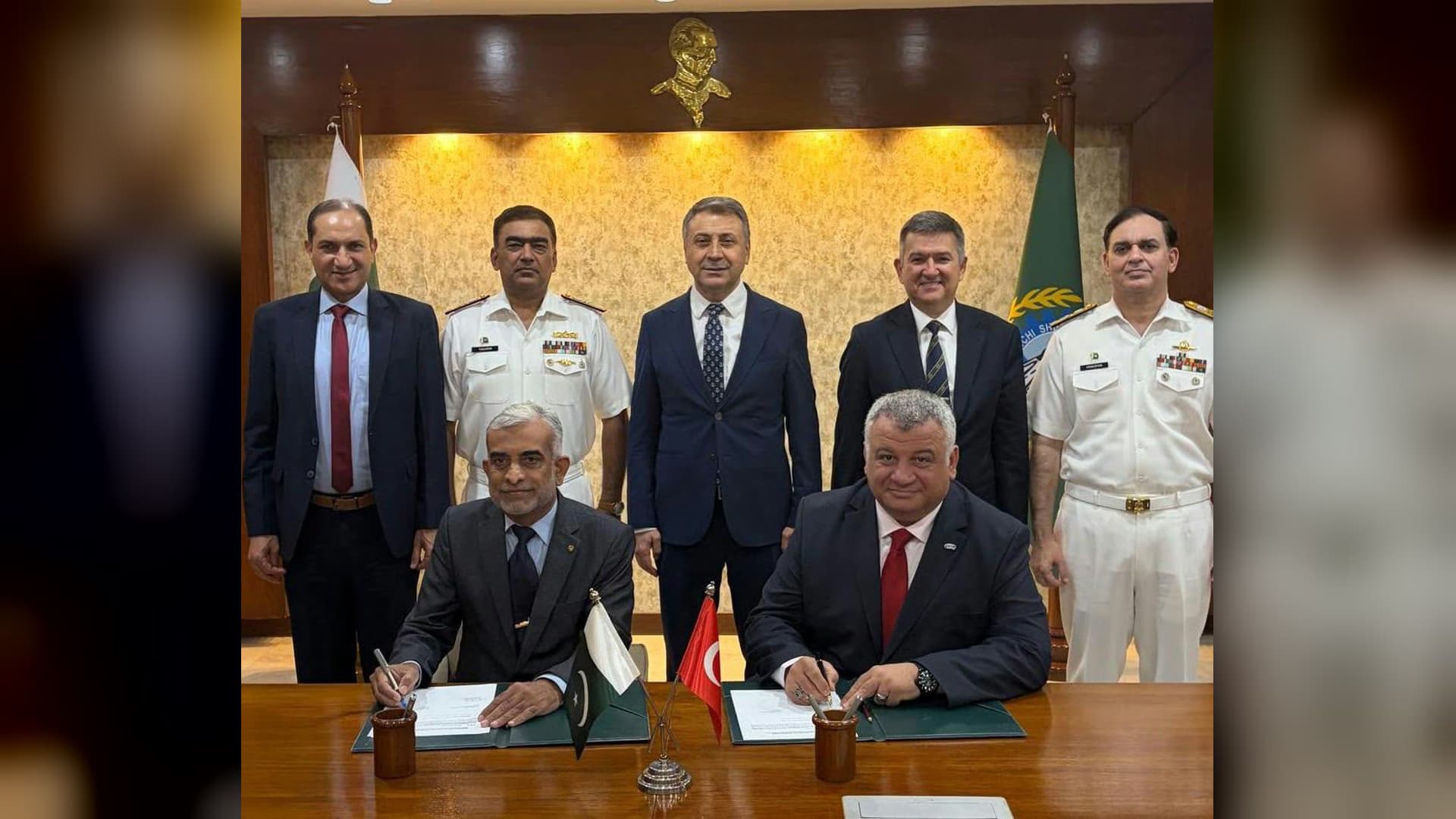
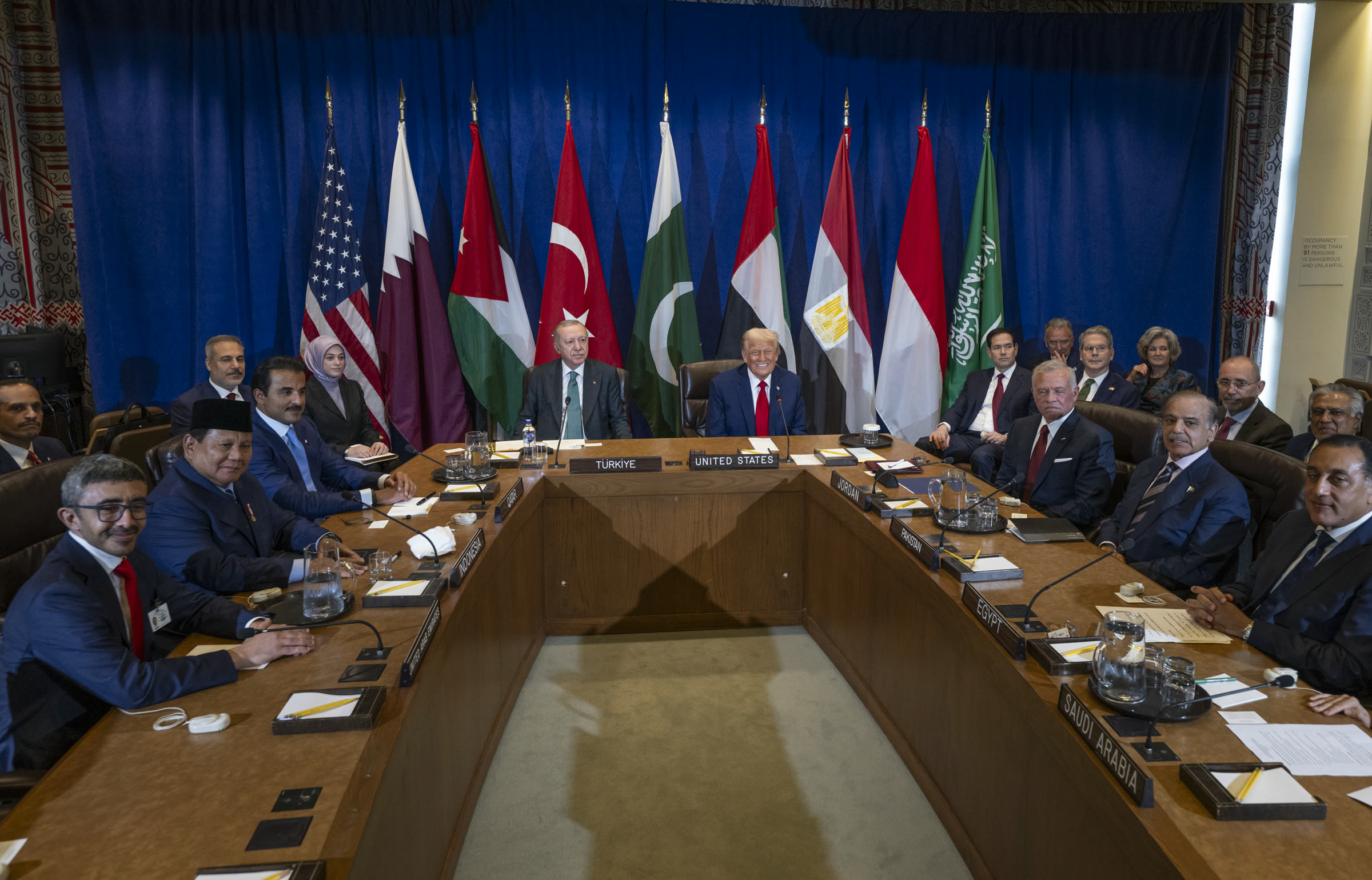
The statement welcomed the memorandum of understanding signed by Qatar, Türkiye, Pakistan and Indonesia as a step toward meeting defense requirements and expanding cooperation in production and the development of defense-industry infrastructure.
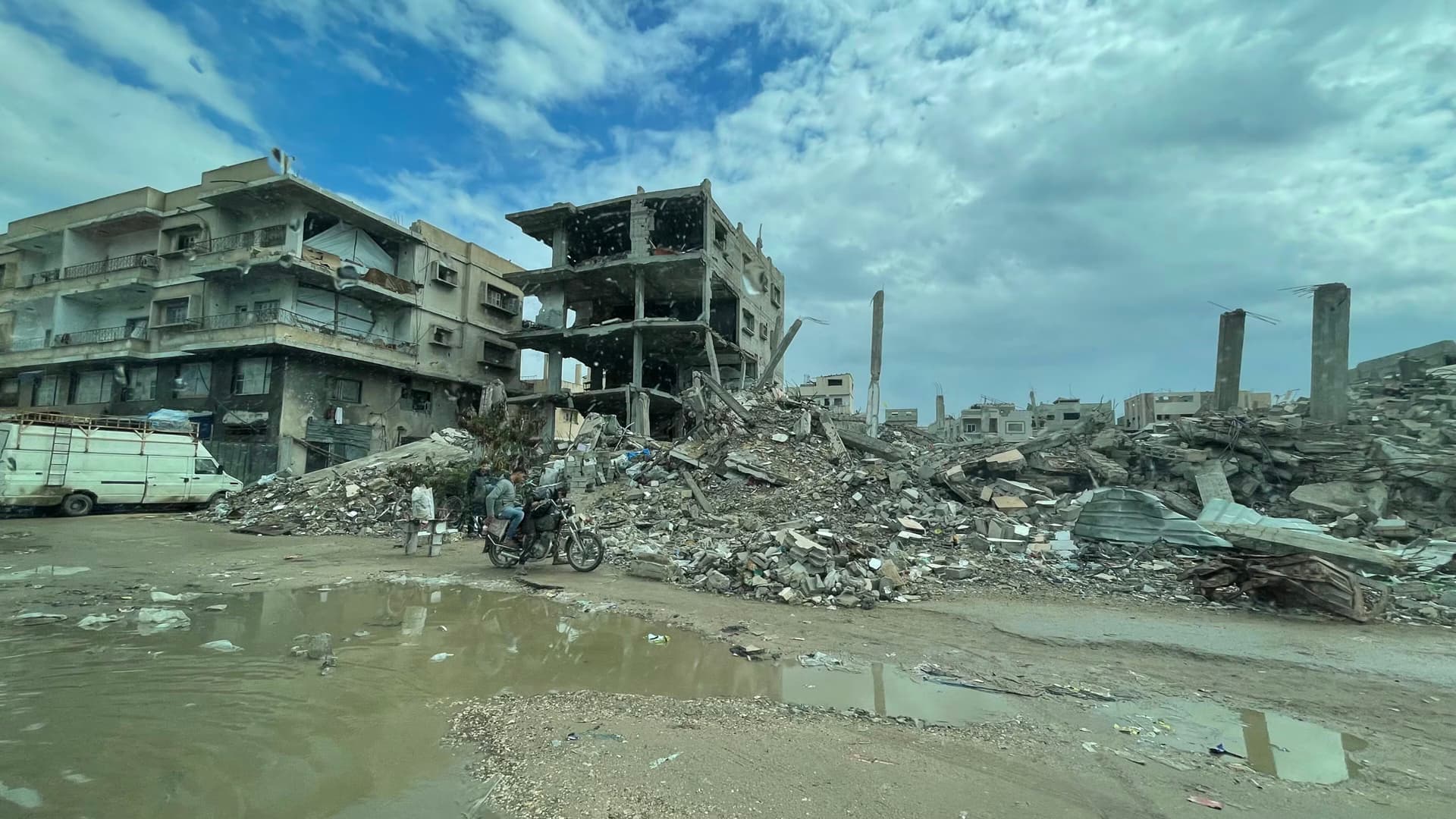
On the Palestinian issue, the two countries expressed concern over Israel’s ongoing violations in the Gaza Strip, saying they undermine implementation of the comprehensive plan to end the conflict. They called on Israel to honor all its commitments under the ceasefire agreement and international law. They agreed to coordinate support for Gaza’s reconstruction, increase humanitarian assistance and ensure that it reaches the territory fully, safely and without obstruction. They also condemned settlement construction, settler violence, land confiscation and forced displacement in the West Bank, and rejected Israeli measures aimed at undermining the work of UNRWA.
On Lebanon, the two countries condemned Israel’s ongoing violations and called for Israel’s withdrawal and implementation of United Nations Security Council Resolution 1701. They affirmed their support for the Syrian government’s efforts to restore stability and strengthen state institutions. They stressed the need to resolve the conflict between the United States and Iran and its regional repercussions through diplomacy, while respecting the sovereignty and territorial integrity of the countries in the region and protecting civilians and civilian infrastructure.
The statement rejected any measures that obstruct legitimate navigation and called for the rapid and safe resumption of traffic through the Strait of Hormuz. On Yemen, the two countries stressed Yemen’s unity and sovereignty and expressed support for its internationally recognized government. They condemned Houthi attacks on Saudi Arabia, called for their immediate cessation and urged a return to the political process in good faith.
Stay Updated with Hilal Times
Subscribe to be informed about special news, developments and announcements. We will keep you informed.
By signing up, you agree to our Privacy Policy