A US official involved in peace talks with Iran announced that Vice President JD Vance made 'great progress' in the Switzerland talks.
The official dismissed claims, which he said originated from Iranian state media, that the Qatari prime minister rejected Vance, calling them 'foreign propaganda'.
Statement after the talks
Speaking to Fox News Digital, the US official said Vance and the US delegation left Switzerland 'having made great progress and held historic talks'.
The official said, 'Those who repeat foreign propaganda serve no one but malicious actors seeking to obstruct the talks.'
Qatari prime minister's statement
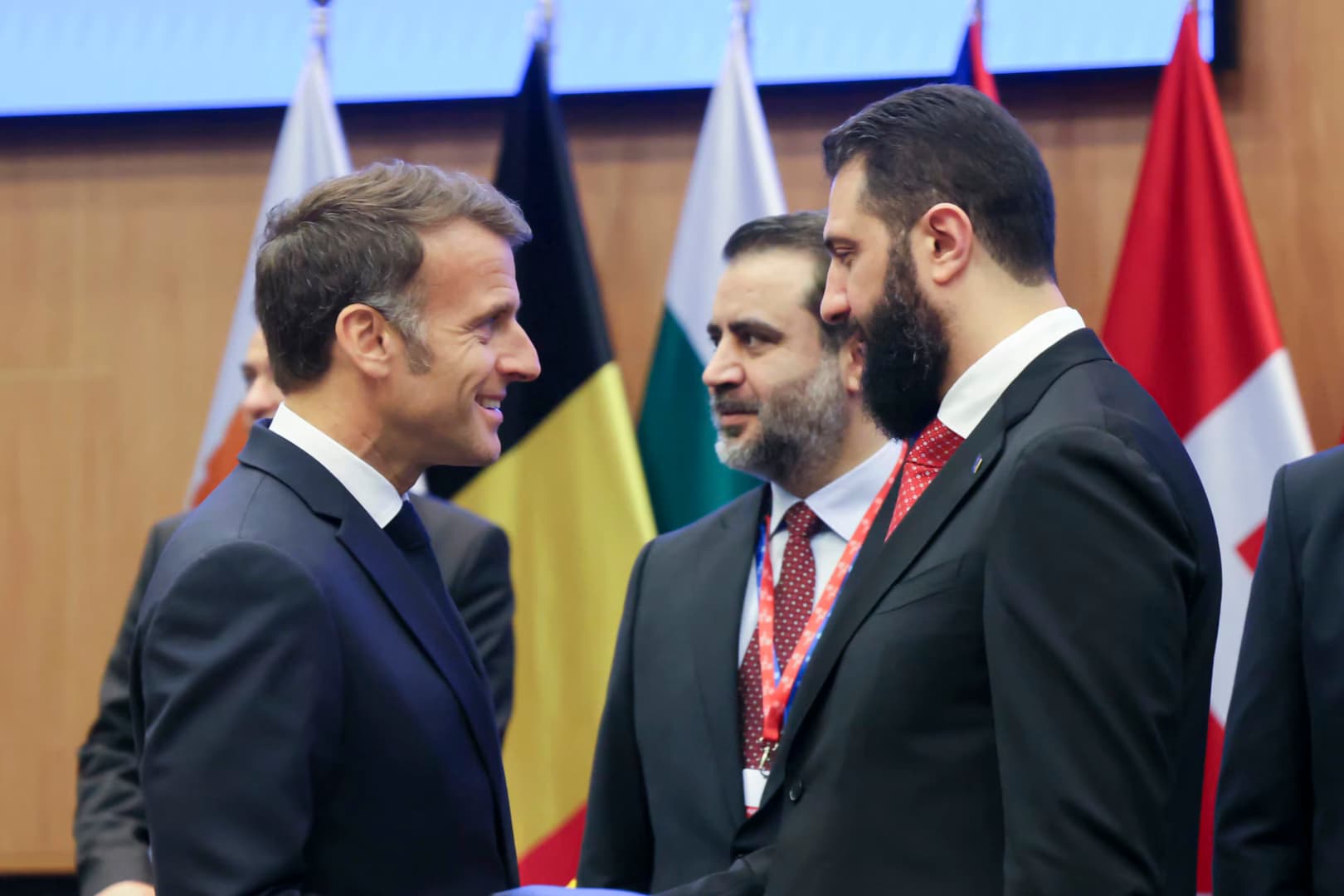
Qatari Prime Minister and chief negotiator Sheikh Mohammed bin Abdulrahman Al Thani told Al Jazeera that he did not reject Vance.
Al Thani said he spent hours with Vance and had not yet greeted Pakistani Prime Minister Shehbaz Sharif. He said the media misrepresented the encounter and 'blew the issue out of proportion'.
Content of the talks
Vance announced that Iran agreed to readmit International Atomic Energy Agency (IAEA) nuclear inspectors to the country.
The vice president proposed using Iran's blocked assets to purchase US agricultural products and established a conflict prevention mechanism to maintain ceasefire stability.
Reactions and criticism in the US
Criticism of Vance's handling of the talks appeared in the media. Some critics claimed that Vance surrendered to Iran and that Iran gained more from the peace deal than the US.
A Fox News Digital investigation revealed that a network of pro-communist groups, funded by American-born technology tycoon Neville Roy Singham living in China and supporting the Chinese Communist Party and its allies like Iran, was behind most of the protests.
In April, nonprofits in Singham's network mobilized to protest President Donald Trump's 'criminal war'.
Vance's previous efforts
Vance's visit to Switzerland was his second attempt to end the conflict. In April, he traveled to Islamabad, Pakistan, with Special Envoy Steve Witkoff and Special Peace Envoy Jared Kushner to negotiate peace.
Those talks failed and Vance returned home, but he remained a key figure in finalizing the ceasefire.
Vance's involvement in the negotiations led to increased activity among bettors on him winning the presidency in 2028.