As the 2026 World Cup approaches, US visa and entry policies have sparked controversy for football players, referees, and officials coming to the tournament. It has been reported that visas for some individuals from various countries were delayed, while others were denied entry into the country.
The most recent case involves Somali referee Omar Artan, who was expected to officiate matches at the World Cup. Despite having a valid US visa and the necessary documents, Artan was reportedly denied entry and sent back.
Omar Artan Turned Away at the Border
34-year-old Artan was set to become the first Somali referee to officiate a World Cup match. However, upon arrival at Miami Airport, he was denied entry and sent back to Istanbul.
The US Department of Homeland Security stated that Artan was inadmissible due to "inspection concerns." Artan was listed among FIFA's World Cup referees.
This incident also brought renewed attention to the US's harsh rhetoric towards Somalia and the Somali community. Former President Donald Trump's past derogatory remarks about Somalia and the country's inclusion on the US travel ban list have added a political dimension to the debate.
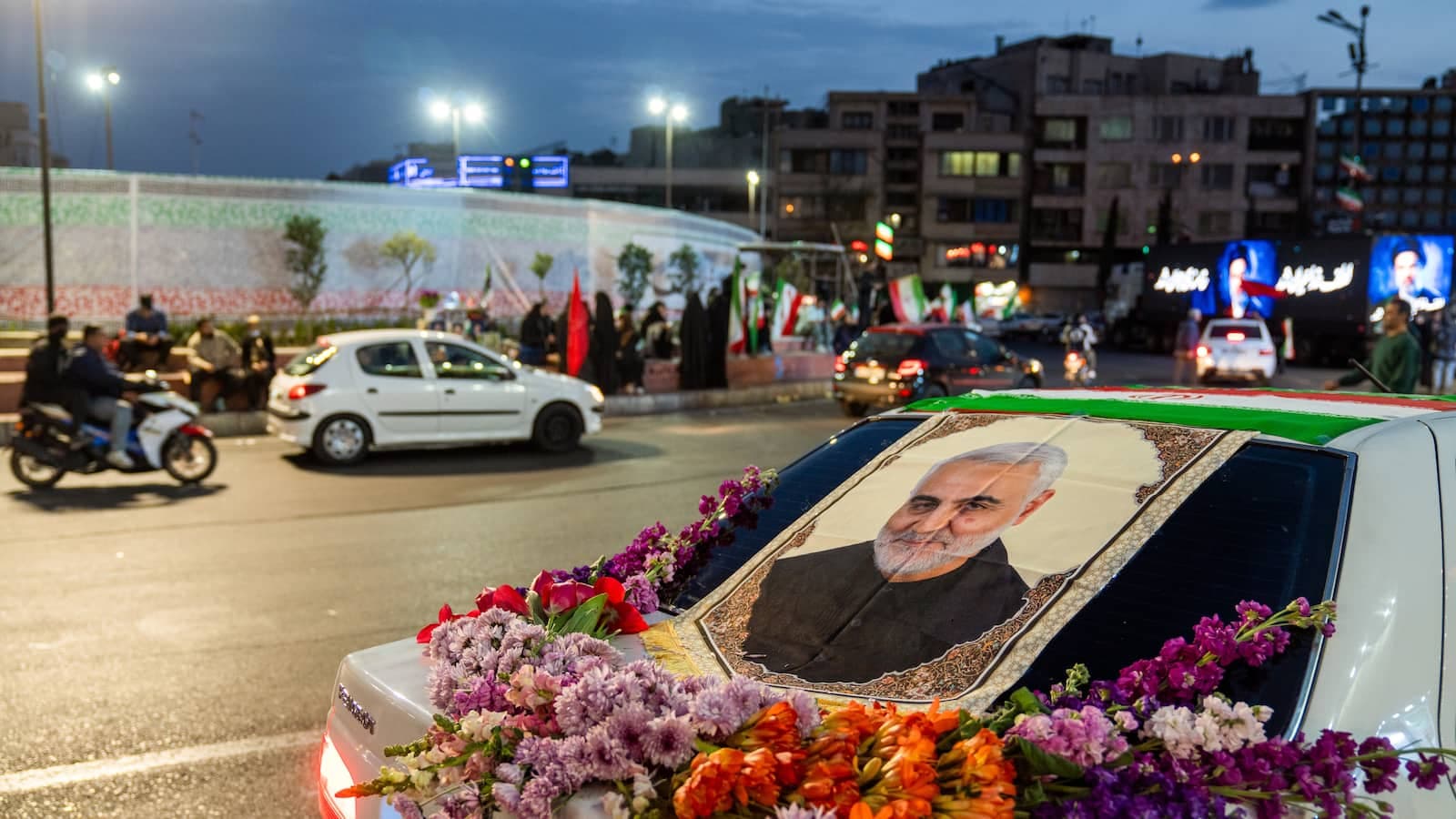
Visa Delays for Iranian Team
The visa process for the Iranian football team also faced difficulties ahead of the World Cup. The US granted visas to all players last week; however, some support staff members had their visas denied.
The Iranian Football Federation reported that key administrative and managerial personnel were among those rejected. The team will stay in Tijuana, a Mexican border city, throughout the tournament instead of Arizona, although all their group stage matches will be played on the US West Coast.
The US Department of Homeland Security announced that the Iranian team could enter the country one day before each match. Nevertheless, reports that Iran would have to enter and exit the US on the same day raised concerns about potential logistical challenges.
Impacts on Iraqi Forward and Haitian Player
Iraqi forward Aymen Hussein was detained for about seven hours at Chicago’s O’Hare Airport and was allowed entry only after his phone was examined. Hussein criticized the US's attitude towards foreigners following his experience.
Talal Salah, the Iraqi national team’s photographer, was held for over 10 hours, underwent similar phone checks, and was ultimately denied entry.
Woodensky Pierre from the Haiti National Team received a late visa. Pierre trained with local players in the capital Port-au-Prince until his visa was approved and missed a preparatory match due to the delay. Haitian Football Federation officials said the visa approval was a great relief for him.
Swiss Player’s Case Also Reviewed
Swiss forward Breel Embolo’s travel was also disrupted due to a mark on his visa file. His case was reviewed at the US Embassy in Bern because of a past conviction linked to a 2018 incident in Basel, but he was eventually allowed entry.
FIFA’s 2017 hosting regulations state that visa procedures should be applied without discrimination but must not compromise national immigration and security standards. However, recent developments before the tournament have prompted a reexamination of this balance.
International sports law expert Khayran Noor emphasized that major sports events are not only about security and logistics but also about inclusivity and access. United Nations High Commissioner for Human Rights Volker Turk stated that US immigration policies should not affect the tournament.
FIFA President Gianni Infantino stressed that government decisions cannot be overridden. Infantino said FIFA acts as a sports organization and will not interfere with US entry approvals.