- BIST10010,743-2.03%
- USD50.64+0.03%
- EUR55.40+0.14%
- GOLD3,594.00+0.82%
- INTEREST36.00%-1.00
- BITCOIN60,462+0.14%
- November 26, 202610°
- BIST10010,743-2.03%
- USD50.64+0.03%
- EUR55.40+0.14%
- GOLD3,594.00+0.82%
- INTEREST36.00%-1.00
- BITCOIN60,462+0.14%
- November 26, 202610°
Araghchi urges end to US blockade amid reports of possible new Iran strike
Iranian Foreign Minister Abbas Araghchi said Tehran was making every effort to resume oil exports, as CBS News reported that Washington and Tel Aviv were considering a new attack on Iran soon, while Trump had not made up his mind.
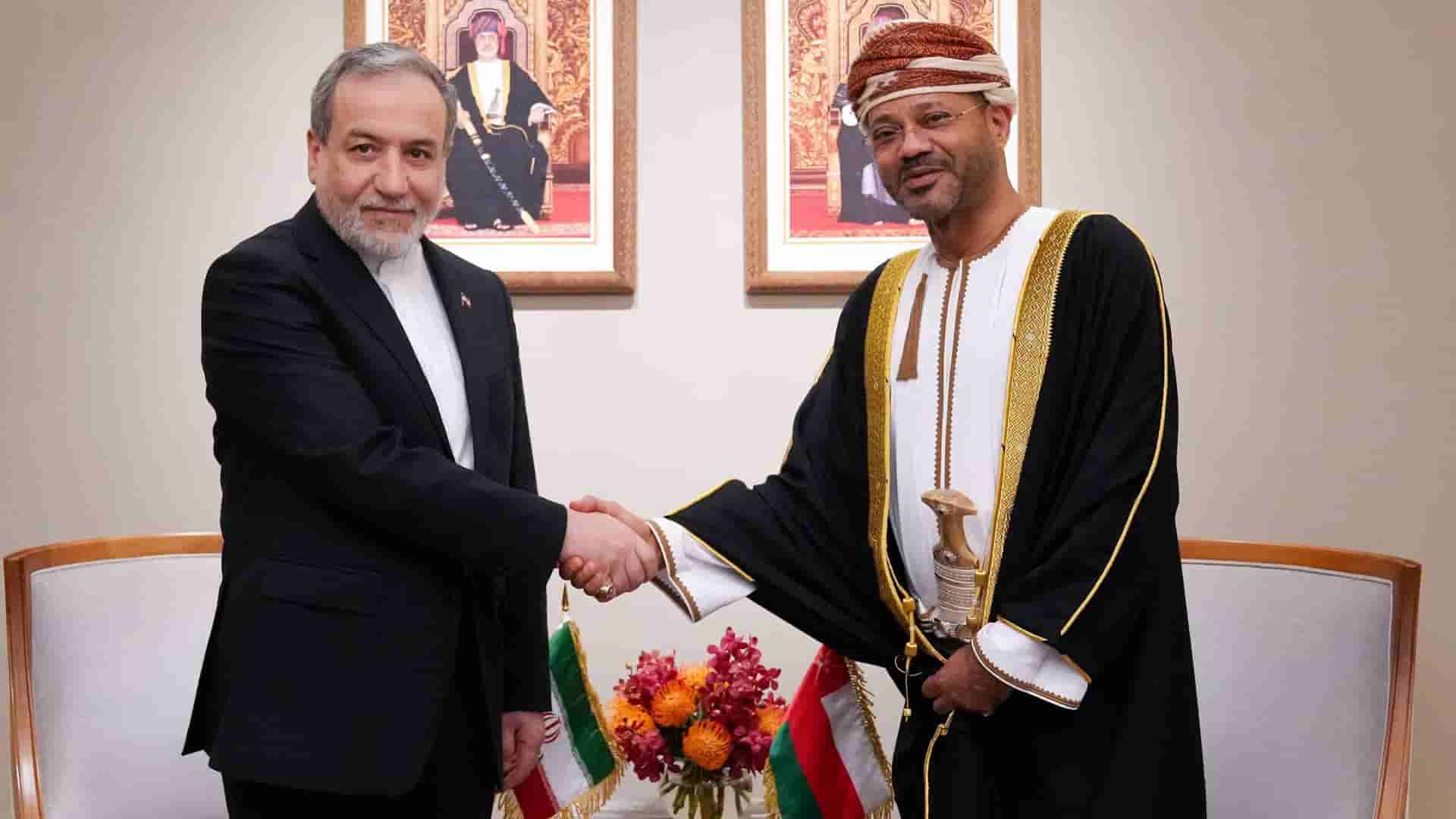
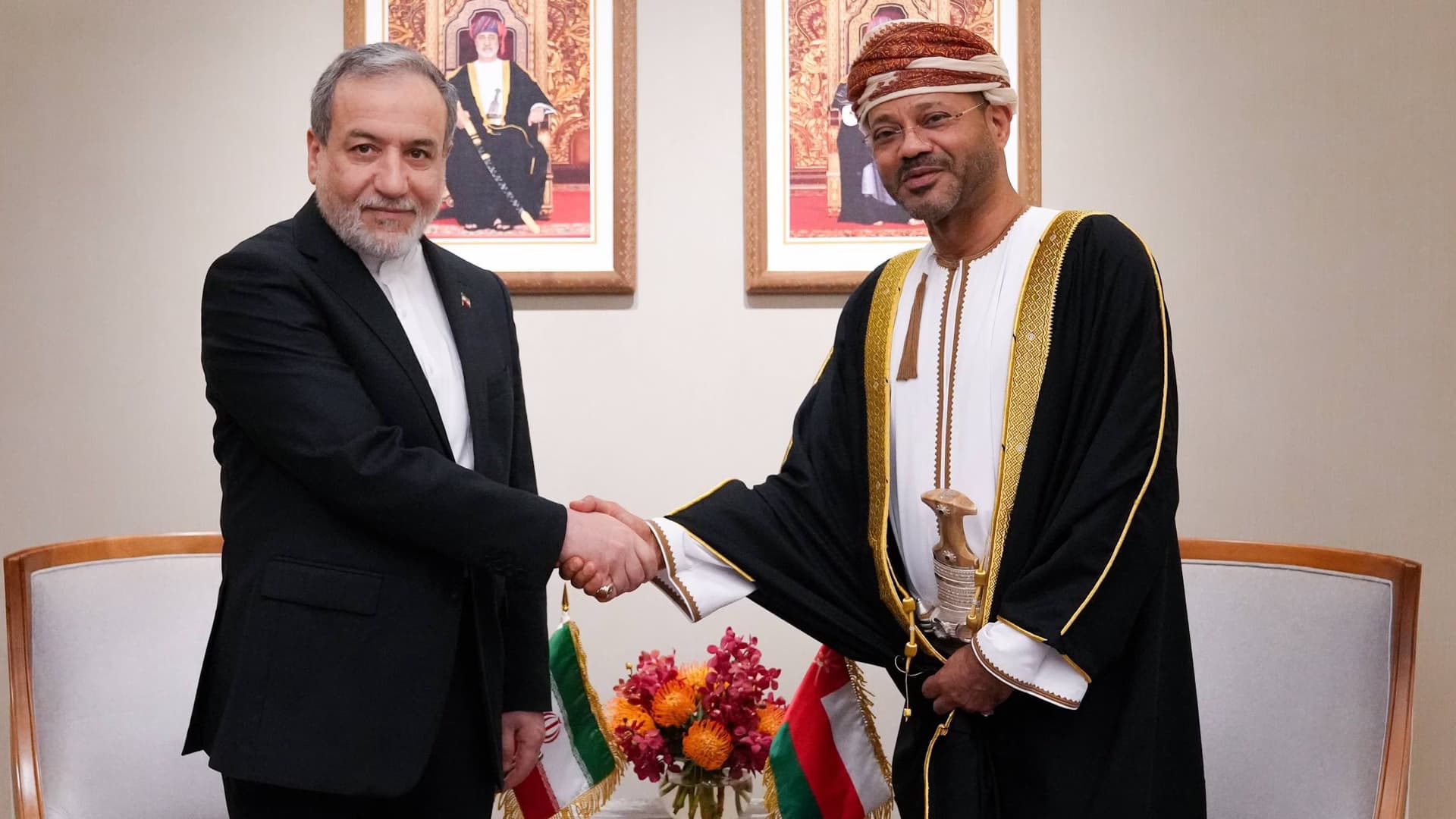
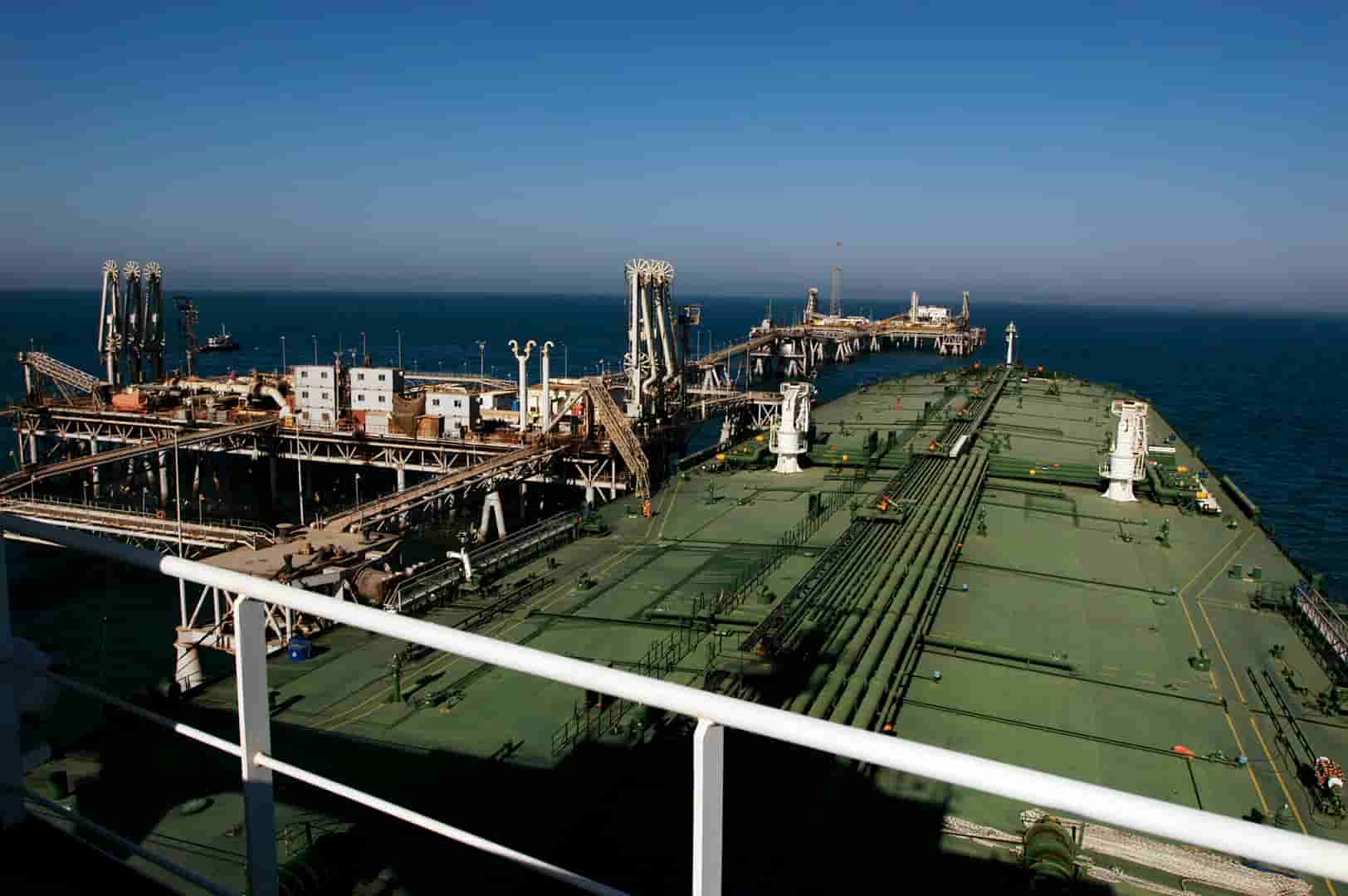
Iranian Foreign Minister Abbas Araghchi stressed on Friday the need to break the maritime blockade that the United States has imposed on his country for months, disrupting most of its oil exports.
Speaking to journalists at an exhibition in Tehran, Araghchi was asked about reports that Iran was preparing to challenge the blockade with a convoy of oil tankers. He replied: "We are making every effort regarding oil exports and negotiations, and the blockade must be broken." Prominent Iranian lawmaker Ibrahim Azizi also said: "Iran cannot be besieged."
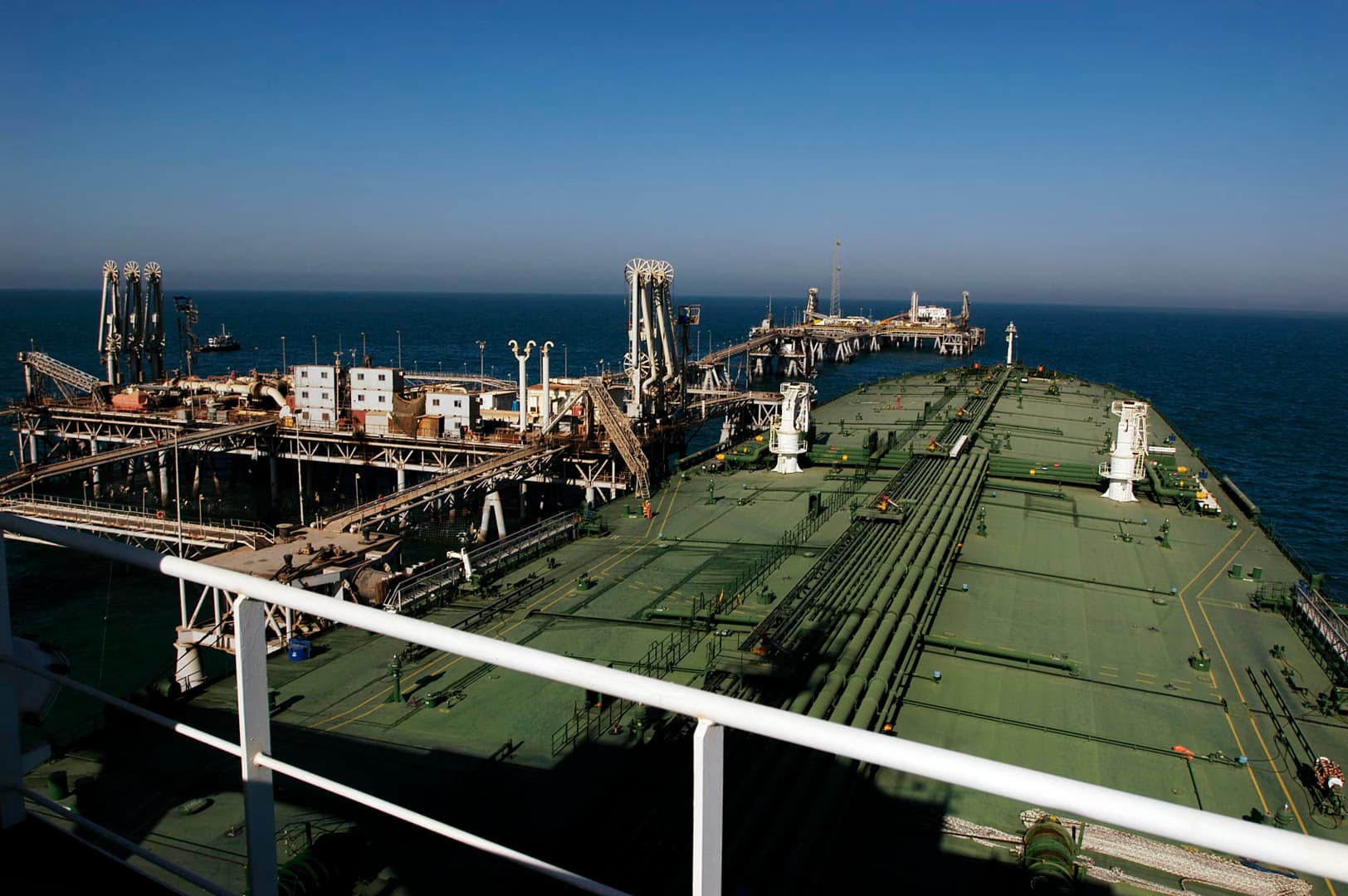
Tehran closed the Strait of Hormuz on March 2 after the war launched against it by the United States and Israel in late February. Washington responded by imposing a maritime blockade on Iranian ports and vessels starting April 13. Iran refuses to discuss its nuclear program unless the blockade is lifted, while months of indirect negotiations have failed to produce an agreement to reopen the strait.
US report on a new attack
Meanwhile, CBS News cited informed sources as saying that the United States and Israel were considering launching a new attack on Iran in the near term. The report said Benjamin Netanyahu's government preferred a joint operation with Washington, while it remained unclear whether President Donald Trump wanted to order new military action.
The network said Israel's concern focused on how quickly Iran could rebuild its capacity to manufacture ballistic missiles and move its military and nuclear facilities underground. It added that US forces in the region, including two aircraft carrier strike groups, could carry out an attack within two to four days of receiving the order.
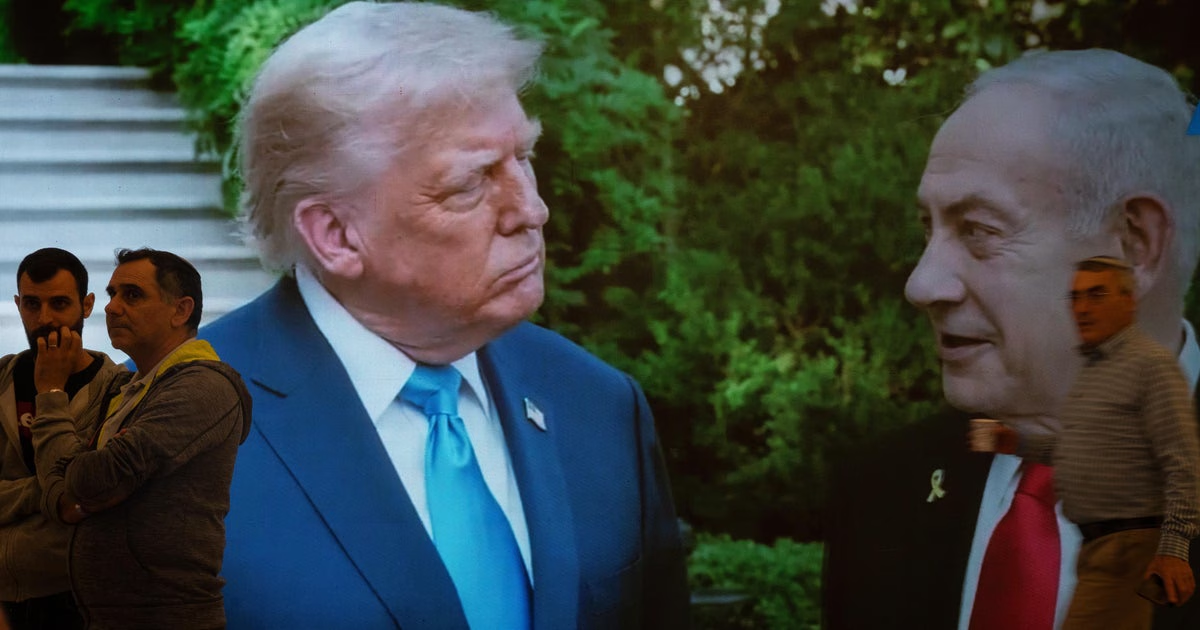
Trump: I am not rushing the decision
Trump told Israel's Channel 12 on Thursday that he was "not rushing any decision," adding: "We will see what happens after the beginning of the year." Iran's Foreign Ministry rejected Trump's accusations that Tehran was seeking chemical or biological weapons. Its spokesperson, Ismail Baghaei, compared the accusations with US claims about Iraqi weapons of mass destruction before the 2003 invasion.
Stay Updated with Hilal Times
Subscribe to be informed about special news, developments and announcements. We will keep you informed.
By signing up, you agree to our Privacy Policy