- BIST10010,743-2.03%
- USD50.64+0.03%
- EUR55.40+0.14%
- GOLD3,594.00+0.82%
- INTEREST36.00%-1.00
- BITCOIN60,462+0.14%
- November 26, 202610°
- BIST10010,743-2.03%
- USD50.64+0.03%
- EUR55.40+0.14%
- GOLD3,594.00+0.82%
- INTEREST36.00%-1.00
- BITCOIN60,462+0.14%
- November 26, 202610°
Netanyahu presses Trump for Iran strike as Zamir warns of attrition
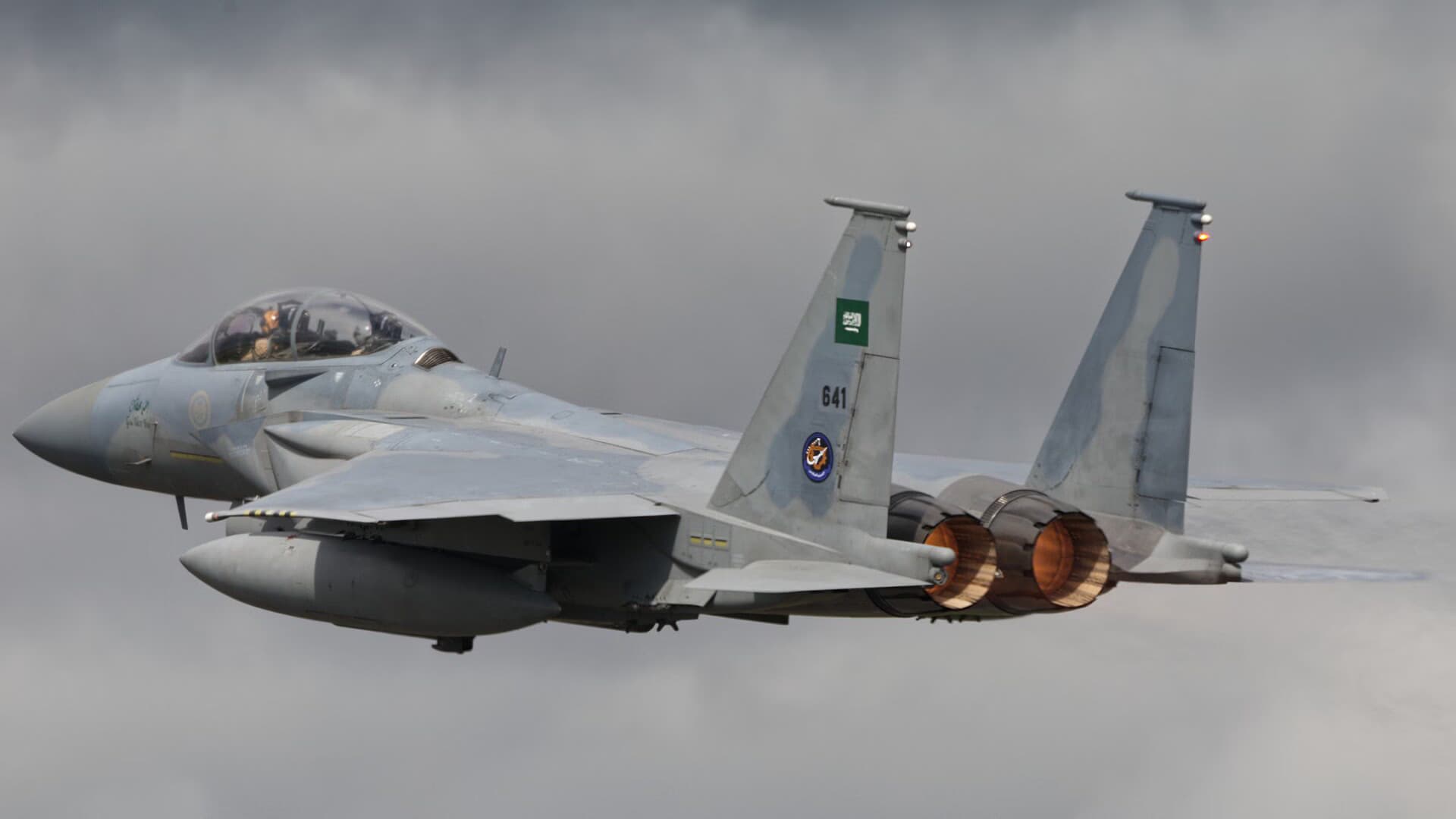
Israel’s Kan broadcaster said Netanyahu is pushing Washington toward a joint airstrike on Iran lasting four to seven days, while the Trump administration is proceeding cautiously because of Gulf countries’ objections, the risk of retaliation and rising oil prices.
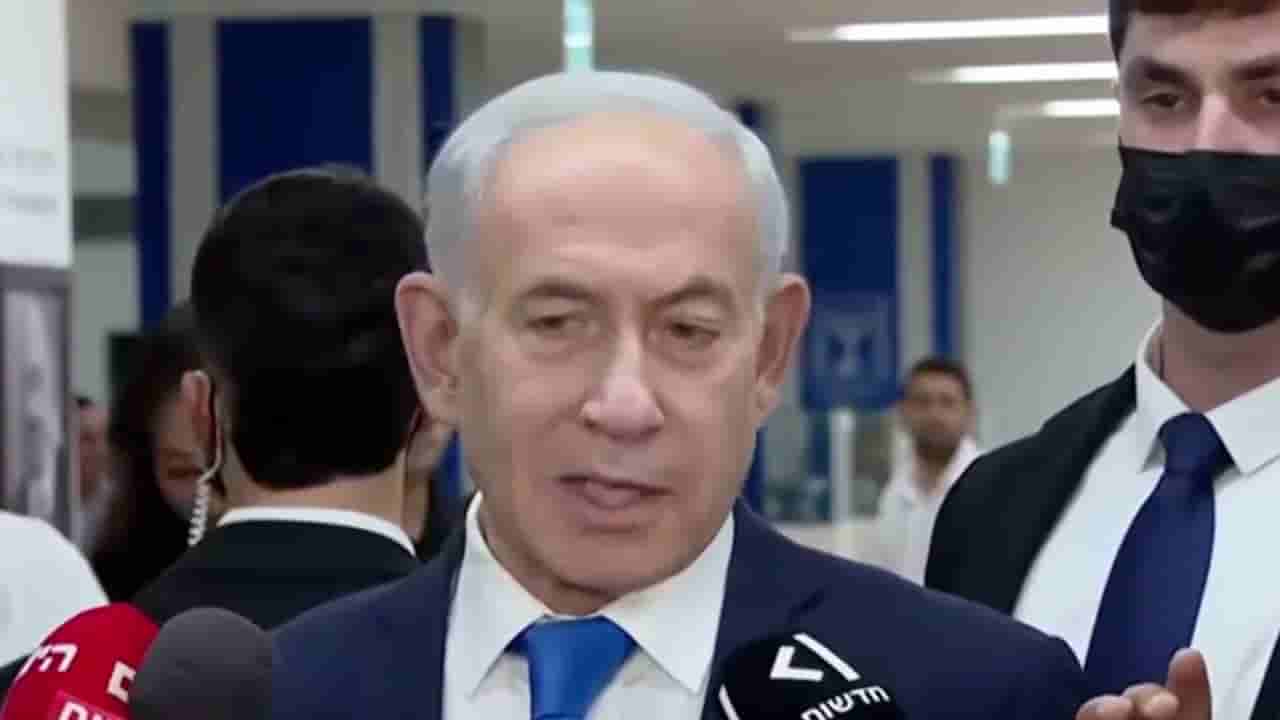
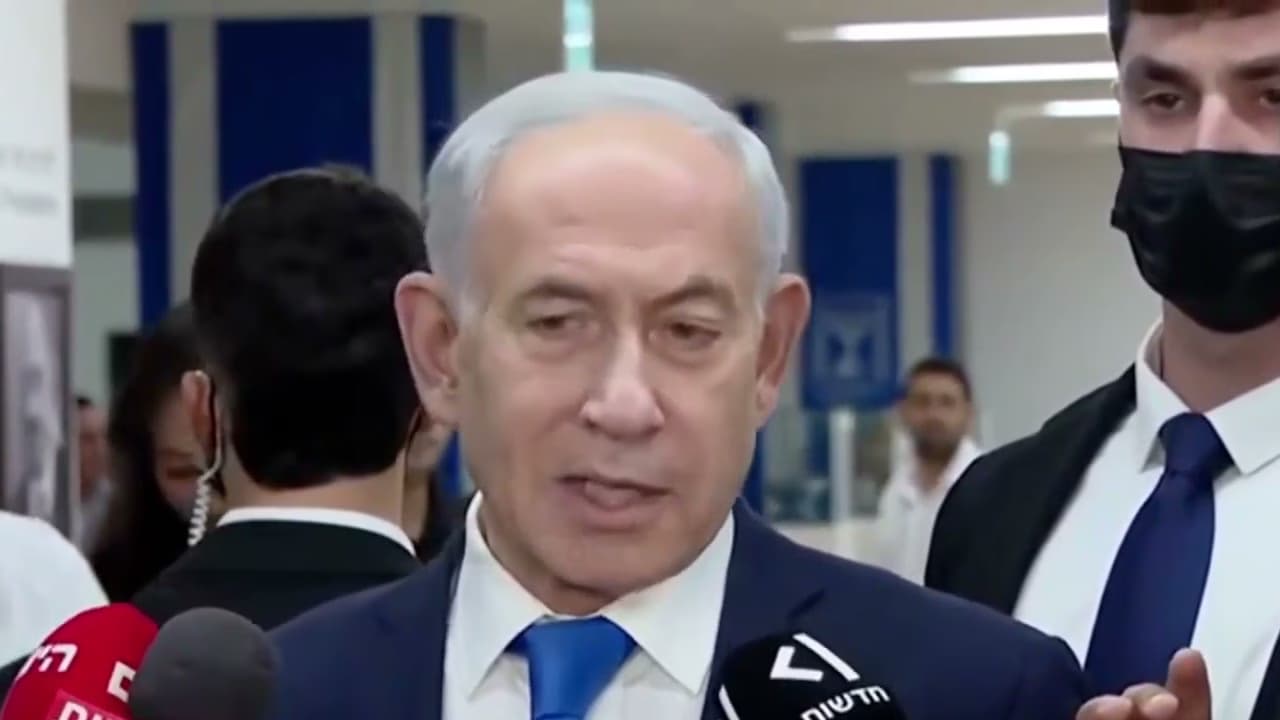
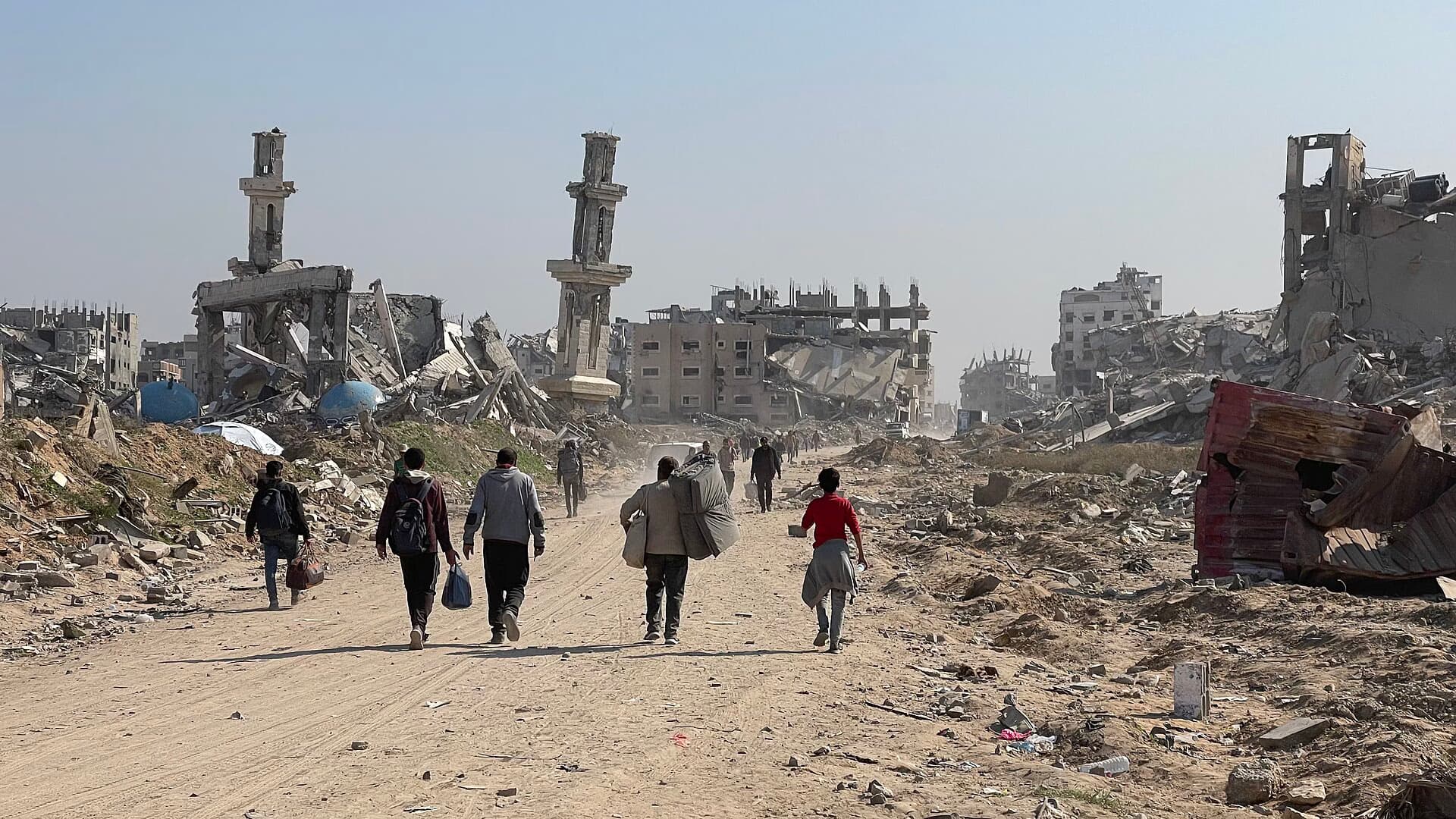
Israeli Prime Minister Benjamin Netanyahu continues to press U.S. President Donald Trump to carry out a new joint military operation against Iran, while Washington is cautious about making a decision because of Gulf countries’ objections, the risk of an Iranian response and rising oil prices.
Israel’s public broadcaster Kan said Netanyahu was pushing for a joint airstrike lasting between four and seven days, fearing that the United States could reduce its military presence in the region before the end of the year. It added that Netanyahu, who is seeking to block opposition leader Gadi Eisenkot’s efforts to form a government, insists on resuming the strikes.
Dispute with military leadership
However, the reports described disagreements between the government and Israel’s military leadership over the timing and objectives of the attack. Kan quoted a senior Israeli official as saying that the attack backed by Netanyahu would damage Iran’s military capabilities “but would not lead to the fall of the regime.” The reports said Chief of Staff Eyal Zamir stressed that no action should be taken without full coordination with the United States, warning against being drawn into a prolonged war of attrition.
Maariv, meanwhile, quoted military sources as saying that Iran would not be caught off guard this time as it was during the previous U.S. and Israeli attacks, and that the first strike could come from Tehran itself.
Netanyahu said in remarks delivered at the Knesset on the evening of November 17 that the threats facing Israel today were “no less dangerous” than those on the eve of the 1967 war, and were “greater” in some respects.
Secret protocol before any strike
The reports said the Israeli military and Home Front Command had prepared a special protocol to maintain secrecy before any possible U.S. attack. Under it, the public would not be notified in advance, and notification would be limited to a small number of officials in vital sectors such as civil aviation and energy. The operation would be announced through the media after the first wave of strikes had ended.
Trump, meanwhile, recently said he would “not rush” to make any decision regarding Iran, adding: “We will see what happens after the New Year.”
Stay Updated with Hilal Times
Subscribe to be informed about special news, developments and announcements. We will keep you informed.
By signing up, you agree to our Privacy Policy