- BIST10011,661-1.54%
- USD50.39+0.22%
- EUR55.50-0.19%
- GOLD3,863.20+0.26%
- INTEREST36.00%-1.00
- BITCOIN63,814-1.57%
- November 17, 202615°
- BIST10011,661-1.54%
- USD50.39+0.22%
- EUR55.50-0.19%
- GOLD3,863.20+0.26%
- INTEREST36.00%-1.00
- BITCOIN63,814-1.57%
- November 17, 202615°
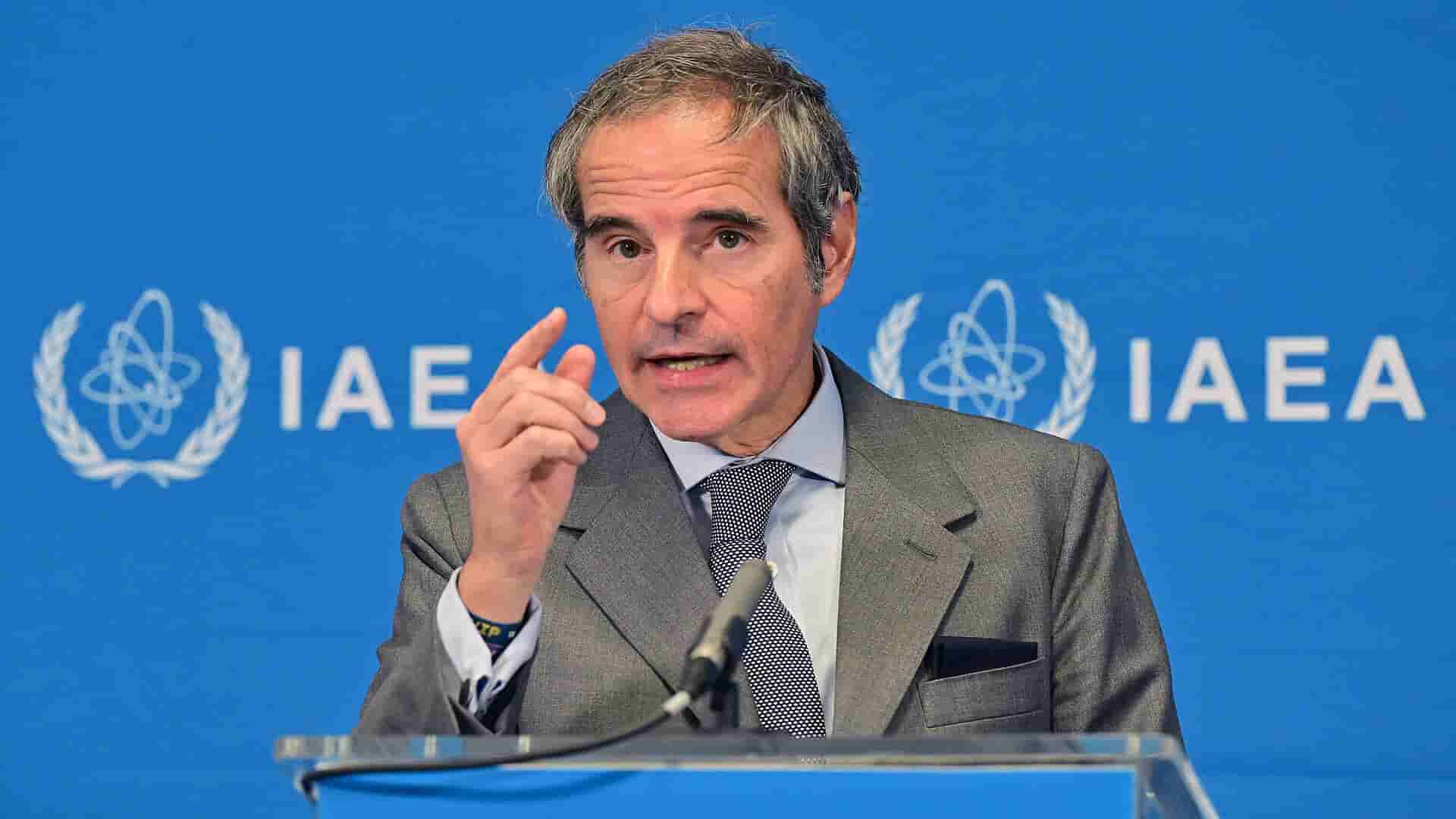
Baghaei says IAEA operates under Washington, European influence
Iranian Foreign Ministry spokesman Esmaeil Baghaei accused the agency of preparing one-sided reports on his country’s nuclear program, stressing that Tehran would remain committed to the Non-Proliferation Treaty as long as it remains a party to it. He said China and Russia know Iran’s position ahead of their meeting with Trump.
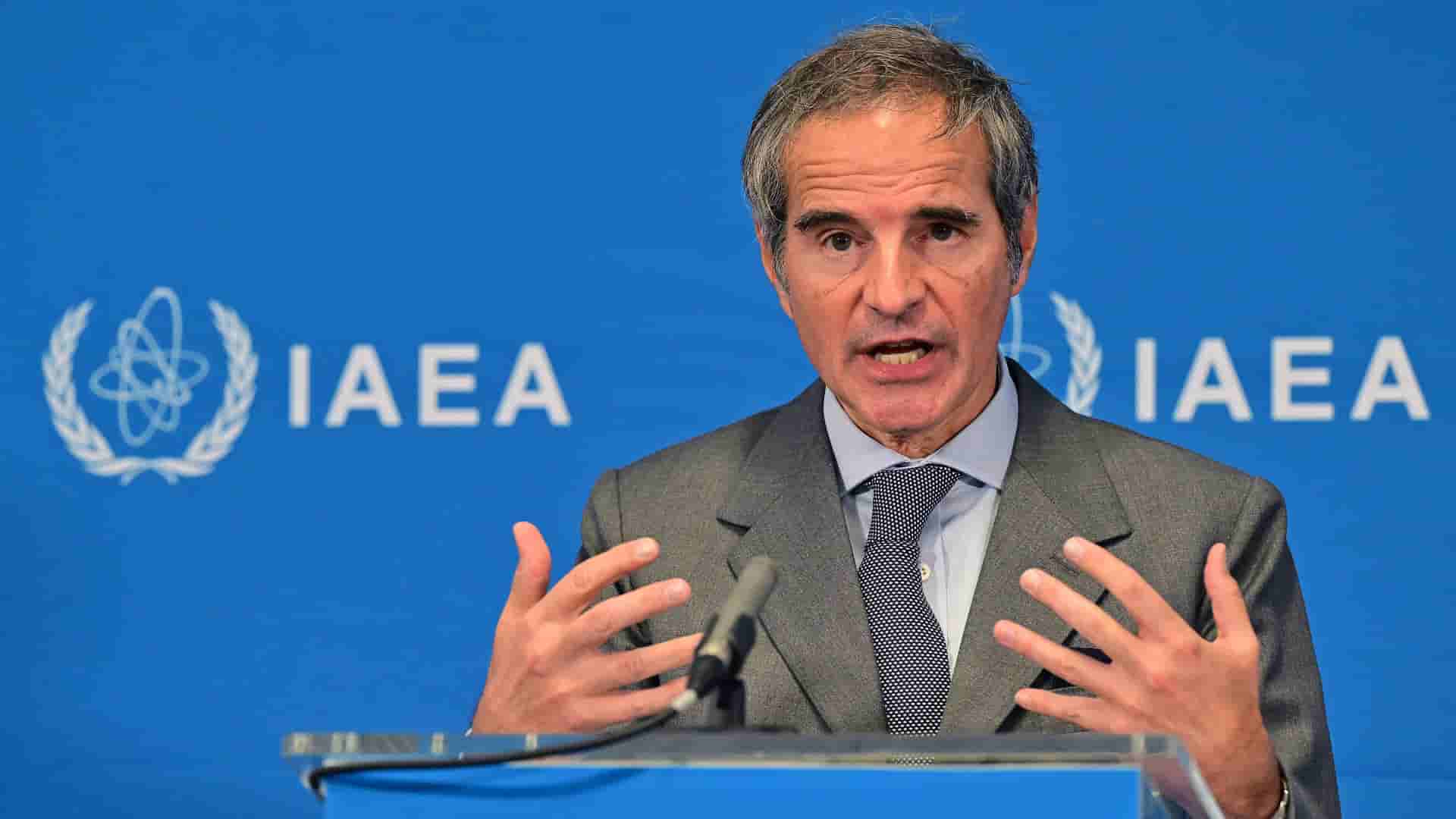
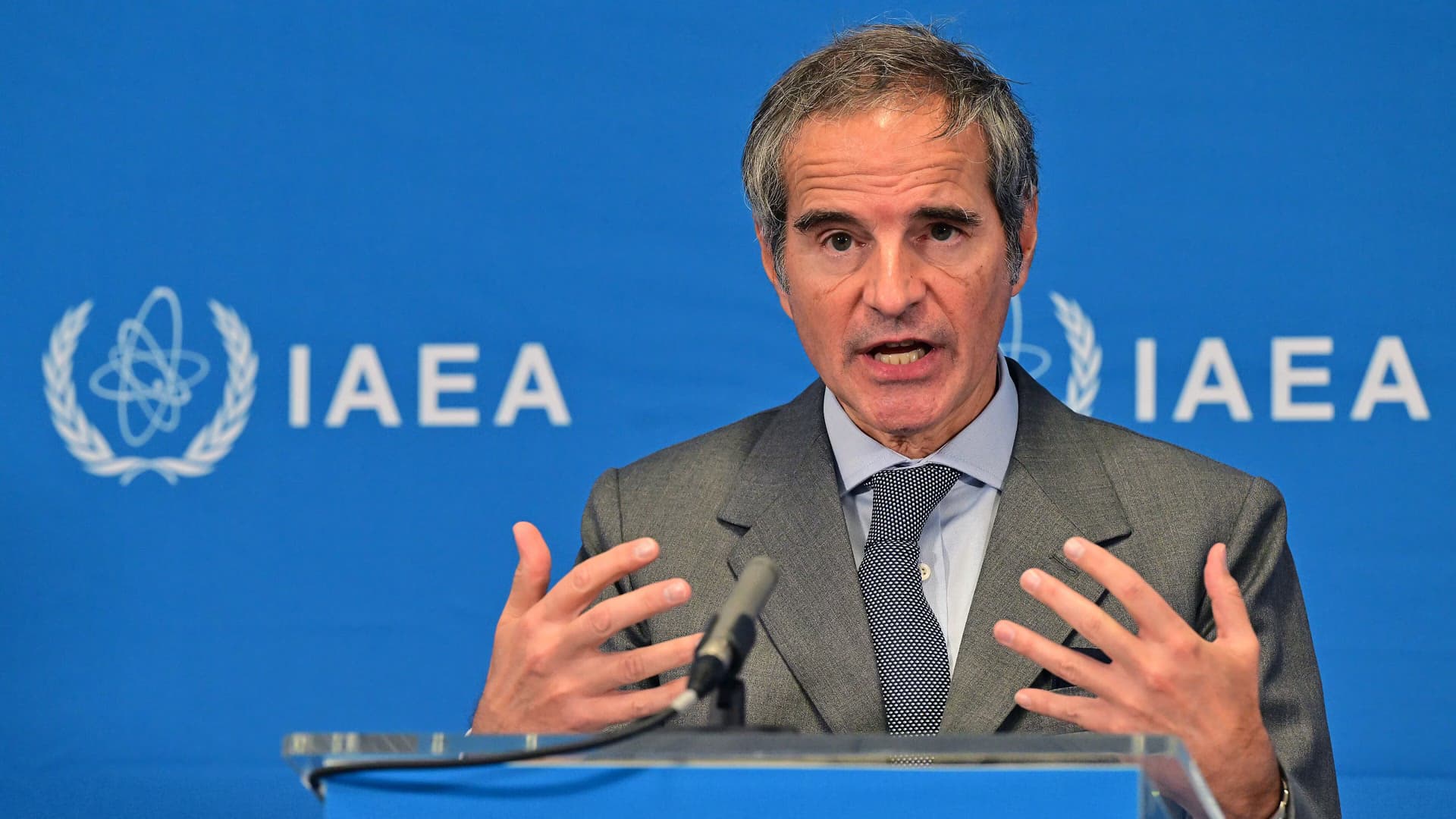
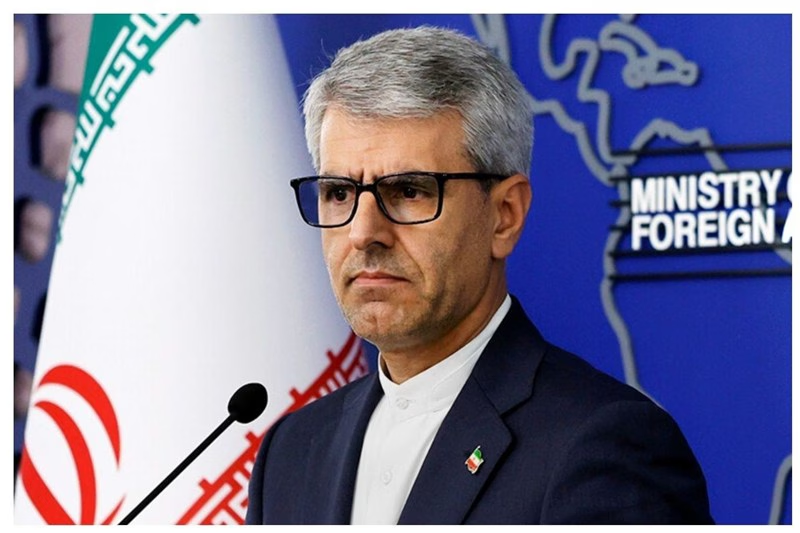
Iranian Foreign Ministry spokesman Esmaeil Baghaei accused the International Atomic Energy Agency of operating under the influence of the United States and some European countries and preparing one-sided reports on Iran’s nuclear program during his weekly news conference in Tehran on Sunday.
Baghaei said: “The agency is under the influence of the United States and some European countries and continues to prepare one-sided reports on Iran’s nuclear program. This approach will harm the agency’s credibility as an international body specializing in nuclear affairs.” He added that the agency “ignored the attacks on Iran’s nuclear facilities” and that “as long as this situation continues, no change in relations between Iran and the agency can be expected.”
The spokesman called on the agency to “decide whether it will be an independent technical institution or continue operating under the influence of the United States and some European countries.” He also criticized the leaking of agency reports to Western media before their official publication, describing it as a structural flaw in the institution’s work.
“We remain committed to the Non-Proliferation Treaty as long as we are party to it”
Baghaei noted that some within Iranian society are calling for withdrawal from the Treaty on the Non-Proliferation of Nuclear Weapons, stressing that the decision would be made by the relevant institutions. He said: “As long as we are parties to the treaty, we will remain committed to its provisions.”
He explained that his country had not suspended its safeguards obligations at its nuclear facilities, recalling that inspections had been conducted in recent weeks at the Bushehr facility under bilateral agreements with Russia and its safeguards obligations. Regarding the agency’s and the Group of Seven’s call for the inspectors to return, he said the issue could not be considered separately from the circumstances following the US and Israeli military attacks.
Responding to Germany and France’s call for Tehran to halt uranium enrichment, he said: “Iran’s right to enrichment is not a right granted to us by Germany, France or anyone else; it derives from our membership in the Non-Proliferation Treaty.”
China and Russia ahead of Trump’s meeting
Baghaei addressed US President Donald Trump’s expected visit to the Philippines and China next week and the trilateral meeting he will hold with Chinese President Xi Jinping and Russian President Vladimir Putin, stressing that his country remains in close contact with both countries. He said: “China and Russia know Iran’s position well. We have strategic partnerships with both countries, and they oppose the United States’ unilateral approach.”
Regarding claims of a Russian-Chinese proposal for direct negotiations between Tehran and Washington, he said whether the negotiations were direct or indirect had no meaning at the current stage. He considered the key issues to be seriousness and political will, adding that what mattered to Tehran was the conduct of the United States as a state, not the individuals involved.
Responding to a statement by the secretary-general of the Gulf Cooperation Council calling on Iran to pay compensation, Baghaei said Tehran was the party seeking compensation from countries in the region that, he said, had played a direct or indirect role in the attacks against it. He pointed to the use of US bases in some countries in the region.
Sources: Anadolu Agency, Tasnim, Sada El-Balad. Images: International Atomic Energy Agency (Wikimedia Commons, CC BY 4.0), Tasnim
Stay Updated with Hilal Times
Subscribe to be informed about special news, developments and announcements. We will keep you informed.
By signing up, you agree to our Privacy Policy