- BIST10011,843+1.51%
- USD50.28+0.05%
- EUR55.60-0.24%
- GOLD3,886.30+0.03%
- INTEREST36.00%-1.00
- BITCOIN64,031-0.14%
- November 15, 202612°
- BIST10011,843+1.51%
- USD50.28+0.05%
- EUR55.60-0.24%
- GOLD3,886.30+0.03%
- INTEREST36.00%-1.00
- BITCOIN64,031-0.14%
- November 15, 202612°
Iran tells IAEA no talks on resuming inspections amid US threats
Tehran told the International Atomic Energy Agency that talks on resuming inspections cannot move forward as long as the U.S. president continues to threaten new strikes, according to a confidential agency report. The agency expressed growing concern about a uranium enrichment facility in Isfahan that it has been unable to inspect.
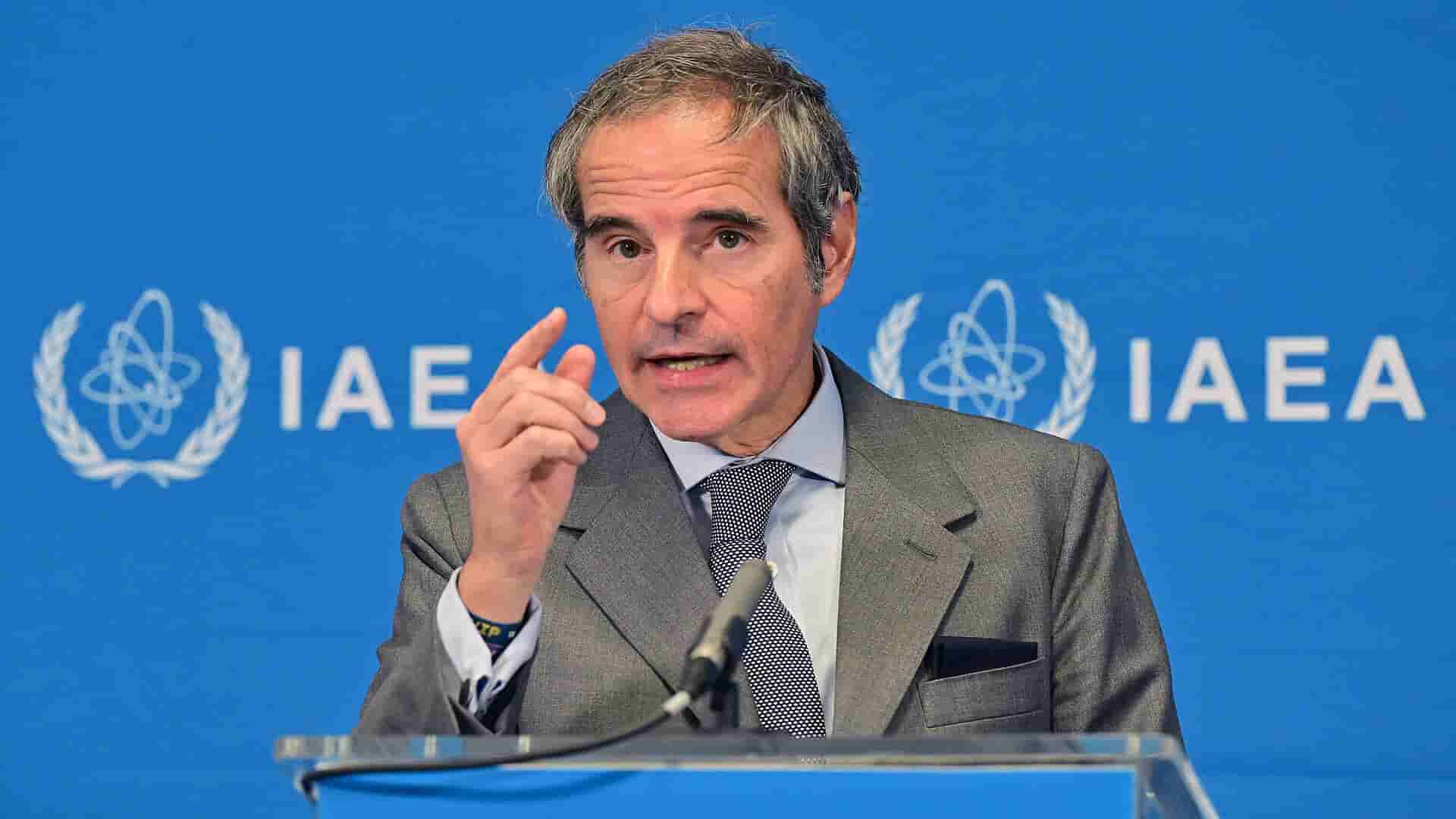
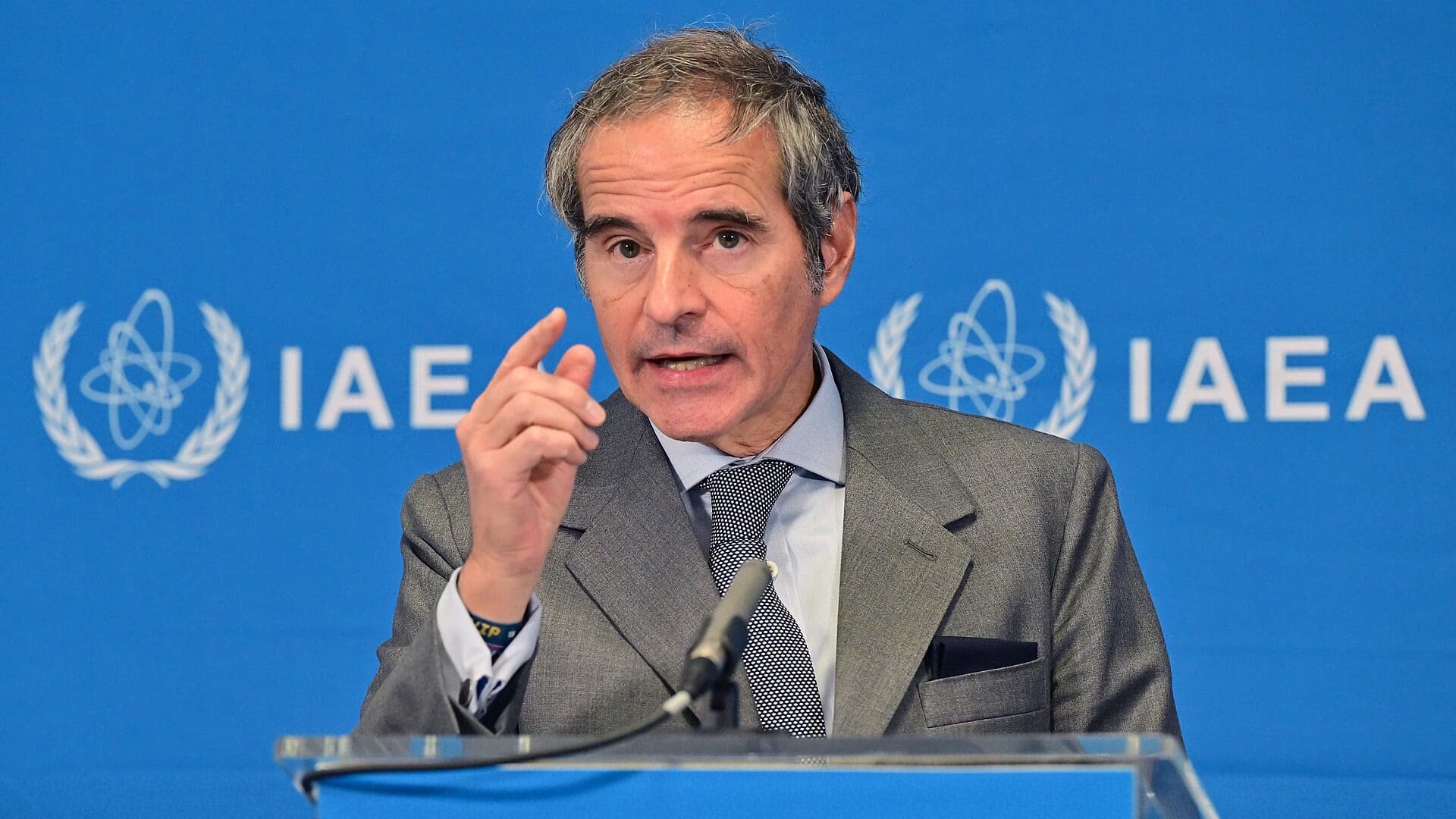
Iran told the International Atomic Energy Agency that talks on resuming inspections of its nuclear facilities cannot take place as long as U.S. military threats continue, according to a confidential agency report distributed to member states and cited by The Associated Press.
In its letter, Tehran referred to what it described as a “series of continuing, explicit and public threats” by U.S. President Donald Trump to launch new acts of armed aggression, particularly against its nuclear infrastructure. It said the situation would not be resolved until the “root causes” were addressed and the basic requirements for implementing safeguards were restored.
At the same time, Iran reaffirmed its “steadfast commitment” to fully resuming its safeguards obligations as soon as legal and practical conditions allow.
Agency says lack of information is a concern
The agency, meanwhile, said the lack of information about Iran’s nuclear facilities and materials was “a proliferation concern” that must be addressed “with the utmost urgency.” It said it was fully prepared to resume safeguards activities in Iran within a short period and urged Tehran to consider “technical and gradual measures” that would allow inspectors to return.

The agency also expressed “growing concern” about the Isfahan fuel-enrichment facility that Iran reported in June 2025, saying it did not know its exact location or whether it contained nuclear material. Inspectors had planned to visit the facility on the day Israeli and U.S. strikes on Iran began in June 2025, but the visit was canceled.
Since then, Tehran has not allowed inspectors to enter the facilities that came under attack, and the agency has been unable to verify the status of the highly enriched uranium stockpile, which it estimates at 440.9 kilograms of uranium enriched to 60%. The Bushehr nuclear power plant remains the only facility the agency has inspected since then, with its most recent inspection taking place from September 12 to 15.
Concern over $20 million reward
Iran also told the agency that it was concerned about a U.S. offer of a reward of up to $20 million for information about its nuclear program. It stressed the need to protect the confidentiality of the agency’s activities and prevent information related to its program from being disclosed, misused or exploited.
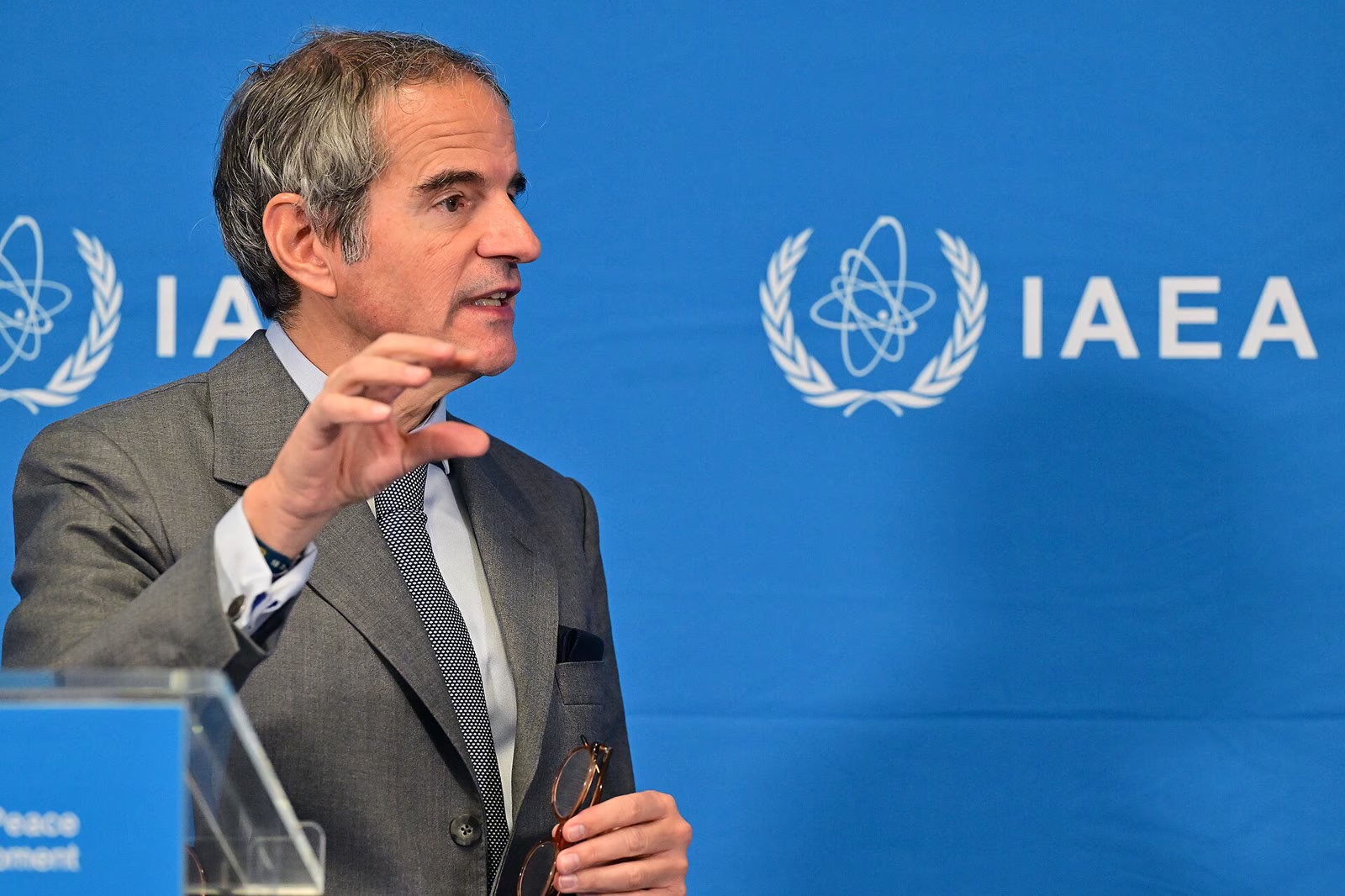
IAEA Director General Rafael Grossi had previously warned that the stockpile could be enough to produce up to 10 nuclear bombs if Tehran decided to weaponize its program, while clarifying that this did not mean Iran possessed such weapons.
Photos: Anadolu, International Atomic Energy Agency
Stay Updated with Hilal Times
Subscribe to be informed about special news, developments and announcements. We will keep you informed.
By signing up, you agree to our Privacy Policy