Air-raid sirens sounded in Bahrain early Sunday, and the Interior Ministry for the second time within hours urged citizens and residents to remain calm and proceed to the nearest safe location after Iran’s Islamic Revolutionary Guard Corps announced that it had targeted the radar of a U.S. air-defense system at Al Rifa helicopter base with six drones.
In its two warnings, the ministry urged residents to follow developments only through official channels but did not disclose the nature of the threat. Reuters reported that these were the first warnings of their kind issued by the kingdom since last September. A journalist with Agence France-Presse said explosions were heard at about 4 a.m. local time, followed by a second series of blasts at around 6:30 a.m.
The Bahraini newspaper Al Ayam reported that air-defense systems intercepted and destroyed Iranian drones over the kingdom. The newspaper also quoted U.S. Ambassador to Bahrain Stephanie Hallett as saying that the Guard’s claims were “completely unfounded,” adding that all the drones had been intercepted without damage or injuries.
IRGC: The “second phase” of the response
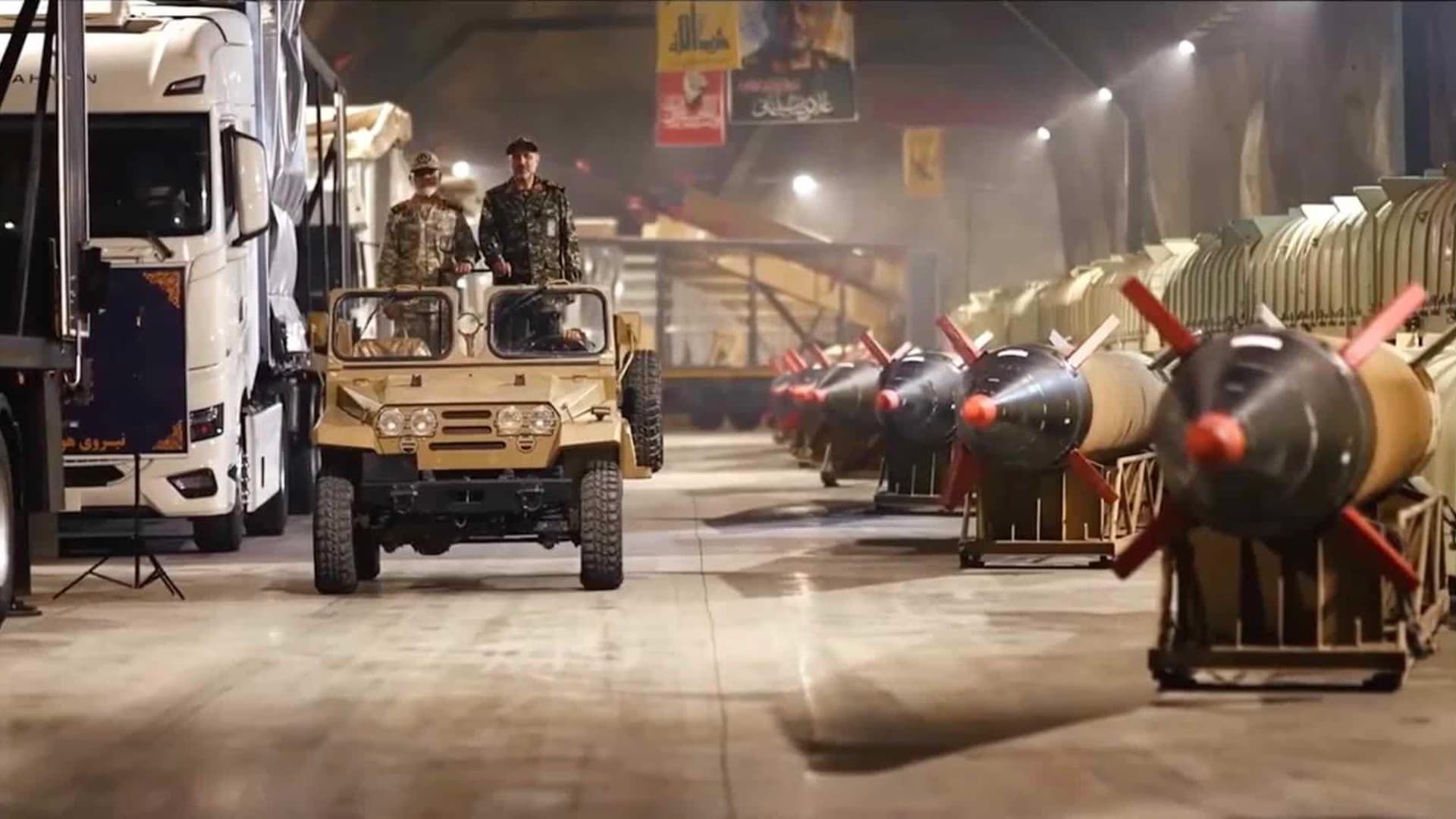
In a statement broadcast on Iranian state television, the IRGC said that “the radar of the U.S. air-defense system at the Al Rifa helicopter base in Bahrain was targeted by six drones belonging to the Aerospace Force.” It described the attack as the second phase of its response to what it called U.S. aggression. The statement claimed that the drones hit their target accurately and that the sound of the impact was heard in various parts of Bahrain. No independent party confirmed this.
The statement added that “the Strait of Hormuz is closed, and any aggression by the U.S. enemy will be met with a stronger and harsher response.” The Guard said the United States had “failed to transport oil through the Strait of Hormuz” and was attempting to divert attention through limited and random measures.
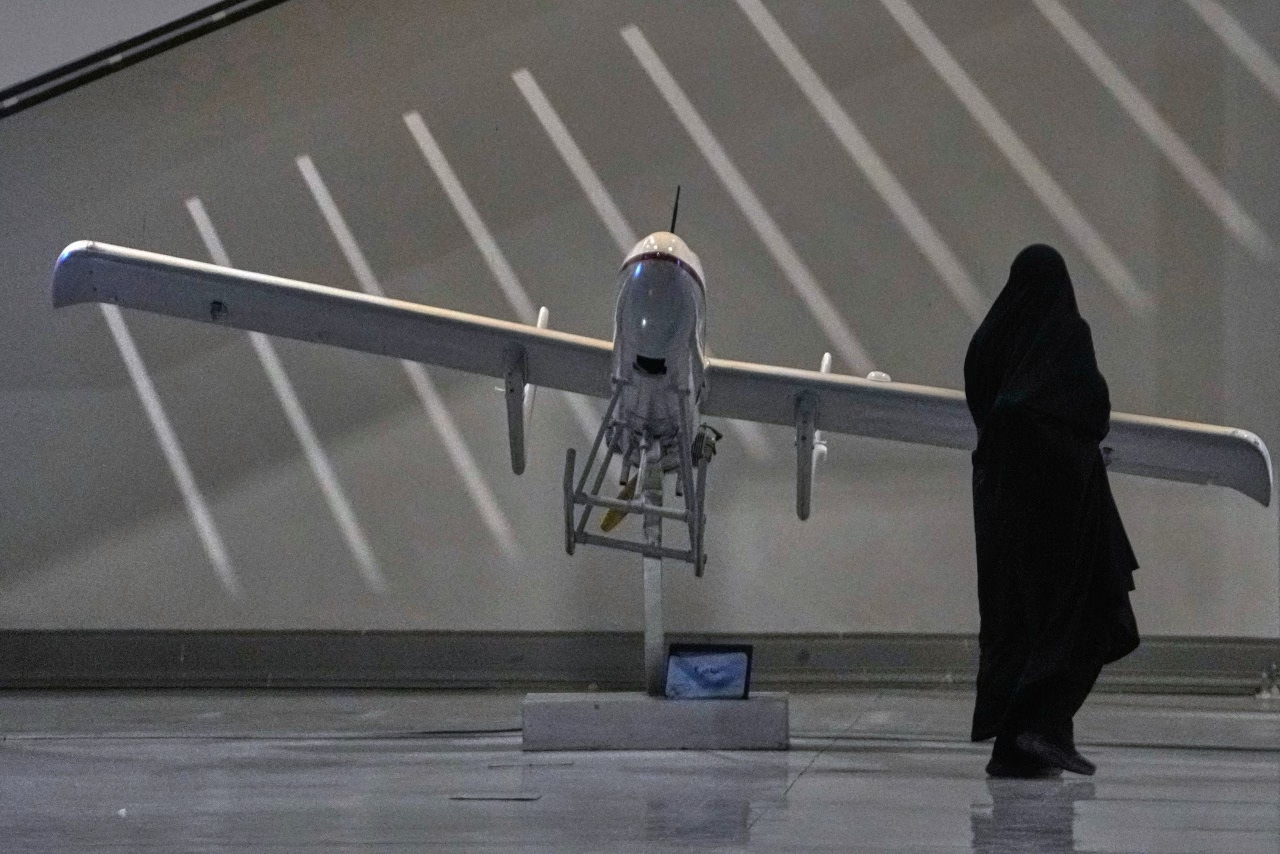
The attack came two days after the Guard announced on Friday that it had destroyed a U.S. early-warning radar in Bahrain in response to an attack targeting a communications tower in the city of Sirik in southern Iran. The U.S. Central Command said at the time that its forces had shot down two Iranian drones heading toward Bahrain, with no damage or injuries reported.
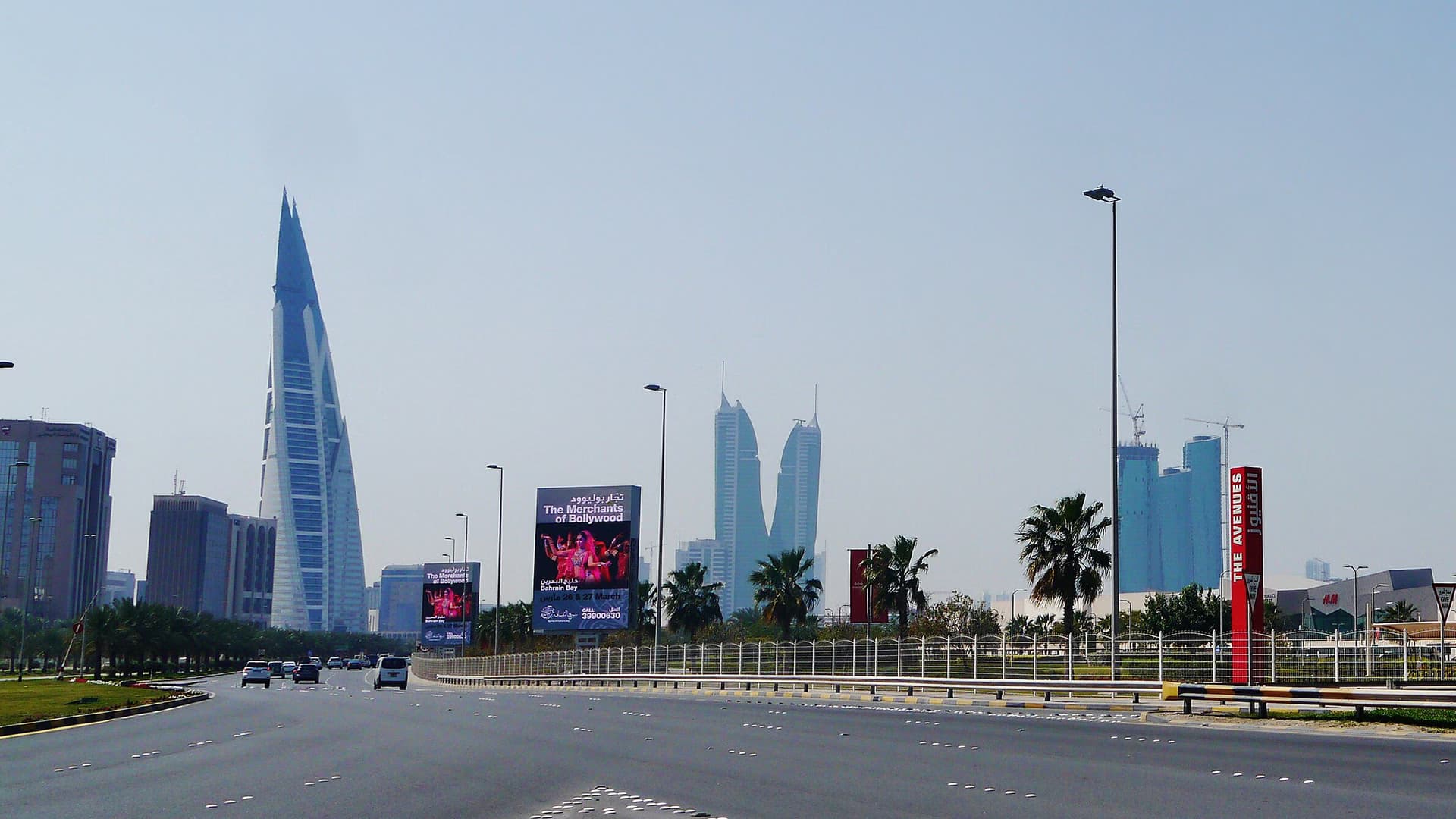
Bahrain hosts the headquarters of the U.S. Navy’s Fifth Fleet and has faced repeated Iranian attacks since the war began with U.S. and Israeli strikes on Iran on February 28.
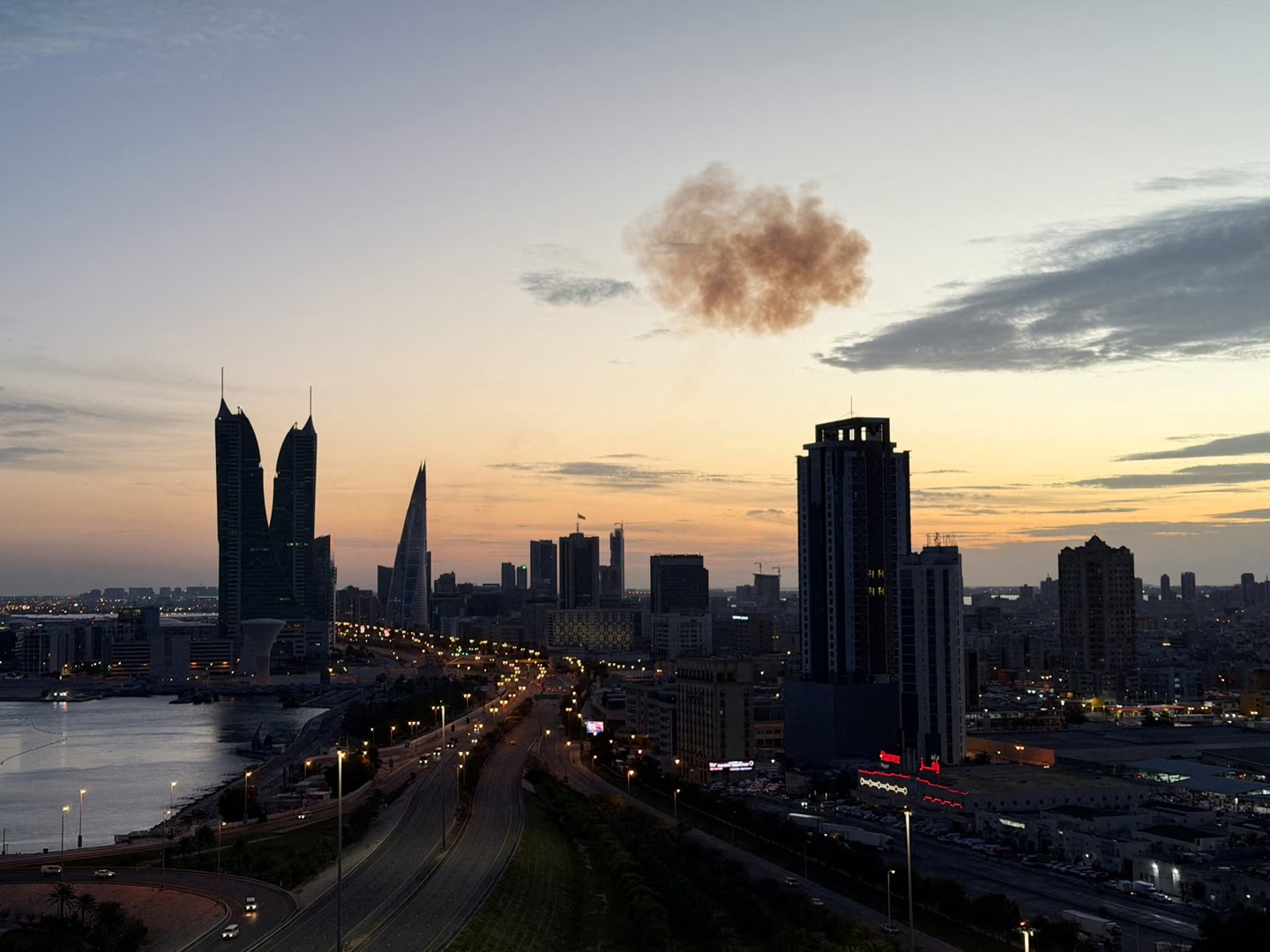
This archival image, taken on March 6, shows smoke rising above the towers of Bahrain Financial Harbour in Manama after an Iranian drone was intercepted, in one of the attacks that hit the kingdom during the first months of the war.
Two more tankers south of Hormuz
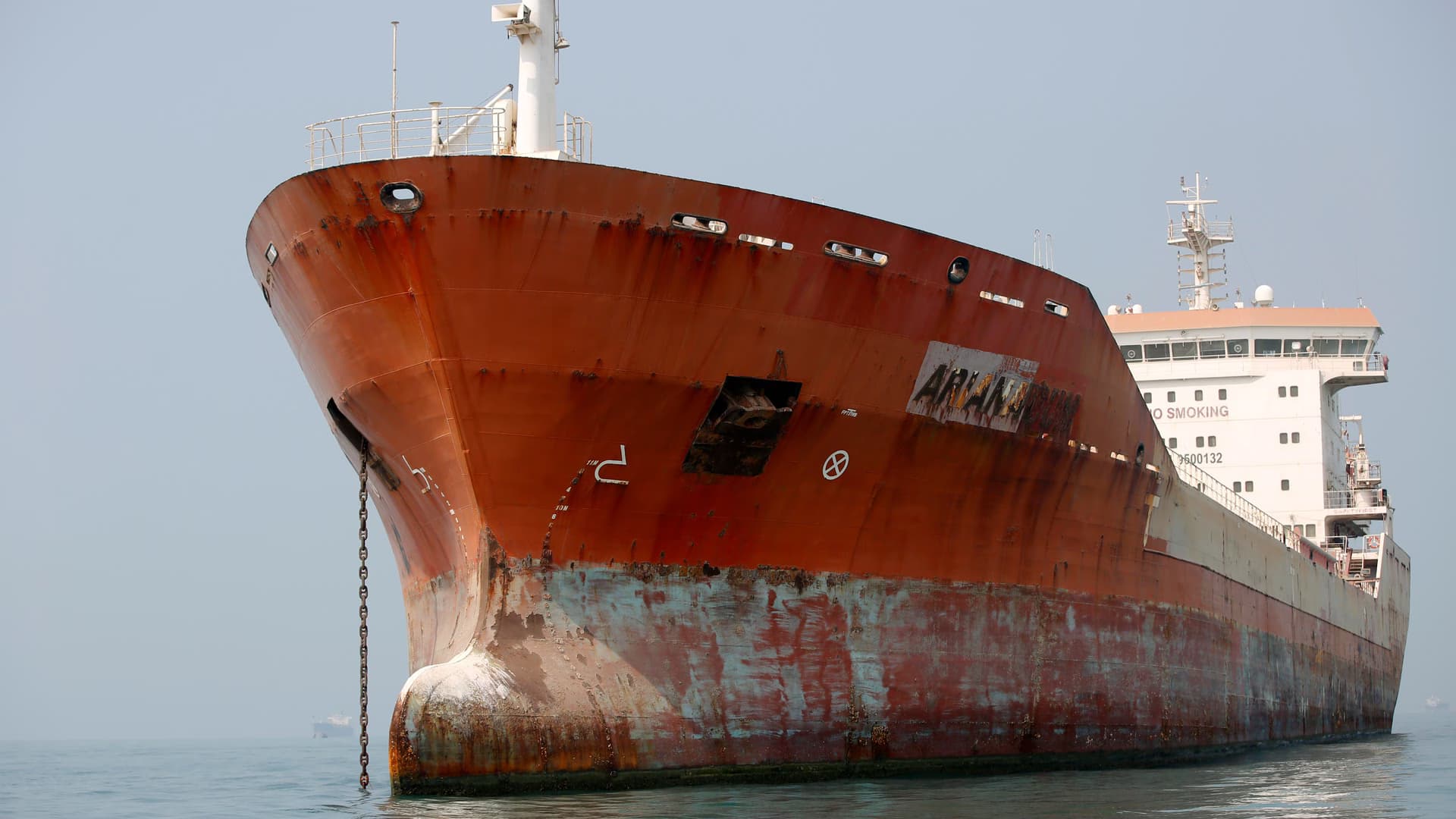
In a separate statement overnight, the IRGC’s naval forces said that two oil tankers exploded and caught fire after striking naval mines south of the Strait of Hormuz. It said the tankers had switched off their navigation and automatic identification systems and attempted to cross secretly along an “unauthorized” route.
The Guard’s navy added that two other tankers attempting to cross in the same way complied with warnings from its navigation control center in the strait and turned back toward the Gulf. The statement did not name the vessels, identify their flags, or provide information about the fate of their crews or the extent of the damage. No independent confirmation of the Iranian account had been issued.
This came a day after the IRGC’s navy and the Iranian Army’s naval forces announced that three oil tankers had caught fire after striking mines in and around the strait. Iran had closed the Strait of Hormuz again on July 12 after the United States resumed its strikes on the eighth of that month, and threatened to target vessels crossing outside the route it had designated and without permission.
Washington, by contrast, says it has cleared the main transit lanes of mines and is imposing a naval blockade on Iranian ports. In recent days, U.S. President Donald Trump said he might refrain from attacking Iran if the United States faced no new provocations, while keeping the naval blockade in place, Reuters reported.
Images: Associated Press (illustrative photo), Reuters (archive), Wikimedia Commons. Sources: Bahrain’s Interior Ministry, Iran’s Islamic Revolutionary Guard Corps, Al Ayam newspaper, Reuters, Agence France-Presse.