- BIST10011,843+1.51%
- USD50.28+0.05%
- EUR55.60-0.24%
- GOLD3,886.30+0.03%
- INTEREST36.00%-1.00
- BITCOIN63,830-0.45%
- November 15, 202612°
- BIST10011,843+1.51%
- USD50.28+0.05%
- EUR55.60-0.24%
- GOLD3,886.30+0.03%
- INTEREST36.00%-1.00
- BITCOIN63,830-0.45%
- November 15, 202612°
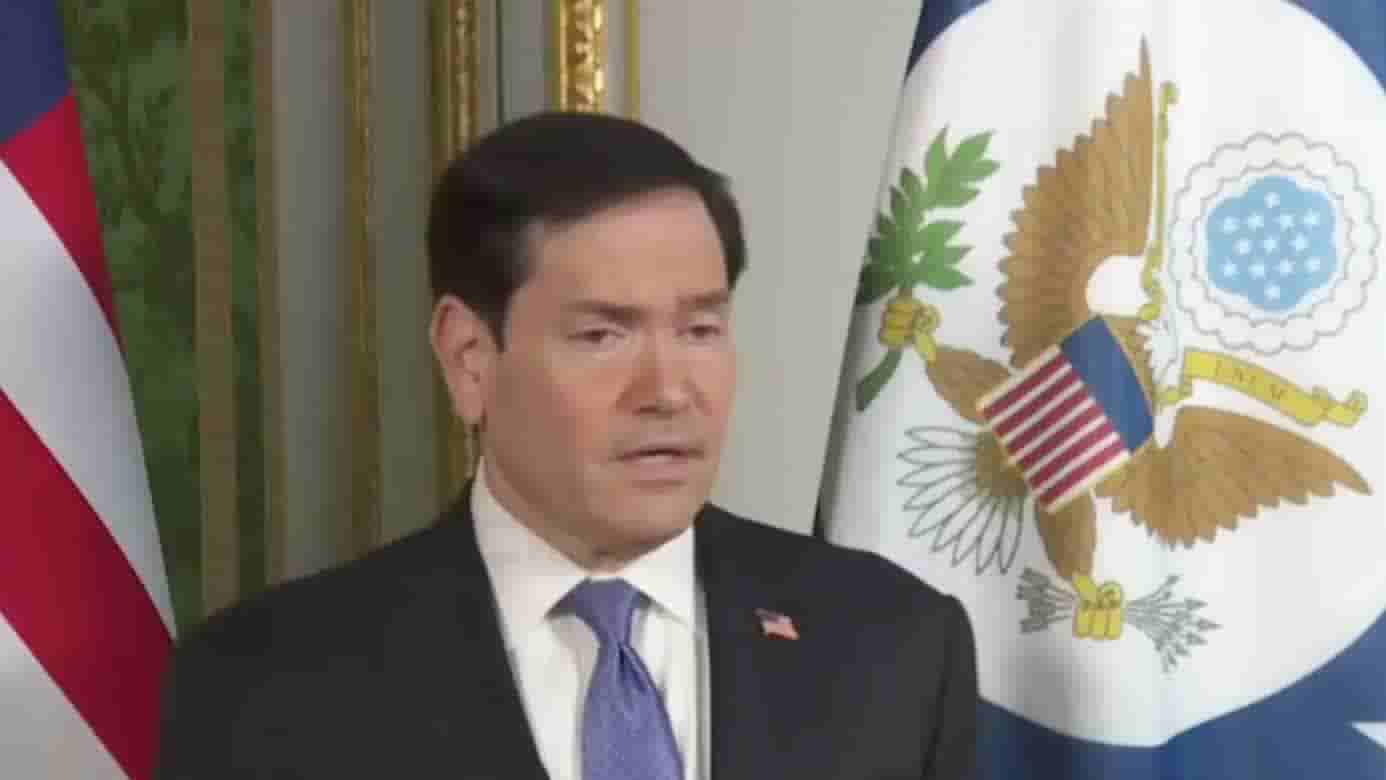
Blinken: Iran emerged stronger from war; any Hormuz deal gives it something
Former U.S. Secretary of State Antony Blinken described the war against Iran as “unnecessary” and said in New Delhi that the Strait of Hormuz had become a problem that did not exist before the war. He said that “a secure Israel and a sovereign Palestinian state” remain achievable goals.
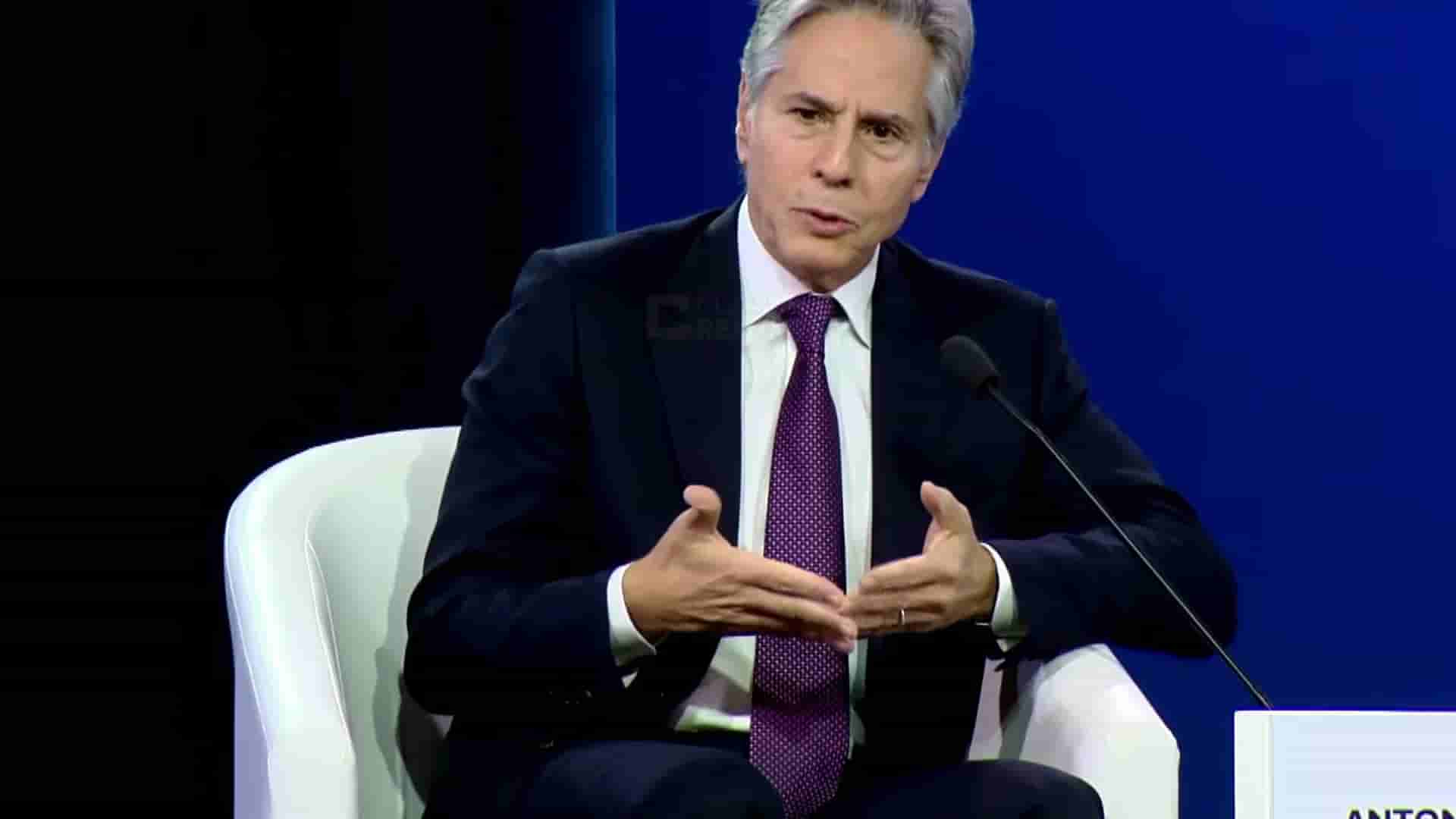
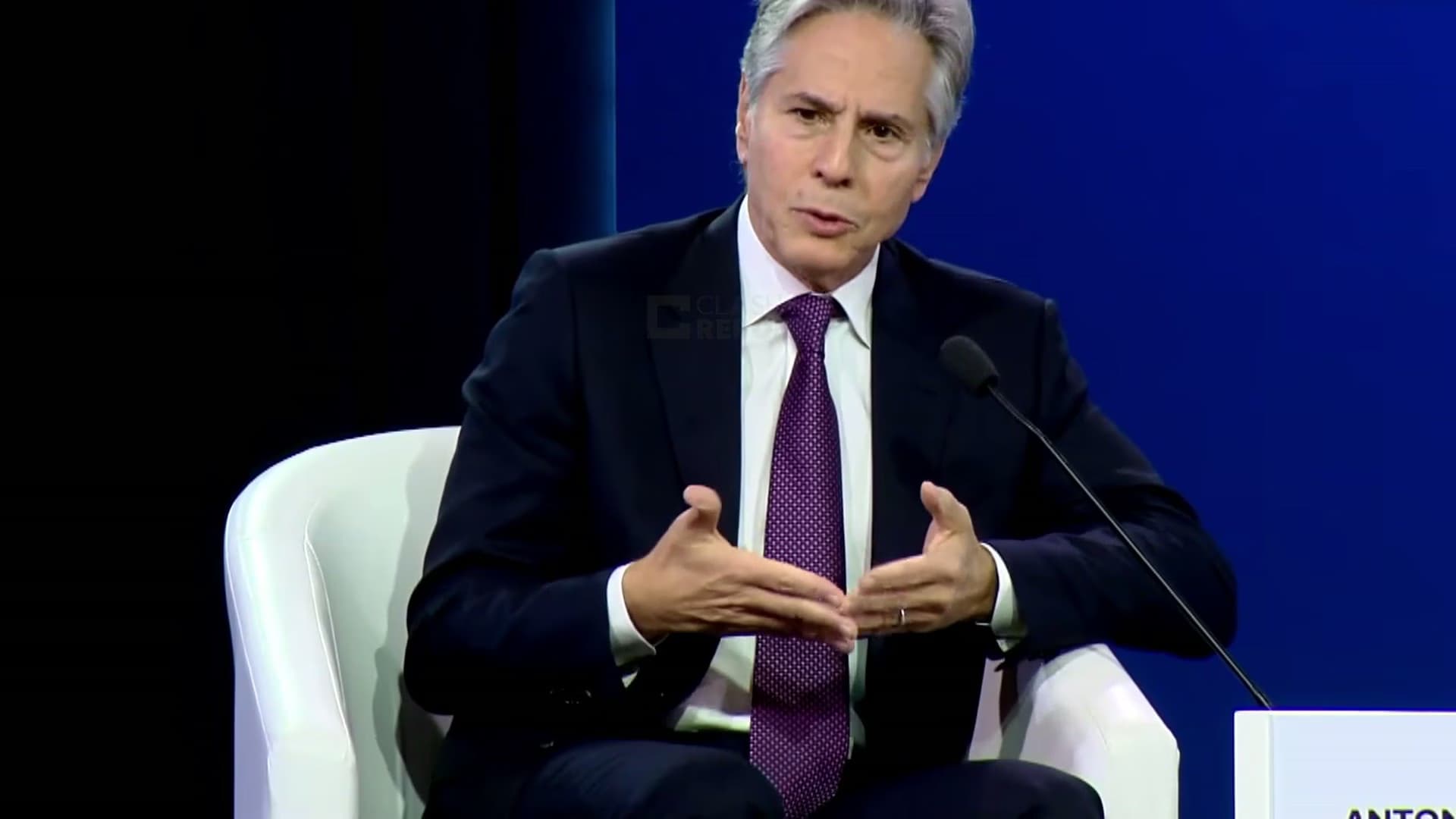
Former U.S. Secretary of State Antony Blinken said Saturday that Iran emerged from the war in a stronger regional position than it had been in at the start. He described the U.S. war against Iran as a “very unfortunate choice” and an “unnecessary war.” He made the remarks during a discussion at the 24th Hindustan Times Leadership Summit in New Delhi, moderated by Indian Ambassador Javed Ashraf.
Blinken added that President Donald Trump sought regime change in Tehran, but that it “did not work as hoped.” He said he had expected the war to end sooner.
Blinken said Iran “actually emerged in a stronger position in the region than it was when all this began,” indicating that the war did not weaken Tehran’s regional influence as Washington had intended.
“Four times larger than California”
Blinken explained why he considers the war a “reckless adventure,” saying Iran is four times larger than California and three times larger than Iraq, with a population of 90 million and a very long coastline along the Strait of Hormuz. He added that Iran’s weapons-production facilities are deep inside the country and have considerable reach, so “you simply cannot destroy everything.”
Blinken estimated that there was “at least a 50% chance” that the status quo would continue and “perhaps a 20 or 25%” chance of an escalation he described as “very, very dangerous.” He said Iran could escalate through the Houthis or by targeting U.S. partners, forces and bases in the region, adding: “They have already done that.” He said “the best thing to do is find a way out,” but expressed doubt that this would happen.
“Fees that are not called fees”
Blinken predicted that what Iran ultimately agrees to regarding its nuclear program “may not look different, or certainly not better” than the agreement Trump tore up, saying that it “would be very difficult for him to acknowledge.”
Blinken said the Strait of Hormuz “was not a problem before this war began, but now it is a problem that has to be dealt with,” adding that any solution would “probably give Iran something.” He said he hated to see that, but the reality could impose “fees that are not called fees.”
Blinken also said the war had contributed to rising inflation in the United States, fueling anger among American voters in the midterm elections.
Saudi Arabia as the “holy grail” of normalization
On the war’s implications for Israel, Blinken said that a “very different and very positive possibility” remained, describing it as “absolutely necessary.” He said that in 2023, before the October 7 attack, he had been preparing to travel to Saudi Arabia and Israel as part of efforts to normalize relations between them. He praised the first Trump administration for its “terrific work” on the Abraham Accords, but described Saudi Arabia as the “holy grail,” stressing that the path toward establishing a Palestinian state was central to Riyadh and other Gulf states.
Blinken said the solution, “although it is not a popular view,” remained “a secure Israel and a sovereign Palestinian state.” He stressed that he still believed both goals were “achievable” and “not opposites.” He added: “No one is going anywhere, regardless of what extremists on either side say.”
Videos and cover image: Hindustan Times Leadership Summit
Stay Updated with Hilal Times
Subscribe to be informed about special news, developments and announcements. We will keep you informed.
By signing up, you agree to our Privacy Policy