- BIST10010,743-2.03%
- USD50.64+0.03%
- EUR55.40+0.14%
- GOLD3,598.40+0.95%
- INTEREST36.00%-1.00
- BITCOIN60,425+0.08%
- November 26, 202610°
- BIST10010,743-2.03%
- USD50.64+0.03%
- EUR55.40+0.14%
- GOLD3,598.40+0.95%
- INTEREST36.00%-1.00
- BITCOIN60,425+0.08%
- November 26, 202610°
China imports Syrian oil for first time amid US blockade of Iran
China has begun importing Syrian crude oil for the first time since last October, with three shipments arriving at Yantai Port, according to Kpler data. The imports began after the US naval blockade of Iranian ports halted Tehran’s exports to Chinese refineries.
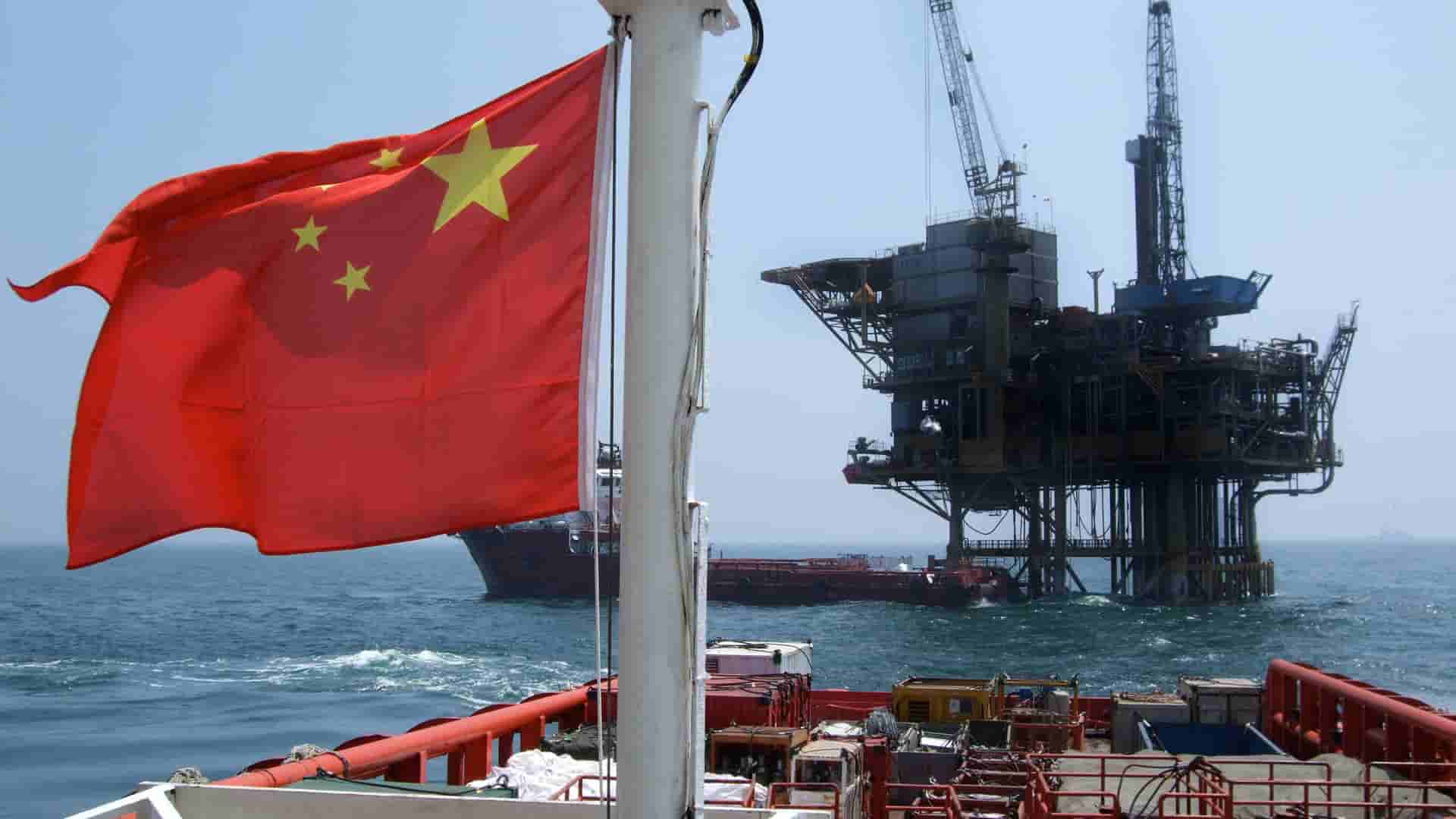
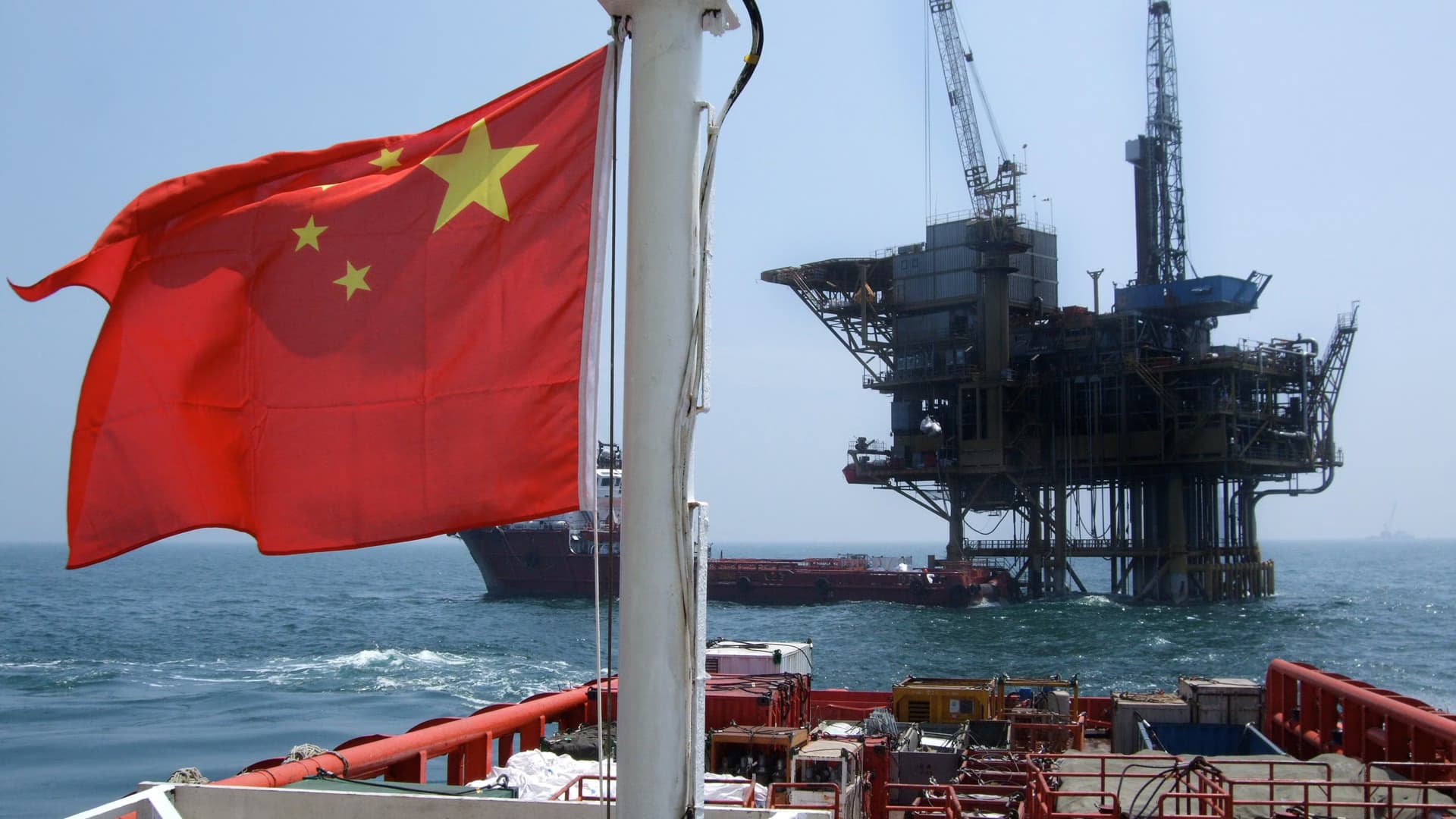
Syrian crude oil has entered the Chinese market for the first time, marking a notable shift in the energy supply map of the world’s largest crude importer after the US naval blockade of Iranian ports halted Tehran’s exports, which had been the main supply source for independent Chinese refineries.
Kpler, a platform that tracks shipping activity, said three shipments of Syrian oil had arrived at Yantai Port in eastern China since mid-October. The platform estimated that the buyer was Shandong Youlong Petrochemical, which is subject to sanctions by the United Kingdom and the European Union. Kpler expects Syrian flows to China to reach 3.2 million barrels this month.

Iranian exports nearly halted
The United States imposed a naval blockade on Iranian ports in mid-July, bringing oil exports—the main source of Tehran’s revenue—to a halt. The data show that Iran’s exports fell from about 2 million barrels per day to as little as 111,000 barrels per day. Iran did not load any crude shipments onto tankers in September, while the US Central Command says the blockade halted $25 billion worth of oil exports.
China is the largest buyer of Iranian oil. The US Treasury Department estimates that China had been purchasing about 90% of Iran’s exports, most of which went to independent refineries in Shandong province known as “teapots.” These refineries account for about one-fifth of China’s refining capacity.
Alternatives from Iraq, Qatar and Egypt
The halt in Iranian supplies pushed independent Chinese refineries to seek alternatives. They bought at least 12 million barrels of Iraqi and Qatari crude for delivery in October and November, while Chinese companies received about 2 million barrels of Egyptian crude in September and October—the first shipments of Egyptian oil to China since April 2021.
Syria resumed its oil exports in 2025 after Western sanctions were lifted following the fall of the Assad regime. In September 2025, the Syrian Oil Transport Company announced the export of 600,000 barrels of heavy crude from the Tartus terminal as part of efforts to return Syrian oil to global markets.
Stay Updated with Hilal Times
Subscribe to be informed about special news, developments and announcements. We will keep you informed.
By signing up, you agree to our Privacy Policy