- BIST10010,743-2.03%
- USD50.64+0.03%
- EUR55.40+0.14%
- GOLD3,597.40+0.92%
- INTEREST36.00%-1.00
- BITCOIN60,445+0.11%
- November 26, 202610°
- BIST10010,743-2.03%
- USD50.64+0.03%
- EUR55.40+0.14%
- GOLD3,597.40+0.92%
- INTEREST36.00%-1.00
- BITCOIN60,445+0.11%
- November 26, 202610°
China says Japan has legal duty to honor four political documents
Chinese Foreign Ministry spokesperson Guo Jiakun responded to Japanese Prime Minister Sanae Takaichi’s assertion that her country’s position on Taiwan has not changed since 1972, recalling that Japan is obliged to respect the four political documents between the two countries.
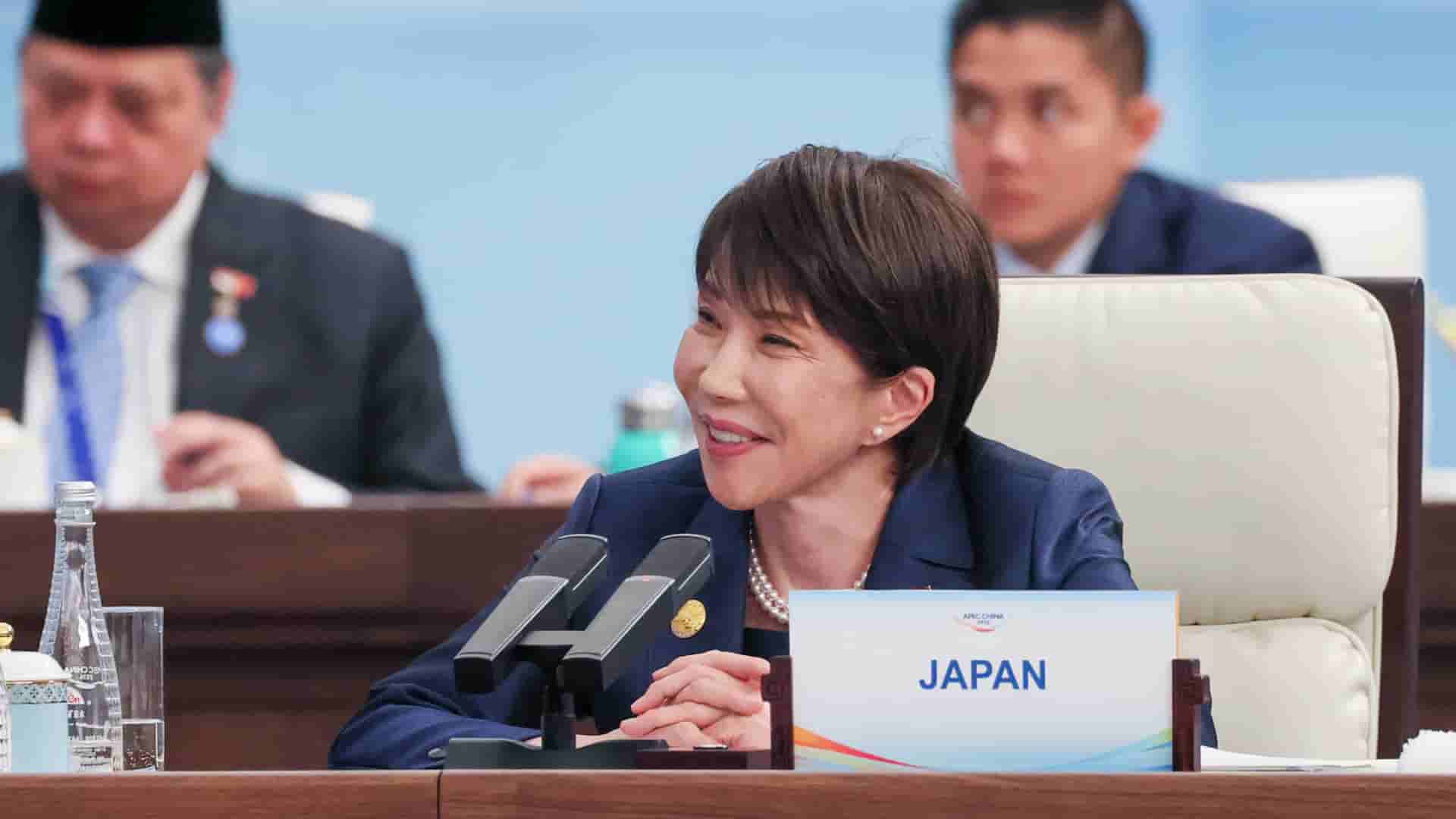
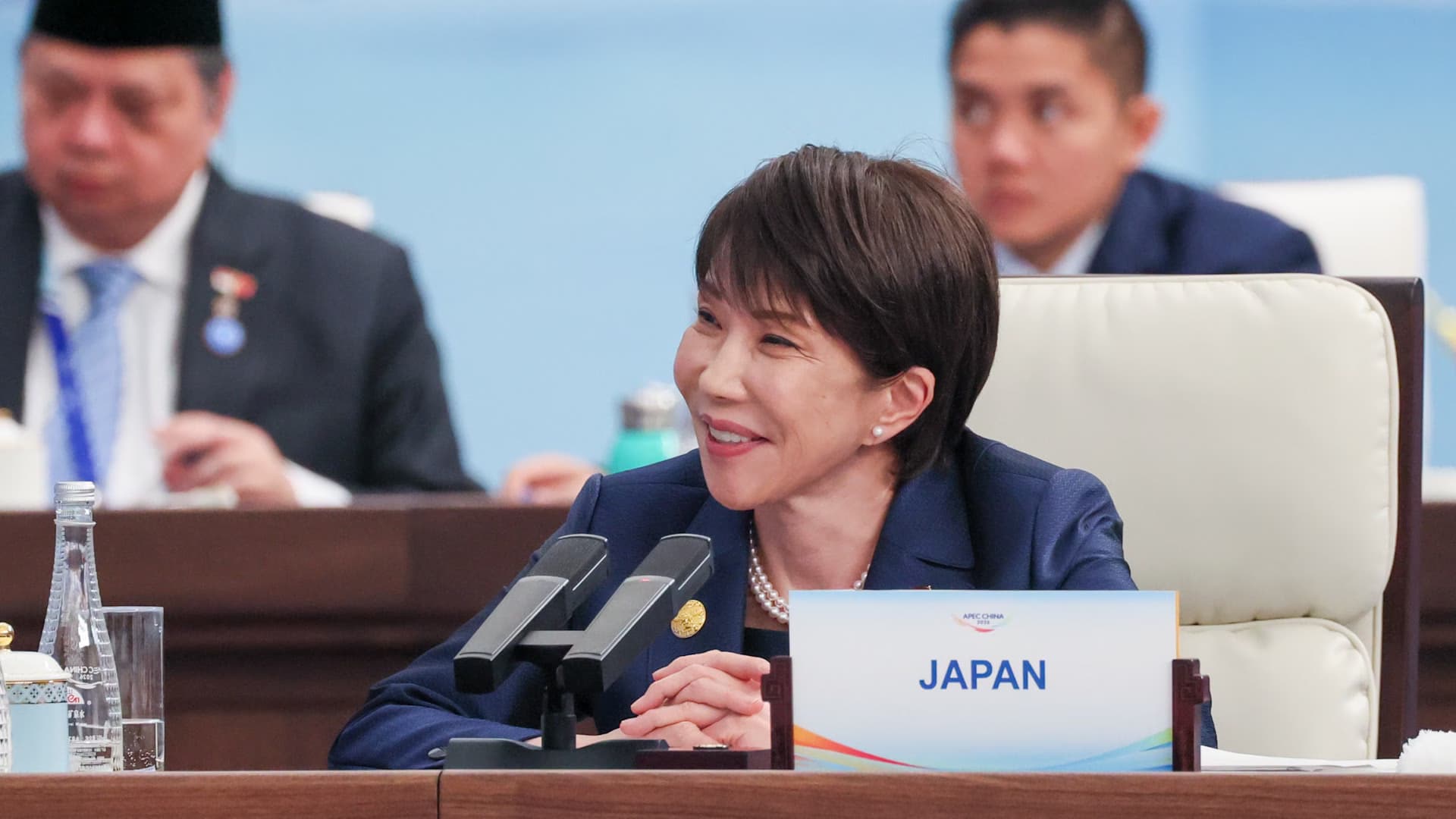
Chinese Foreign Ministry spokesperson Guo Jiakun said at the regular press conference in Beijing on Friday that respecting the four political documents between China and Japan is a political responsibility and a legal obligation that Japan must fulfill, adding that this should be reflected in actions, not merely statements.
He was responding to a question about remarks by Japanese Prime Minister Sanae Takaichi in Shenzhen on Thursday after she attended the Asia-Pacific Economic Cooperation (APEC) forum summit. Takaichi said her government’s basic position on Taiwan was the one set out in the 1972 Japan-China Joint Communiqué and that it had “not changed at all.” Guo said Japan’s urgent priority was to correct its “wrong words and actions” regarding Taiwan as soon as possible. He added that what mattered was adopting a correct position on historical issues, while the foundation was viewing China in a truly objective and rational manner.
What are the four documents?
Beijing’s reference to the four political documents means the 1972 Joint Communiqué, through which the two countries established diplomatic relations; the 1978 Treaty of Peace and Friendship; the 1998 Joint Declaration; and the 2008 Joint Statement. Under the 1972 communiqué, Tokyo recognized the People’s Republic of China as the sole legitimate government of China and declared that it “fully understands and respects” Beijing’s position that Taiwan is an inalienable part of its territory.
Tensions continuing for a year
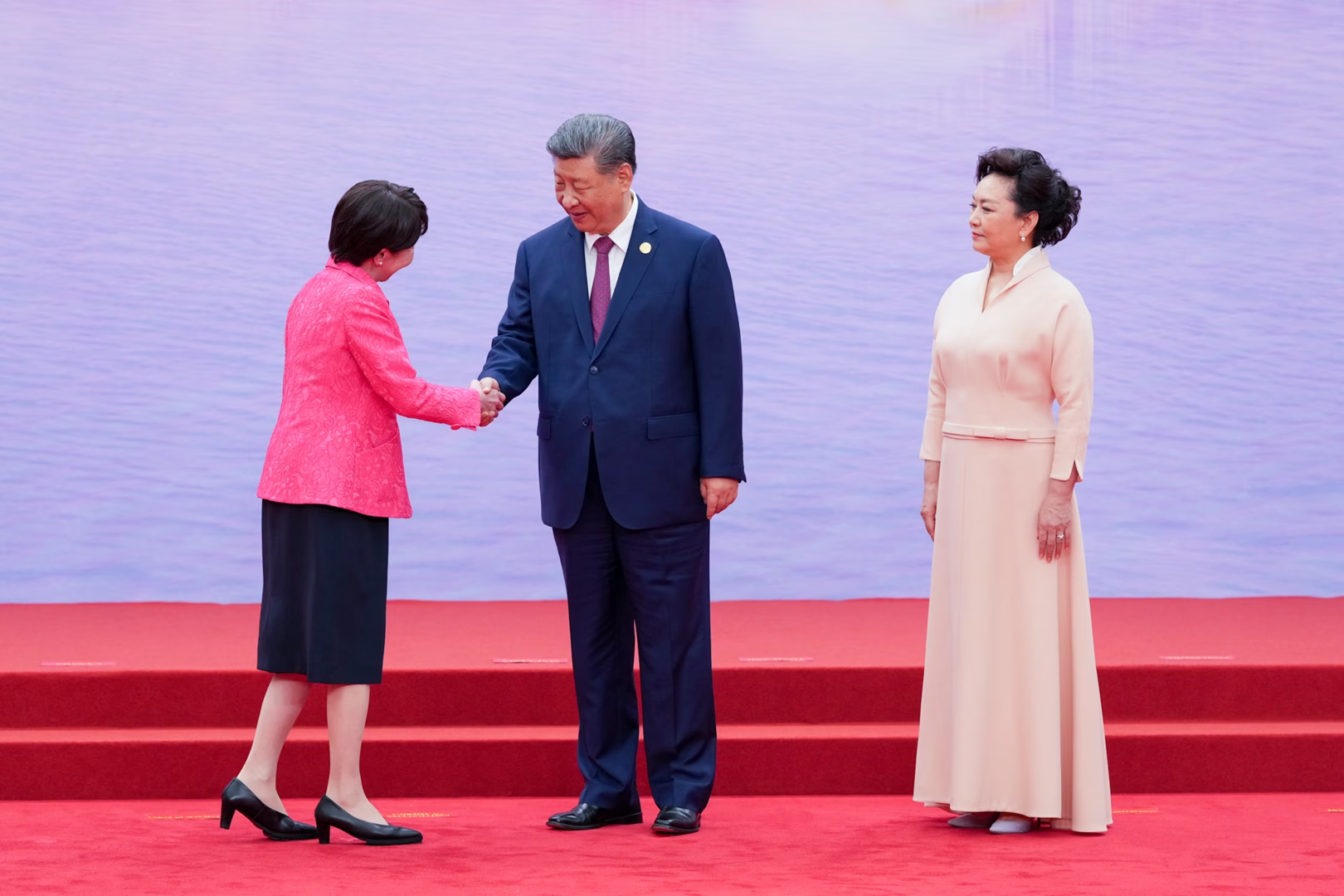
Relations between the two countries deteriorated after Takaichi told parliament in November 2025 that a Chinese attack on Taiwan could threaten Japan’s survival and require a military response. Reuters reported that Beijing subsequently restricted exports of critical minerals to Japan. In Shenzhen, Chinese President Xi Jinping shook hands with Takaichi at a dinner reception on Wednesday and again on Thursday, but the two leaders did not hold bilateral talks.
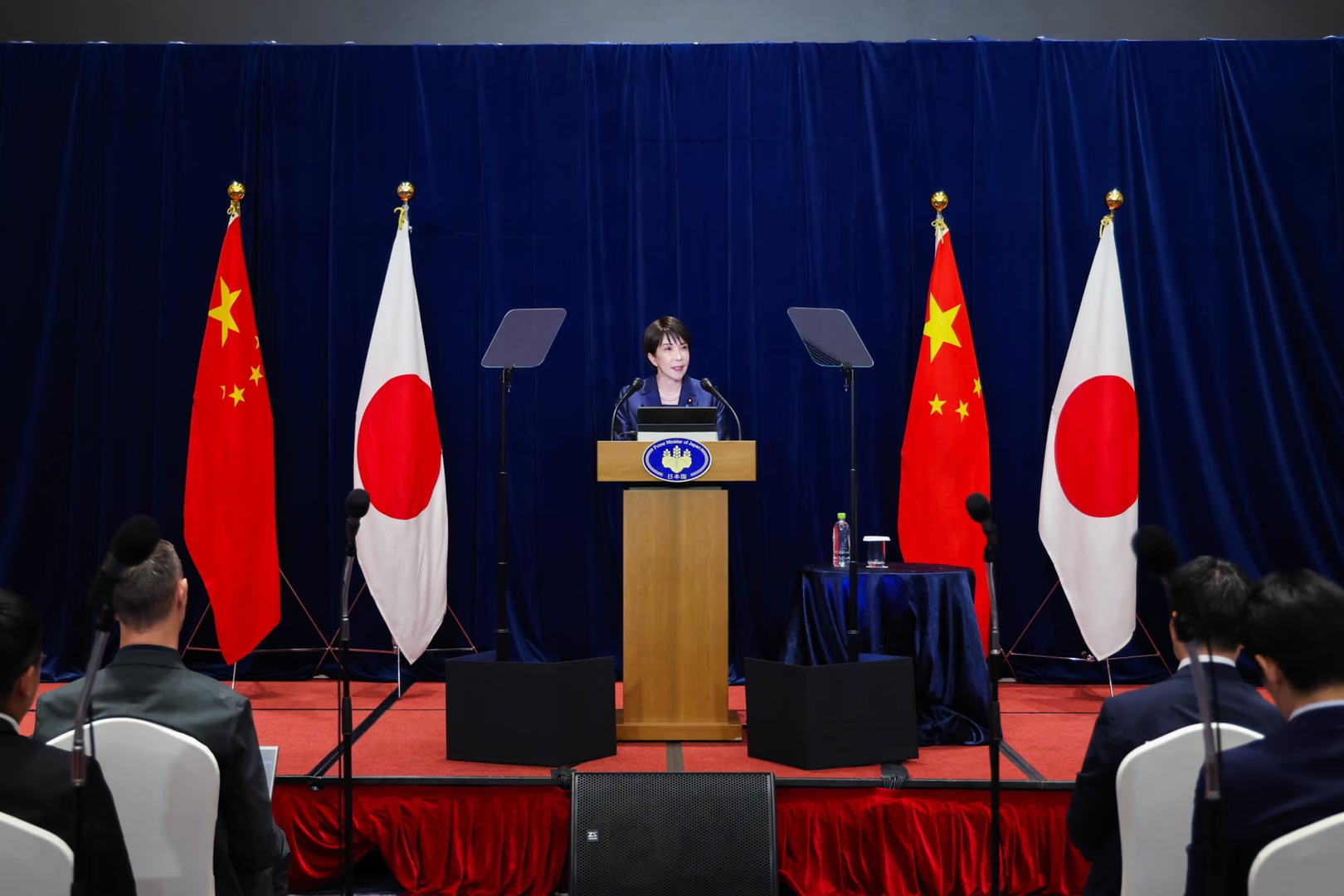
Japanese Chief Cabinet Secretary Minoru Kihara, for his part, denied that Takaichi had received an intentionally cool welcome, saying the host country extended her the usual courtesies, as it did to the leaders of other economies. The Chinese Foreign Ministry had said that Beijing, as the host country, arranged reception ceremonies for all participants in accordance with international practice.
Stay Updated with Hilal Times
Subscribe to be informed about special news, developments and announcements. We will keep you informed.
By signing up, you agree to our Privacy Policy