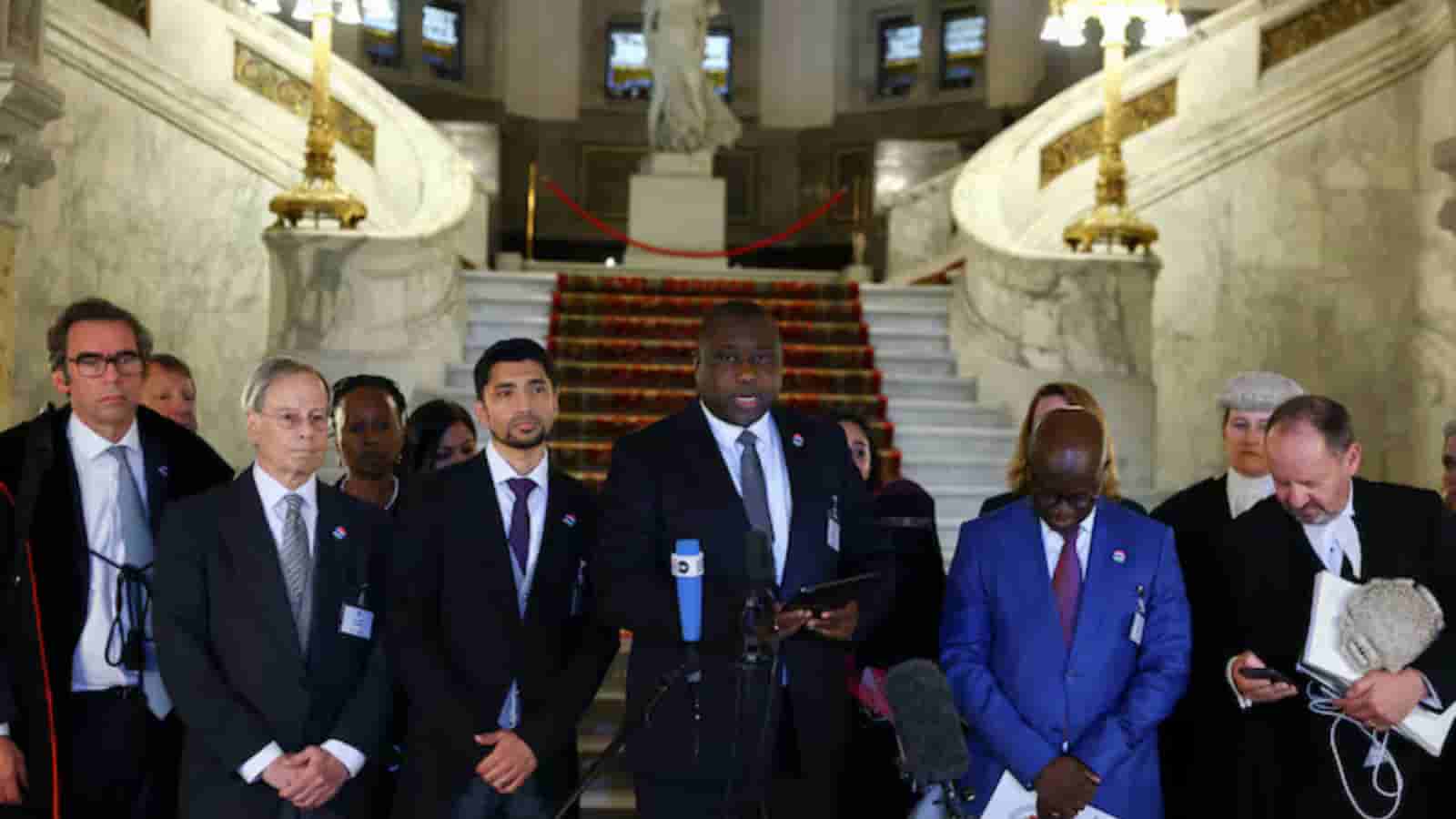
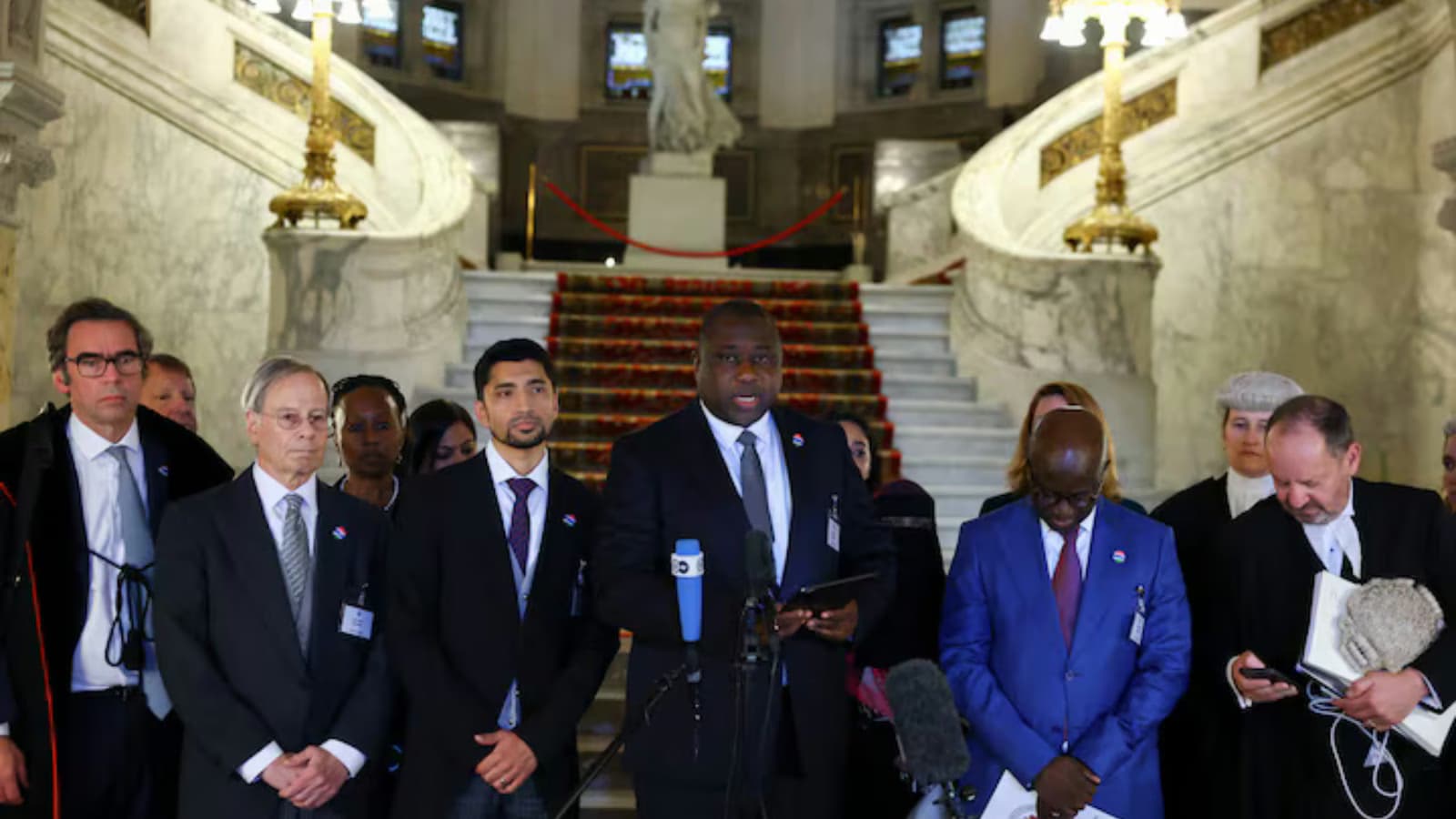
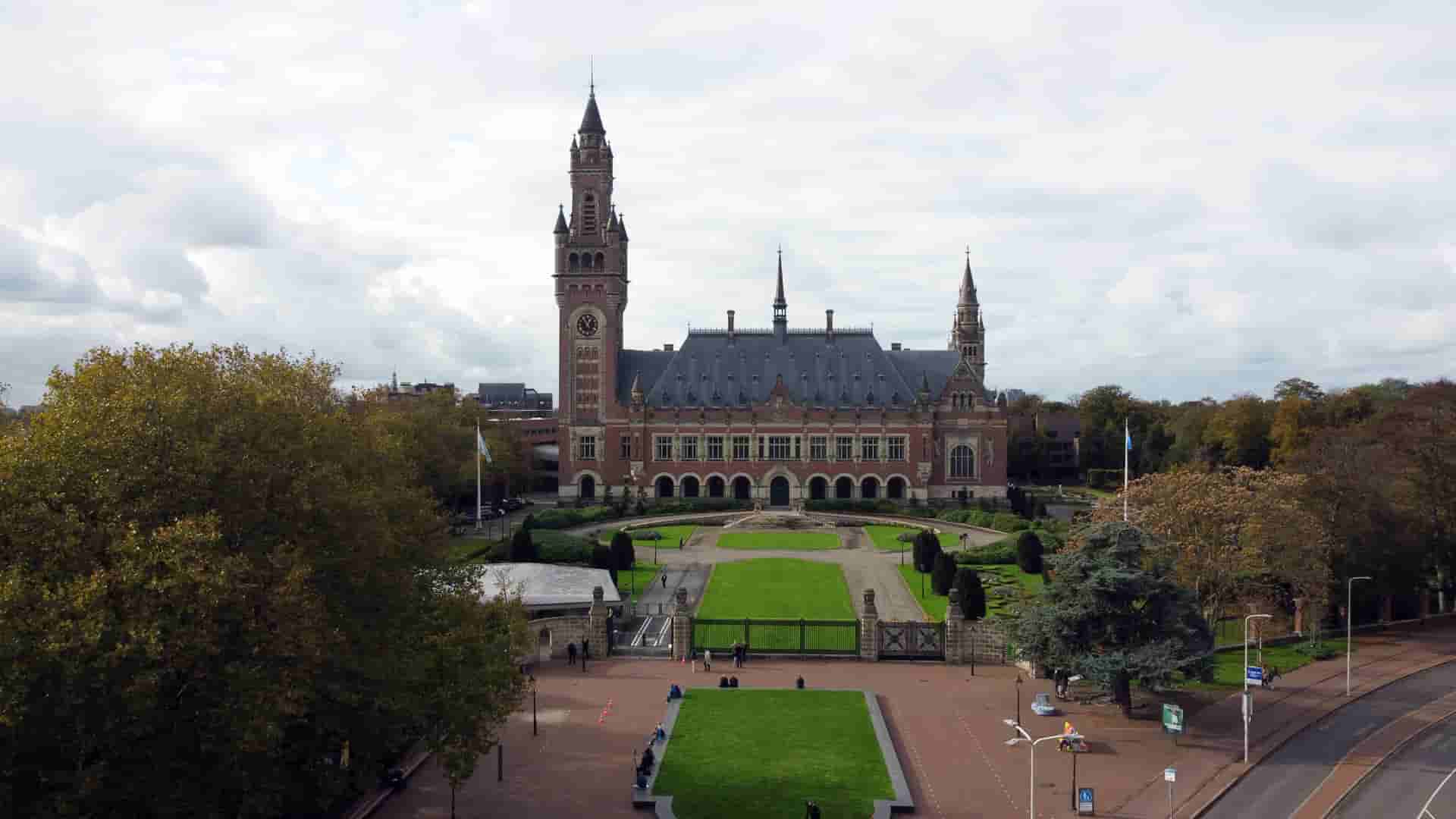
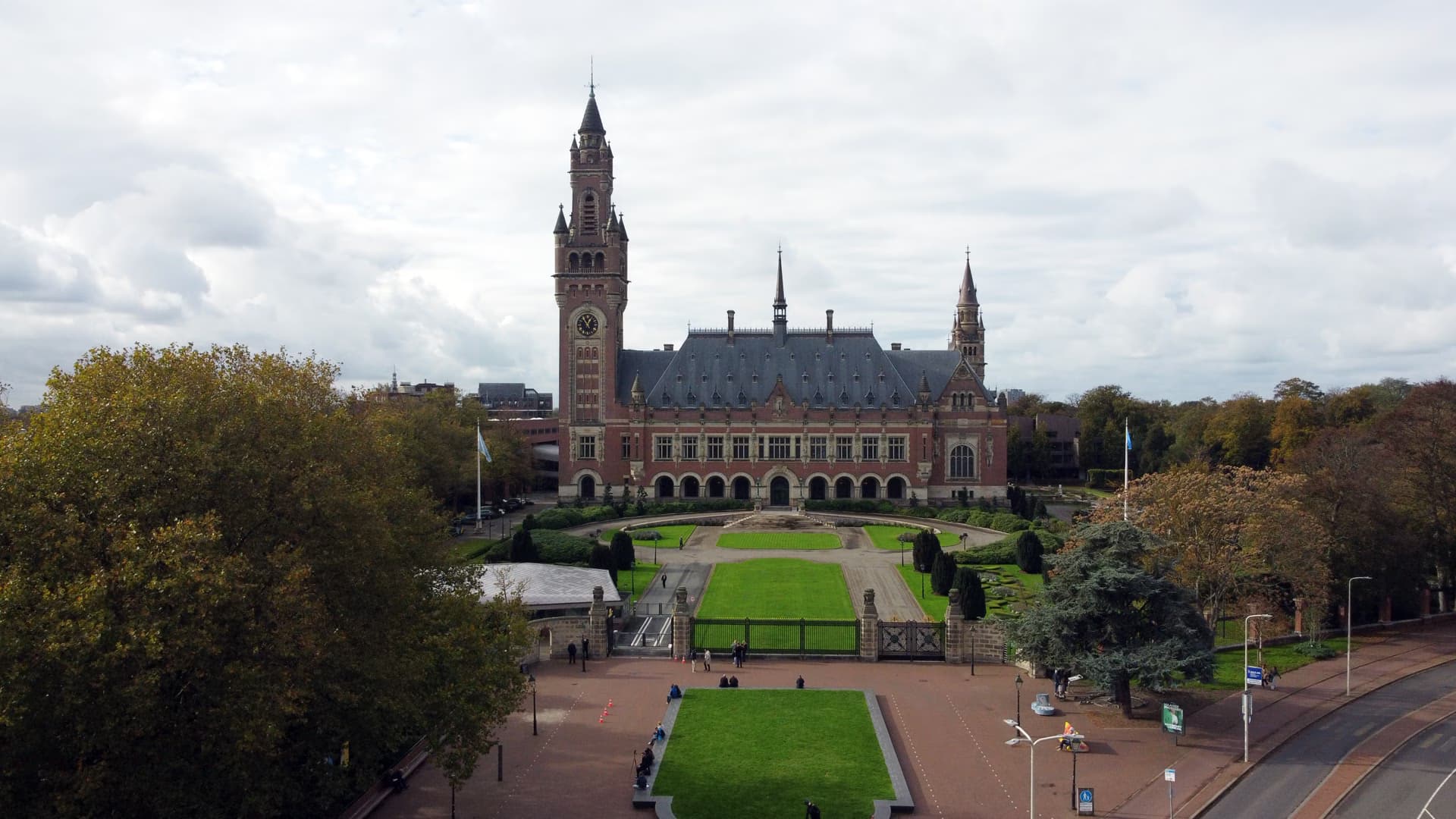
Britain announced the expulsion of Myanmar’s military attaché from its territory and called for an urgent session of the United Nations Security Council, hours after the International Court of Justice in The Hague ruled that Myanmar had committed genocide against Rohingya Muslims during military operations in Rakhine State in 2017.
British Foreign Secretary Ed Miliband said his country was taking “immediate measures” in response to the judgment, in addition to existing sanctions on Myanmar’s military regime. He said Britain had summoned Myanmar’s chargé d’affaires and would announce further steps in the coming days. He stressed that the international community must ensure that these crimes do not go unpunished.
First state held responsible for genocide
The judgment was delivered by a 9–6 majority in the case brought by The Gambia in 2019, marking the first time the court, the judicial arm of the United Nations, had held a state directly responsible for committing genocide. The court found that security forces had killed about 10,000 Rohingya and ordered Myanmar to compensate the victims and ensure the safe, voluntary and dignified return of displaced people and refugees.
United Nations Secretary-General António Guterres welcomed the judgment and described it as a powerful acknowledgment of the victims, stressing that it was “binding, final and not subject to appeal.” He called on Myanmar to comply with it. He said breaking the cycle of impunity was essential to national reconciliation and lasting peace.
Tears and prayers in Cox’s Bazar
In the Cox’s Bazar camps in southern Bangladesh, thousands of refugees watched the judgment hearing on large screens. Refugee Syed Qasim, 60, said the army had killed his brother and his family in 2017, adding: “We do not want to live as refugees anymore.” Others expressed hope that the judgment would prompt Myanmar to recognize them and return them to their homes.
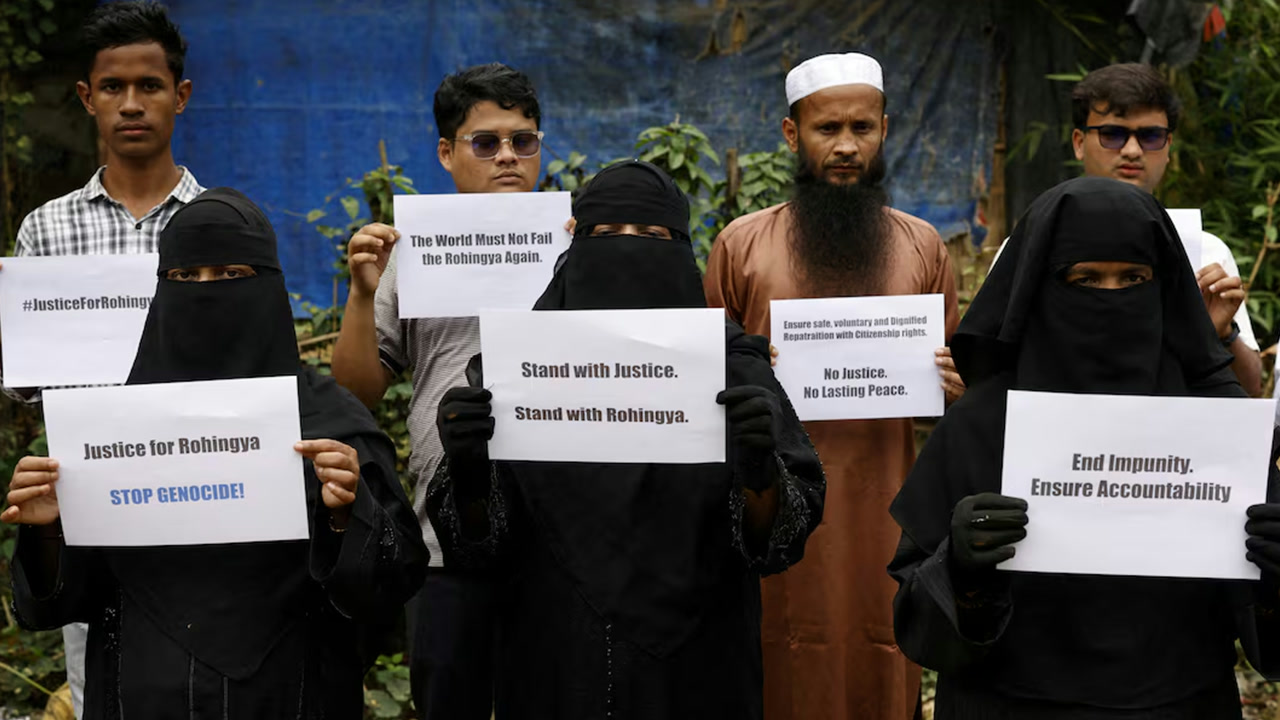
Rohingya activists view the judgment as a historic step, but warn that the real challenge lies in implementing it, restoring citizenship rights and ensuring the safe return of more than one million refugees.
Türkiye welcomes the judgment
Türkiye’s Foreign Ministry welcomed the International Court of Justice decision finding that Myanmar had committed genocide against the Rohingya in northern Rakhine State in 2017 and had breached its obligations to prevent and punish genocide. The ministry recalled that Türkiye had declared its support for the case from the outset. It described the judgment as a “turning point” in documenting the systematic persecution suffered by Rohingya Muslims and in achieving justice and accountability, and called on Myanmar to implement the court’s requirements fully and without delay. The ministry stressed that Türkiye would continue to stand in solidarity with Rohingya Muslims and support international efforts for their safe, voluntary and dignified return to their homeland.