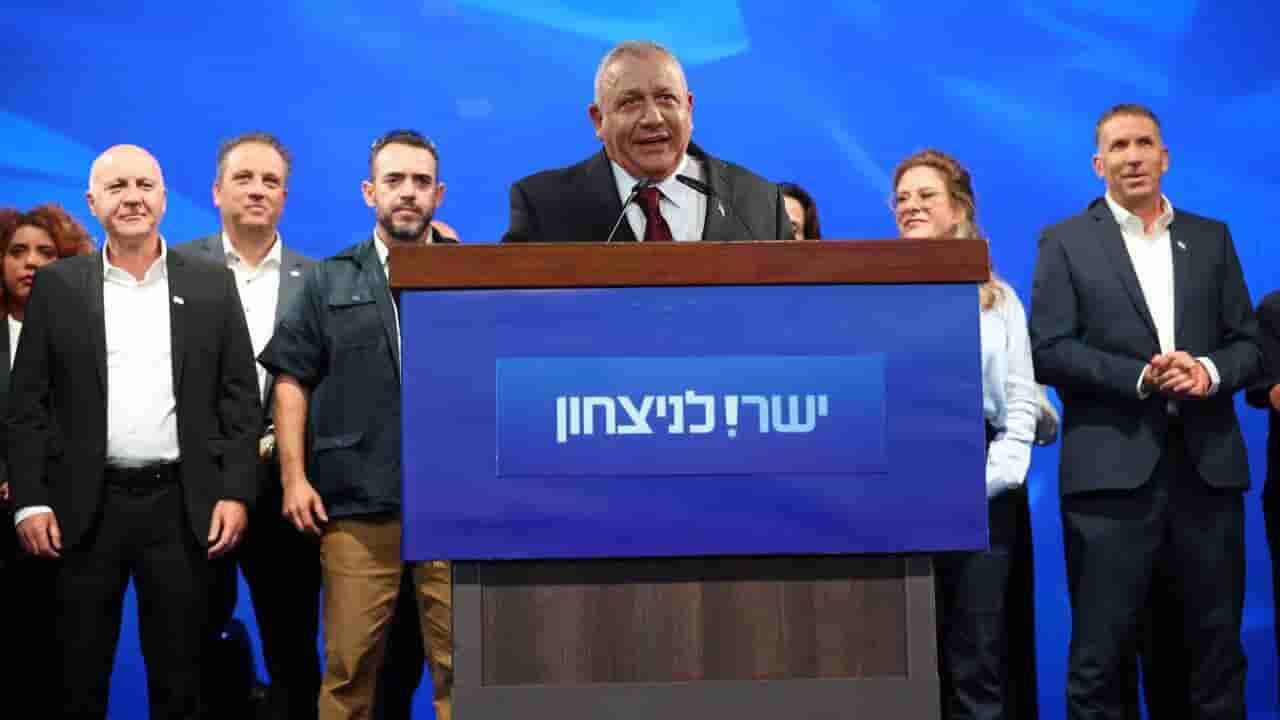
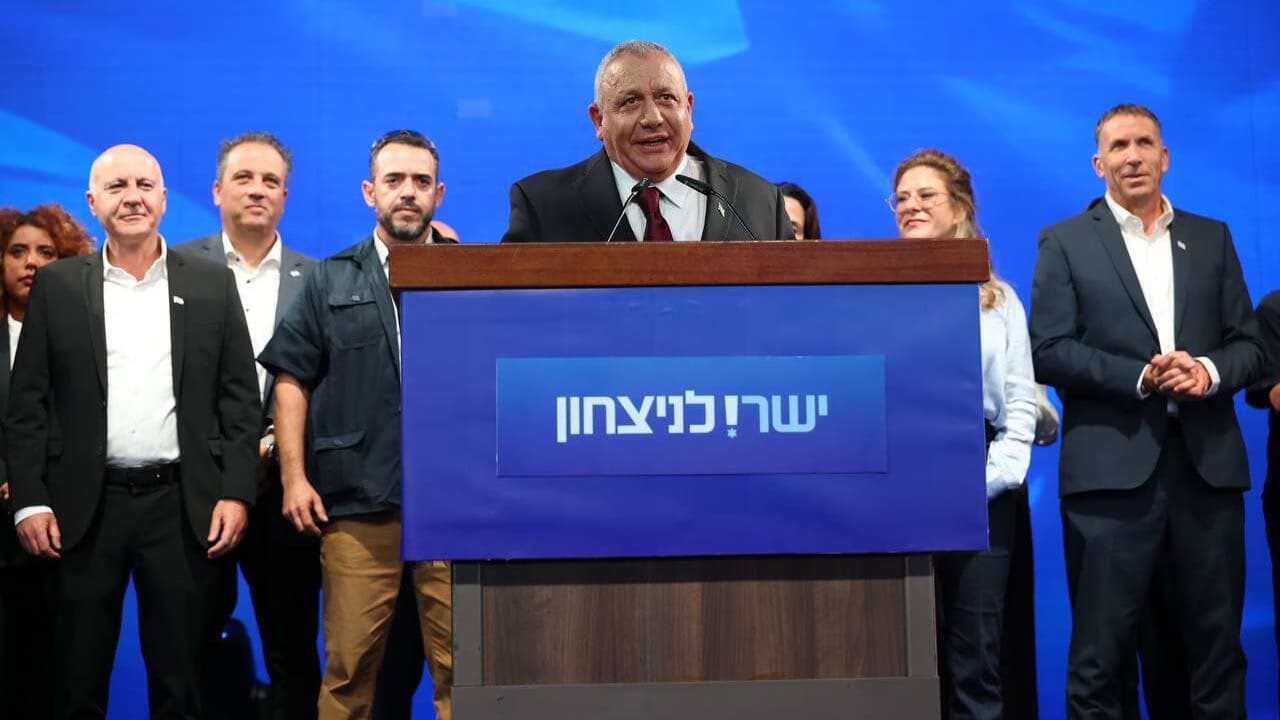
Gadi Eizenkot, Israel’s former chief of staff and leader of the Yashar party, pledged to act “as quickly as possible” to prevent new elections and stop Prime Minister Benjamin Netanyahu from further consolidating his hold on power, a week after the general election held on October 27. He made the remarks in a video address on Tuesday after a meeting with bloc leaders Naftali Bennett, Avigdor Lieberman and Yair Golan, describing it as “good and important.”
“National emergency government” and repeal of laws
Eizenkot renewed his pledge to form a “national emergency government” based on principles whose details he said he would announce later. He explained that his plan in the Knesset included replacing the parliamentary speaker, passing “important” legislation and “repealing laws that endanger democracy,” apparently referring to the judicial overhaul laws passed by the outgoing government. “We will act as quickly as possible to prevent Israel from being dragged into another election,” he said.
Eizenkot said Netanyahu had become, as of Tuesday, “a transitional government prime minister backed by only 46 members of the Knesset,” suggesting that the ultra-Orthodox United Torah Judaism party, which holds seven seats, was no longer being counted as part of Netanyahu’s camp. He warned that the coming days would be “filled with leaks and false, ugly briefings,” stressing that he and his allies would not be deterred.
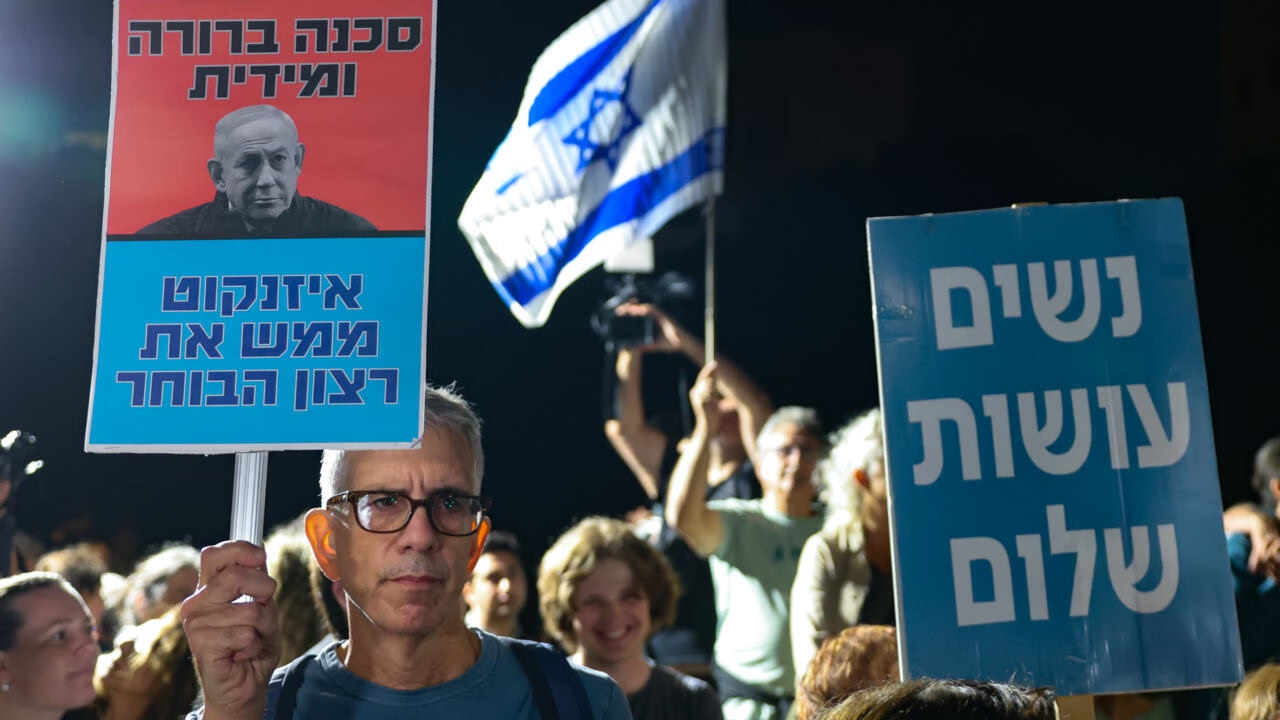
Accusations of “delegitimizing” the results
Eizenkot had accused Netanyahu and the Likud party of waging an “organized campaign to delegitimize” the election results, pledging not to allow the new Knesset’s swearing-in to be delayed “even by an inch” beyond its scheduled date. In his victory speech, he described Netanyahu as “a caretaker prime minister without a mandate or public confidence,” warning him: “Do not dare use Israel’s security for your political purposes.”
The leaders of five opposition parties agreed during a meeting in Herzliya to recommend Eizenkot to President Isaac Herzog for the first mandate to form a government. Coalition arithmetic remains complicated, however: Netanyahu’s camp won 53 seats, compared with 48 for the opposition bloc, while the Joint List and the United Arab List won 19 seats. Lieberman rejects forming a minority government dependent on the support of Arab lawmakers. Herzog called on the parties to engage in consultations “with an open heart” to avoid new elections.
Photos: ynet, France 24. Video: social media