Retired Major General Alon said at an event organized by the Washington Institute for Near East Policy that the prolonged Israeli army attacks on the Gaza Strip had caused loss of life.
Alon criticized Netanyahu’s resistance to signing a ceasefire and hostage-swap deal. Arguing that all Israeli hostages could have been released a year earlier without changing the outcome of the war, Alon said the opportunity had been missed and that the hostages killed during the process could have been saved.
Alon said protesters calling on Netanyahu to immediately sign a ceasefire and hostage-swap deal had gathered in city squares every week until October 2025. He said the demonstrations had given him the strength to continue serving as part of Israel’s negotiating team.
Alon’s previous criticism of Netanyahu
Alon, who retired from the Israeli army at the end of 2025, had also criticized Israel’s far-right government in July for resisting a ceasefire and hostage-swap deal.
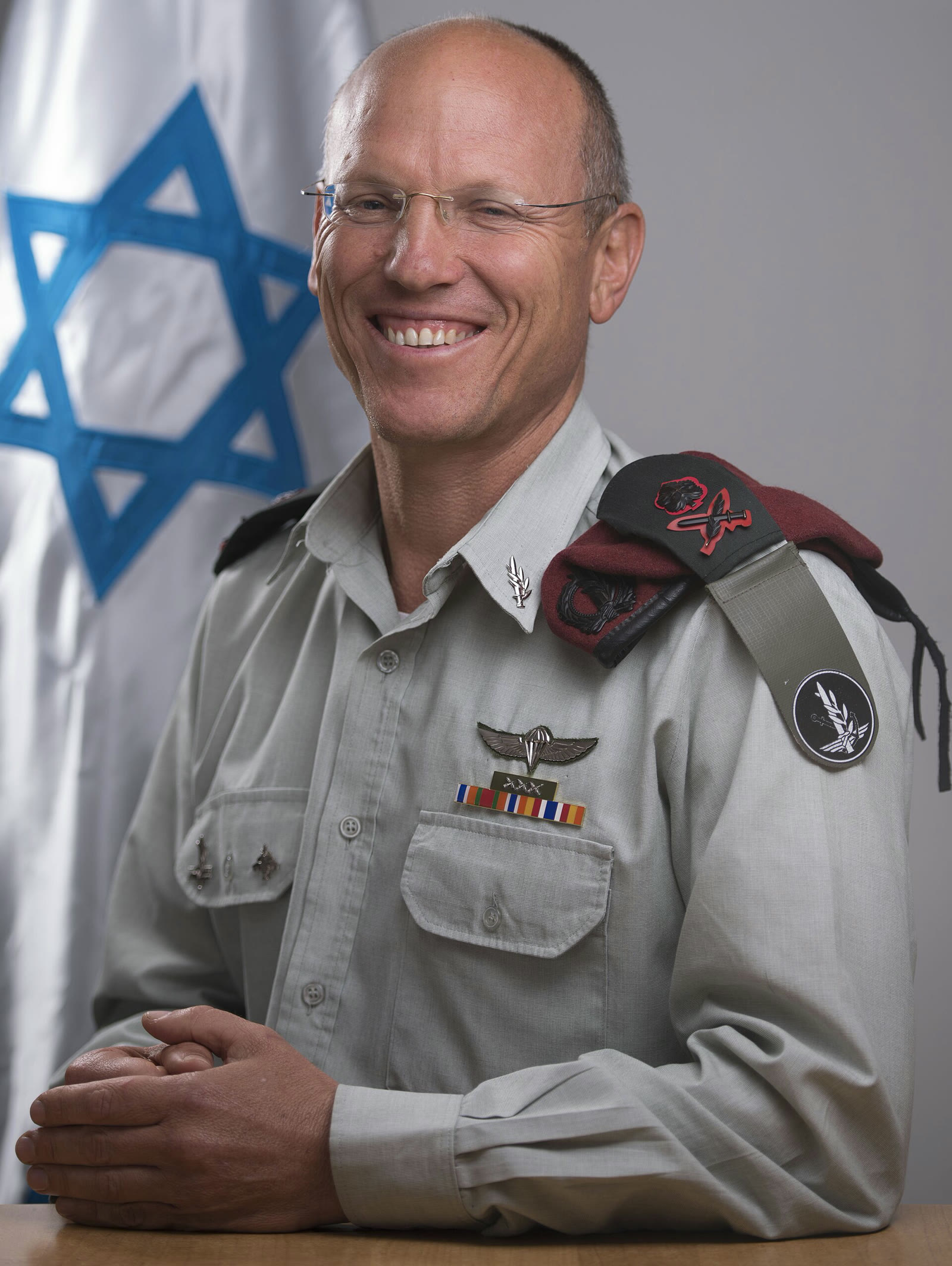
Alon had said that many Israeli hostages could have survived and returned home if different decisions had been made, adding that the attacks on the Gaza Strip could have ended at least a year earlier.
Alon had argued that the cabinet and political leadership rejected previous comprehensive agreements on the grounds of achieving absolute victory, claiming that the decision was driven more by domestic political objectives than strategic goals.
The second phase of the Gaza ceasefire
The Gaza ceasefire agreement took effect on October 10, 2025. The first phase of the agreement provided for a hostage exchange, increased humanitarian aid deliveries and the partial withdrawal of the Israeli army from certain areas.
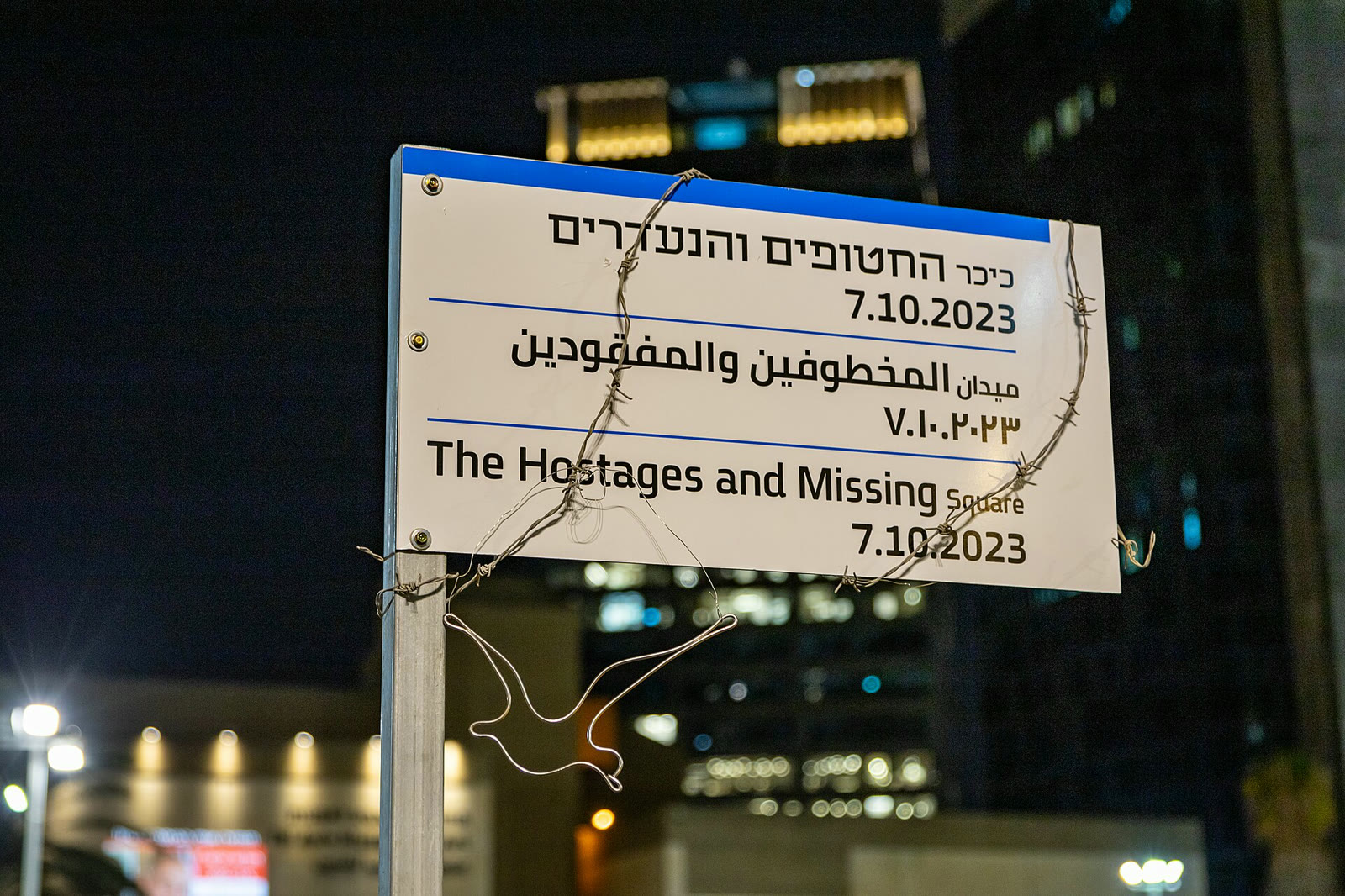
Palestinian sources say that Israel has not fully fulfilled its obligations under the agreement and that the attacks have continued.
The second phase of the ceasefire will address the governance of Gaza, reconstruction, the deployment of international forces, Israel’s withdrawal and certain political and security arrangements.
Representatives of Palestinian groups and the guarantor countries began contacts on the second phase in Cairo on June 7.