- BIST10011,430-2.49%
- USD49.45+0.05%
- EUR55.62+0.37%
- GOLD4,165.20-0.38%
- INTEREST37.00%-1.00
- BITCOIN81,824-0.23%
- October 19, 202616°
- BIST10011,430-2.49%
- USD49.45+0.05%
- EUR55.62+0.37%
- GOLD4,165.20-0.38%
- INTEREST37.00%-1.00
- BITCOIN81,824-0.23%
- October 19, 202616°
Gold Prices Decline Amid Iran Tensions
Gold prices fell due to the lack of progress in US-Iran peace talks and the paralysis of maritime traffic in the Strait of Hormuz. While concerns about inflation and interest rates are increasing in the markets, the decrease in China's gold production is also being closely monitored.
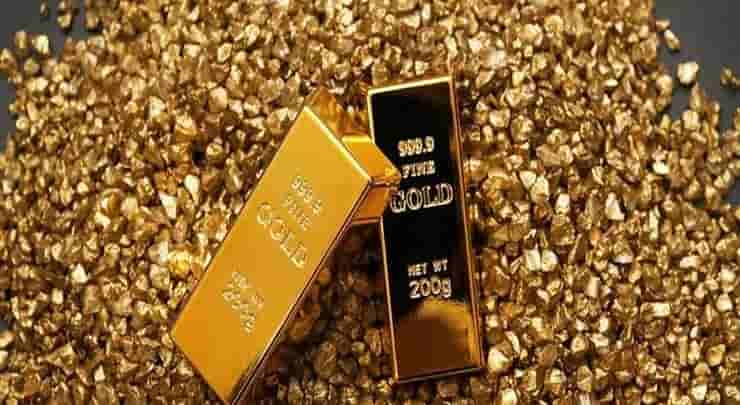
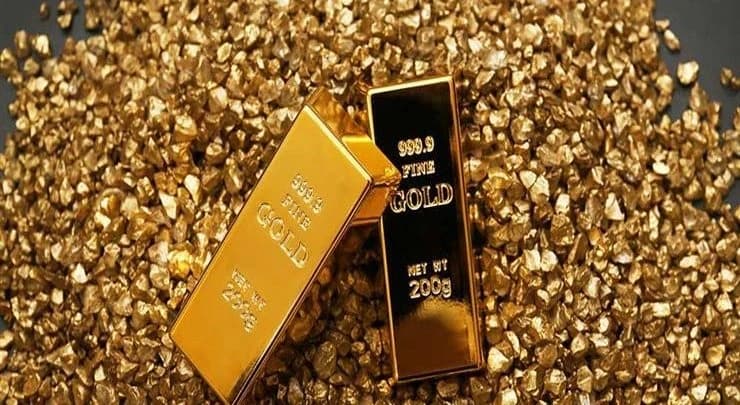
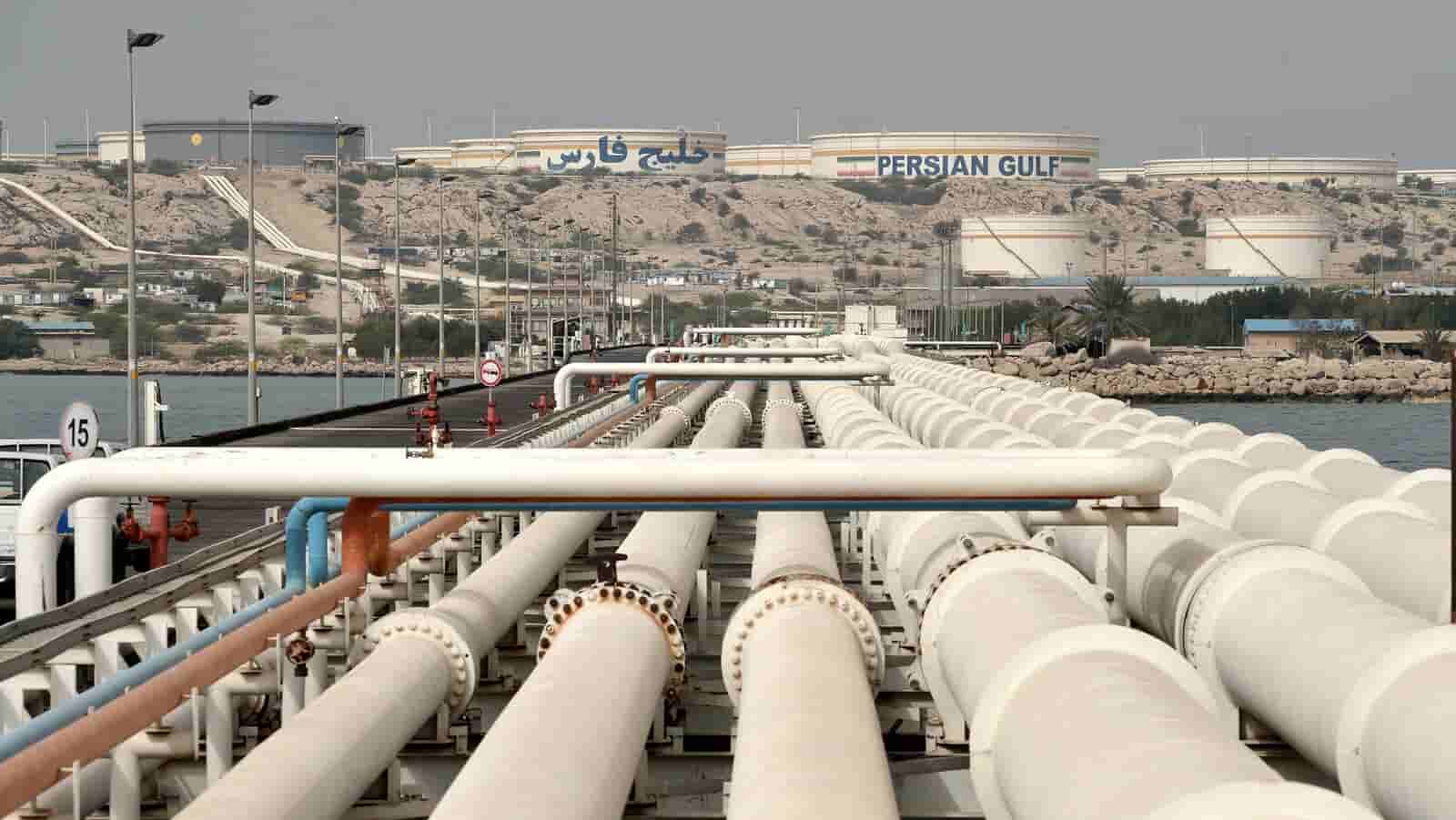
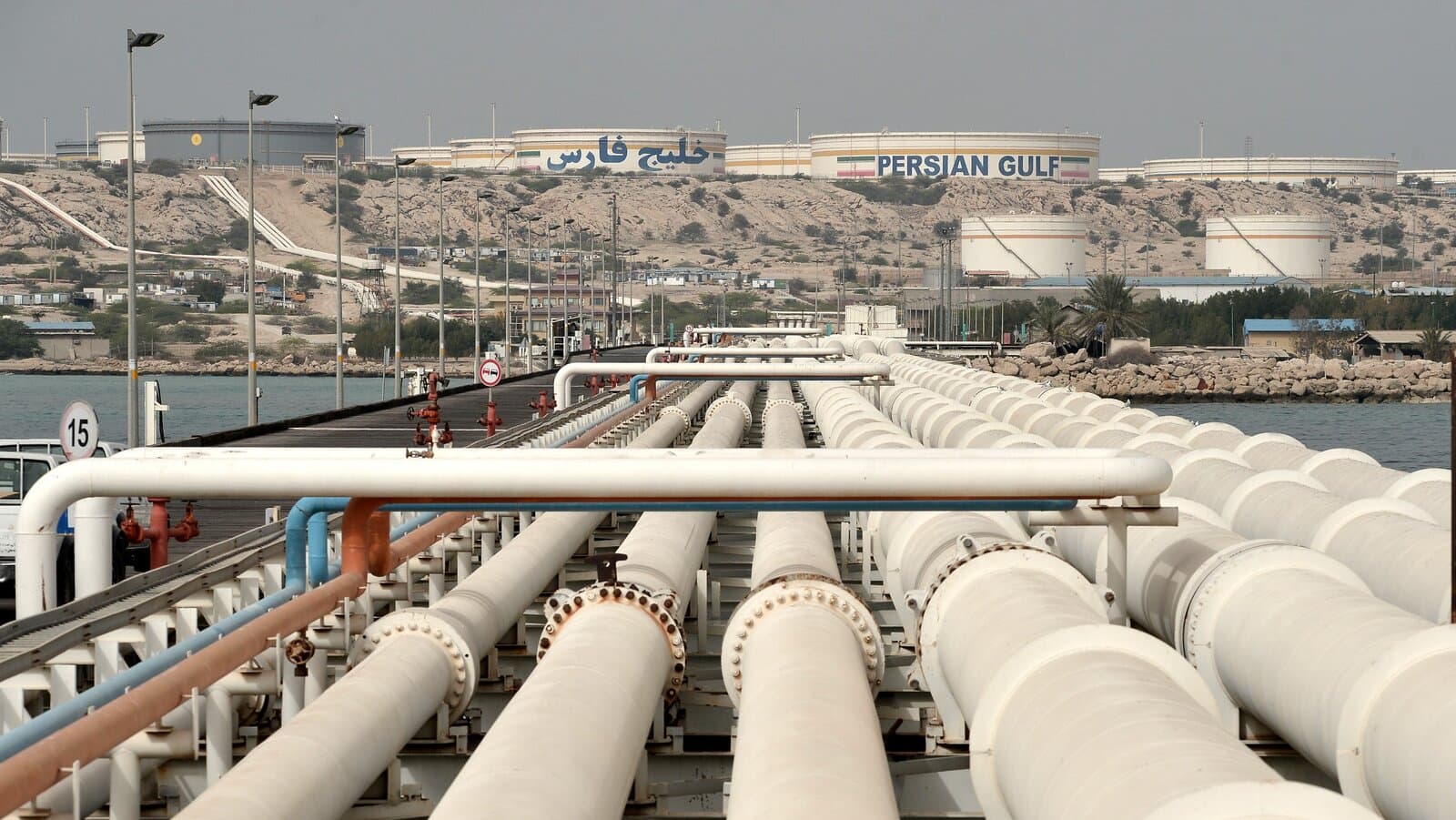
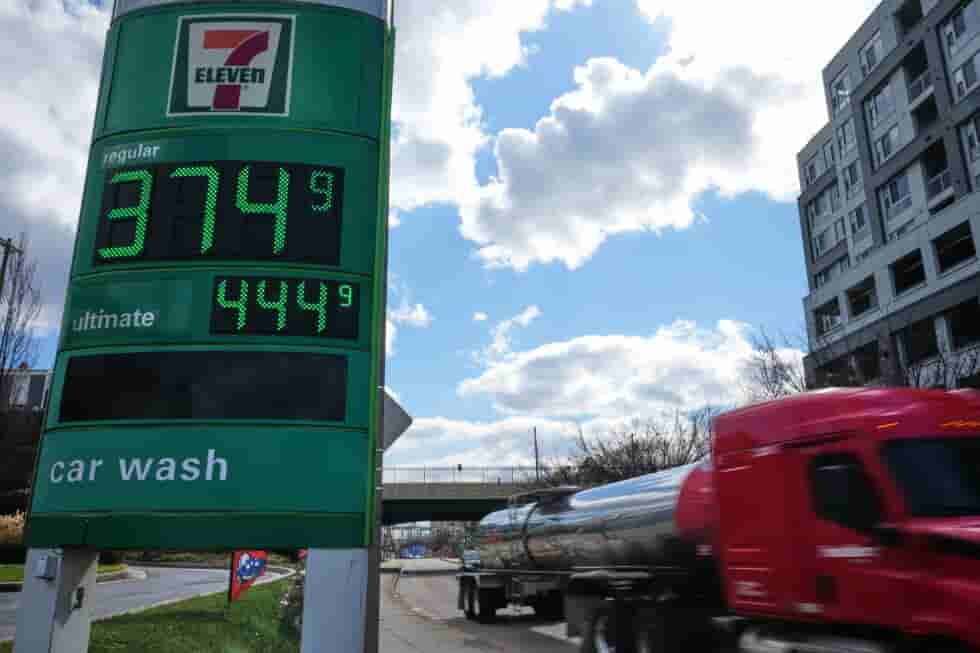
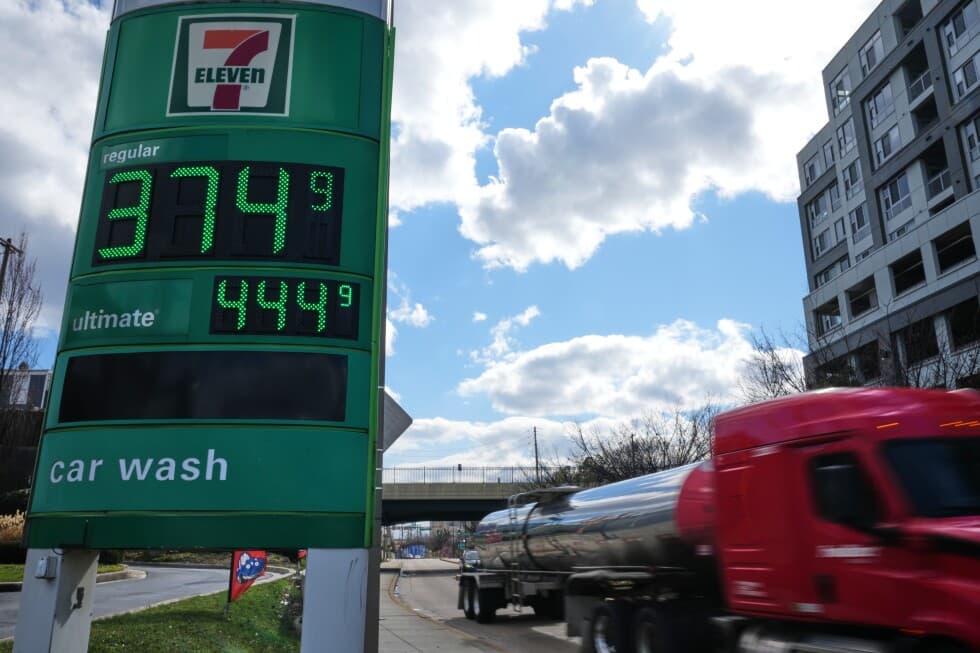
Gold prices declined due to the lack of progress in peace talks between the US and Iran and the significant halt of maritime traffic in the Strait of Hormuz. These developments led to rising oil prices, increasing concerns that inflation may remain high and interest rates may stay elevated for a long time.
Spot gold prices in the market fell by 1.2% to $4,657.89 per ounce. US gold futures also dropped 1.4% to $4,665.70. The strengthening of the dollar made gold more expensive compared to other currencies.
US President Donald Trump's negative response to Iran's peace proposal weakened the possibility of ending the conflict that has lasted for 10 weeks. This situation caused widespread damage in Iran and Lebanon, paralyzed maritime traffic in the Strait of Hormuz, and increased global energy prices.
According to the Federal Reserve's semi-annual report, the ongoing war with Iran and its impact on energy markets pose a significant risk to financial stability. Goldman Sachs delayed the Fed's interest rate cuts to late 2026 and early 2027, citing that high energy prices will keep inflation elevated.
Investors are closely monitoring the US Consumer Price Index data to be released this week. Additionally, it was reported that China's gold production declined in the first quarter of 2026. This is due to some production facilities being closed for maintenance because of safety inspections.
Markets expect gold to continue fluctuating between $4,400 and $4,800. Declines were also observed in other precious metals; silver lost 0.2%, platinum 1.2%, and palladium 0.7% in value.
Sponsored Ads
Featured Listings
Loading featured properties...
Stay Updated with Hilal Times
Subscribe to be informed about special news, developments and announcements. We will keep you informed.
By signing up, you agree to our Privacy Policy