- BIST10011,593-1.10%
- USD49.45+0.05%
- EUR55.62+0.37%
- GOLD4,191.40+0.25%
- INTEREST37.00%-1.00
- BITCOIN82,130+0.14%
- October 19, 202617°
- BIST10011,593-1.10%
- USD49.45+0.05%
- EUR55.62+0.37%
- GOLD4,191.40+0.25%
- INTEREST37.00%-1.00
- BITCOIN82,130+0.14%
- October 19, 202617°
Hard line on Gaza and Palestinian statehood dominates Israeli election
Ahead of Israel’s Oct. 27 election, most leading parties reject a Palestinian state while advocating continued military operations in Gaza and the West Bank and the expansion of settlements. An Oct. 14 poll gave opposition lists 50 seats and Prime Minister Benjamin Netanyahu’s coalition partners 47, with neither bloc reaching the 61 seats needed to form a government.


Israel’s Oct. 27 election will take place against a backdrop dominated by hardline policies on Gaza and the occupied West Bank. Many parties in both the government and the opposition oppose a Palestinian state, while some right-wing parties advocate annexation, the expansion of settlements and the removal of Palestinians from Gaza.
An Oct. 14 Madad poll projected 50 seats for the bloc uniting four opposition lists and 47 seats for the parties in Prime Minister Benjamin Netanyahu’s current coalition. As 61 seats are needed to form a government in the Israeli parliament, neither side reached a majority on its own.
Annexation and forced displacement proposals in the ruling bloc
Likud, which has led the government since December 2022, came second in the poll with 18 seats. The party advocates not ending the Israeli forces’ occupation of Gaza until Hamas is fully disarmed and describes a Palestinian state as a security threat.
Likud even accuses opposition leaders who openly oppose a Palestinian state of paving the way for one. The party’s government has accelerated settlement expansion in the occupied West Bank, and ministers have argued that this construction will prevent Palestinian independence.
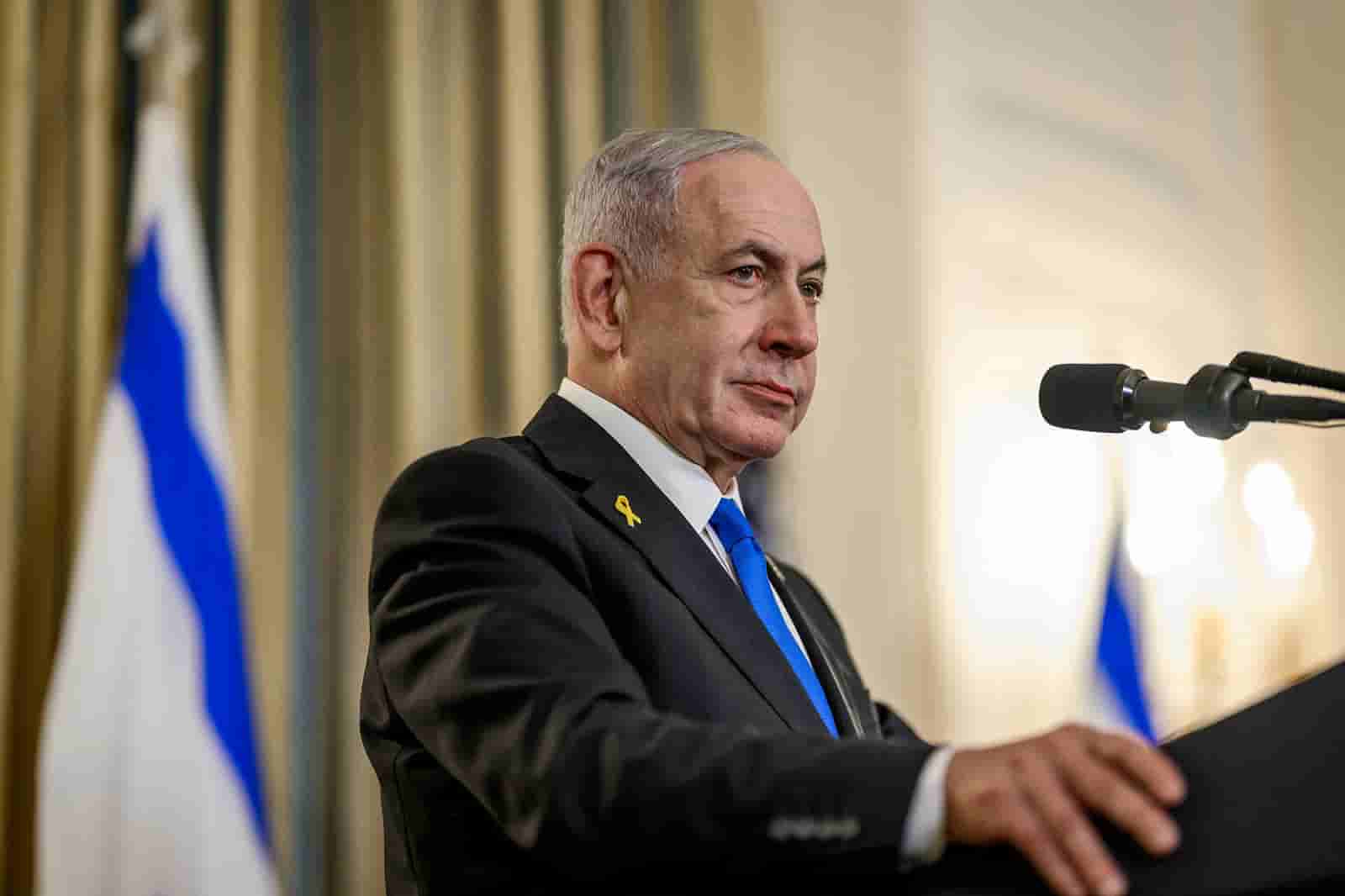
Likud leader Netanyahu is the subject of an International Criminal Court arrest warrant over alleged war crimes and crimes against humanity, including the use of starvation as a method of warfare. In his September speech at the UN General Assembly, Netanyahu rejected reports that settler violence in the West Bank had reached record levels and described the attackers as “a handful of young hooligans.”
Religious Zionism, the far-right coalition partner led by Finance Minister Bezalel Smotrich, won six seats in the poll. Smotrich has called for dismantling the Palestinian Authority and extending the war in Gaza to the West Bank; in September, he called for Israel to do in the West Bank what it has done in Gaza.
Smotrich has also advocated annexing the areas Israel occupies in Gaza. According to a proposal presented in September 2025, the party wants about 82% of the West Bank to be annexed. Religious Zionism says the plan would split Palestinians into territorially disconnected enclaves and eliminate the possibility of an independent Palestinian state.
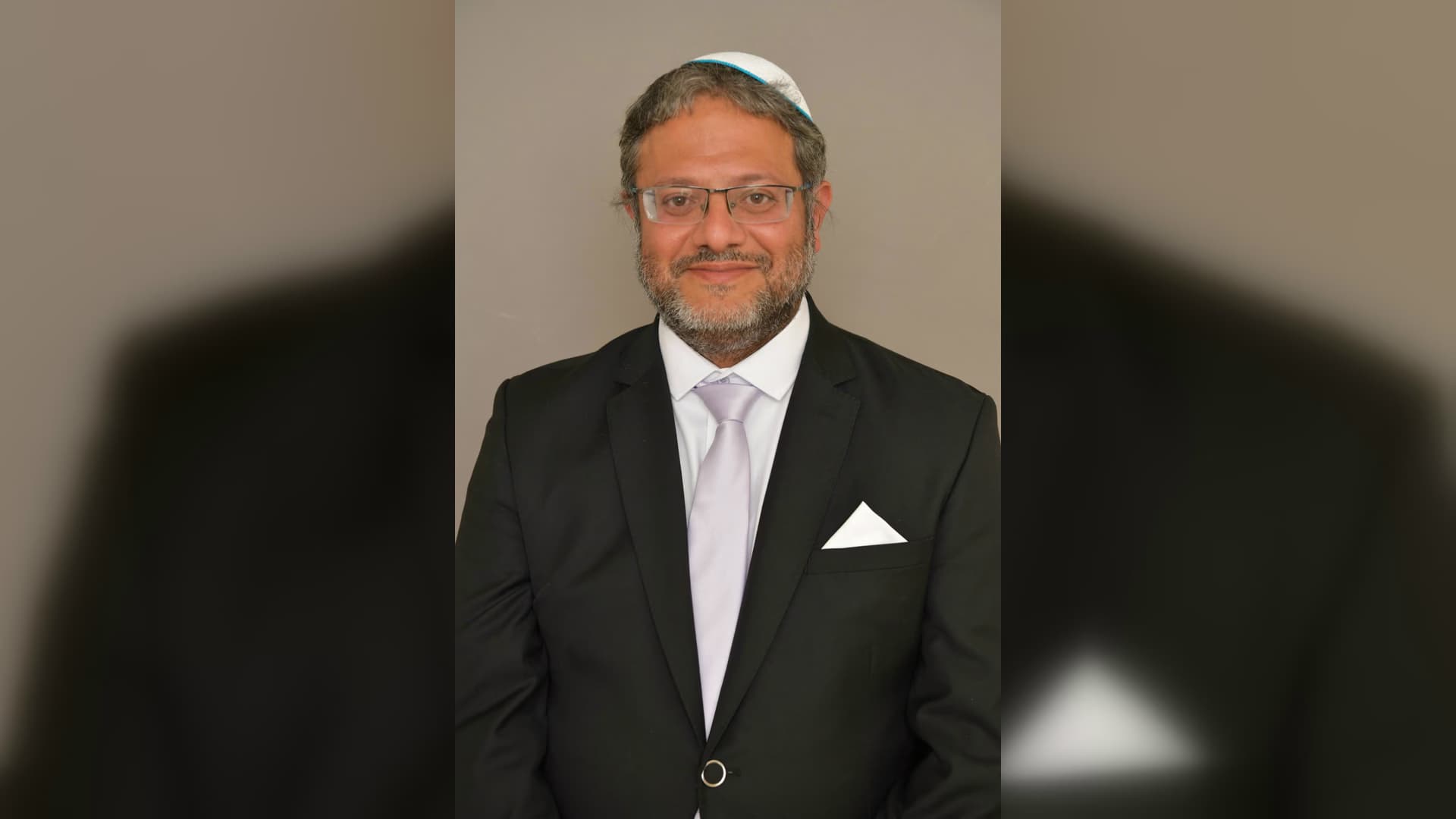
Jewish Power, led by National Security Minister Itamar Ben-Gvir, was projected to win eight seats. At a campaign rally in September, Ben-Gvir presented a plan for the removal of 1.86 million Palestinians from Gaza within seven years under the guise of “voluntary emigration.”
Ben-Gvir also advocates re-establishing Israeli settlements in Gaza and preventing Palestinian self-rule. A supporter of harsh measures such as reducing food given to Palestinian detainees, Ben-Gvir said in August 2026 that Israeli forces should kill 30 to 40 people in Gaza every night and claimed that all of Gaza belongs to Israel.
Opposition also includes opponents of a Palestinian state
Yashar, led by former military commander Gadi Eisenkot, topped the poll with 20 seats. Speaking near Gaza, Eisenkot said that if he became prime minister he would end Hamas rule within 18 months. He left open either implementing US President Donald Trump’s framework or a military operation to achieve this goal.
In an Oct. 11 podcast, Eisenkot rejected the two-state solution, saying that “the principle of two states for two peoples was a mistake.” Eisenkot, who also opposes incorporating millions of Palestinians into Israel, wants to preserve a strong Jewish majority.
The Together alliance of former prime ministers Naftali Bennett and Yair Lapid won 12 seats in the poll. Bennett opposes a Palestinian state and advocates continuing military operations in Gaza until Hamas is disarmed.
Although Lapid says he supports a two-state solution in the long term, he has not pledged to reverse settlement expansion in the occupied West Bank. Bennett, for his part, supports the settlement expansion policy that strengthens Israel’s control over Palestinian territory.
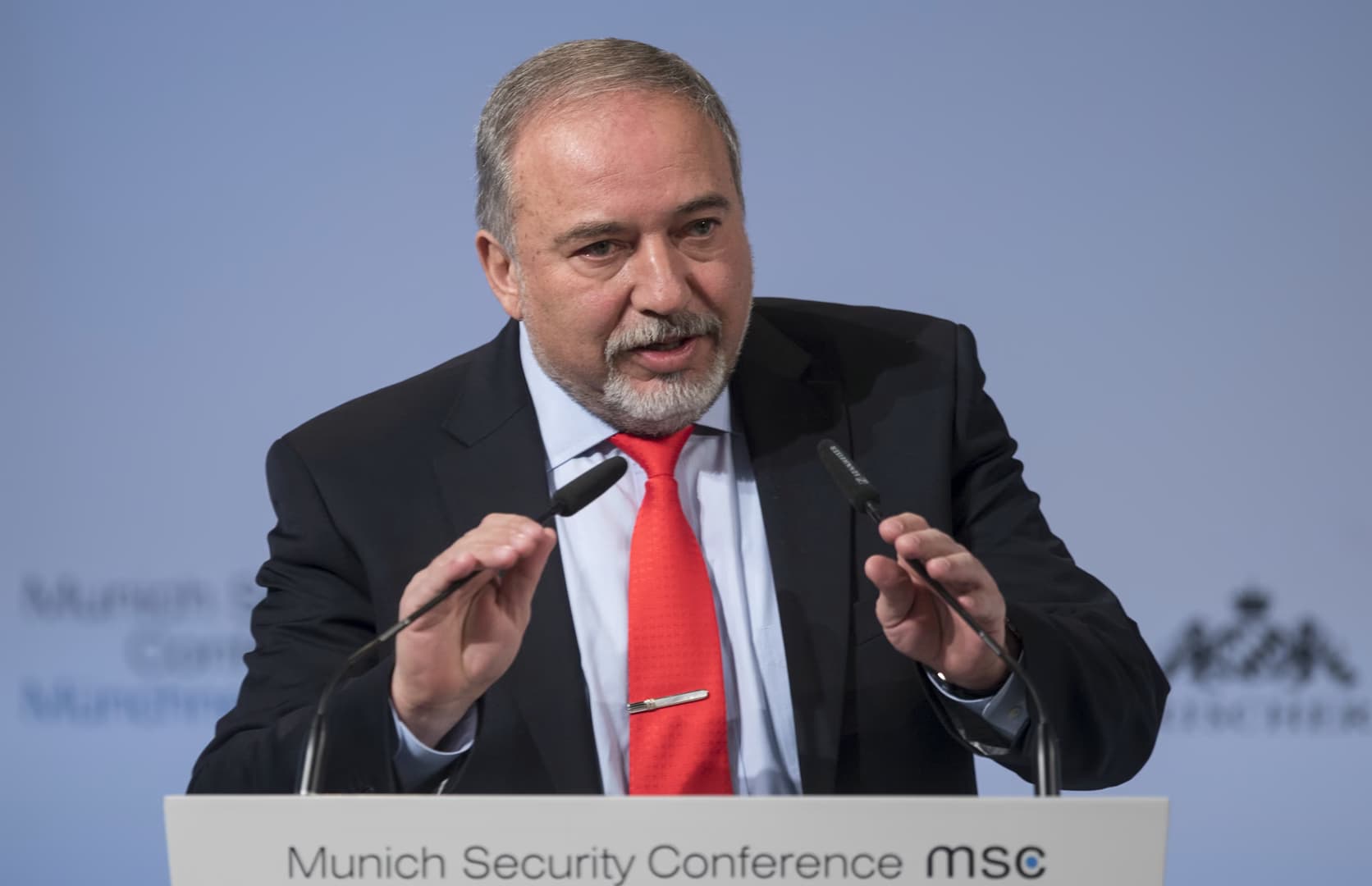
Avigdor Lieberman’s secular nationalist Yisrael Beytenu won nine seats in the poll and has joined the opposition electoral alliance. Lieberman proposes dismantling the Palestinian Authority and annulling the Oslo Accords.
Under Lieberman’s plan, Jordanian administration would replace Palestinian self-rule in Areas A and B of the occupied West Bank, while Israel would retain control over Area C, which makes up about 60% of the territory. Lieberman also advocates cutting off water, electricity and fuel supplies to Gaza and continuing Israeli military operations.
Other Israeli parties and Palestinian-led lists
Ofer Winter’s new Amcha Israel party was projected to win four seats. The party, which opposes a Palestinian state and advocates removing Palestinians from Gaza, is a potential coalition partner for Netanyahu. However, it may clash with the current religious partners because it supports ultra-Orthodox military service.
United Torah Judaism won eight seats and Shas seven. While these parties prioritize religious institutions and military service exemptions, Shas supports dismantling Hamas and demilitarizing Gaza but opposes keeping Gaza under Israeli control indefinitely.
The Reservists list led by Yoaz Hendel and Yaron Zelekha, projected to win four seats, is also among the options that could be influential in coalition talks.
The Palestinian-led Joint List was projected to win nine seats and Ra’am six. Votes for these parties could be decisive in the government formation process. However, Netanyahu and leading opposition figures rule out a governing partnership with Arab-led parties.
Ra’am leader Mansour Abbas wants recognition of an independent Palestinian state and an end to the occupation. Joint List leader Yousef Jabareen argues that support for a new government should be conditioned on progress toward establishing a Palestinian state.
In a July 2024 advisory opinion by the UN’s top court, Israel’s continued presence in the Palestinian territories was declared unlawful. The opinion called on Israel to halt new settlement activity and evacuate settlers.
Nevertheless, most of the leading parties in the election maintain policies that do not recognize Palestinian sovereignty. This approach indicates that military, administrative and settlement policies on Gaza and the West Bank will remain central issues after the election.
Stay Updated with Hilal Times
Subscribe to be informed about special news, developments and announcements. We will keep you informed.
By signing up, you agree to our Privacy Policy