- BIST10011,843+1.51%
- USD50.28+0.05%
- EUR55.60-0.24%
- GOLD3,886.30+0.03%
- INTEREST36.00%-1.00
- BITCOIN64,031-0.14%
- November 15, 202612°
- BIST10011,843+1.51%
- USD50.28+0.05%
- EUR55.60-0.24%
- GOLD3,886.30+0.03%
- INTEREST36.00%-1.00
- BITCOIN64,031-0.14%
- November 15, 202612°
CBS faces internal dispute over report linking Al-Sayed to Muslim Brotherhood
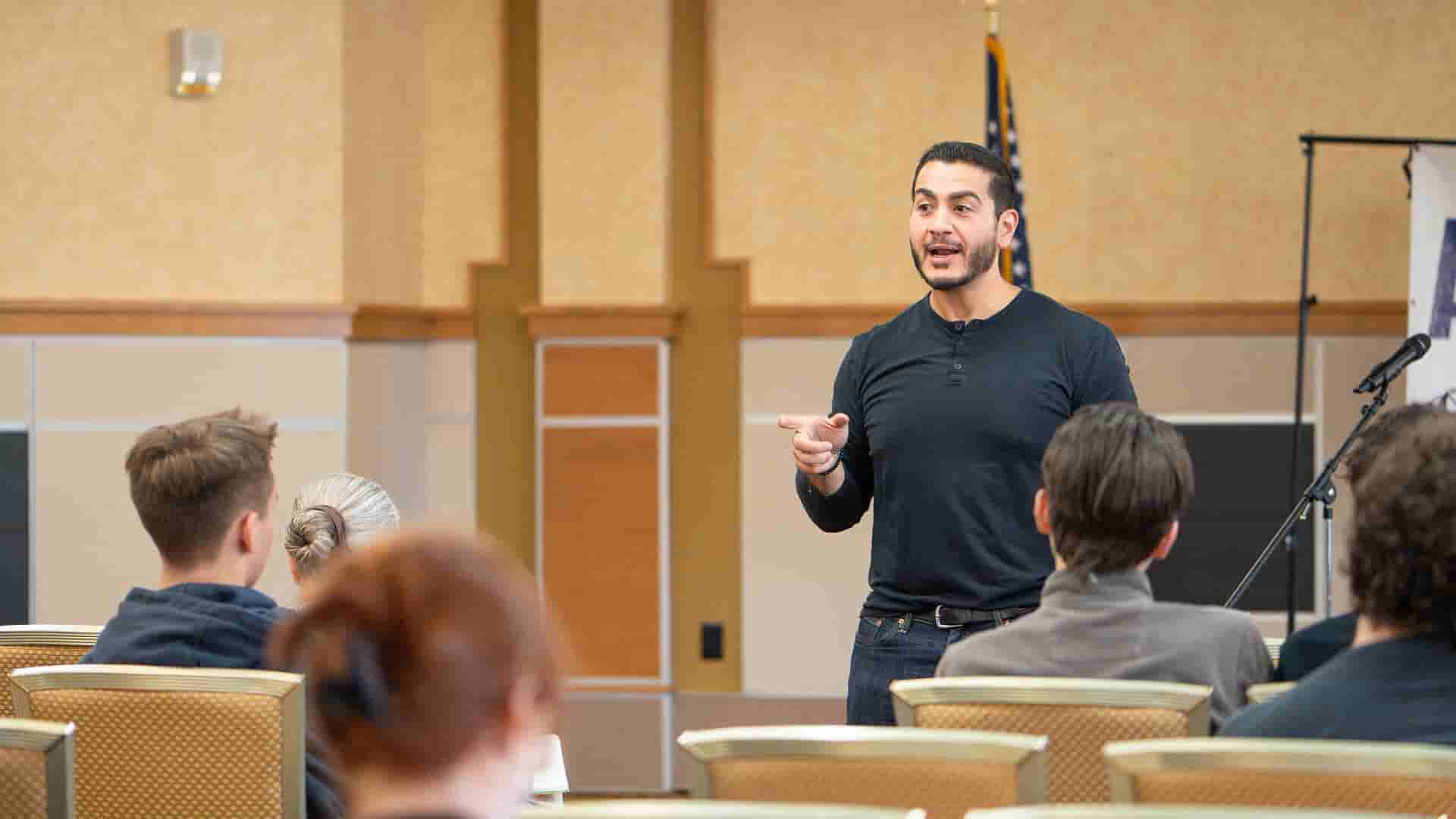
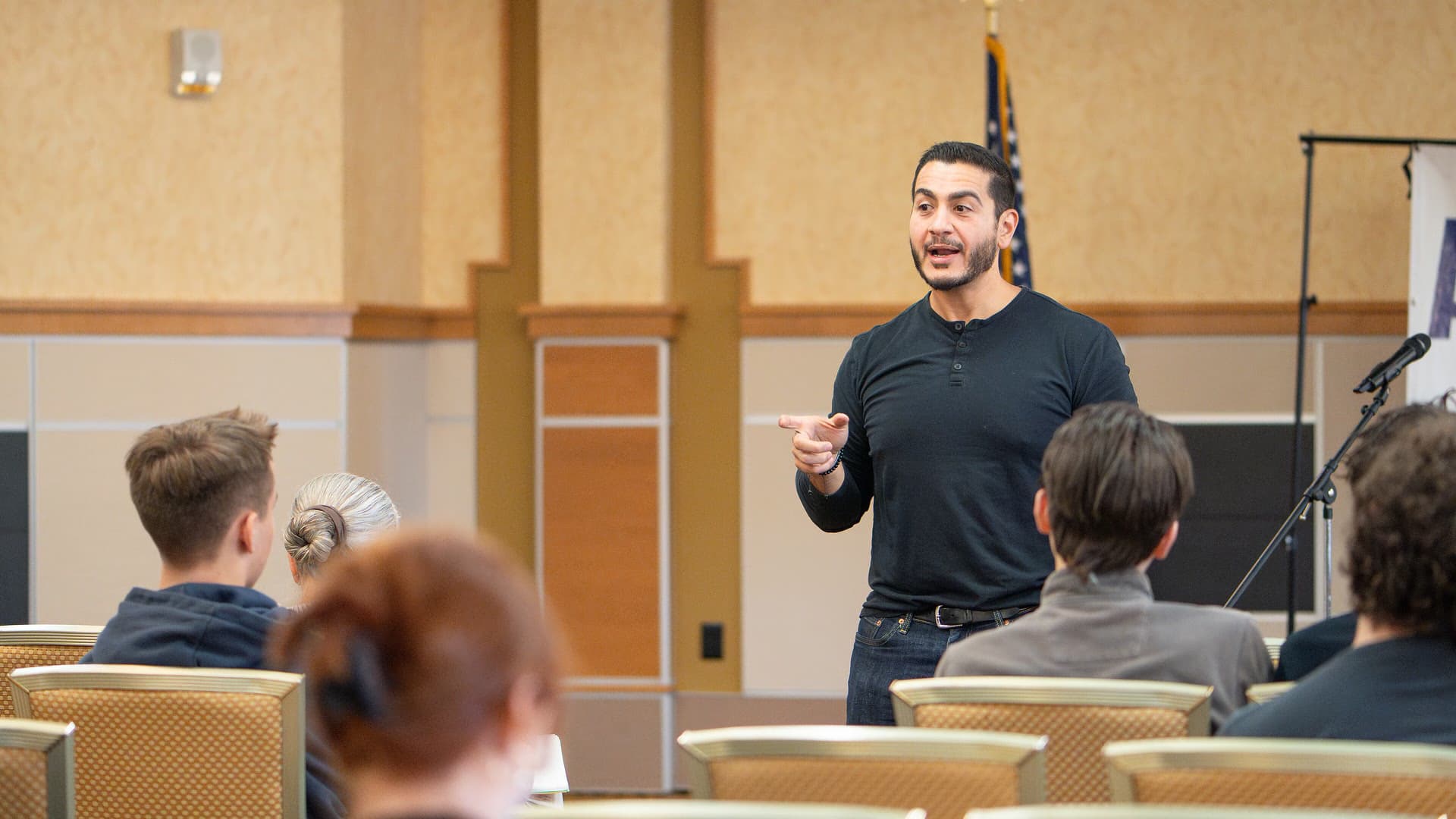
A news report revealed that a CBS News investigation into alleged ties between senator-elect Abdulrahman Al-Sayed and the Muslim Brotherhood faced internal objections from the network’s standards officials before publication, while the network denied any unusual dispute.
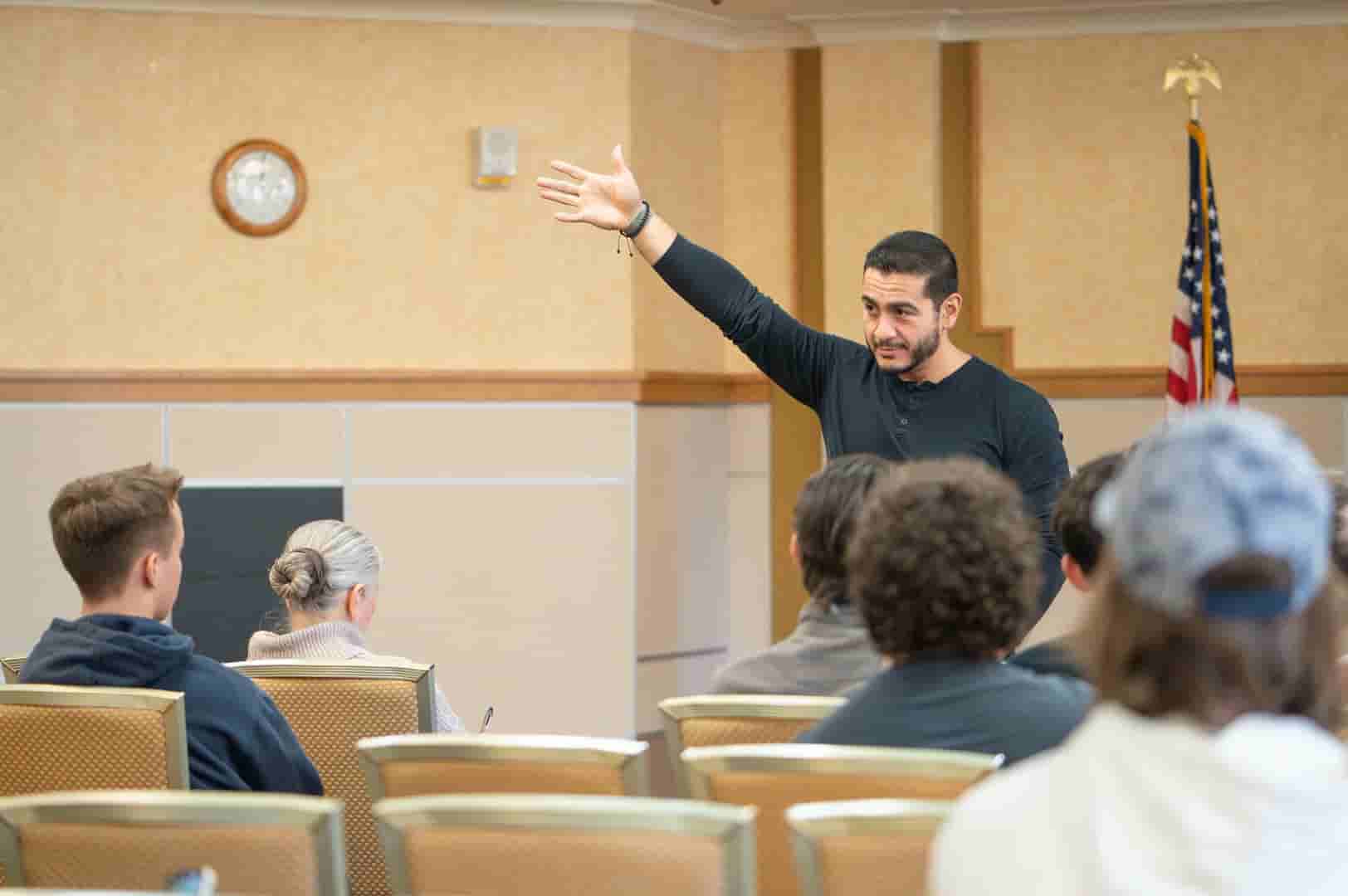
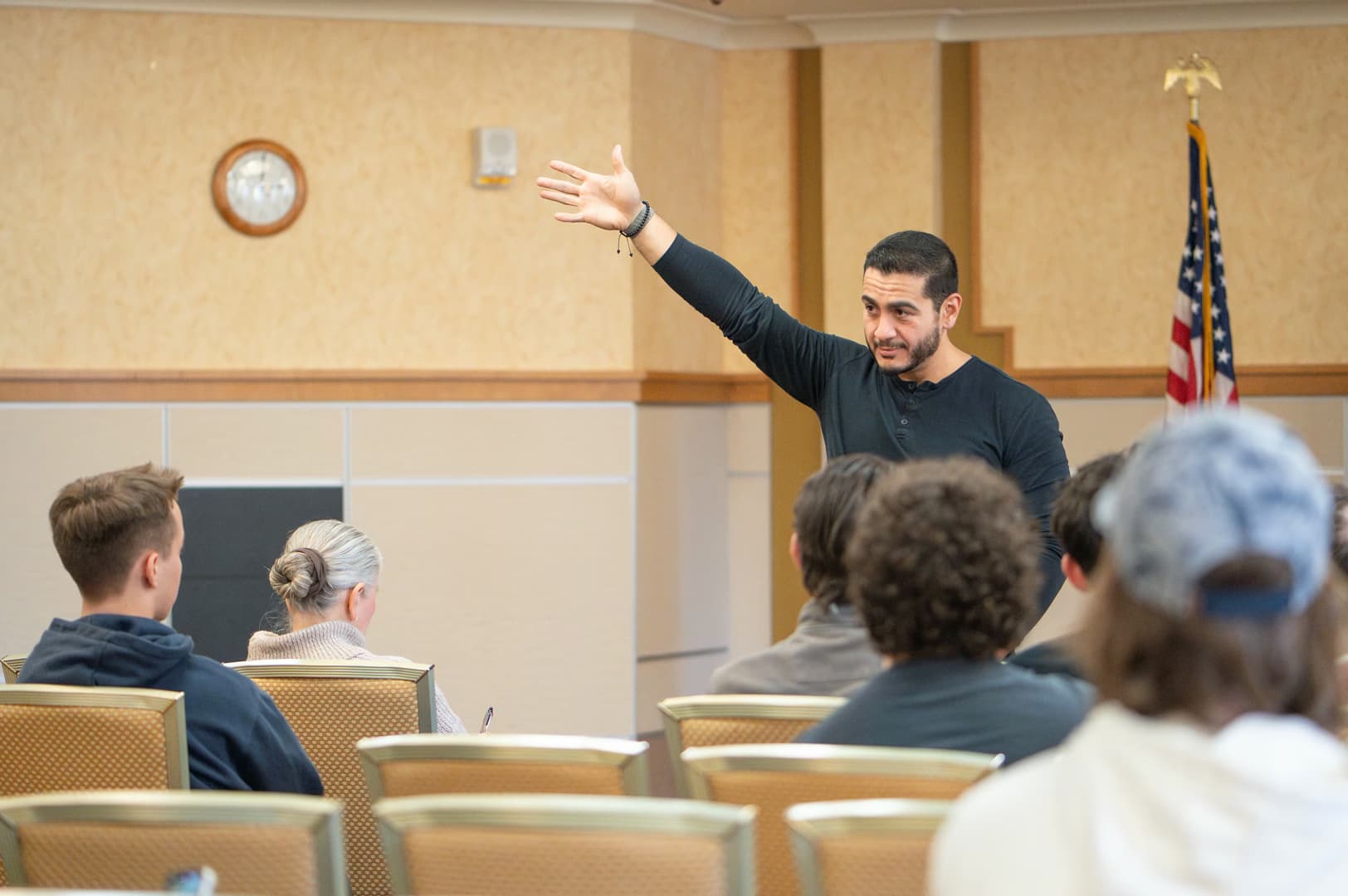
Journalist Justin Baragona revealed on Zeteo that a CBS News report published on October 29 about alleged ties between then-Democratic candidate Abdulrahman Al-Sayed and the Muslim Brotherhood faced significant internal resistance before publication, including objections from network president Tom Cibrowski, Mediaite reported.
Baragona cited two network sources as saying that standards officials questioned the absence of “damning evidence” and expressed concern that the report relied heavily on insinuation, guilt by association and anti-Muslim stereotypes.
The dispute followed an October report by Semafor that CBS News editor in chief Bari Weiss had personally encouraged the network’s journalists to devote substantial resources to investigating the alleged ties. She assigned the investigations unit to examine Al-Sayed’s background despite his repeated denials of any connection to the group. According to the report, Weiss’s deputies Charles Farel and Adam Rubenstein pushed for publication, while standards officials called for more context. The report ultimately added a reference stating that his Republican rival, Mike Rogers, had supported providing aid to the government of late Egyptian President Mohamed Morsi in 2012.
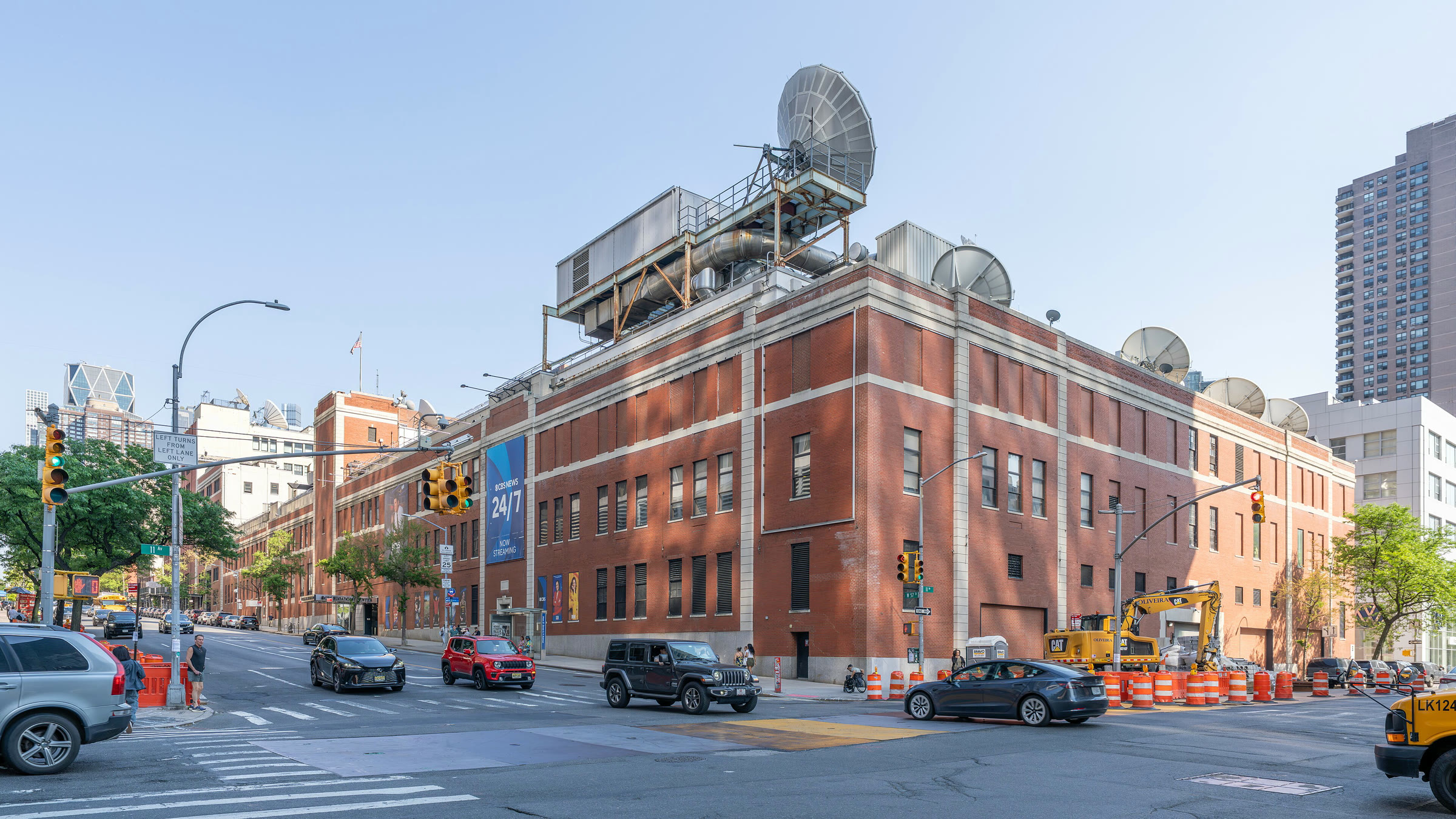
A CBS source, meanwhile, described what happened as “a very normal editorial process” in which the report was discussed by a team of senior officials, and denied that Farel and Rubenstein had strongly pressured the network to publish it. Another network source said Zeteo openly declares its support for Al-Sayed, while the CBS report went through the usual editorial channels and none of its information was challenged.
President Donald Trump and Rogers sought throughout the election campaign to link Al-Sayed to the Muslim Brotherhood. Al-Sayed denied this, stressing that he “has never been and never will be a member of the Muslim Brotherhood.” Al-Sayed won Michigan’s Senate seat in the November 3 election, becoming the first Muslim elected to the U.S. Senate.
Stay Updated with Hilal Times
Subscribe to be informed about special news, developments and announcements. We will keep you informed.
By signing up, you agree to our Privacy Policy