- BIST10011,661-1.54%
- USD50.39+0.22%
- EUR55.50-0.19%
- GOLD3,865.80+0.33%
- INTEREST36.00%-1.00
- BITCOIN63,602-1.89%
- November 17, 202615°
- BIST10011,661-1.54%
- USD50.39+0.22%
- EUR55.50-0.19%
- GOLD3,865.80+0.33%
- INTEREST36.00%-1.00
- BITCOIN63,602-1.89%
- November 17, 202615°
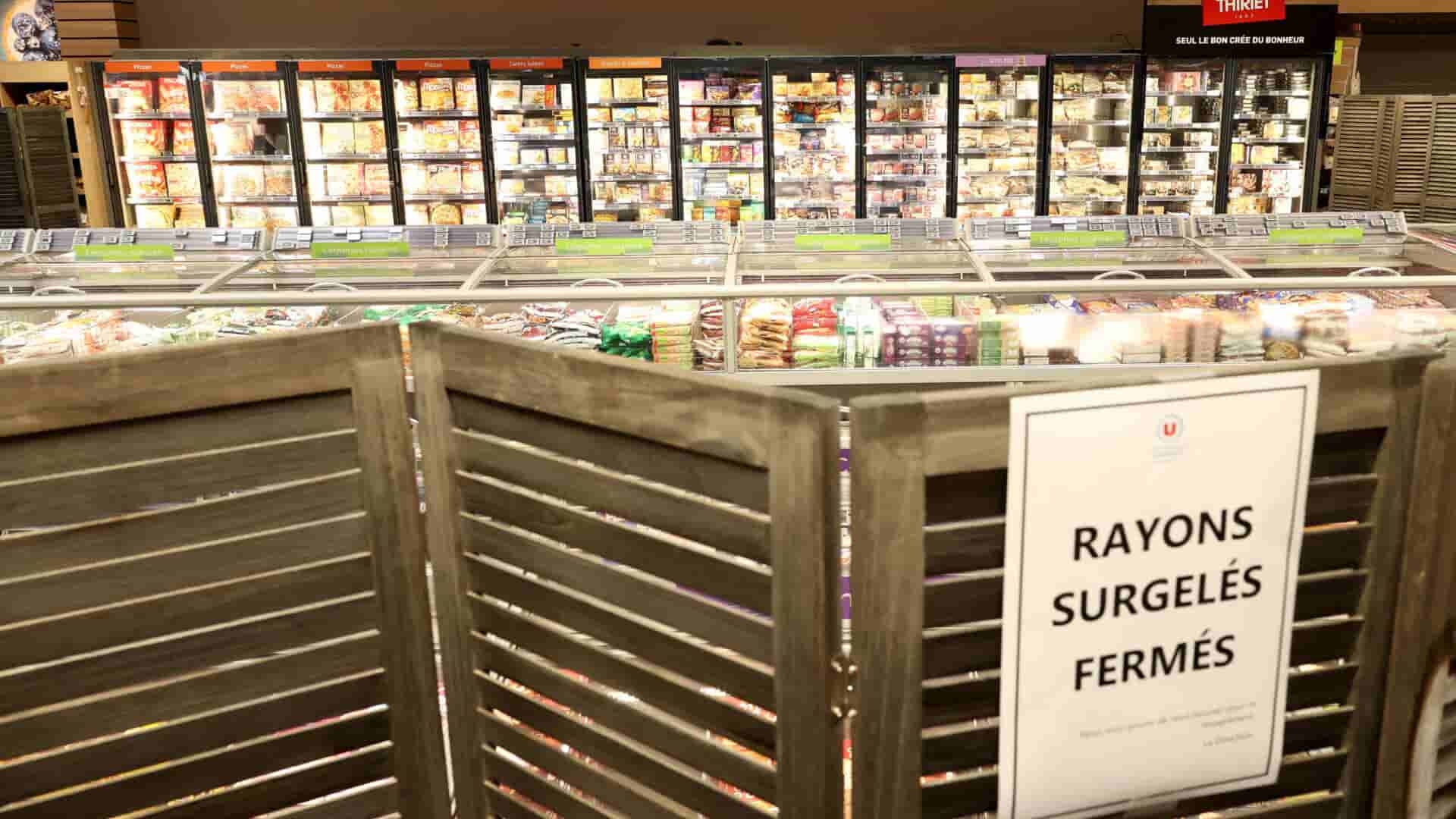
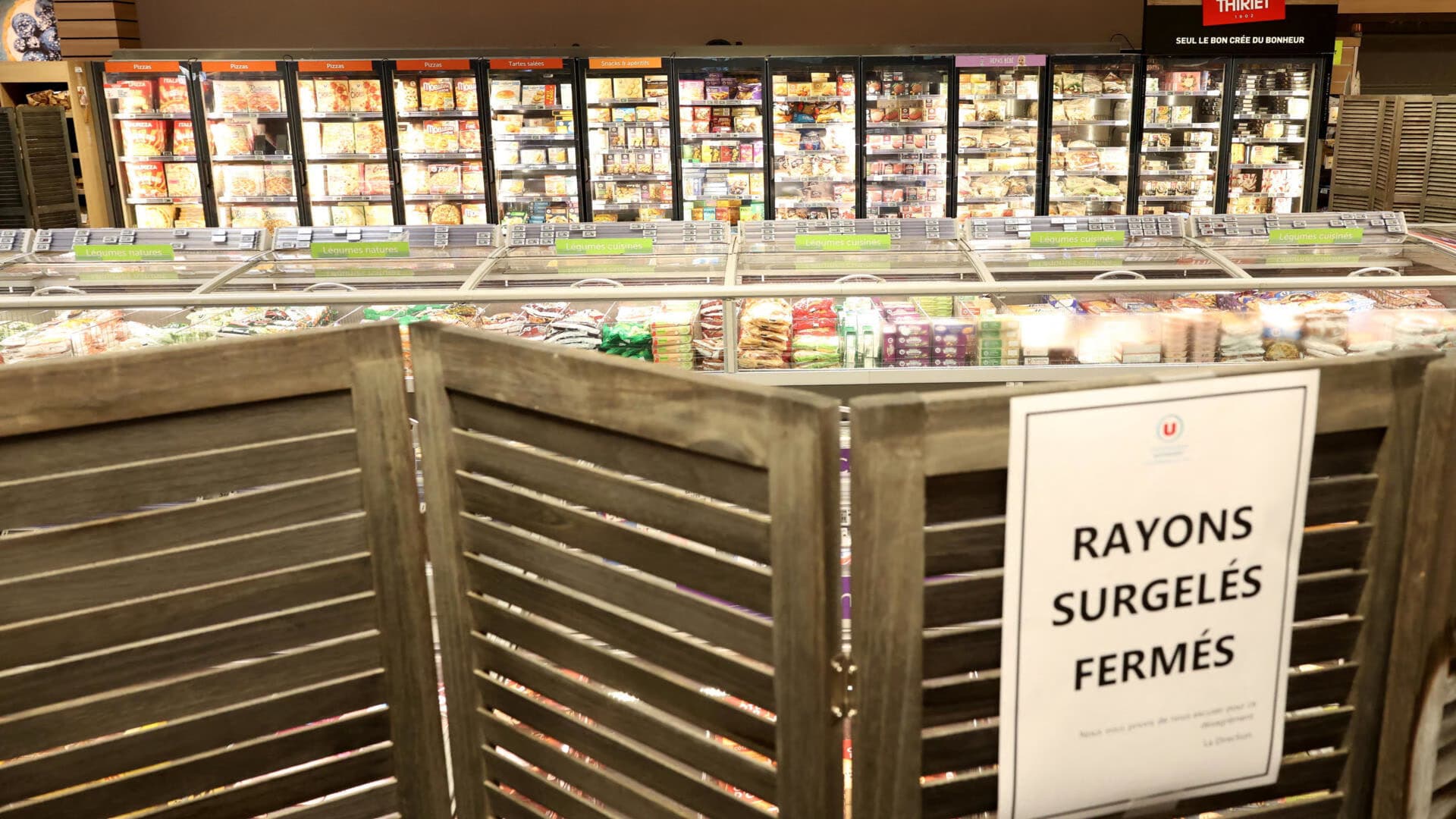
Iran's Revolutionary Guards deny targeting French store refrigerators, warn Paris of Israeli trap
Iranian Revolutionary Guards spokesman Brigadier General Mohbi called the French allegations “ridiculous,” stressing that civilians have no place on the Guards’ target list. Paris had requested international arrest warrants for three Iranians.
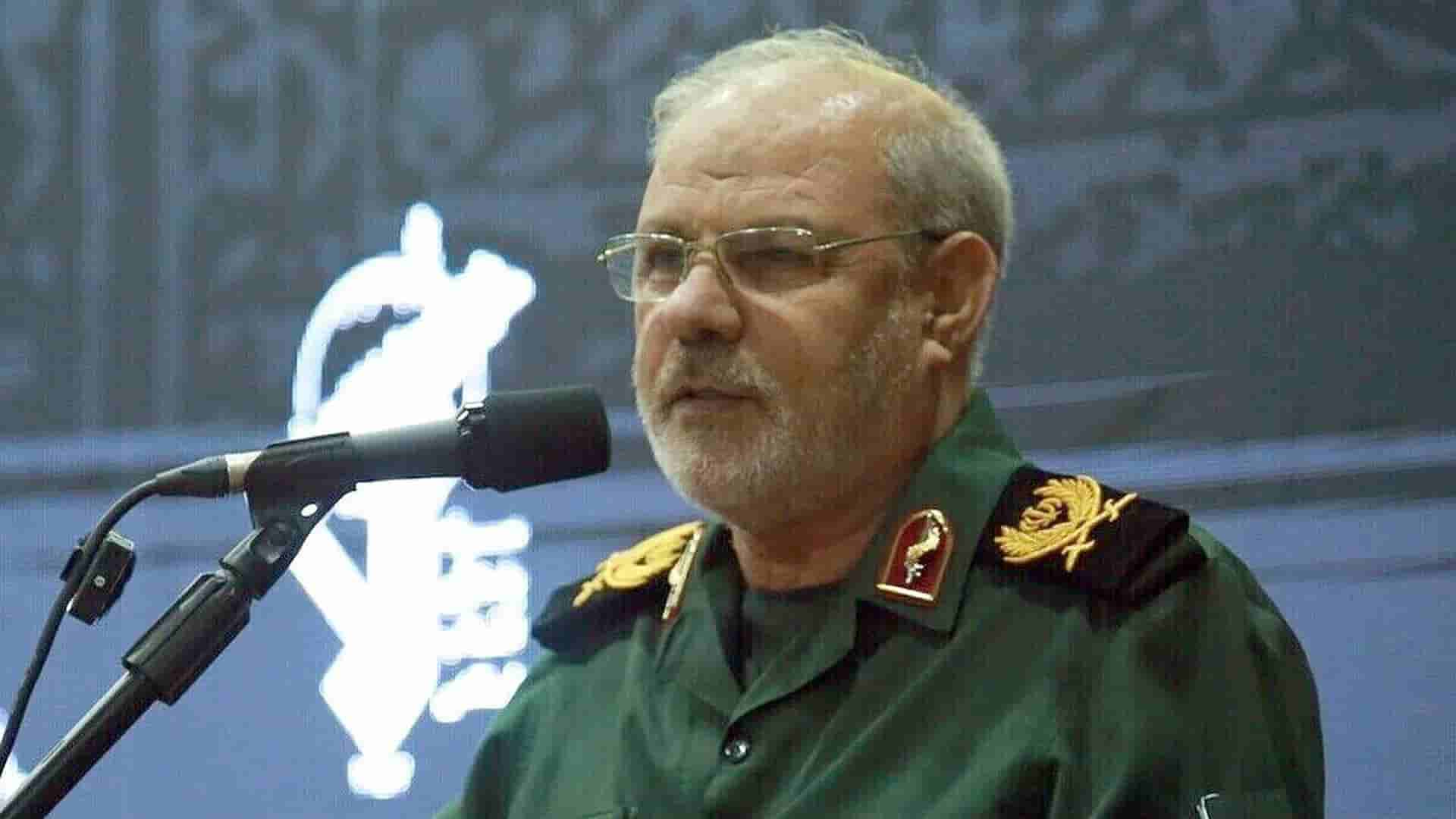
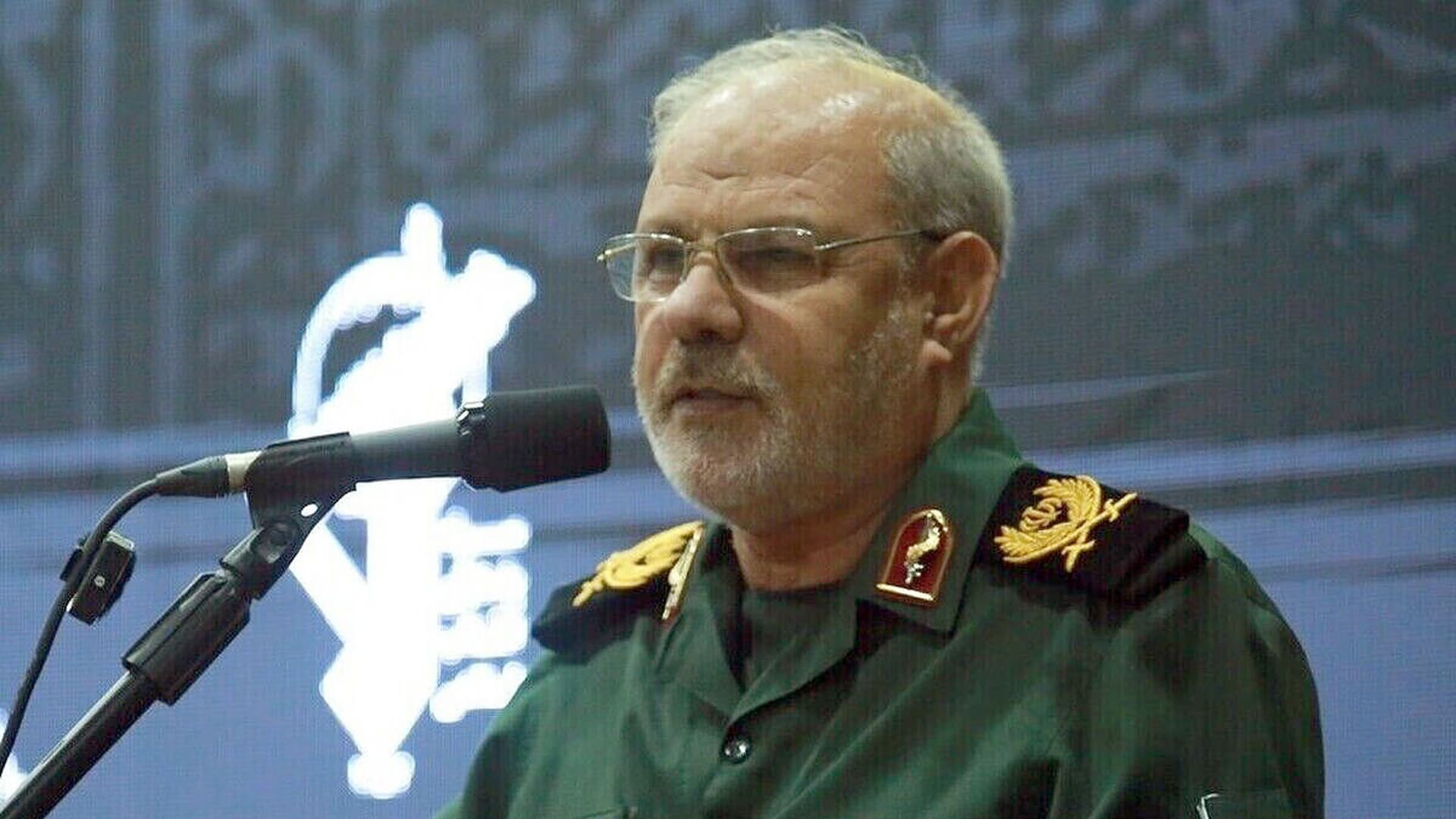
Iranian Revolutionary Guards spokesman Brigadier General Mohbi denied that Tehran was behind the cyberattacks that targeted the refrigeration systems of hundreds of French stores last month, calling the French allegations “ridiculous” and a “worn-out scenario” orchestrated by the Israeli entity.
In a written statement, Mohbi said: “Paris must beware of the false-flag trap being set by the Zionist entity,” adding: “Unlike the United States and the Israeli entity, civilians have no place on the Revolutionary Guards’ target list.”
The spokesman said the purpose of the allegations was to fuel “Iranophobia” and rally European countries alongside Israel against Iran.
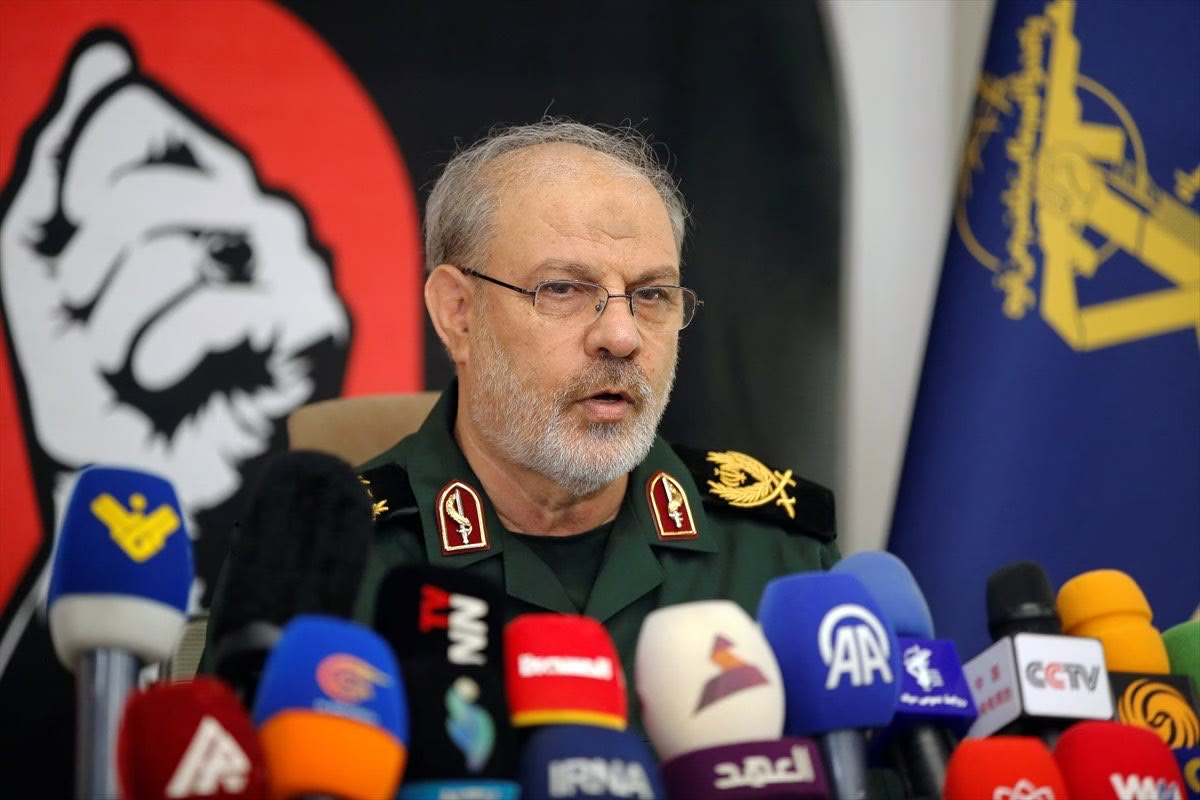
Paris accuses Shahid Kaveh unit
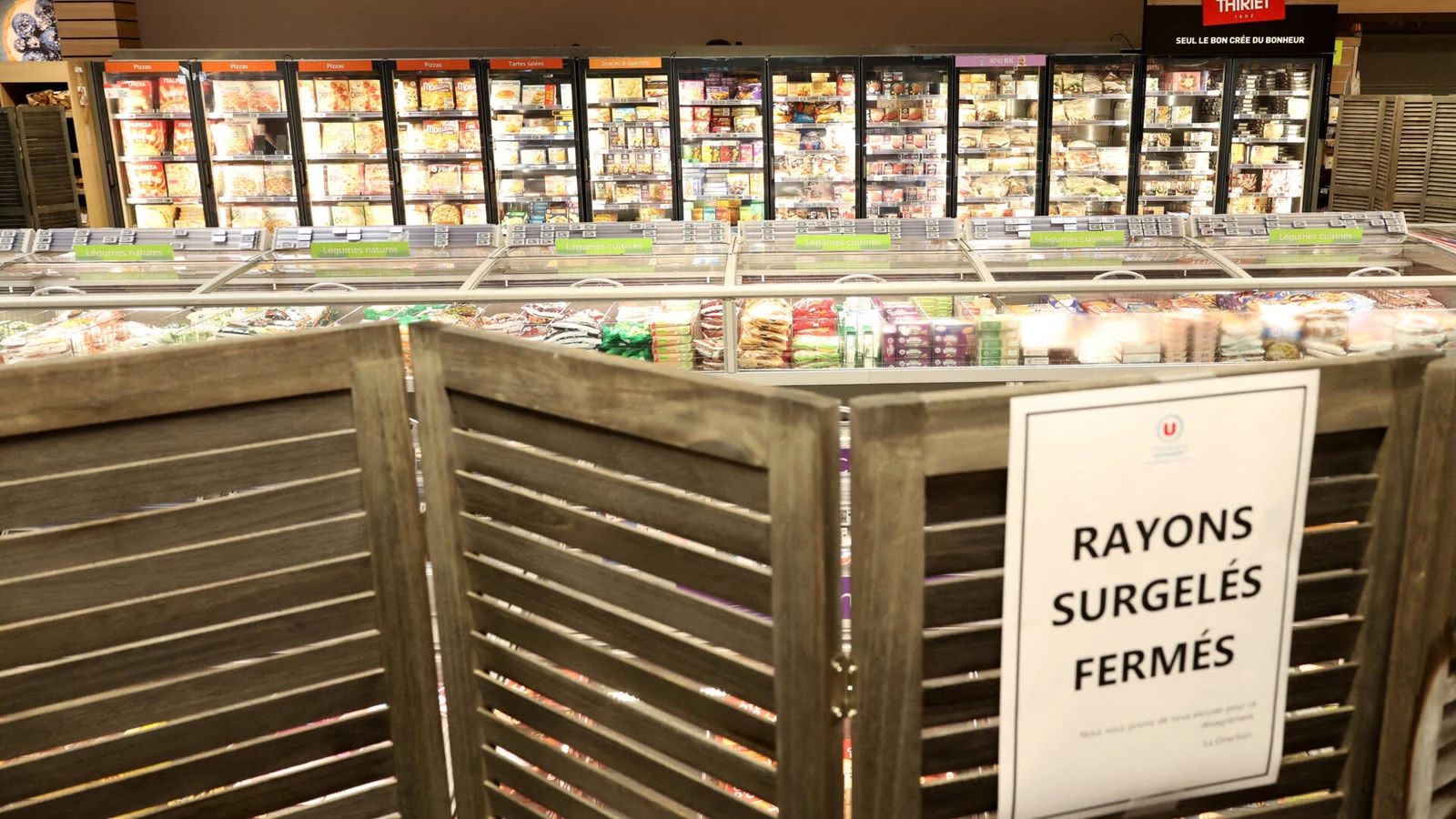
France’s Foreign Ministry had accused an offensive cyber unit affiliated with the Revolutionary Guards, named “Shahid Kaveh,” of carrying out the attacks that targeted the refrigeration control systems at more than 700 stores and points of sale overnight from Oct. 11 to 12. The attacks caused refrigerators to overheat, spoiled large quantities of food and sparked fires, with losses estimated at tens of millions of euros.
The Paris public prosecutor’s office requested international arrest warrants for three Iranians, including Hamid Reza Lashgarian, whom French authorities describe as the unit’s commander. France’s Foreign Ministry also summoned the Iranian ambassador and announced that it would propose European sanctions against those responsible for the attack.
Repeated Iranian denials
Iran’s Foreign Ministry had previously rejected the French allegations, describing them as “ baseless and malicious,” while Foreign Minister Abbas Araghchi mocked them. On Nov. 2, stores in Belgium, Luxembourg, Sweden, Ireland, the Netherlands, Finland and Estonia reported similar malfunctions in refrigerators and freezers, forcing some of them to withdraw food products from sale.
The dispute comes as France faces a wave of cyberattacks. French postal group La Poste announced Saturday that data belonging to 22 million people had been stolen in an attack targeting its Mailiva platform in September, without attributing the attack to any party.
Sources: Anadolu Agency, Mehr News Agency, Middle East Eye. Main photo: Mehr News Agency. Photos: social media, Radio France Internationale
Stay Updated with Hilal Times
Subscribe to be informed about special news, developments and announcements. We will keep you informed.
By signing up, you agree to our Privacy Policy