- BIST10011,661-1.54%
- USD50.39+0.22%
- EUR55.50-0.19%
- GOLD3,863.20+0.26%
- INTEREST36.00%-1.00
- BITCOIN63,814-1.57%
- November 17, 202615°
- BIST10011,661-1.54%
- USD50.39+0.22%
- EUR55.50-0.19%
- GOLD3,863.20+0.26%
- INTEREST36.00%-1.00
- BITCOIN63,814-1.57%
- November 17, 202615°
Qashqawi: Iran's response to any attack will not be limited to days
Hassan Qashqawi, spokesperson for the Iranian Parliament's National Security and Foreign Policy Committee, said the enemy may decide when a war begins, but Tehran will decide when it ends. He stressed that countries placing their territory at the enemy's service must pay compensation.
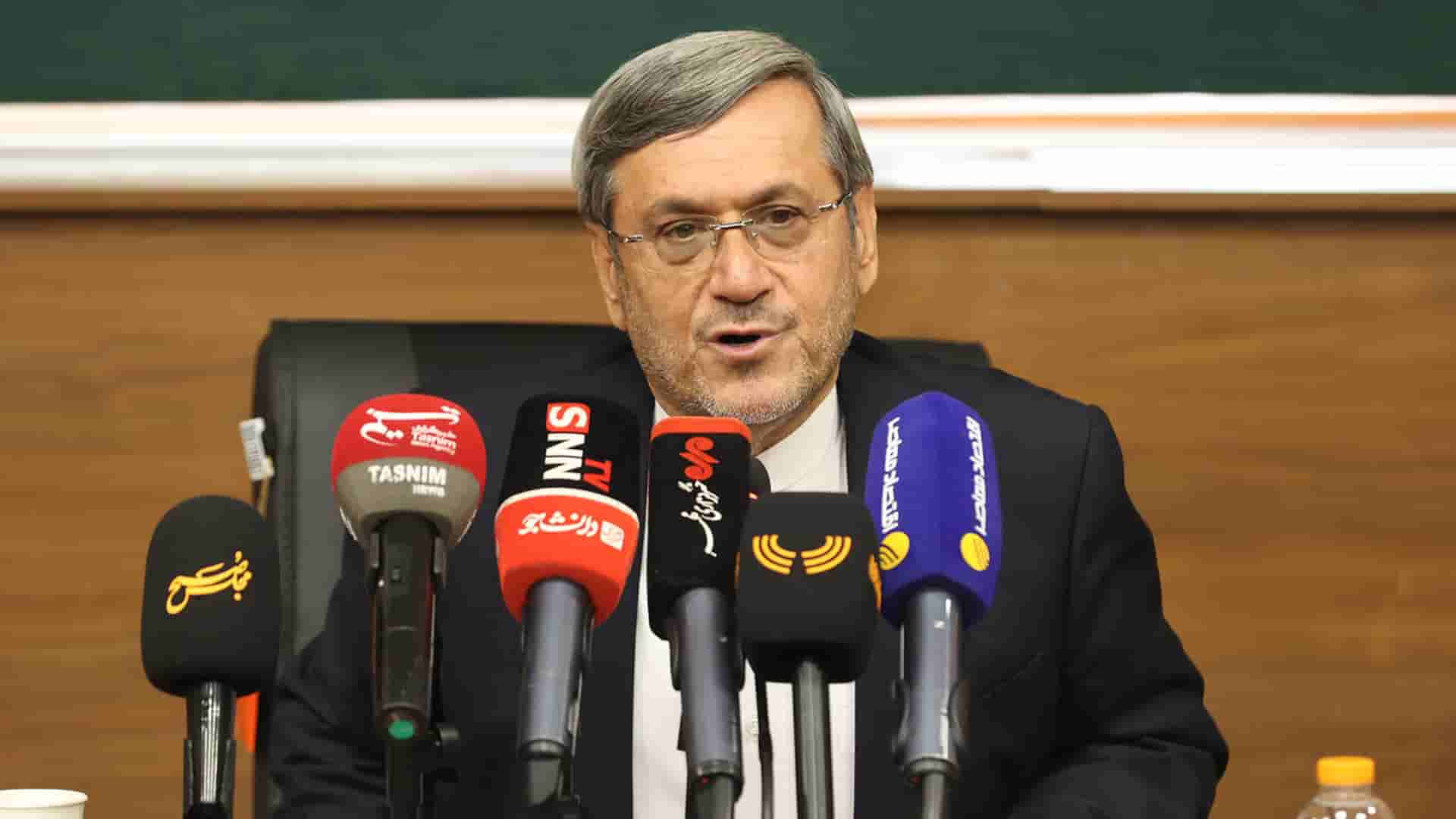
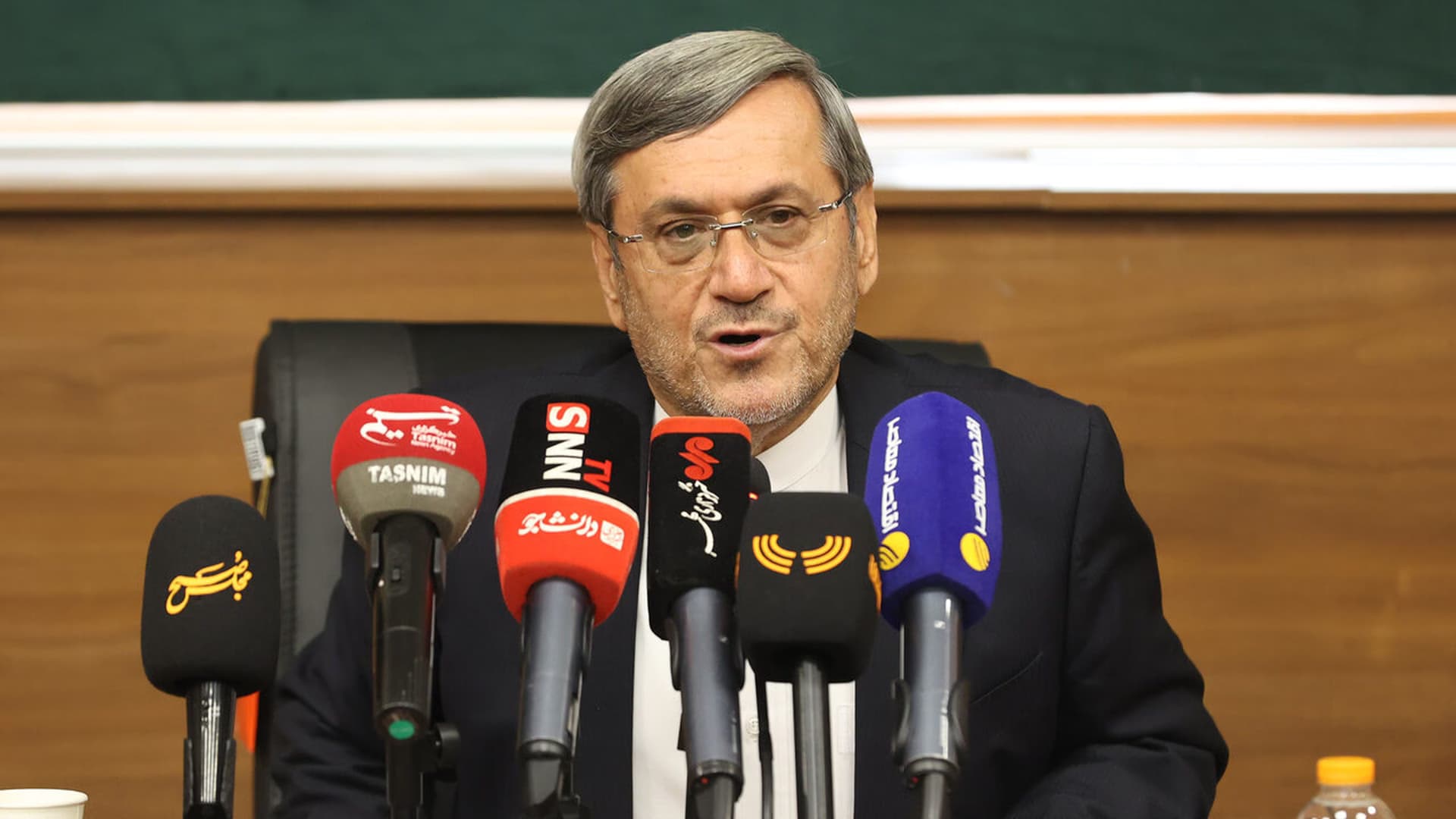
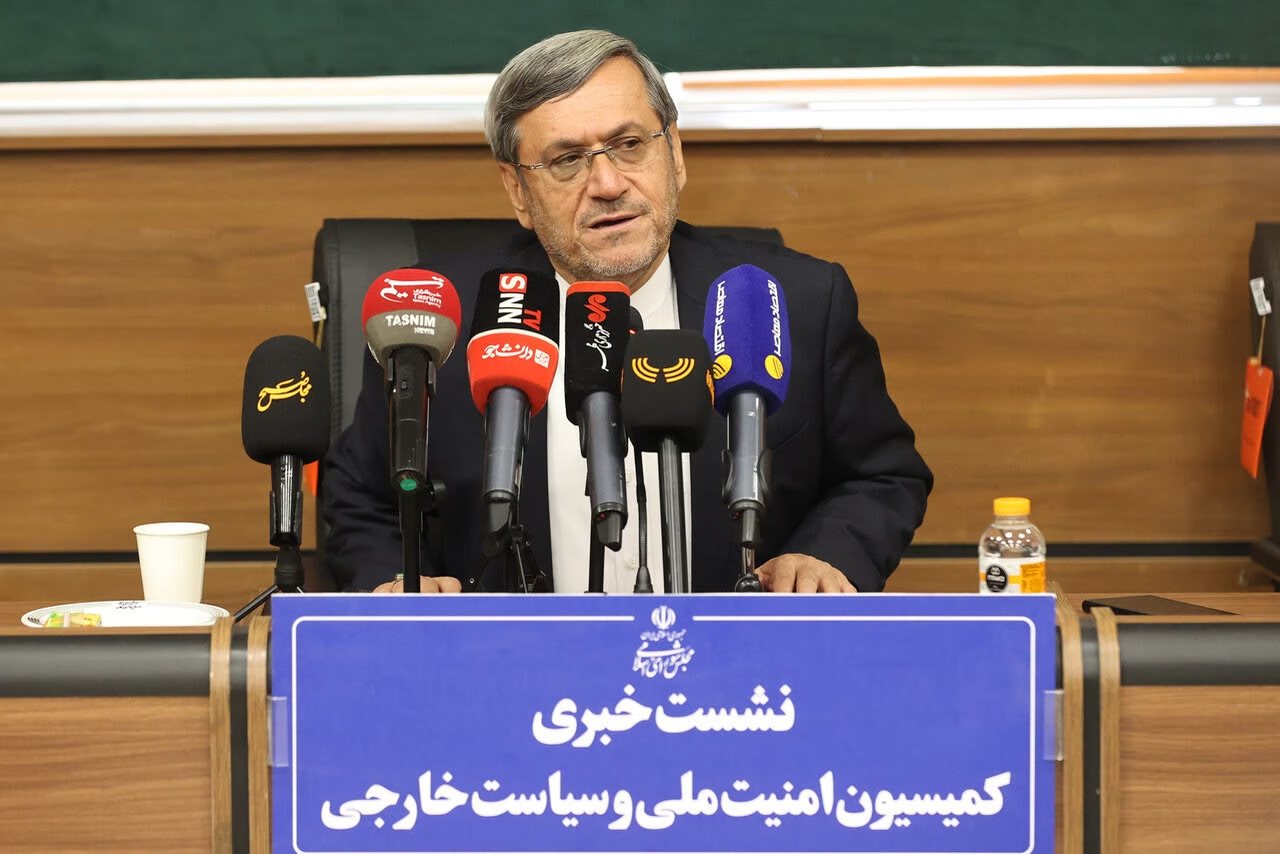
Hassan Qashqawi, spokesperson for the National Security and Foreign Policy Committee of Iran's Islamic Consultative Assembly, warned that his country's response to any potential attack targeting it would be neither short-lived nor limited. He stressed that Tehran would not settle for a counteroperation lasting a few days if it came under attack.
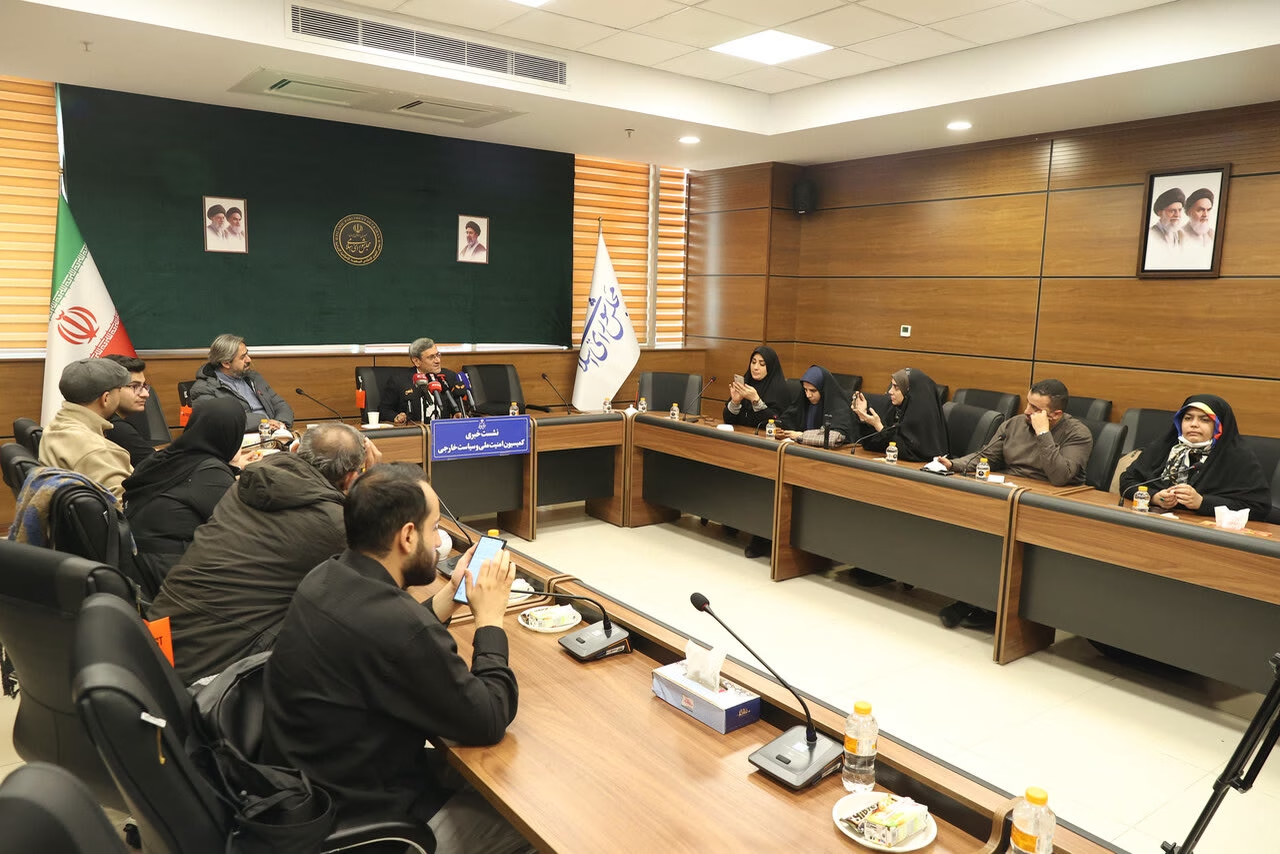
Speaking at a press conference in Tehran on Sunday, November 15, Qashqawi said: "The enemy decides when the war begins, but we will decide when it ends, and we will not enter the war according to the timetable set by the enemy."
"Many surprises" await the enemy
The spokesperson said Iran's armed forces had achieved broad quantitative and qualitative advances in their offensive and defensive capabilities, based on the committee's recent meetings with their commanders. He added that the forces had announced that the geographical scope of operations would expand.
He said the current circumstances differed from those of the 12-day war and the 40-day war, adding that "many surprises" would await the enemy if it took any action.
He continued: "Logic dictates that we must always keep our fingers on the trigger, but we are not the aggressors; we are defending ourselves. Iran has achieved relative deterrence, and we are now in a state of war," adding that countries placing their territory at the enemy's disposal "must pay compensation."
Legally, Qashqawi said Iran considered itself, under international law, to remain in a state of war, and that the situation in the Gulf waters and the Gulf of Oman constituted a wartime situation.
"There is nothing left to negotiate"
On the diplomatic front, Qashqawi said Tehran had announced its seven conditions and had entered the "post-agreement and post-negotiation phase." He added that the U.S. side had withdrawn from an agreement previously reached and that "there is no longer any subject to negotiate."
He stressed, however, that no one had announced the closure of the door to diplomacy and that Iran would emerge from its state of "neither war nor peace" if Washington accepted its conditions. "If it wants war, we will fight," he said.
The spokesperson also announced that the National Security Committee had completed its review of a bill on the administration of the Strait of Hormuz. The bill is now on the parliament's agenda, pending submission to a plenary session for a vote.
Qashqawi's remarks came amid rising tensions in the region. On Sunday, Iran announced that one of two oil tankers that collided with sea mines in the Strait of Hormuz had sunk.
Sources: Anadolu Agency, Mehr News Agency, Iranian Students' News Agency (SNN). Photos: Iranian Parliament News Agency (ICANA)
Stay Updated with Hilal Times
Subscribe to be informed about special news, developments and announcements. We will keep you informed.
By signing up, you agree to our Privacy Policy