- BIST10010,743-2.03%
- USD50.64+0.03%
- EUR55.40+0.14%
- GOLD3,597.40+0.92%
- INTEREST36.00%-1.00
- BITCOIN60,445+0.11%
- November 26, 202610°
- BIST10010,743-2.03%
- USD50.64+0.03%
- EUR55.40+0.14%
- GOLD3,597.40+0.92%
- INTEREST36.00%-1.00
- BITCOIN60,445+0.11%
- November 26, 202610°
Lieberman shifts stance, allowing Eisenkot government with Haredim and Arab List
Avigdor Lieberman announced for the first time that he was prepared to allow a government supported by Haredi parties and the United Arab List, as Gadi Eisenkot’s bloc prepares to swear in the government next week to end the Netanyahu era.
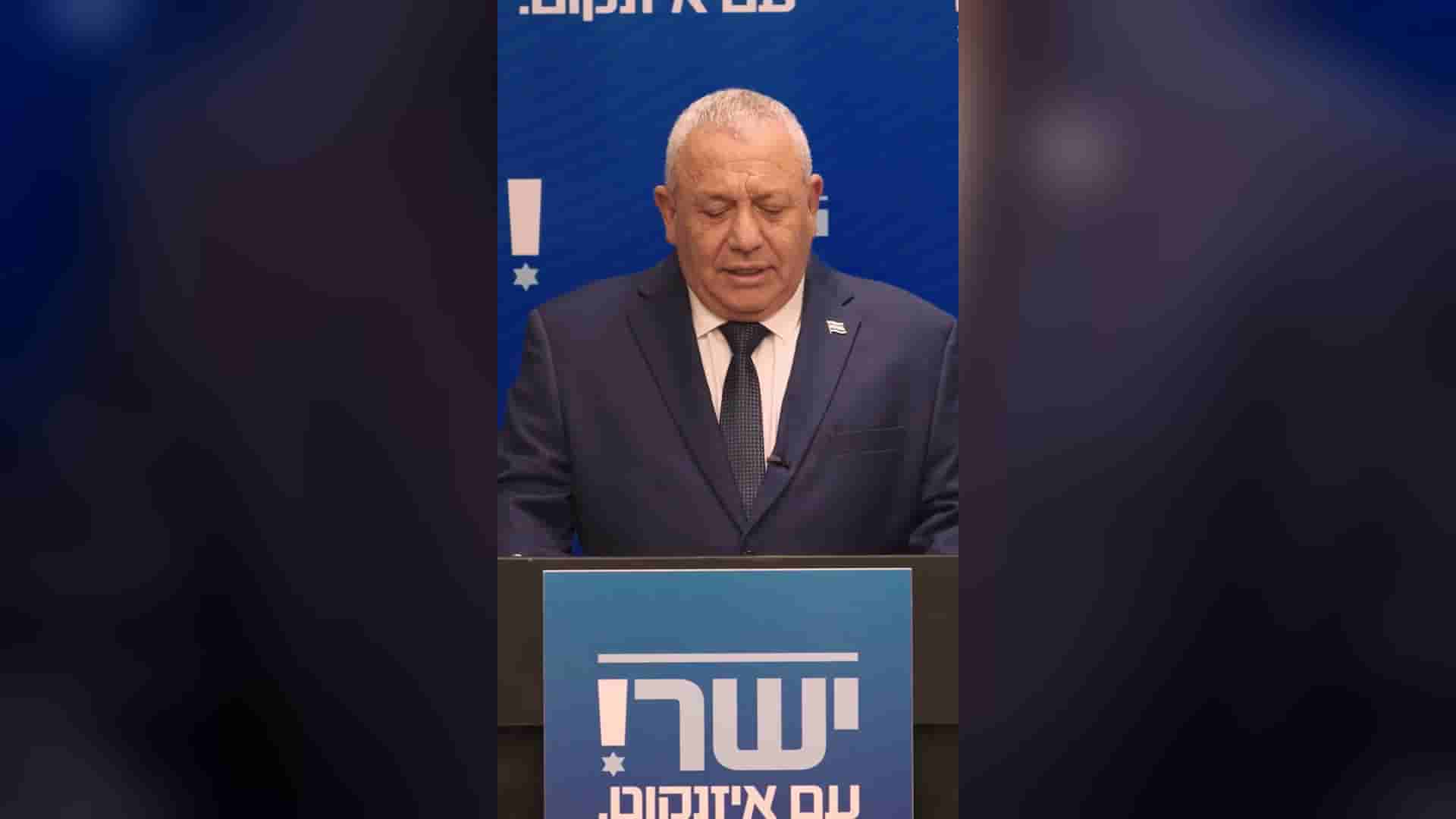
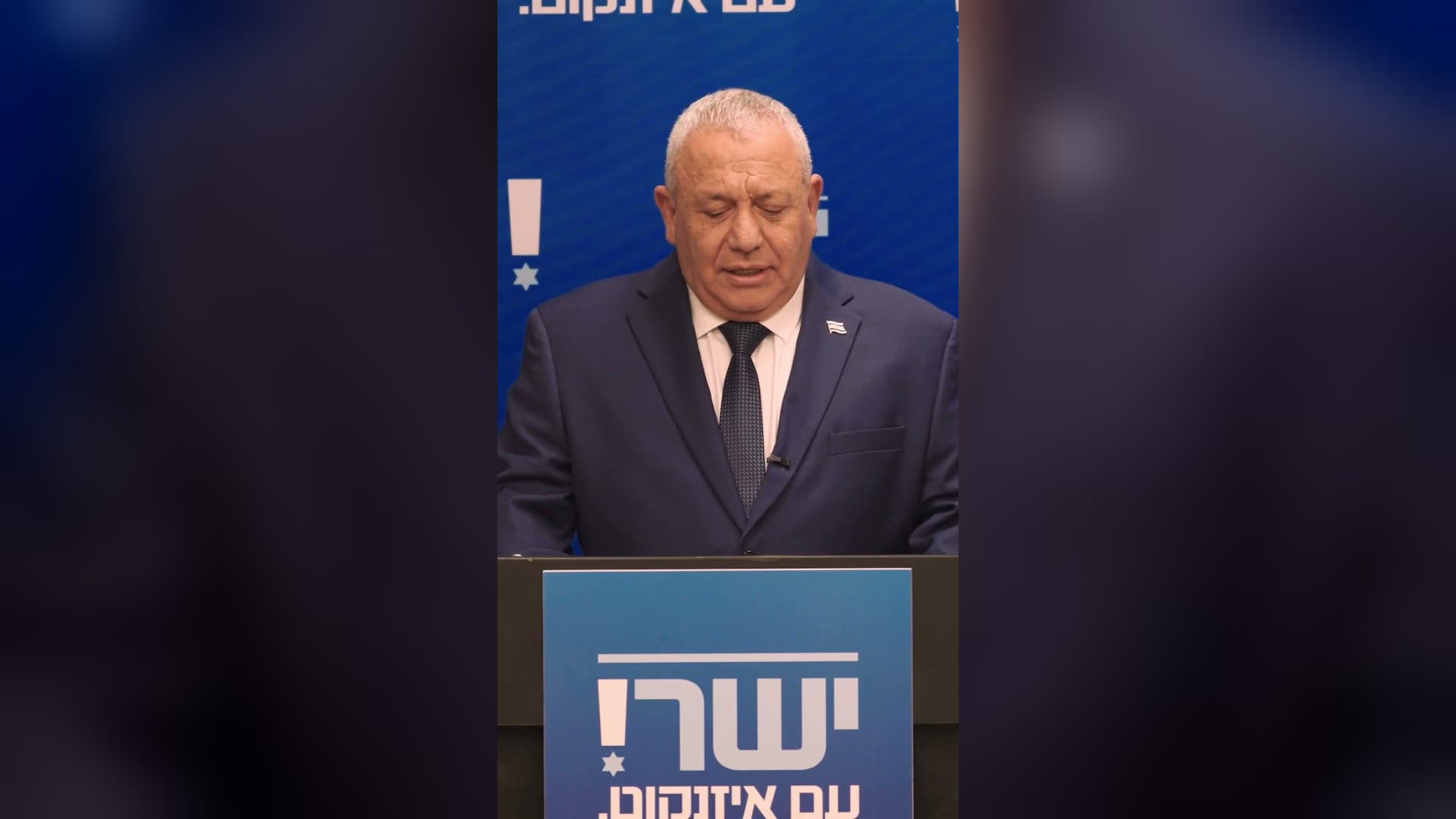
In a notable shift in negotiations to form the Israeli government, Yisrael Beiteinu leader Avigdor Lieberman announced Wednesday morning, for the first time, that he was prepared to allow a government supported by Haredi parties (ultra-Orthodox Jews) and the United Arab List, after strongly opposing such a move since the election.
Lieberman told public Kan radio: “This will not be a minority government, but a government with a Jewish majority. By the end of next week, we can present a government with a clear Jewish majority,” noting that lawmakers from United Torah Judaism had received the “green light” from their rabbis and that things were “progressing very well.”

First coalition agreement for Eisenkot
Yashar, the party led by Gadi Eisenkot, the former chief of staff tasked with forming a government after the October 27 election, announced Tuesday that it had reached an agreement with Lieberman to sign a coalition deal, while keeping its details secret. Lieberman is widely expected to take the defense portfolio. Israeli media said Eisenkot’s bloc hopes to swear in the government before the Knesset early next week, while his mandate expires on December 6.
Israeli media said Eisenkot could inform President Isaac Herzog next week that he had formed a government even if negotiations with Likud and the Haredi parties failed, relying on support from outside the government by parties representing Palestinian citizens of Israel. Meanwhile, the left-wing Democrats party suspended its coalition negotiations with Eisenkot in protest at his talks with Likud, led by Benjamin Netanyahu.
Attack on Netanyahu
Lieberman launched a sharp attack on Prime Minister Netanyahu and the defense minister, saying that “the lust for power has robbed them of their reason” and that they were “clinging to the horns of the altar,” while criticizing their repeated questioning of the election’s integrity. He added that statements about Iran possessing chemical weapons were “dangerous,” but that “from an intelligence and operational standpoint, there is no justification for a unilateral Israeli attack in the near term.”
Stay Updated with Hilal Times
Subscribe to be informed about special news, developments and announcements. We will keep you informed.
By signing up, you agree to our Privacy Policy