- BIST10011,554-1.43%
- USD49.45+0.05%
- EUR55.62+0.37%
- GOLD4,181.200.00%
- INTEREST37.00%-1.00
- BITCOIN82,126+0.14%
- October 19, 202617°
- BIST10011,554-1.43%
- USD49.45+0.05%
- EUR55.62+0.37%
- GOLD4,181.200.00%
- INTEREST37.00%-1.00
- BITCOIN82,126+0.14%
- October 19, 202617°
Negotiation Debates Begin After Ceasefire in Iran
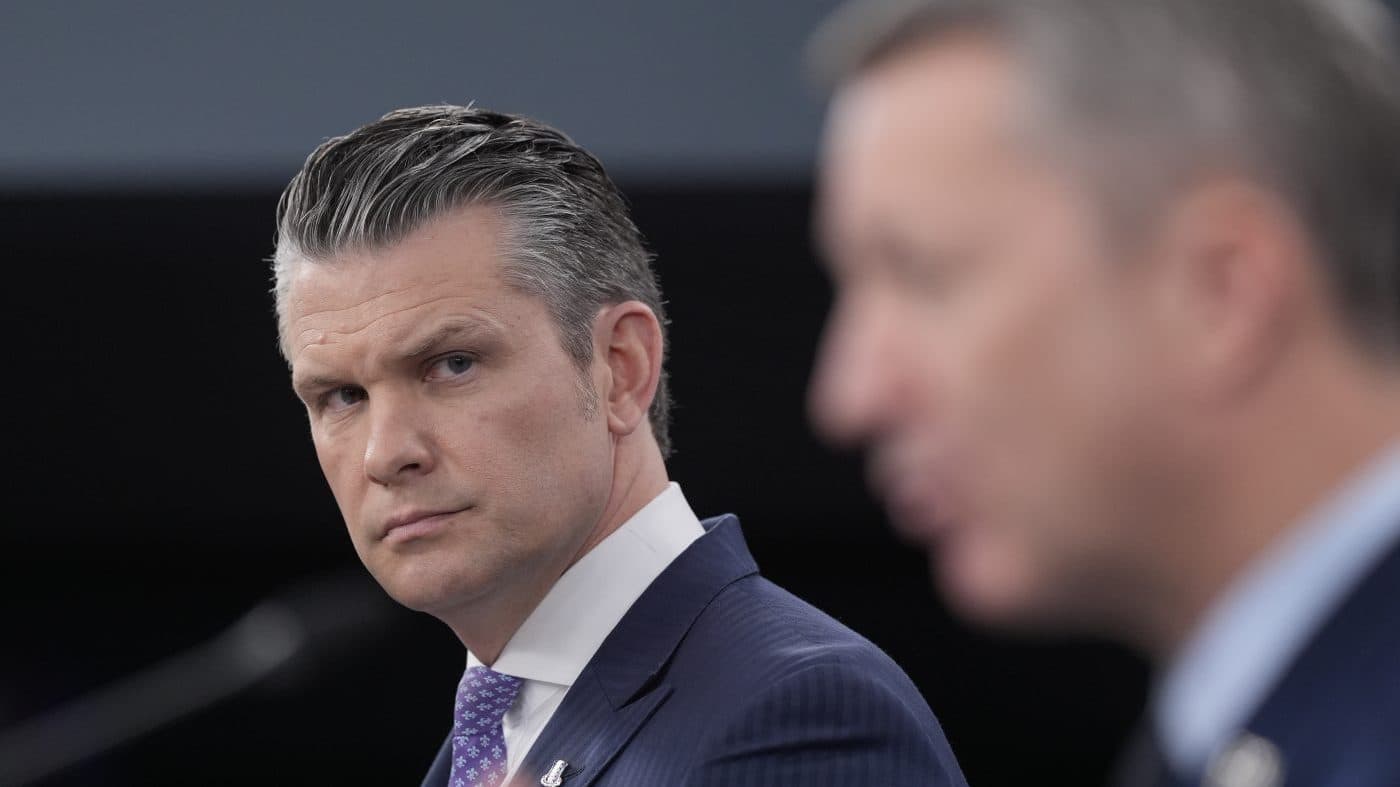
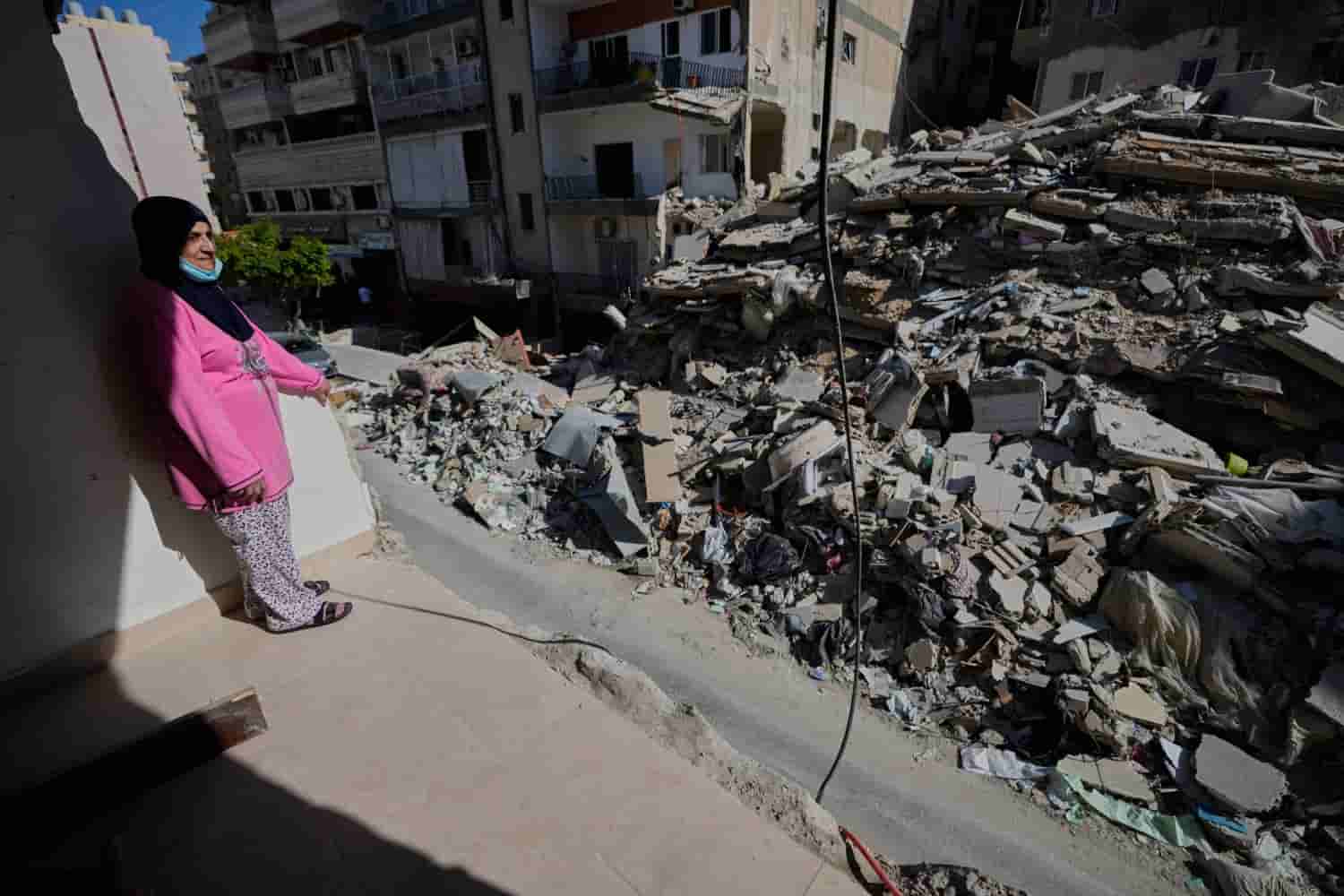
After the ceasefire following the recent war in Iran, negotiations and internal political debates have intensified. Legal proceedings have been initiated against Abbas Abdi and Sadegh Zibakalam, while disagreements continue in parliament regarding support for the negotiation delegation.


After the ceasefire declared following the recent war in Iran, negotiations and political debates within the country have come to the forefront. Leadership emphasizes the need to maintain internal unity, while reformist and conservative factions experience disagreements over the limits of a possible agreement with the US and negotiation strategies.
In the capital Tehran, legal actions have been initiated due to criticisms made by journalist Abbas Abdi and political analyst Sadegh Zibakalam. Abdi's article published in a newspaper and Zibakalam's interview with an agency contain differing views on the post-war environment and the negotiation process. Relevant media organizations have also been included in the legal process during this period.
Within the parliament, different attitudes are observed regarding support for the negotiation delegation. Notably, some protest slogans directed at the delegation's head and parliament leader Mohammad Bagher Ghalibaf drew attention as they came from government-supporting street groups. Some members of parliament also refrained from signing the support statement, indicating ongoing disagreements within the conservative camp.
These developments create uncertainties about how negotiations will be shaped in the post-war period in Iran and how internal politics will reflect this process. Official authorities have not yet made clear statements about the details of the negotiation process and the scope of a possible agreement.
In the upcoming period, the course of legal proceedings and how attitudes in parliament will evolve are among the important topics to be followed in terms of Iran's foreign relations and internal political balances. Official statements and developments will shed light on clarifying both the negotiation process and internal political dynamics.
Stay Updated with Hilal Times
Subscribe to be informed about special news, developments and announcements. We will keep you informed.
By signing up, you agree to our Privacy Policy