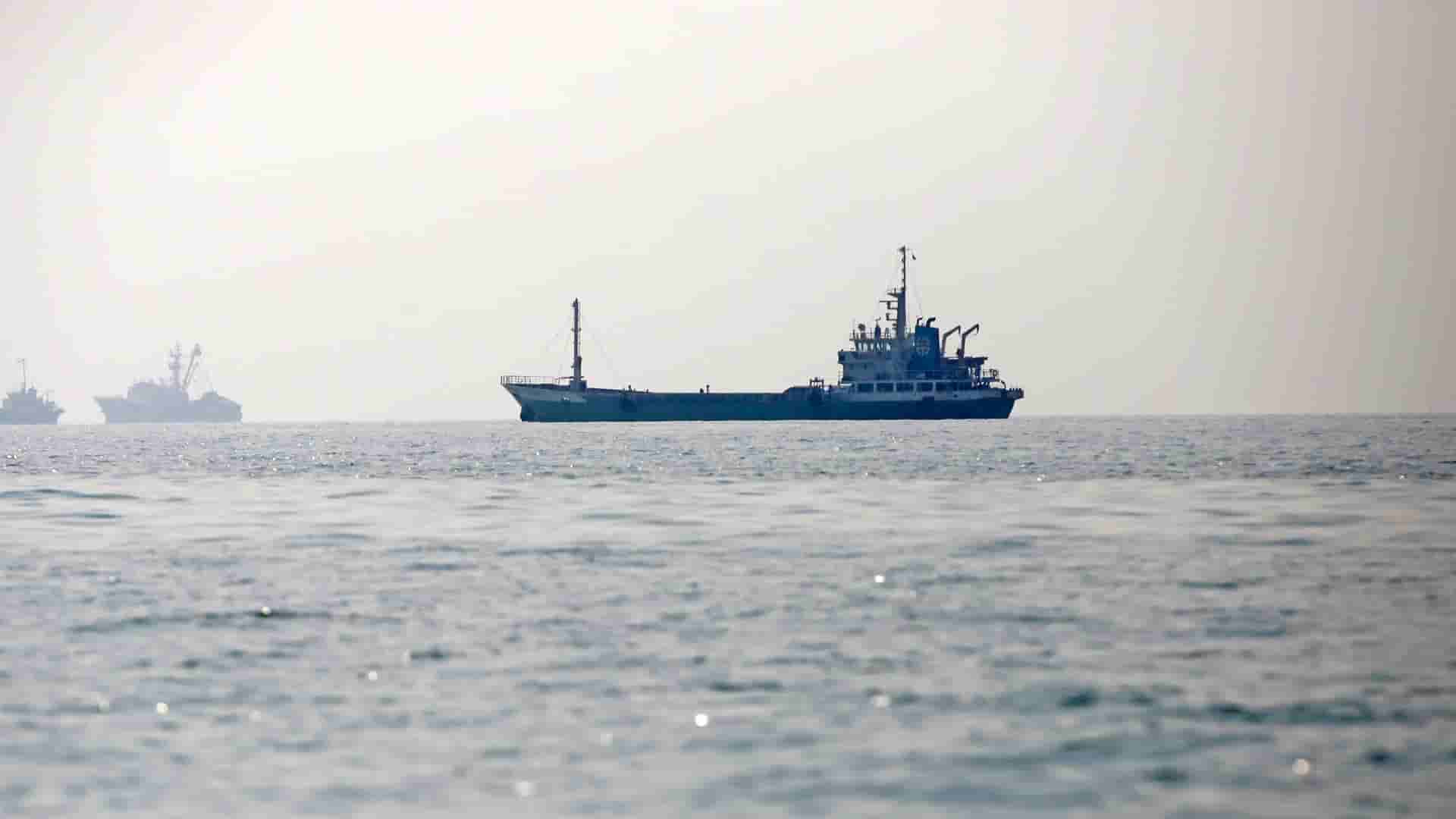
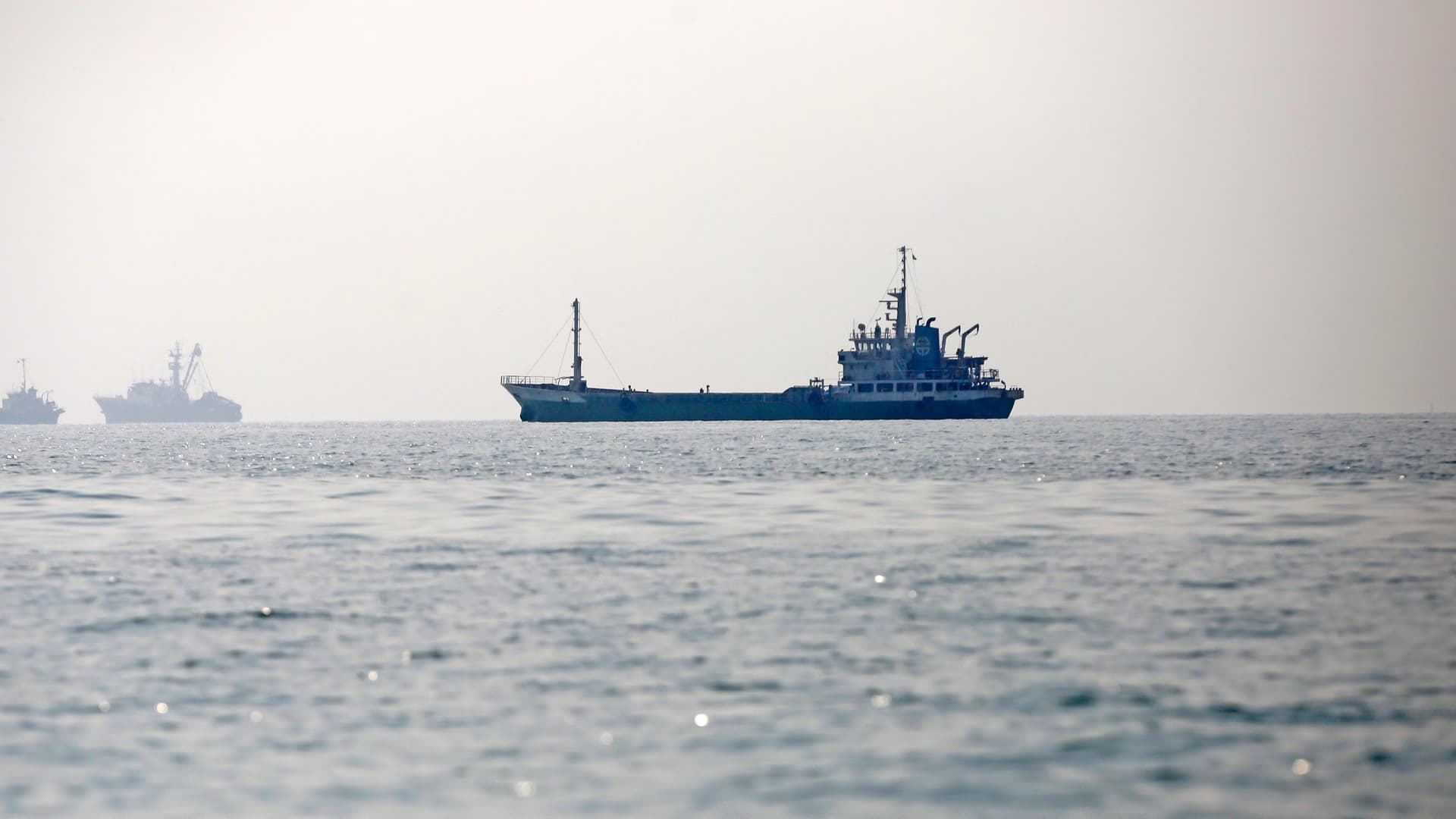
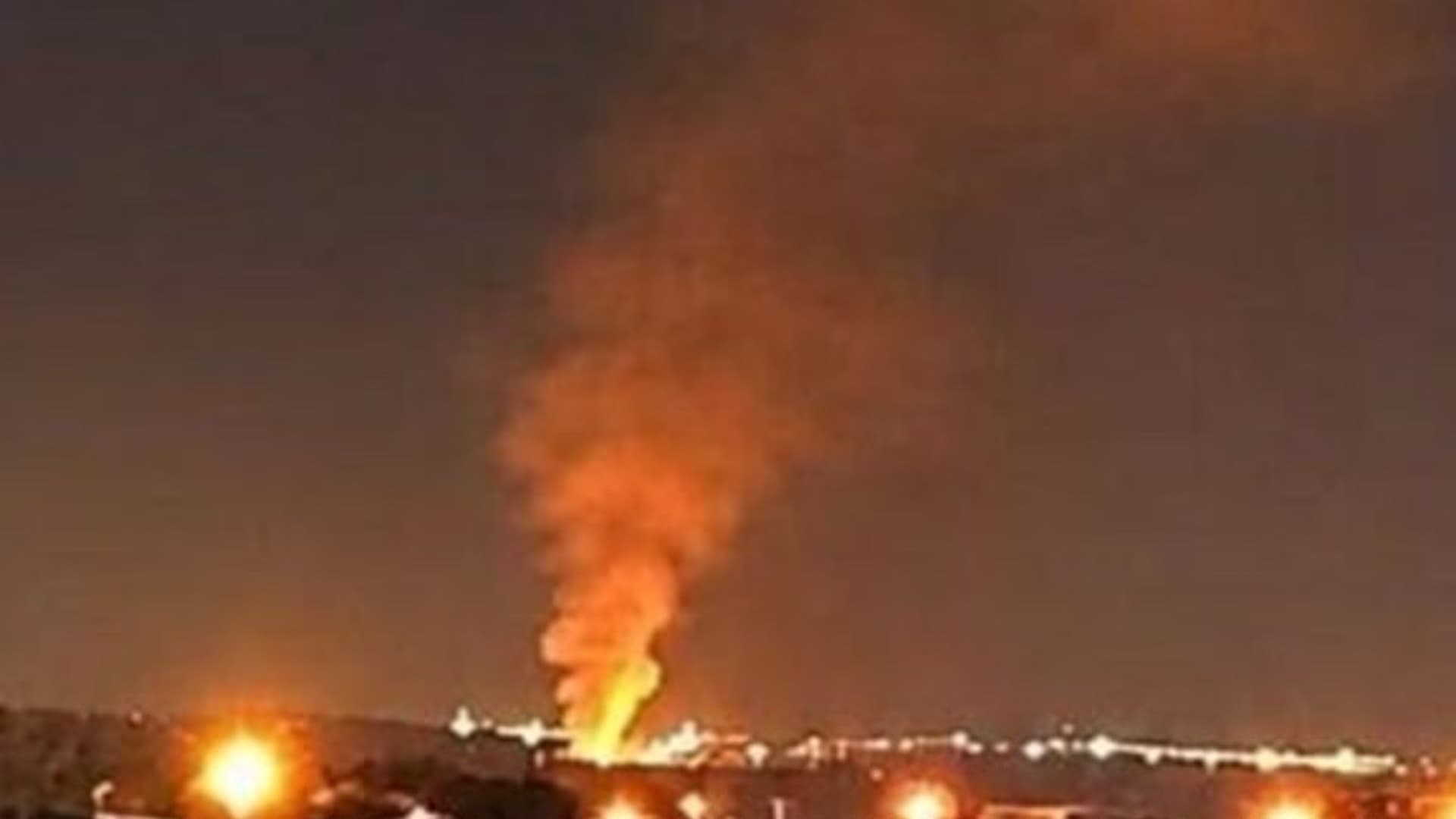
The United Kingdom Maritime Trade Operations agency (UKMTO) said an oil tanker was attacked while transiting the Strait of Hormuz, about seven nautical miles north of the Omani city of Khasab, on Monday evening, November 16. The agency said, citing a report from a third party, that the attack disabled the vessel and caused a fire in its engine room, adding that the crew was safe. The extent of the damage and any potential environmental impact remained unknown.
The agency did not identify the tanker, state its flag or name those responsible for the attack. It urged vessels transiting the area to exercise caution and report any suspicious activity. The maritime news website gCaptain said the incident occurred at around 7 p.m. Greenwich Mean Time and was the second reported by the agency that day. On Monday morning, a security officer at an operating company said another tanker had been hit by an unidentified projectile while leaving the strait, starting a fire in its engine room without causing injuries.
Tehran: Fourth tanker affected within 24 hours
In a separate account, the Iranian Navy said in a statement carried by state media on Monday evening that an oil tanker caught fire and sustained extensive damage after striking a naval mine in a restricted area east of the Strait of Hormuz. It added that the vessel was the fourth tanker to be affected in the area within 24 hours. The statement alleged that the ship was sailing with its navigation systems switched off, but did not identify its name, flag or cargo, or say what happened to its crew.
The Iranian Navy warned shipping companies against entering restricted areas without prior coordination with Iran’s armed forces. The statement said, “The result of any illegal movement without coordination with the armed forces and in violation of regulations is encountering mines and fires.” The Iranian account could not be independently verified and came hours after the Islamic Revolutionary Guard Corps announced that two other tankers had exploded on the strait’s southern route.
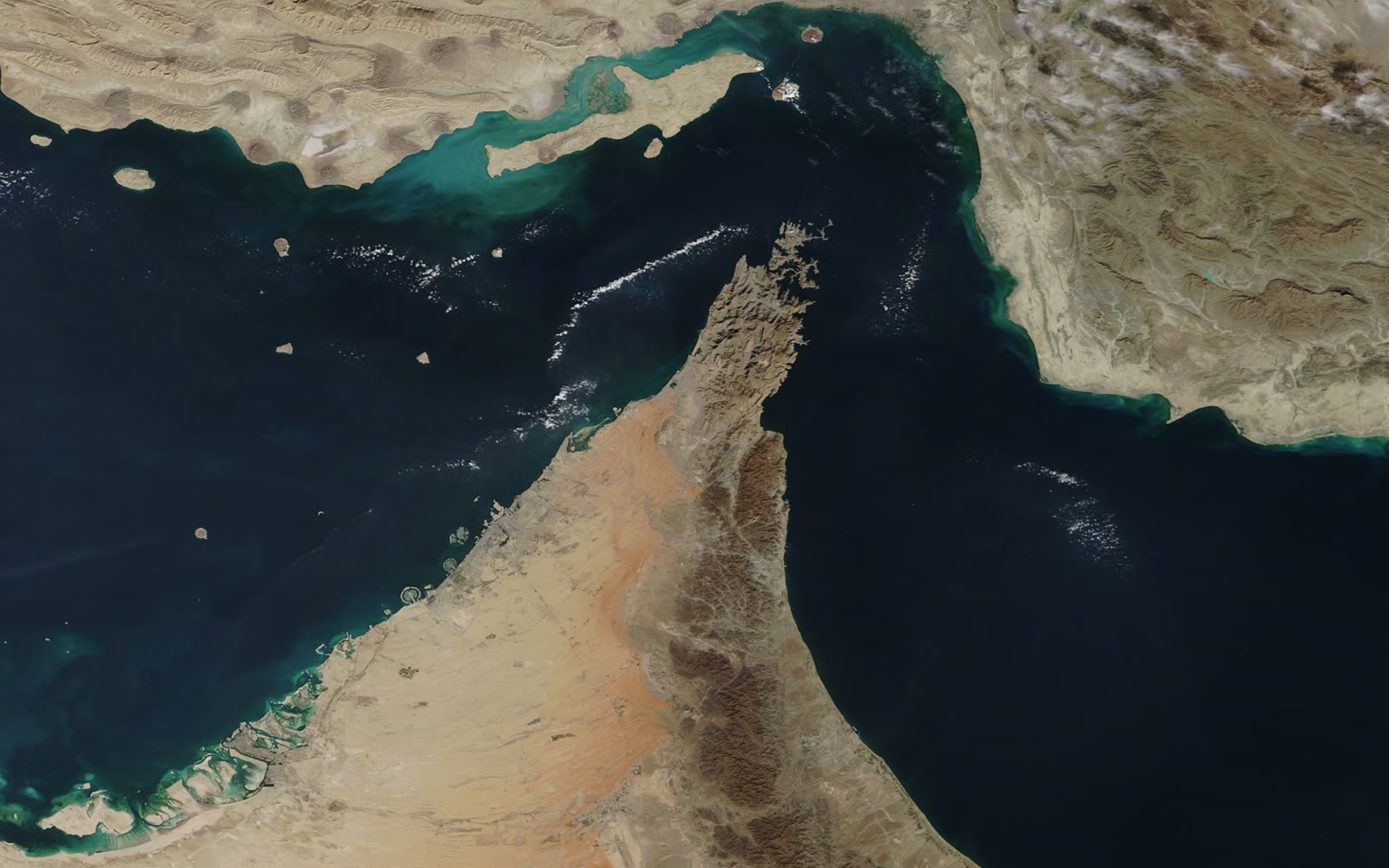
Khasab is located in Oman’s Musandam Governorate, which overlooks the southern shore of the Strait of Hormuz, the waterway linking the Gulf with the Gulf of Oman. The Joint Maritime Information Center (JMIC) counted five attacks off Musandam since the beginning of November, noting that about 227 commercial vessels were anchored east of the strait, including at Fujairah, Khor Fakkan, Sohar and Musandam, because of restrictions on passage. Shipping through the strait has faced continued disruption since the war began with U.S. and Israeli strikes on Iran on February 28.
Muscat and Tehran discuss protecting maritime routes
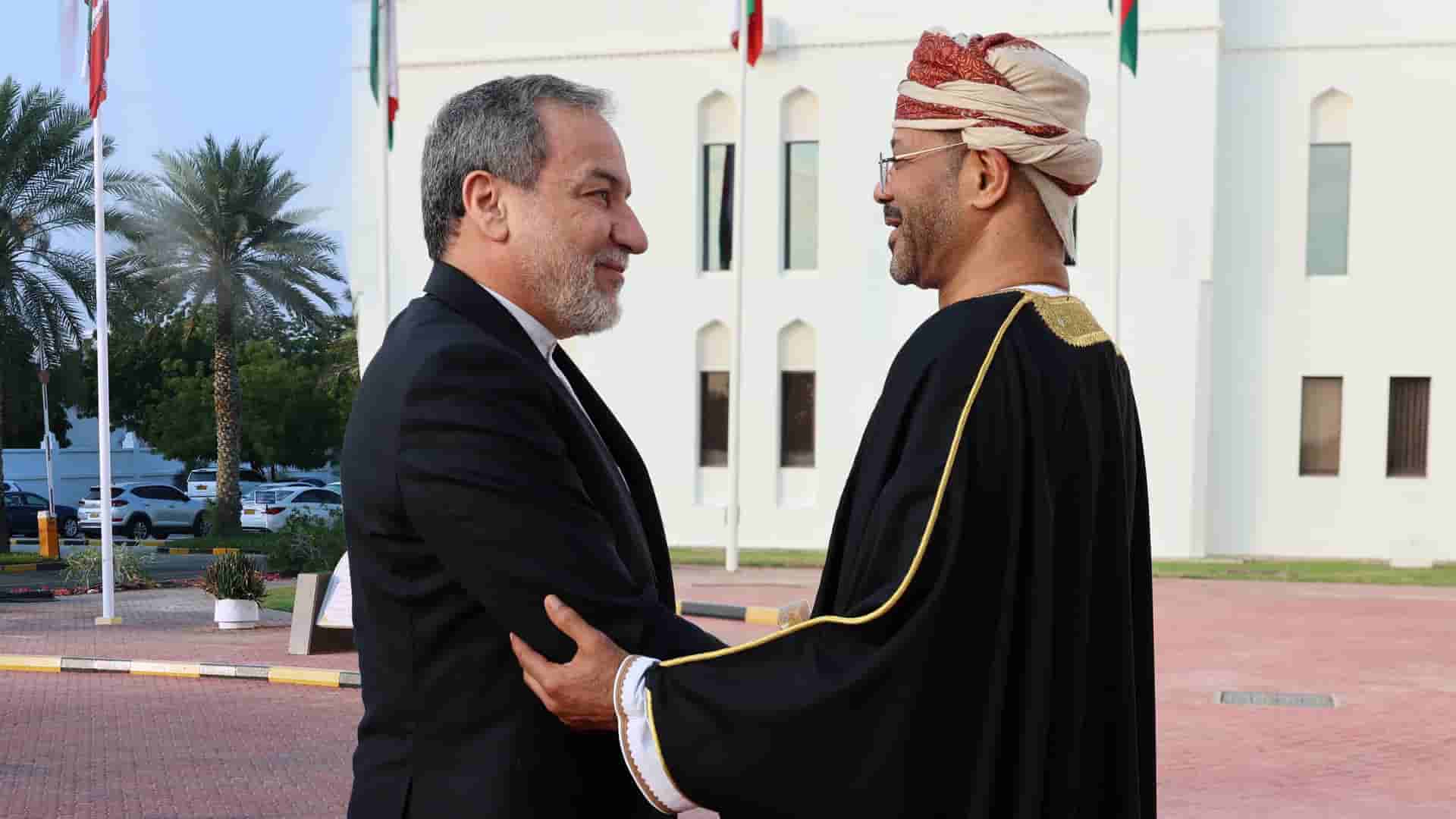
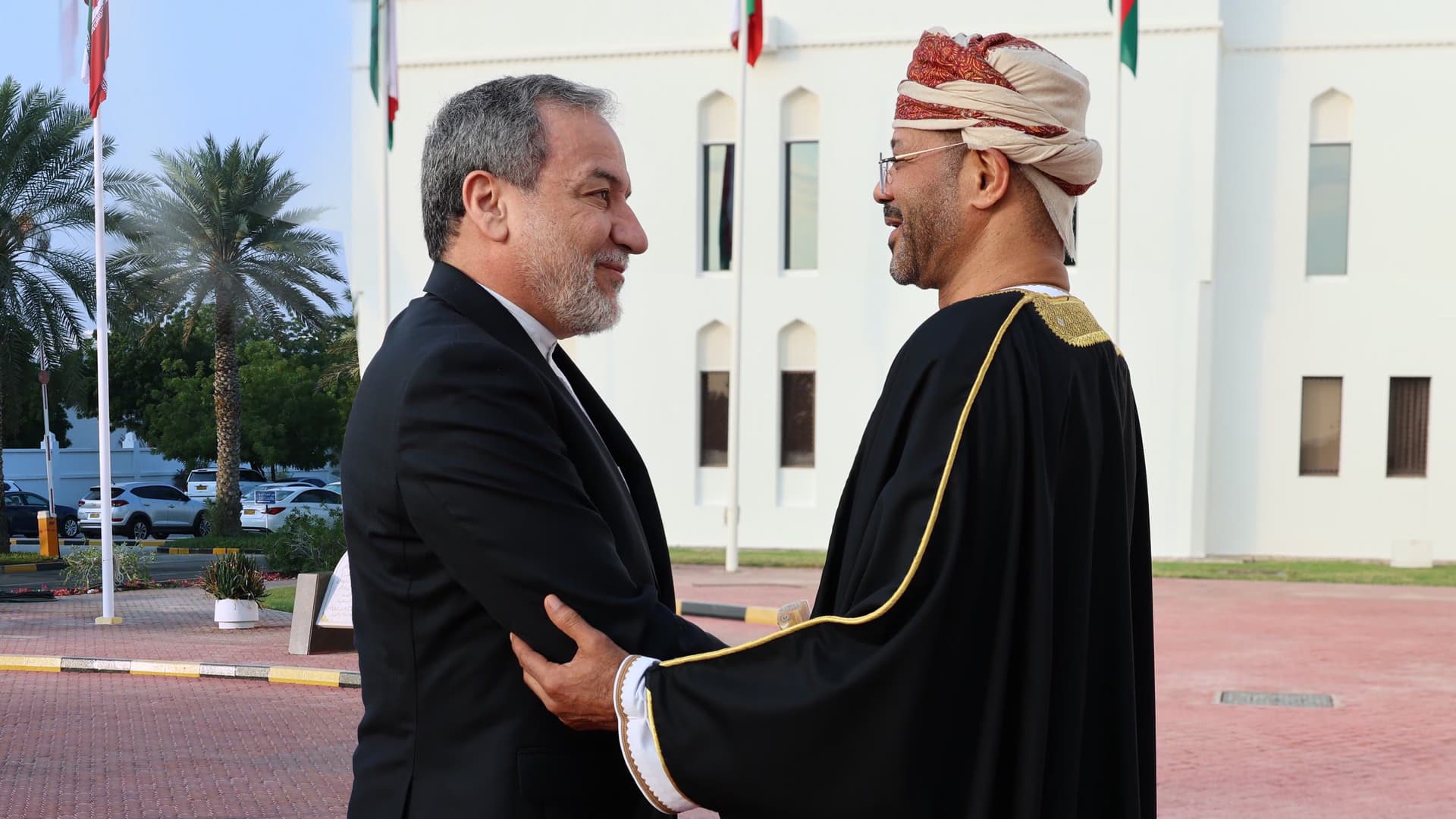
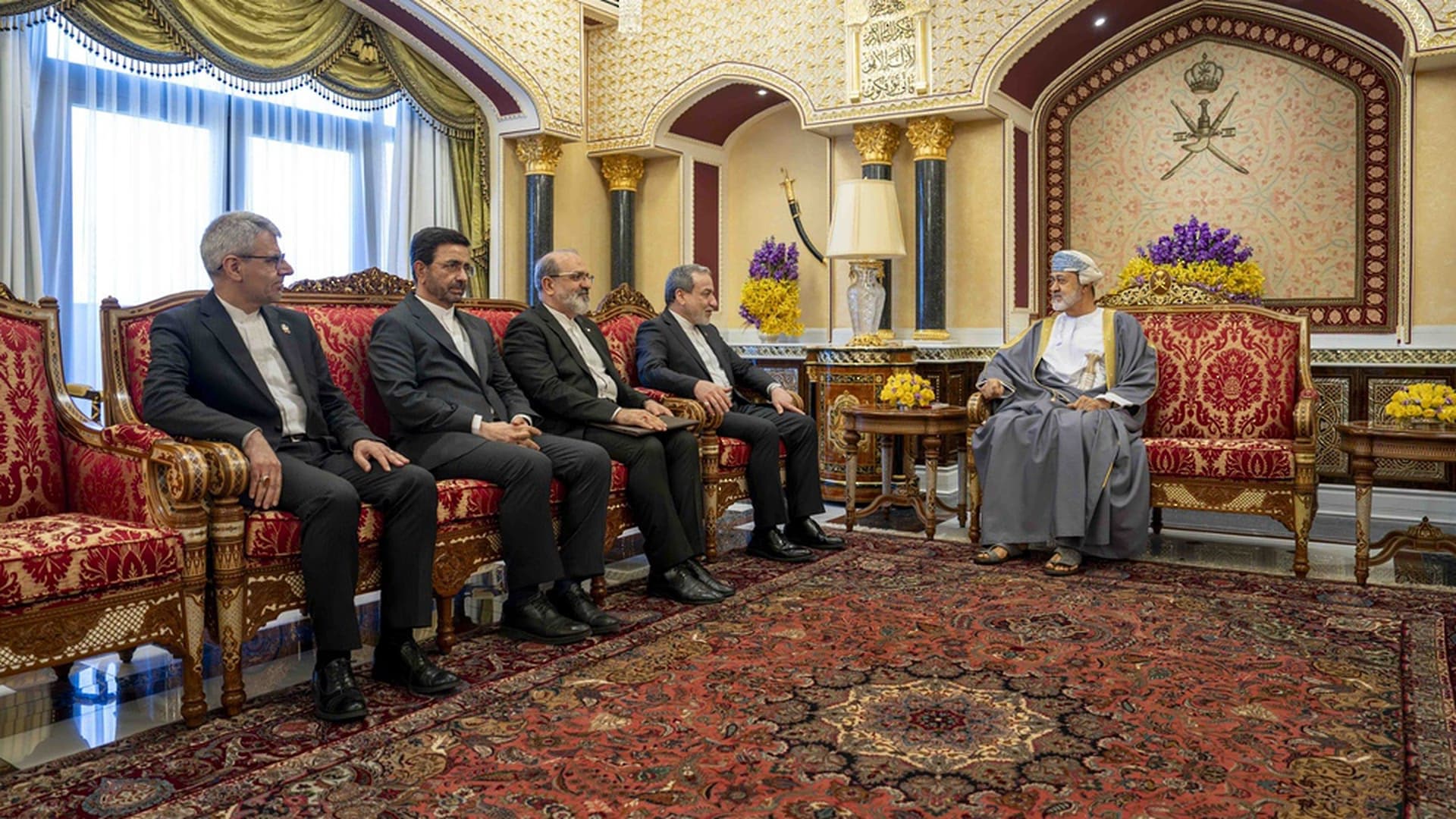
On the diplomatic front, Omani Foreign Minister Badr bin Hamad Al Busaidi received his Iranian counterpart, Abbas Araghchi, at the ministry’s headquarters in Muscat on Tuesday. Oman’s Foreign Ministry said the two ministers discussed ways to revive dialogue and negotiations, expand areas of understanding among the parties concerned and limit the potential repercussions of the crisis. They stressed the importance of protecting the security of maritime routes and ensuring the uninterrupted flow of international shipping and trade.
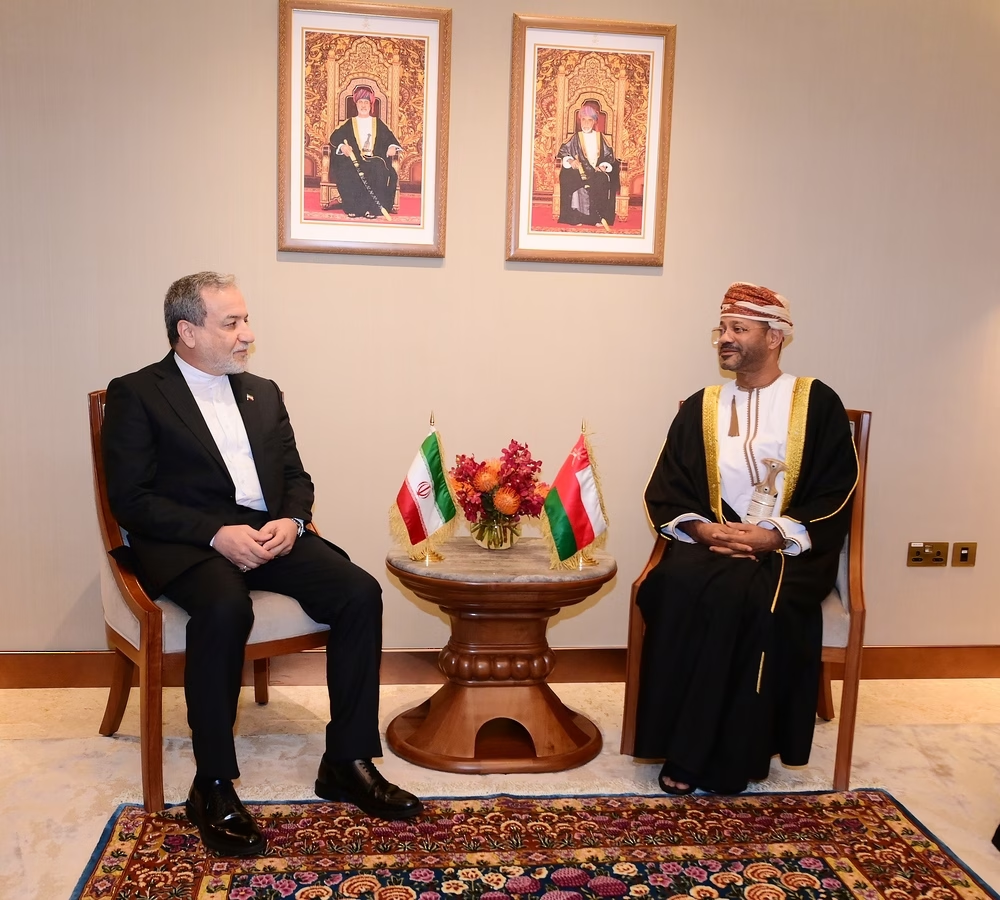
Both sides stressed the need to keep political and diplomatic communication channels open to build trust and create conditions for addressing outstanding issues, while adopting approaches based on dialogue, shared interests and respect for state sovereignty. Araghchi arrived in Muscat from Islamabad, where he attended a meeting of the Economic Cooperation Organization, as efforts continued to revive the 14-point Islamabad memorandum. The memorandum was reached in June through Pakistani mediation and included arrangements related to maritime security in the Strait of Hormuz.
Cover photo: Anadolu. Photos: Oman Observer, NASA.