- BIST10010,962+1.88%
- USD49.86+0.15%
- EUR55.82+0.52%
- GOLD3,955.70-0.35%
- INTEREST36.00%-1.00
- BITCOIN76,698-1.97%
- November 3, 202616°
- BIST10010,962+1.88%
- USD49.86+0.15%
- EUR55.82+0.52%
- GOLD3,955.70-0.35%
- INTEREST36.00%-1.00
- BITCOIN76,698-1.97%
- November 3, 202616°
“Not from Tel Aviv either”: Sánchez rejects outside control of Spain’s decisions
Spanish Prime Minister Pedro Sánchez said at a forum in Barcelona that the “illegal war” in the Middle East and tensions in the Strait of Hormuz had cost Europeans an additional €100 billion this year, stressing that his country is governed from Madrid, not Washington, Moscow or Buenos Aires.
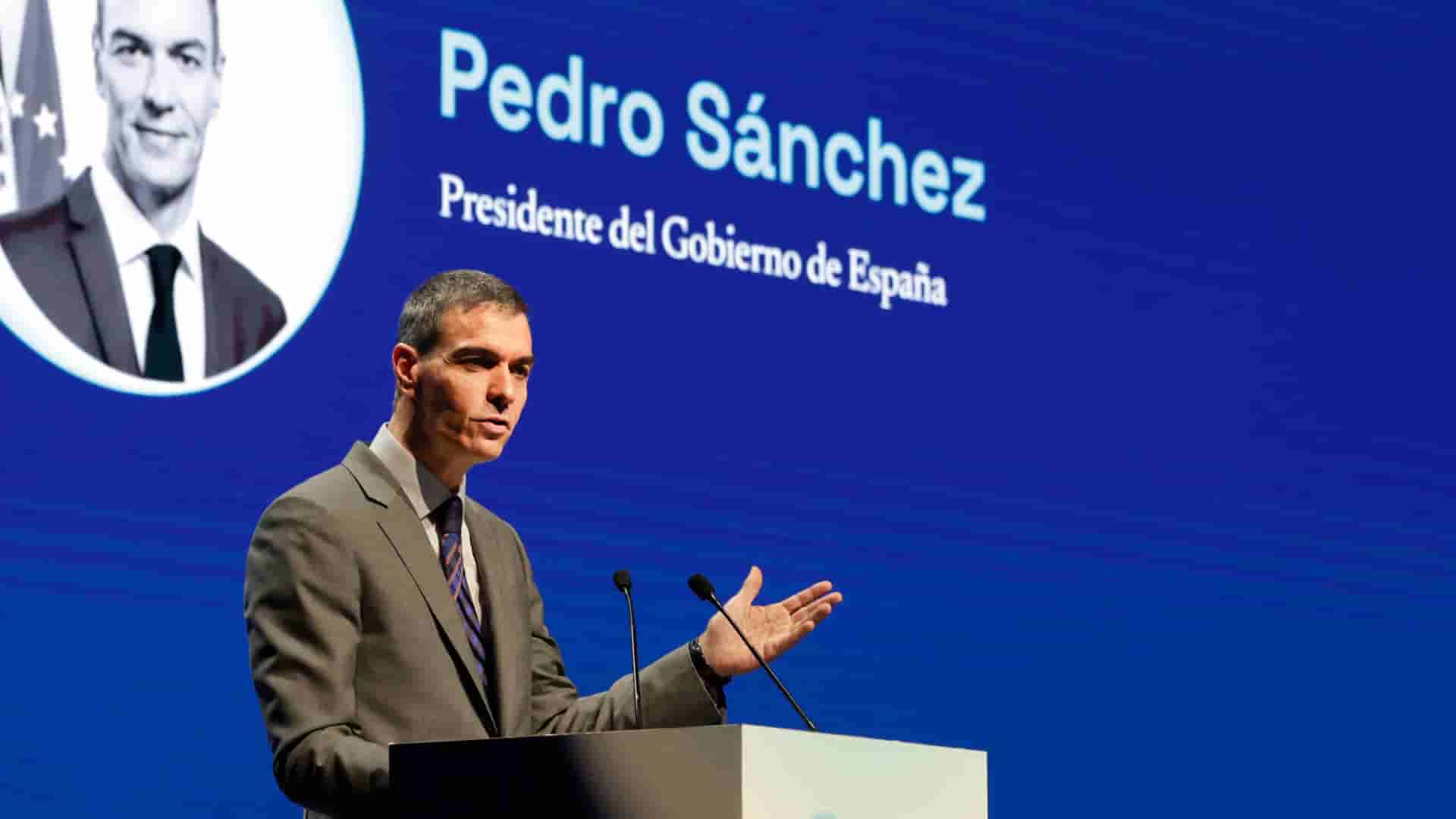
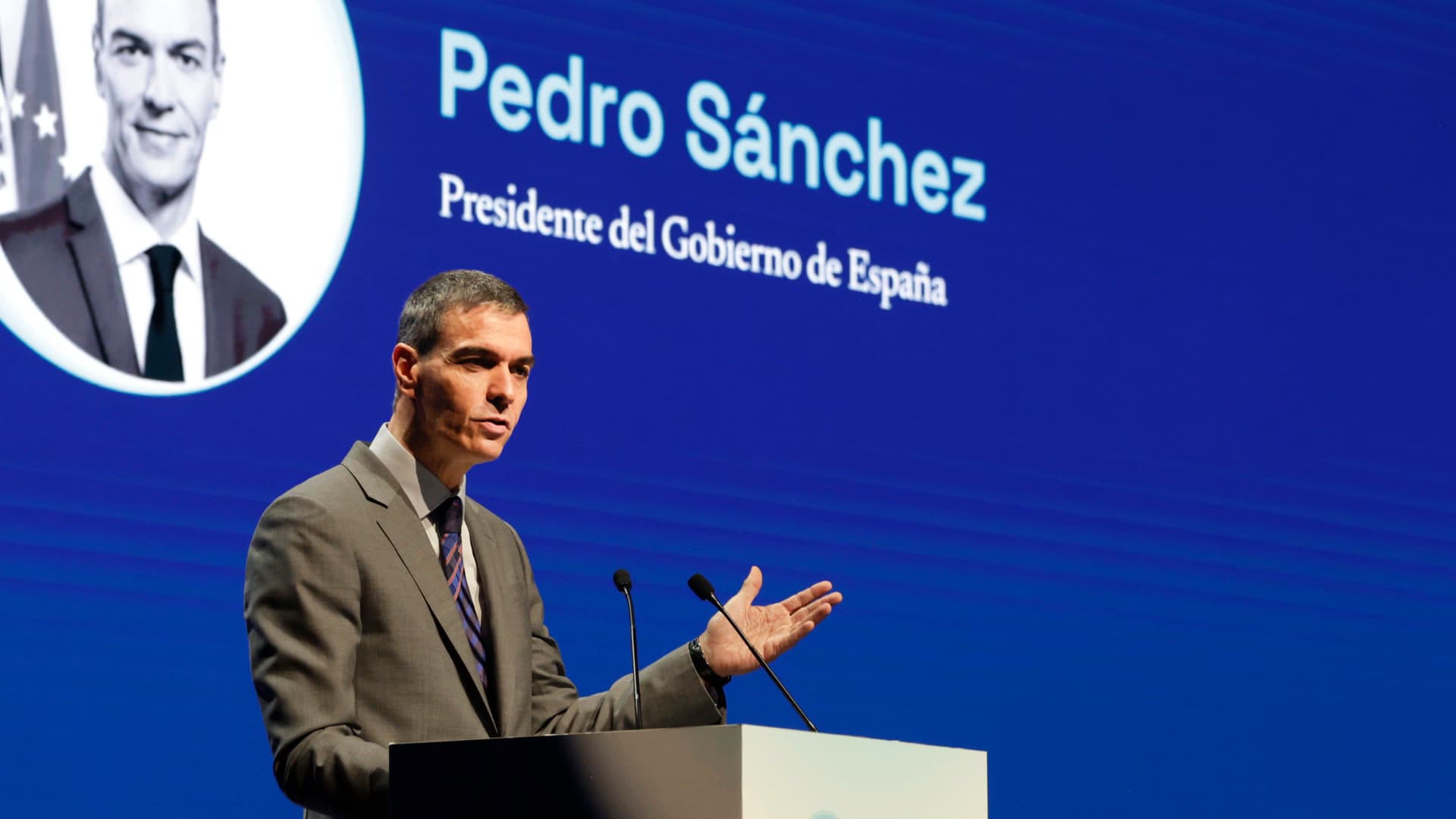
Spanish Prime Minister Pedro Sánchez stressed on Monday that decisions for his country are made solely in Madrid. Speaking at the World in Progress forum in Barcelona, he said: “Spain is governed from Spain, not from Washington, not from Tel Aviv, of course, and not from Moscow or Buenos Aires. This is the path Europe needs.”
His reference to Tel Aviv comes against the backdrop of longstanding tensions between Madrid and Israel. Spain recognized the State of Palestine in May 2024 and imposed a ban on arms trade with Israel in 2025, while Sánchez has described what is happening in Gaza as genocide.
Sánchez delivered his speech, titled “Rethinking Europe,” at the opening of the third edition of the forum organized by the Prisa media group, owner of El País, at the Catalonia Conference Centre. He invoked the book The World of Yesterday by Austrian writer Stefan Zweig, warning that progress “cannot be taken for granted.” He said conservative parties that ally themselves with the far right are joining forces with powers answerable to foreign leaders and oligarchs who finance the movement around the world and chart its course.
“Illegal war” and a €100 billion bill
Sánchez devoted part of his speech to the Middle East, saying that “this illegal war” and tensions in the Strait of Hormuz demonstrate the price Europe and the rest of the world, particularly countries in the Global South, are paying in the struggle over energy resources.
He explained that the war had cost Europeans an additional €100 billion since the beginning of the year because of higher fuel prices. In March, Madrid had refused to allow U.S. forces to use the Rota and Morón bases in operations linked to the war against Iran. U.S. President Donald Trump threatened to cut trade with Spain, and Sánchez responded with the phrase “No to war.”
He said his government’s investment in renewable energy eight years ago had made the country less vulnerable to shocks, with renewable sources now generating more than half of Spain’s electricity. He also criticized Brussels’ proposals to cut the development aid budget.
Europe as a “moral beacon”
Sánchez rejected talk of a decline in the European project, saying that some countries do not want to leave Europe but to join it. He pointed to the country that made the “mistake” of voting to leave the union in 2016 and is now reconsidering its relationship with it. He added that the European Union is “a moral beacon for humanity” and a lifeline for human rights, democracy, social and territorial cohesion, and progress.
Warning over the “internationalism of the far right”
Sánchez warned that, for the far right, conflict and confrontation “are not merely a means of reaching power, but an end in themselves.” He added that the “internationalism of the far right,” as he called it, is weaving cross-border alliances to weaken Europe from within.
His comments came ahead of Spain’s general election on November 29. He criticized the conservative People’s Party for moving closer to the far-right Vox party, while praising German Chancellor Friedrich Merz and Polish Prime Minister Donald Tusk for refusing to form alliances with the far right.
Sánchez called for greater unity, recalling that “Europe prevails when it is united,” as demonstrated by joint gas purchases during the most difficult moments of the war in Ukraine.
He concluded: “In confronting those who want less Europe, our response must be unequivocally more Europe.”
Video: El País / Clash Report. Cover image: Gianluca Battista / El País
Stay Updated with Hilal Times
Subscribe to be informed about special news, developments and announcements. We will keep you informed.
By signing up, you agree to our Privacy Policy