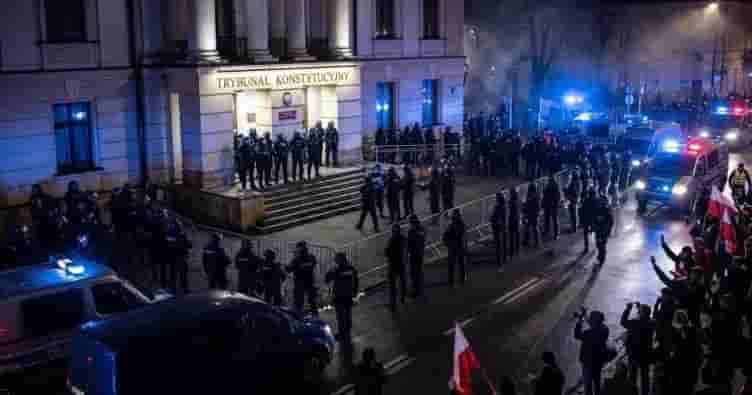
Poland’s yearslong crisis over the Constitutional Court escalated on October 30 after the duties of its president, Bogdan Święczkowski, and deputy president, Bartłomiej Sochański, were suspended for one month. Police entered the court grounds in Warsaw, while President Karol Nawrocki cut short his trip to Senegal and returned to Poland.
Judge suspends court leadership’s duties
Judge Anna Korwin-Piotrowska made the suspension decision. She was among the judges elected by parliament in 2026, but President Nawrocki refused to swear her in, while Święczkowski barred her from participating in hearings. She temporarily assumed management of the court after the duties of its president and deputy president were suspended.
The suspension decision was published on the court’s website at around 6 p.m. local time, before the site stopped working shortly afterward. The judge summoned police to the court, citing a potential threat to the safety of judges and staff.
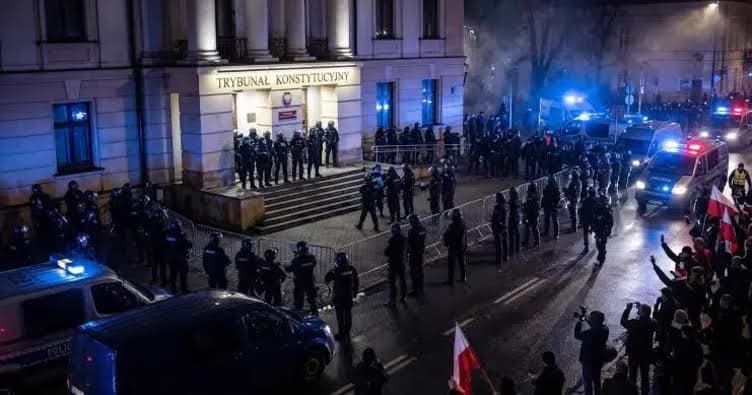
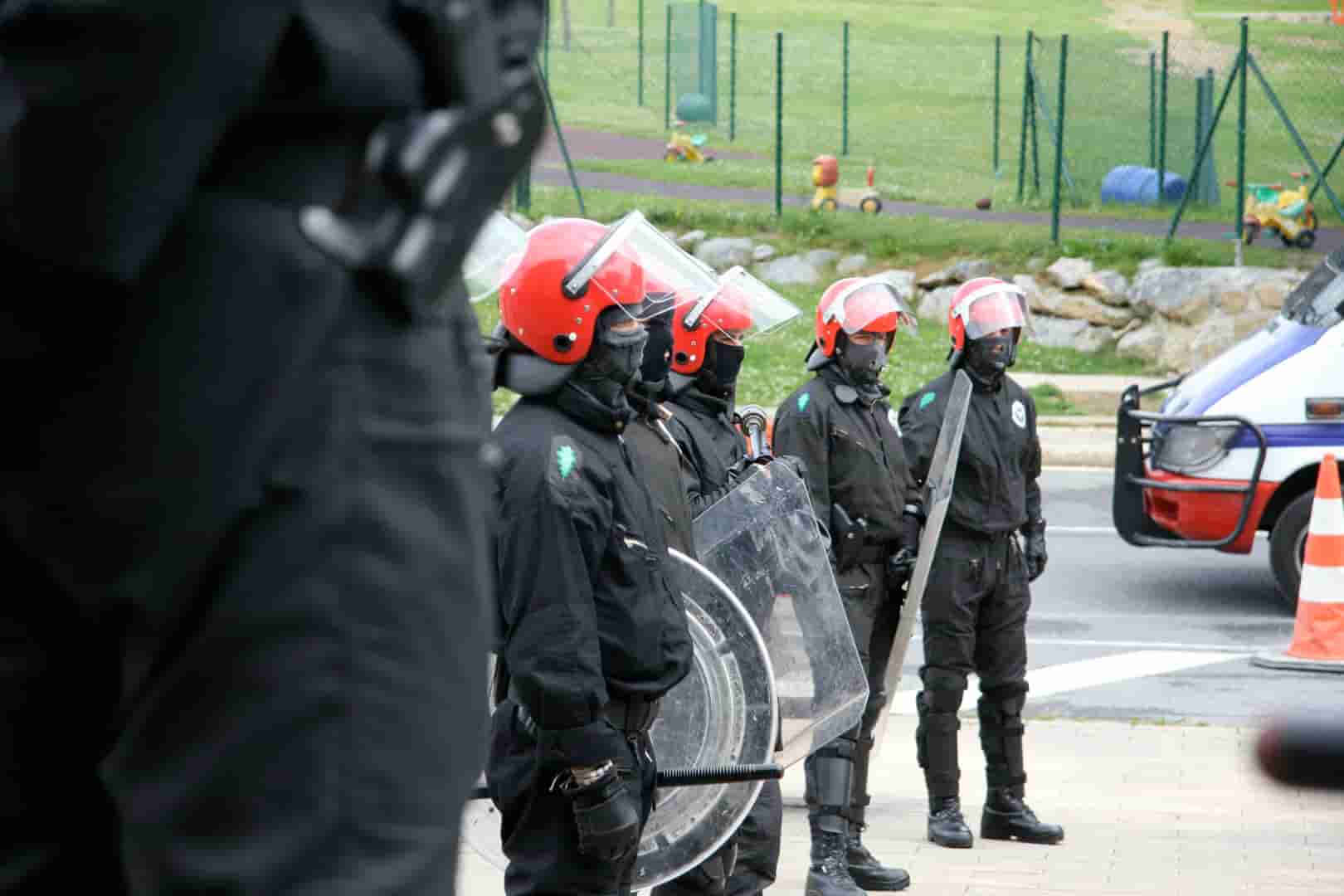
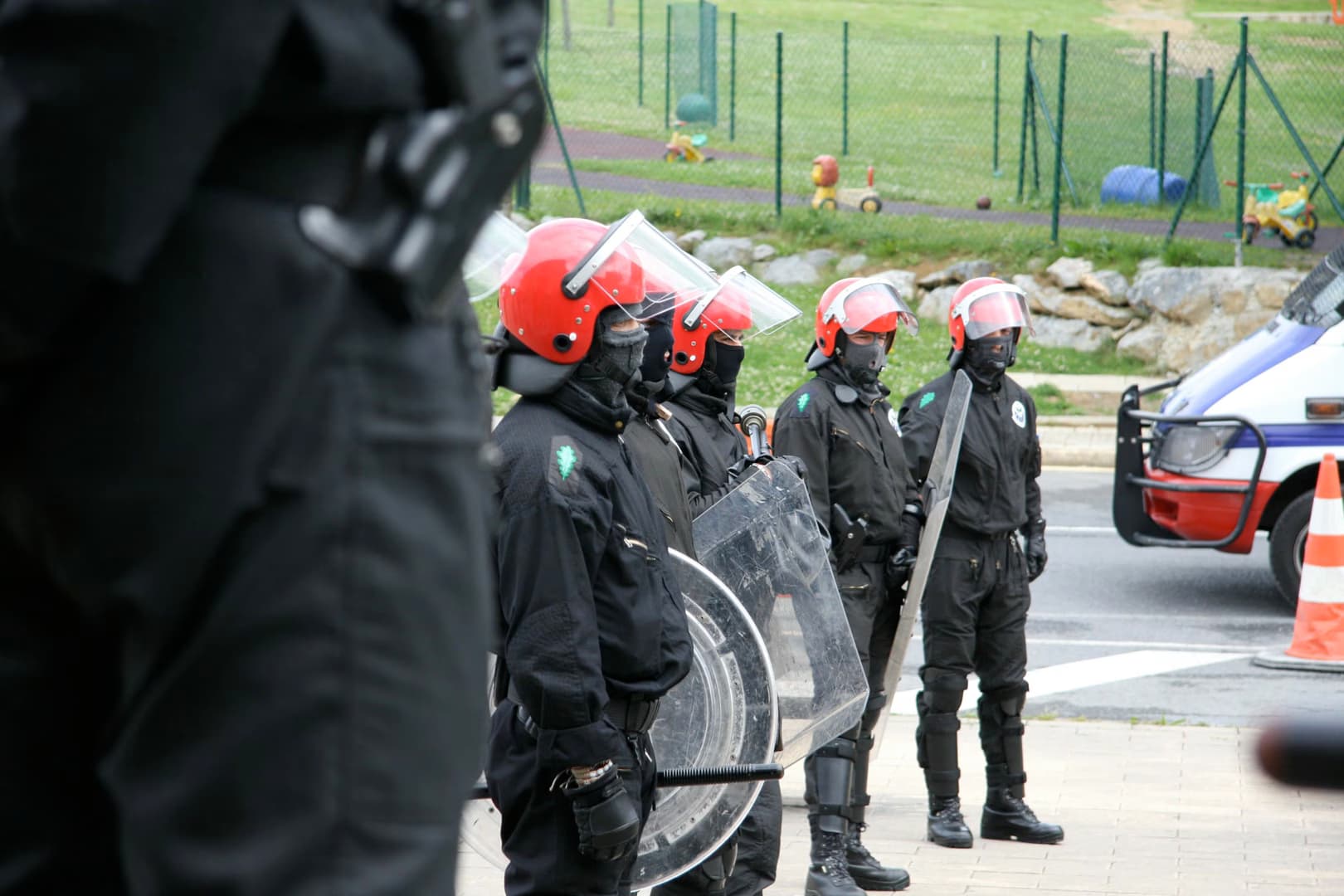
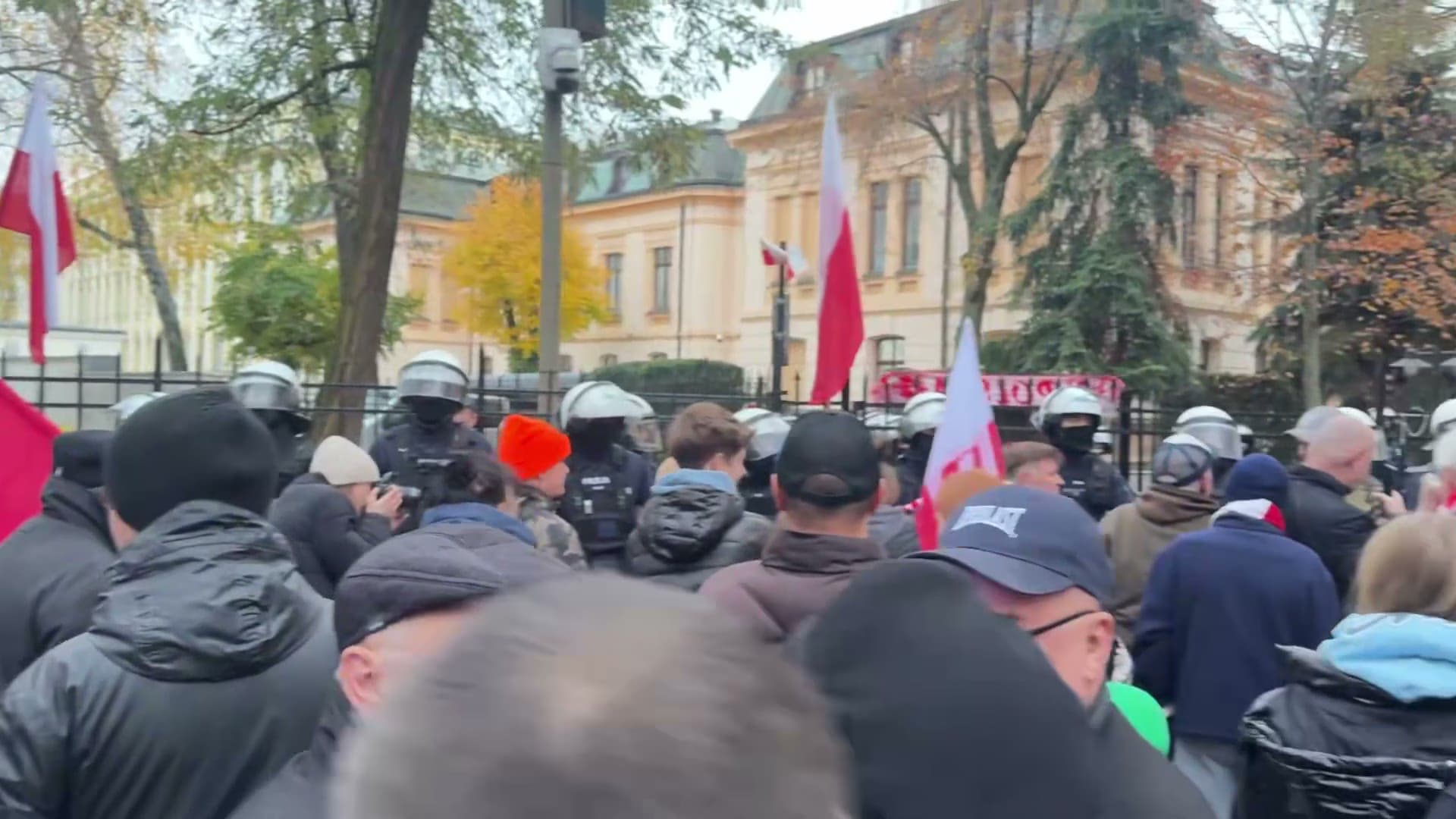
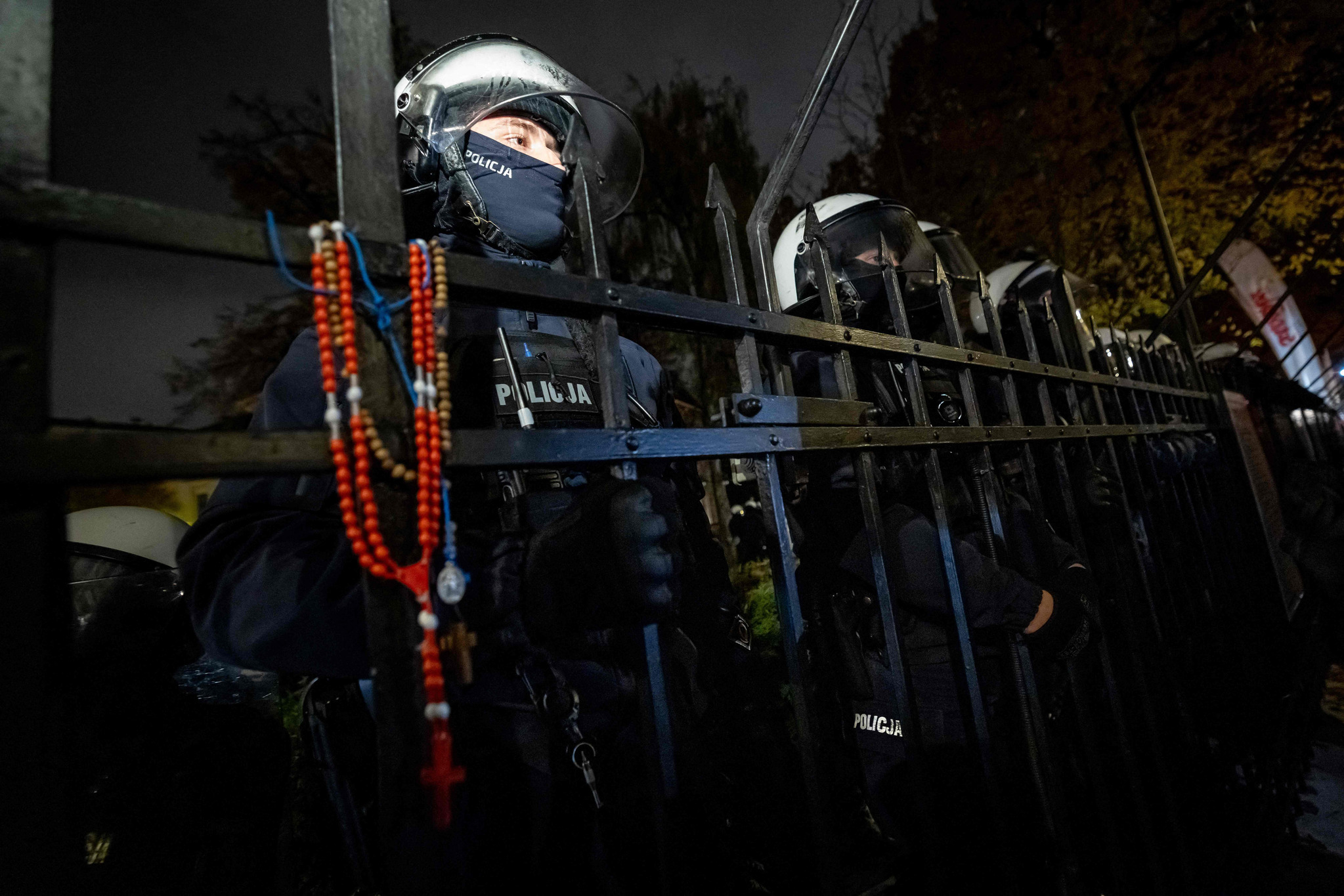
Police said their officers entered the court grounds after incidents outside, including dangerous objects being thrown at them, but did not enter the building. Dozens of protesters gathered outside the court, and three people were detained after some demonstrators crossed the fence. Claims that police had acted on the direct orders of Prime Minister Donald Tusk were not officially confirmed.
Nawrocki: The president should be in Poland
“At a moment like this, the president should be in Poland,” Nawrocki said, announcing his return to the country.
Tusk, meanwhile, said that “restoring the rule of law is our duty,” acknowledging that the process is “painful at times” and adding: “There is no other way.” Tusk accuses Święczkowski of preventing judges elected by the parliamentary majority from taking office.
Opposition calls it a coup
Jarosław Kaczyński, leader of the opposition Law and Justice party, described what happened as a “coup” and called on Nawrocki to intervene, saying Poland was becoming a police state.
Former Justice Minister Zbigniew Ziobro also described the suspension of the court president’s duties as a “blatant and criminal assault on the constitutional order,” calling for “loud, resolute, united and courageous resistance.”
Background to the crisis
The Law and Justice party governed Poland from 2015 to 2023. Critics in Poland and the European Union accused it of imposing political control over judicial institutions, including the Constitutional Court, and the European Union fined Warsaw over those reforms. Former President Andrzej Duda, an ally of the party, appointed Święczkowski as court president.
Tusk’s pro-European government, which took power in 2023, does not recognize the court’s rulings because of judges appointed under the party’s rule. Nawrocki and Święczkowski, meanwhile, do not recognize the judges elected by parliament in 2026, after the president refused this year to swear in three of the six judges nominated by parliament.