- BIST10011,619-0.88%
- USD49.45+0.05%
- EUR55.62+0.37%
- GOLD4,199.00+0.43%
- INTEREST37.00%-1.00
- BITCOIN82,693+0.83%
- October 19, 202616°
- BIST10011,619-0.88%
- USD49.45+0.05%
- EUR55.62+0.37%
- GOLD4,199.00+0.43%
- INTEREST37.00%-1.00
- BITCOIN82,693+0.83%
- October 19, 202616°
Peace deal pen pulled from Colombia’s National Museum as Bogotá protests turn violent
Protests in the Colombian capital Bogotá against the removal of some 30 pieces from the National Museum, including the pen used to sign the peace agreement with the FARC, entered a second day. On Sunday, police used water cannon to push protesters off the avenue outside the museum.
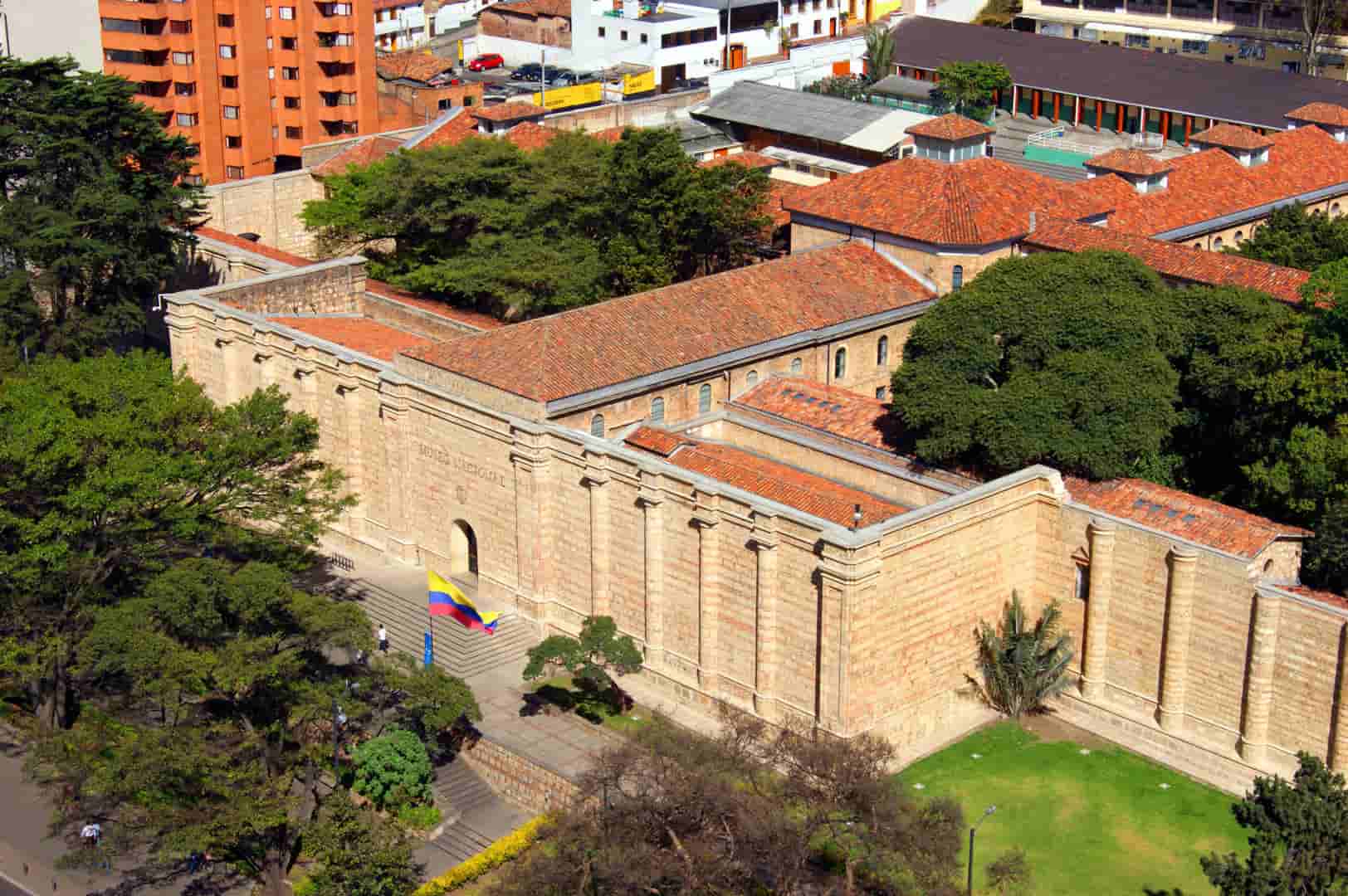
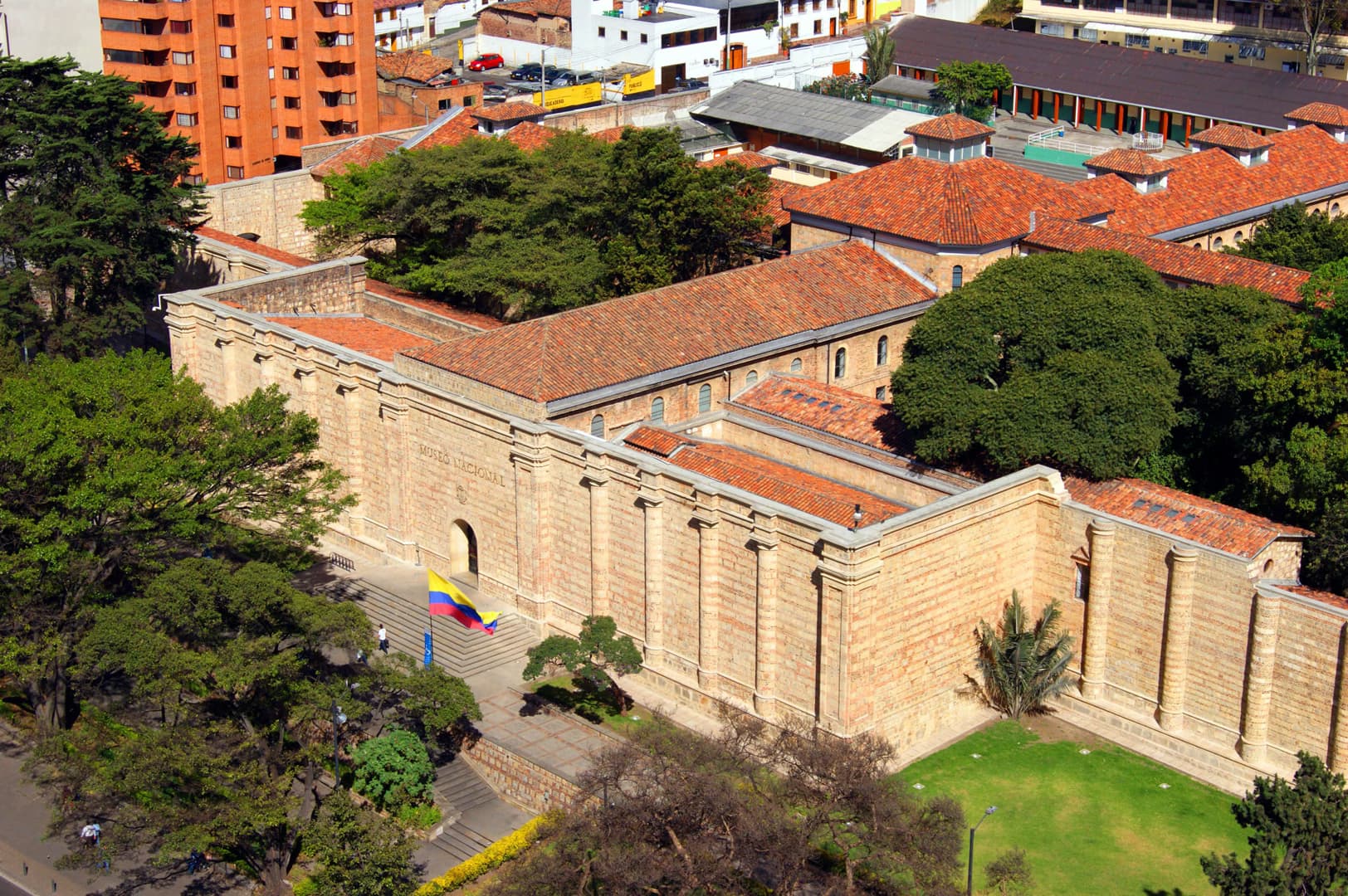
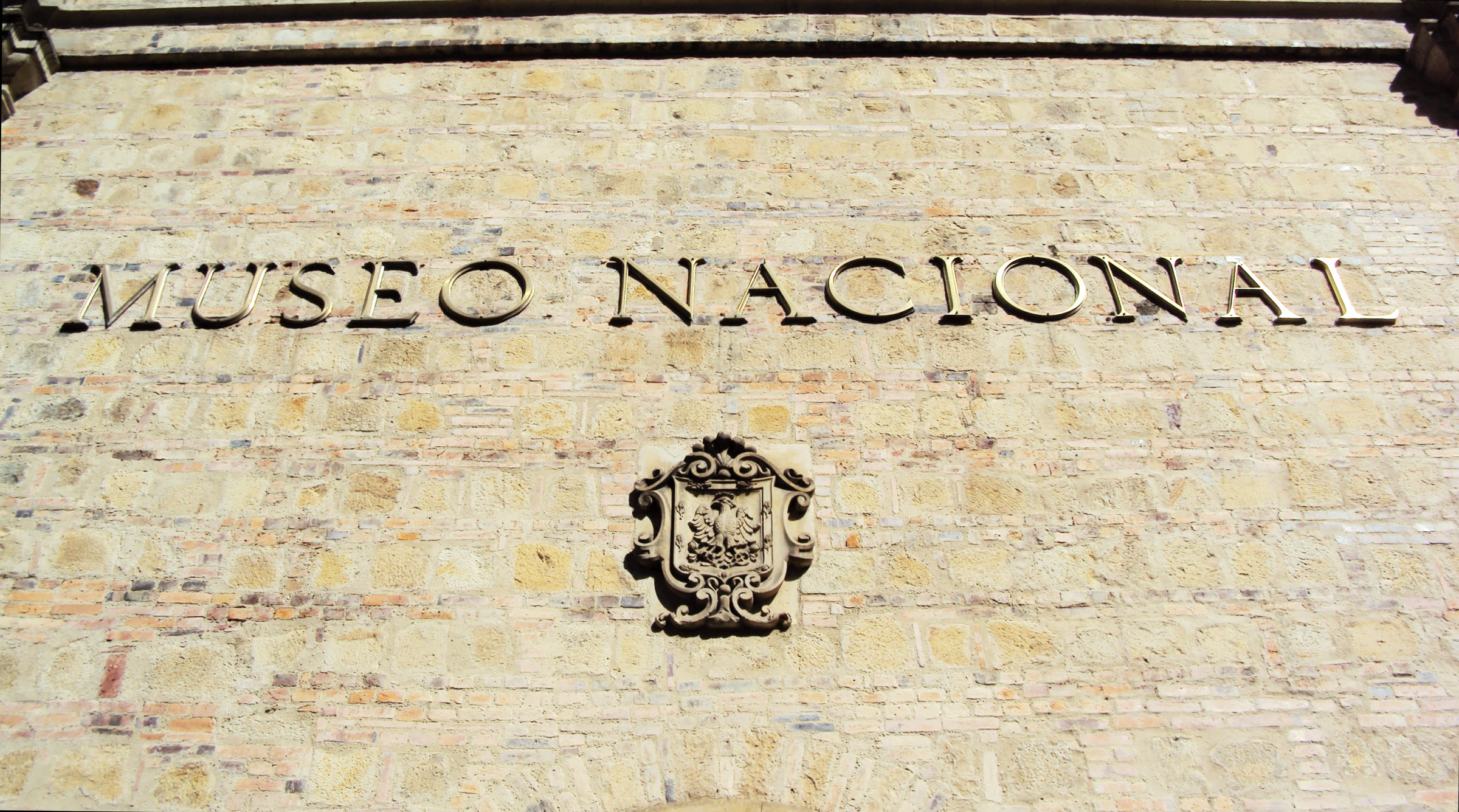
A pen made from a bullet casing and used to sign the 2016 peace agreement between the Colombian government and the FARC, along with posters of two presidential candidates assassinated 36 years ago, were among some 30 pieces the government removed from the National Museum in Bogotá. The decision sparked protests that turned into clashes with police for a second straight day on Sunday.
The sit-in on Carrera Séptima in front of the museum began at 10 a.m. on Sunday with at least 300 people. At around 3:30 p.m., the police riot unit Unadi moved in with armored vehicles, spraying protesters with water and firing stun grenades, while some demonstrators responded by throwing stones. The footage below shows the moment of the intervention near the TransMilenio station next to the museum.
In the evening, tensions spread to the area around the Center for Memory, Peace and Reconciliation on Calle 26. The first day of protests on Saturday had drawn about 500 people, according to the Ombudsman’s Office, and ended with water cannon and stun grenades before calm returned at around 7:30 p.m.
Pieces of the conflict’s memory
The items taken from the museum’s “Hacer sociedad,” “Memoria y Nación” and “Fuerza, fe y sustancia” halls include campaign posters of Carlos Pizarro, a former M-19 guerrilla commander who ran for president after the group disarmed, and of Patriotic Union candidate Bernardo Jaramillo Ossa. Both men were assassinated in 1990.
The list also includes the “Balígrafo” pen, the 1990 “Seventh Ballot” that paved the way for the 1991 Constitution, an armband of the M-19’s political party, an LGBTQ+ pride flag, photos of pride marches and posters from feminist movements. All of the pieces have been moved to the museum’s storage.
President: No room for glorifying terrorism
The removal came on the direct orders of President Abelardo de la Espriella, who said he had instructed Culture Minister Paola Holguín to remove from public places “all that ode to terrorism” featuring Pizarro, adding that he would not accept any glorification of terrorism and that “in this government, it is over.” He described the decision as a “cultural counterrevolution” against the “woke” approach of the government of his predecessor, Gustavo Petro.
Holguín said the museum cannot become “a space for political indoctrination or for glorifying crime.”
Rights advocates object
Ombudsman Iris Marín called the use of a water cannon vehicle against a peaceful protest “unnecessary and disproportionate,” while Interior Minister Rodrigo Lara said police intervened only to reopen the avenue, one of the capital’s main arteries, after it was fully blocked. The rights group Temblores reported injuries and arbitrary detentions, though no official figures have been released.
Carolina Restrepo, head of the Colombian Family Welfare Institute, accused some adults of putting children in the front rows, while museums and cultural organizations rejected the decision in a joint statement. Lawmaker Jennifer Pedraza said Holguín will be summoned to Congress to answer questions.
Eight demonstrations are expected in Bogotá this week, two of them outside the National Museum. The protests are not linked to the recent demonstrations in France over fuel prices.
Stay Updated with Hilal Times
Subscribe to be informed about special news, developments and announcements. We will keep you informed.
By signing up, you agree to our Privacy Policy