- BIST10011,731+2.16%
- USD50.07+0.05%
- EUR55.96-0.52%
- GOLD4,130.10+1.35%
- INTEREST36.00%-1.00
- BITCOIN74,777+0.08%
- November 9, 202613°
- BIST10011,731+2.16%
- USD50.07+0.05%
- EUR55.96-0.52%
- GOLD4,130.10+1.35%
- INTEREST36.00%-1.00
- BITCOIN74,777+0.08%
- November 9, 202613°
Qatar brings Iran mediation to Oval Office for closed-door Trump meeting
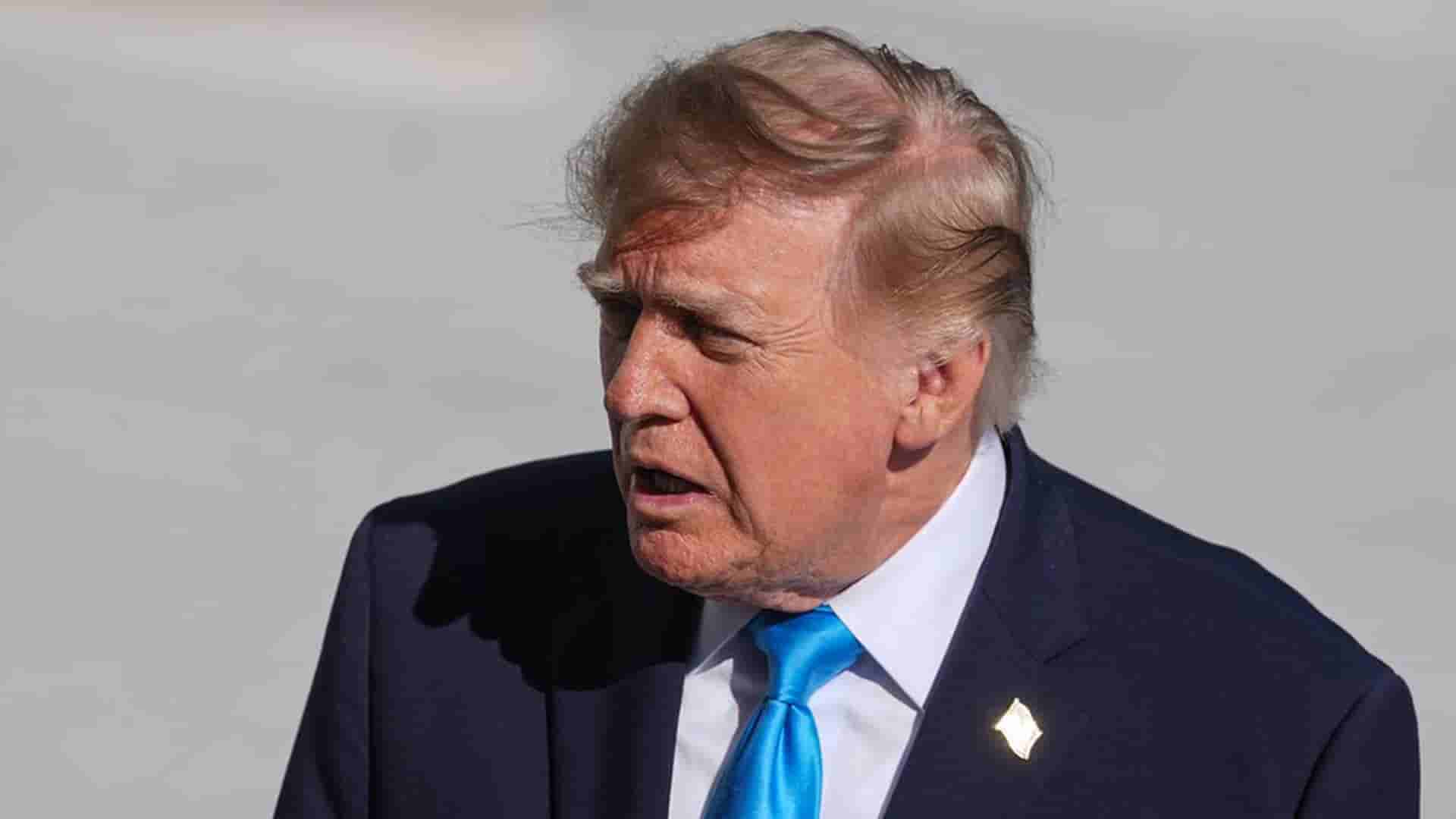
U.S. President Donald Trump will receive Qatari Prime Minister and Foreign Minister Sheikh Mohammed bin Abdulrahman Al Thani at the Oval Office today, Monday, for a meeting closed to the press focused on mediation between Washington and Tehran. The visit comes days after Sheikh Mohammed said in Oxford that Doha would not halt its efforts to prevent a new escalation in the region.
U.S. President Donald Trump will meet Qatari Prime Minister and Foreign Minister Sheikh Mohammed bin Abdulrahman Al Thani at the Oval Office around noon today, Monday, Washington time. The daily schedule published by the White House showed that the meeting is set for noon (17:00 GMT) and will be closed to the media, while U.S. reports said Vice President J.D. Vance would also hold separate talks with the Qatari guest.
The meeting is expected to focus on indirect negotiations between the United States and Iran, in which Doha is playing the main mediation role, as Tehran considers Qatari proposals aimed at bringing the two sides closer on ending the war.
Five visits to Tehran in one week
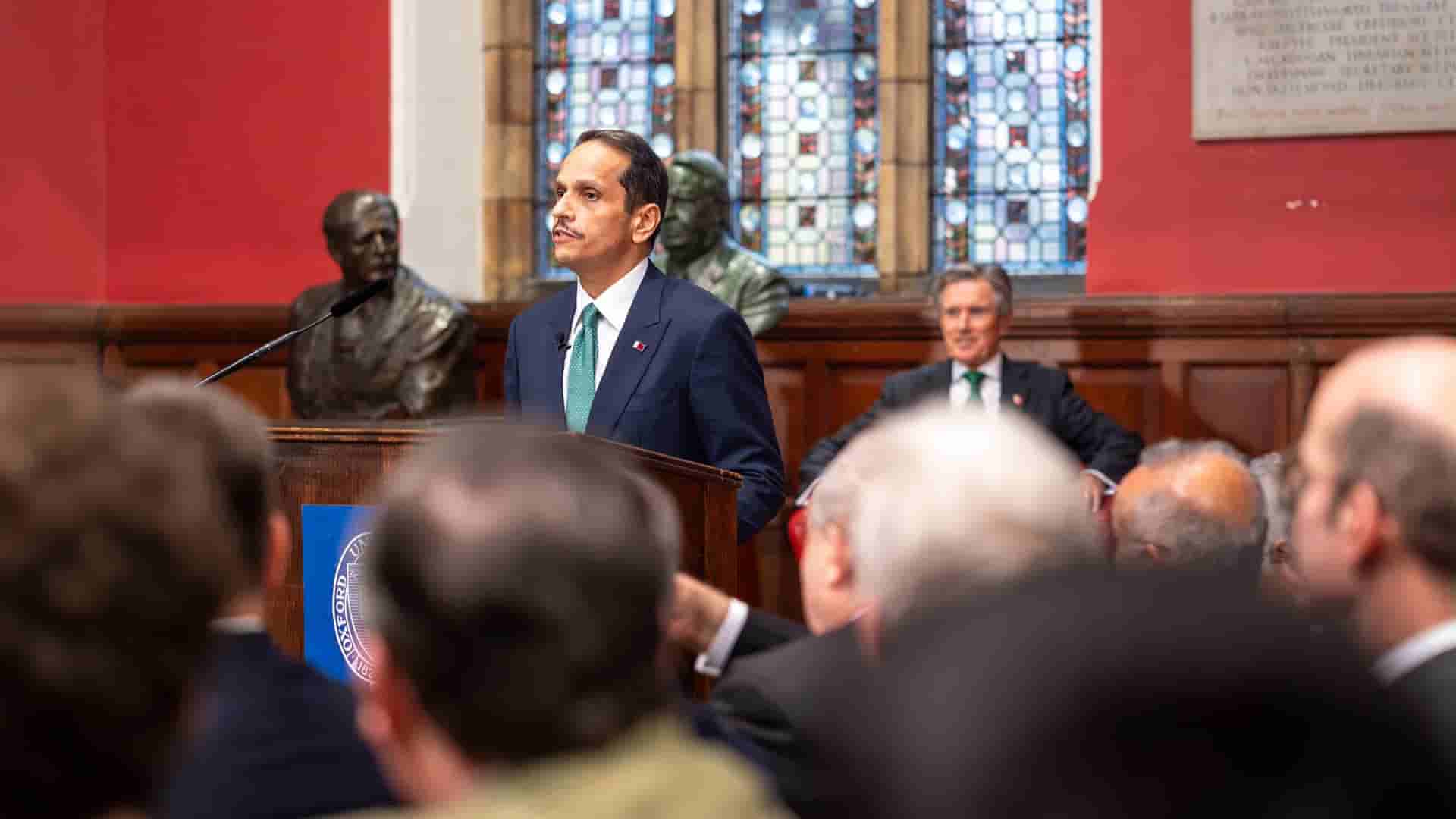
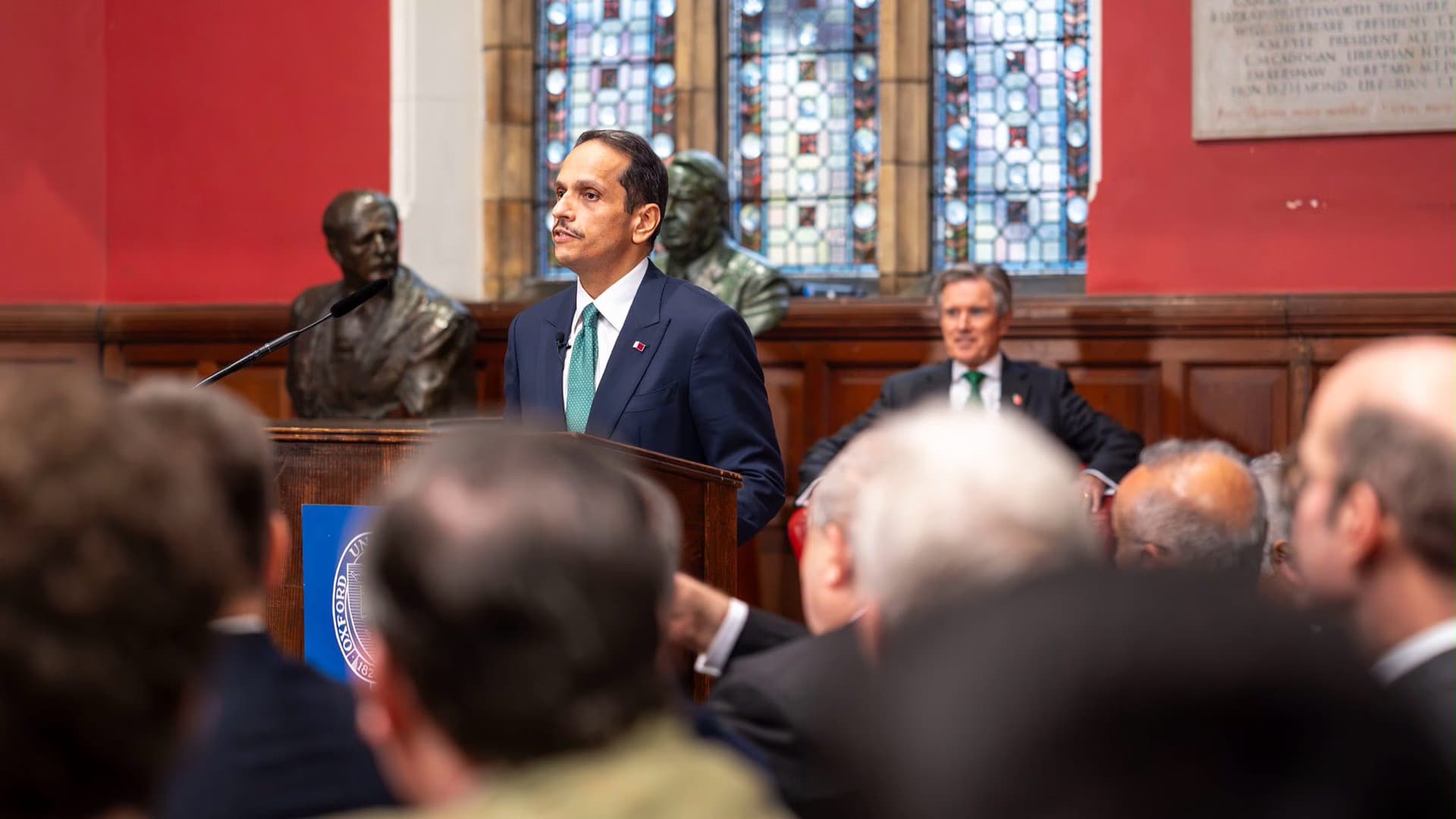
In a lecture he delivered on Friday at the Oxford Union in the United Kingdom, Sheikh Mohammed bin Abdulrahman revealed that the Qatari delegation had visited Tehran five times in one week, holding meetings that in some cases lasted between 18 and 20 hours to avert a new confrontation. According to a statement by Qatar’s Foreign Ministry, he said coordination with U.S. administration officials and “voices of reason” in Tehran helped prevent the situation from spiraling out of control. He warned that another round of military operations would not resolve the outstanding issues and that the region could not withstand further escalation.
He added that the priority should be addressing the nuclear issue, ensuring freedom of navigation and safeguarding Gulf security. He called for building on the progress achieved instead of waiting for a “perfect agreement.” Axios reported that Qatari mediators, along with Pakistan, Saudi Arabia, Egypt and Türkiye, were discussing a draft containing reciprocal steps over two days to build confidence. The plan would begin with the lifting of the U.S. naval blockade and the release of some frozen Iranian funds in exchange for an Iranian invitation to International Atomic Energy Agency inspectors, followed by the reopening of the Strait of Hormuz and the resumption of nuclear talks.
Gaza at the heart of mediation efforts
The Qatari prime minister’s remarks were not limited to Iran. He said mediation efforts in Gaza had repeatedly clashed with the Israeli government’s positions and its constant changes to the facts on the ground, noting that more than 1,000 people had been killed since the ceasefire was announced and that the only practical achievement had been an agreement to release the hostages.
In this excerpt from the discussion moderated by former head of the British intelligence service Sir John Sawers, Sheikh Mohammed said that any agreement failing to address the withdrawal of forces, Gaza residents’ right to a normal life, and the Palestinians’ right to self-determination and statehood would leave the door open to escalation. He accused Netanyahu of acting “with impunity,” saying that Netanyahu had obtained what he wanted from the agreement and then continued the blockade and killings in the territory.
He stressed that turning the de-escalation into a genuine ceasefire required an end to hostilities, the withdrawal of forces and a real political horizon for the Palestinians; otherwise, the crises would inevitably recur.
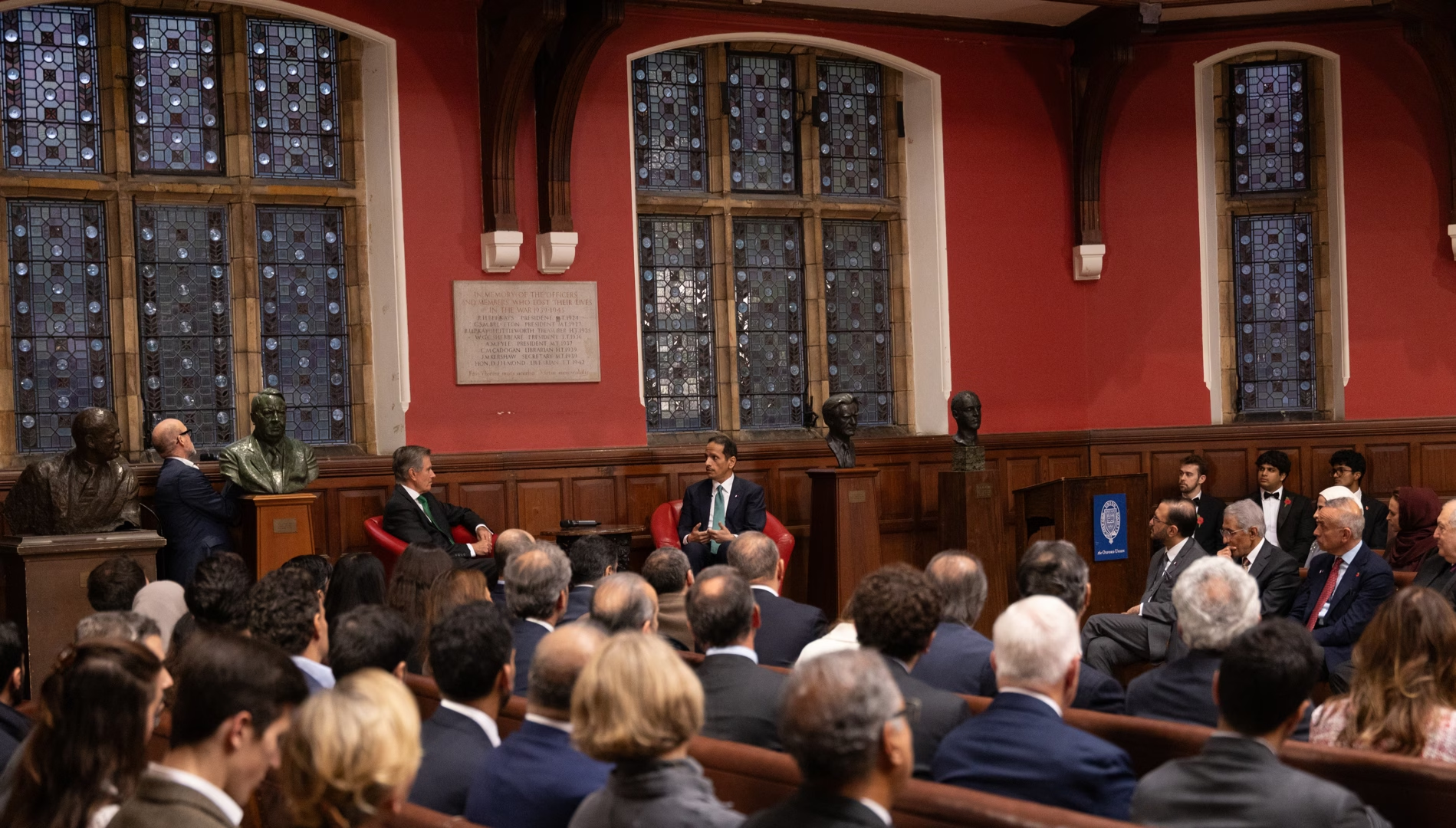
Sheikh Mohammed recalled Qatari Emir Sheikh Tamim bin Hamad Al Thani’s call before the United Nations General Assembly in 2015 for serious dialogue between the Gulf Cooperation Council states and Iran to address the roots of the dispute. He said Qatar had engaged in around 16 mediation files in 2025, including prisoner exchanges, ceasefires and peace initiatives, arguing that mediation had become a necessity for prosperous states because their security is linked to the stability of their surroundings.
Photos and video: Qatar’s Foreign Ministry
Stay Updated with Hilal Times
Subscribe to be informed about special news, developments and announcements. We will keep you informed.
By signing up, you agree to our Privacy Policy