- BIST10011,729+2.15%
- USD50.07+0.05%
- EUR55.96-0.52%
- GOLD4,129.40+1.34%
- INTEREST36.00%-1.00
- BITCOIN74,602-0.16%
- November 9, 202613°
- BIST10011,729+2.15%
- USD50.07+0.05%
- EUR55.96-0.52%
- GOLD4,129.40+1.34%
- INTEREST36.00%-1.00
- BITCOIN74,602-0.16%
- November 9, 202613°
Washington strikes Iran's Qeshm Island as Rubio calls Tehran's demands absurd
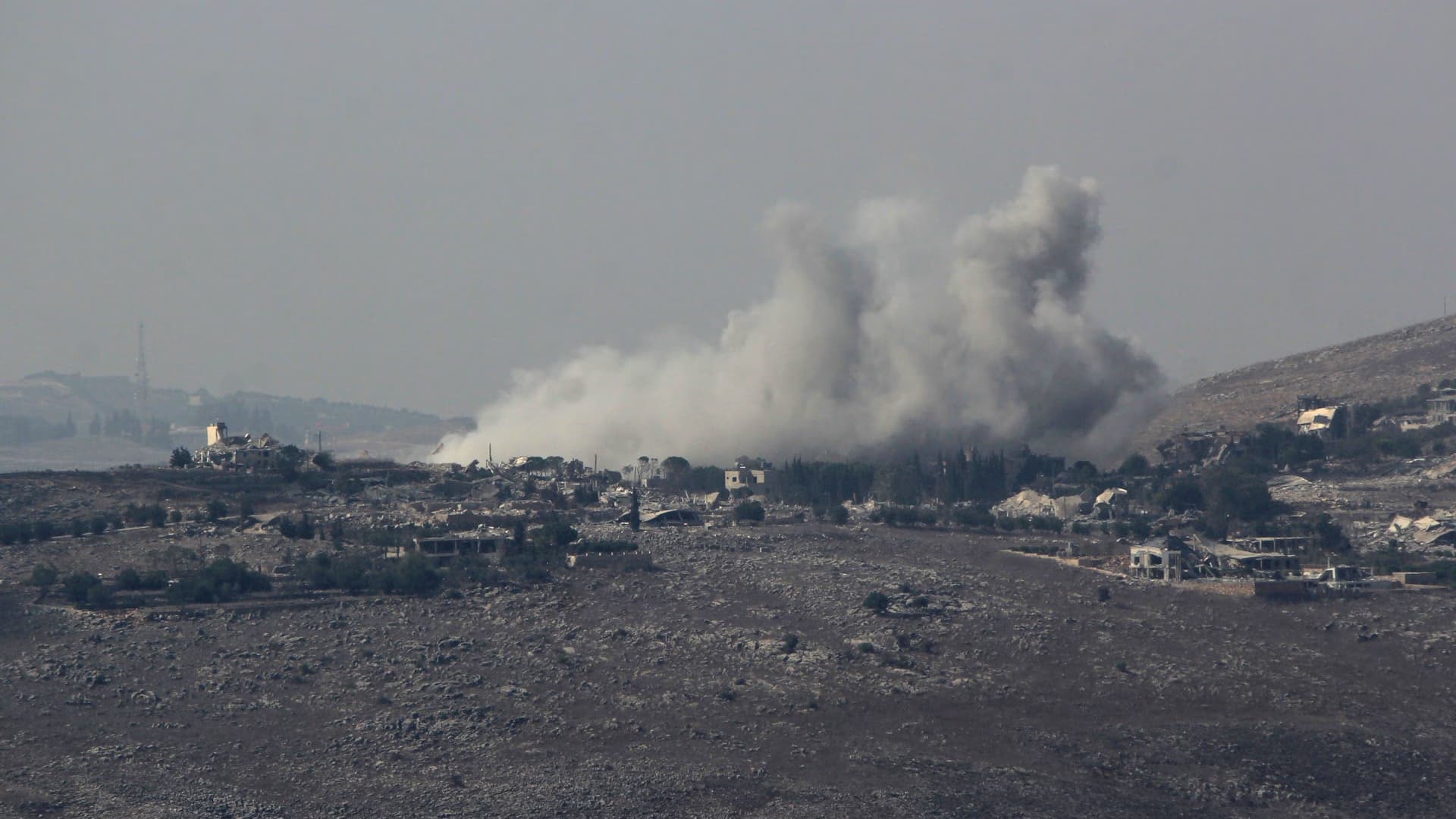
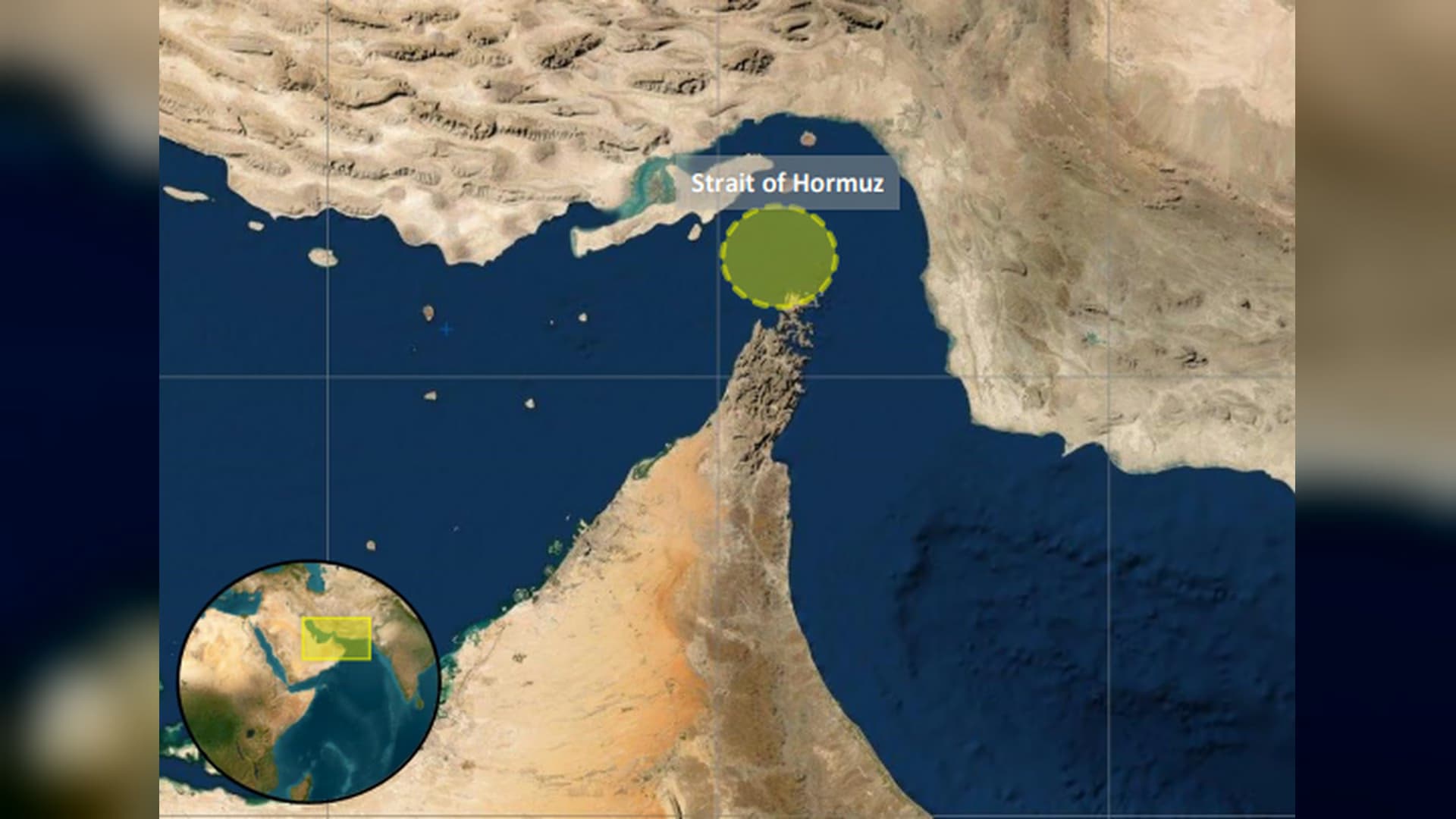
U.S. forces struck a site on Iran's Qeshm Island in the Strait of Hormuz, while Iranian authorities confirmed that there were no casualties or damage to vital infrastructure.
Hilal Times Editorial DeskUpdated:
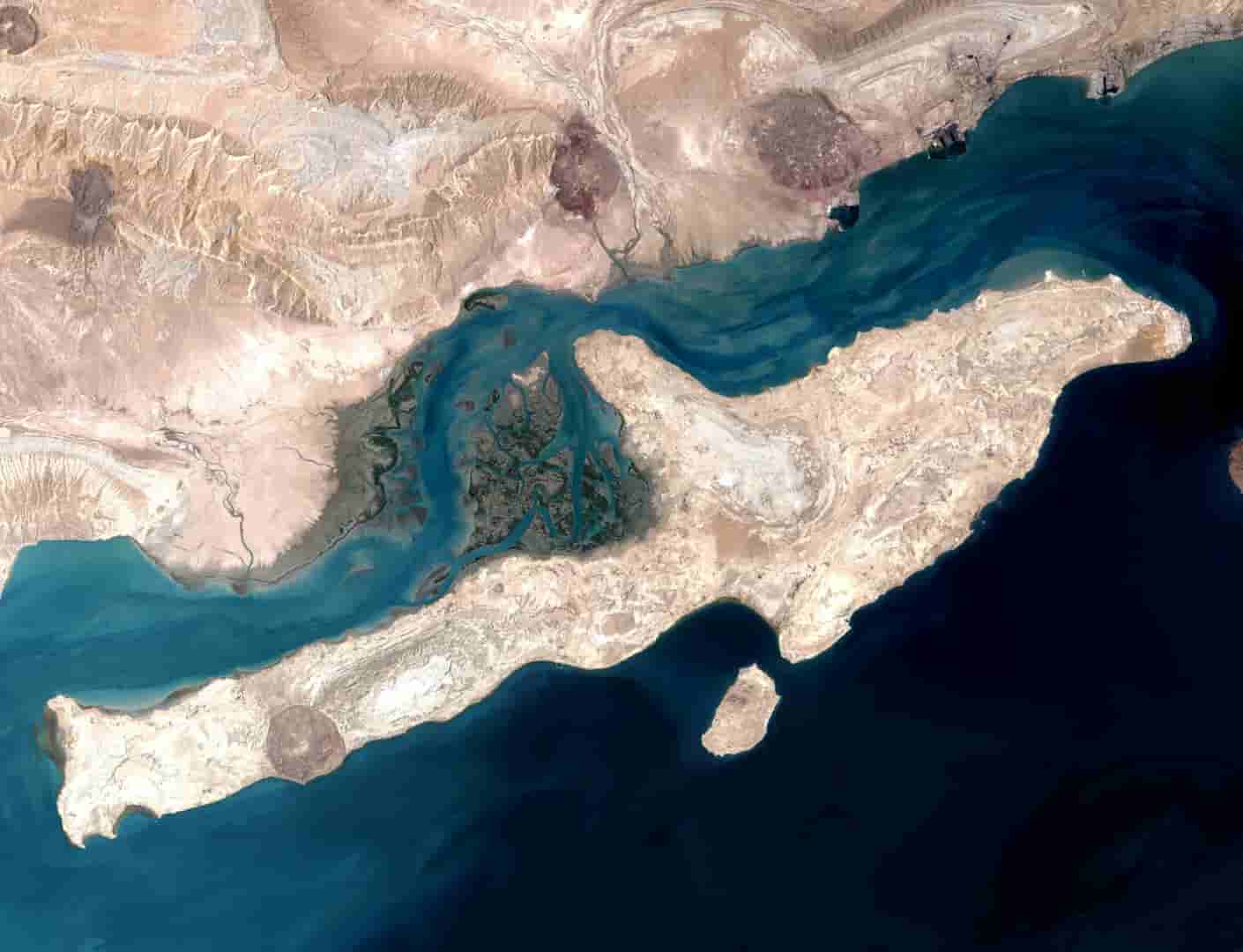
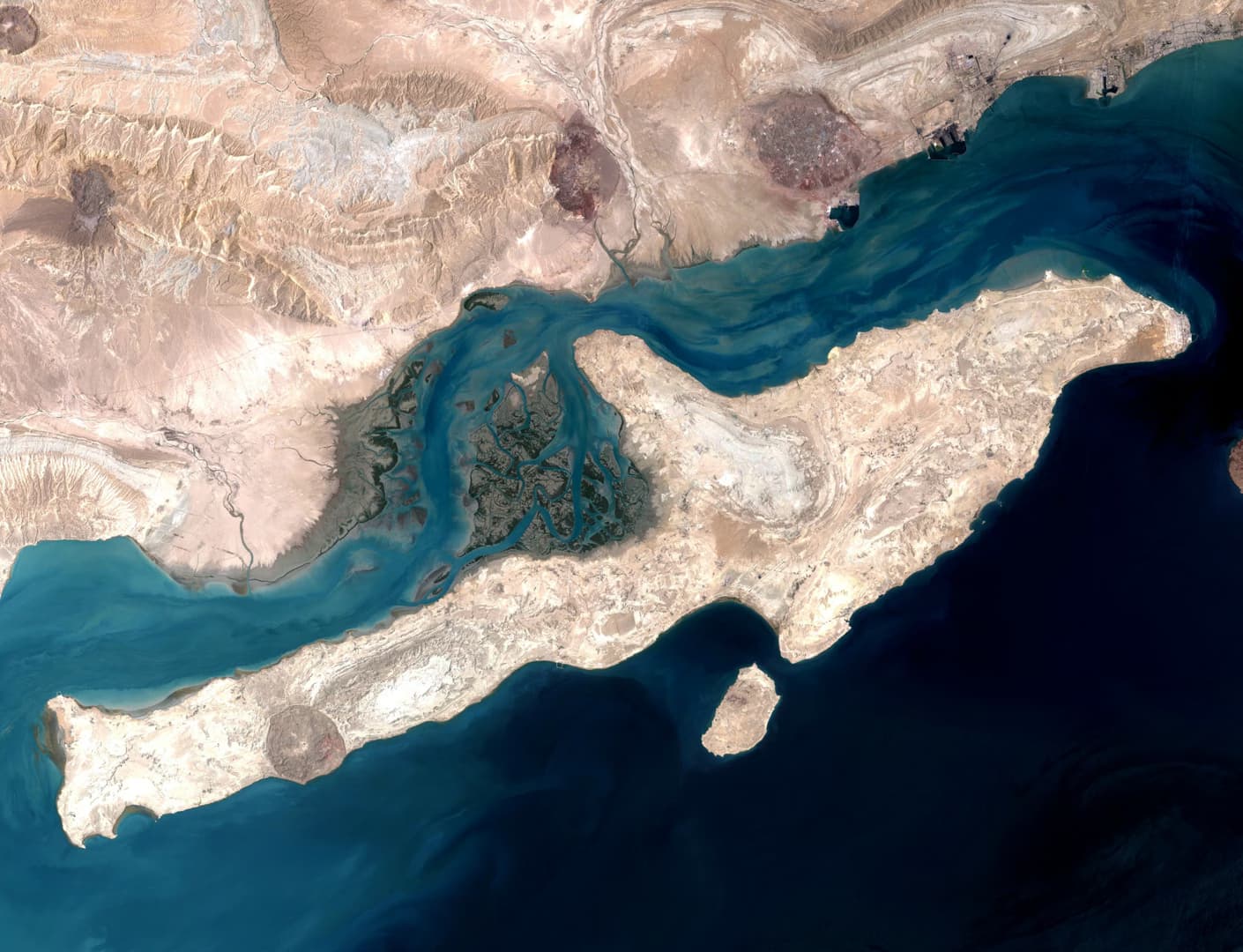
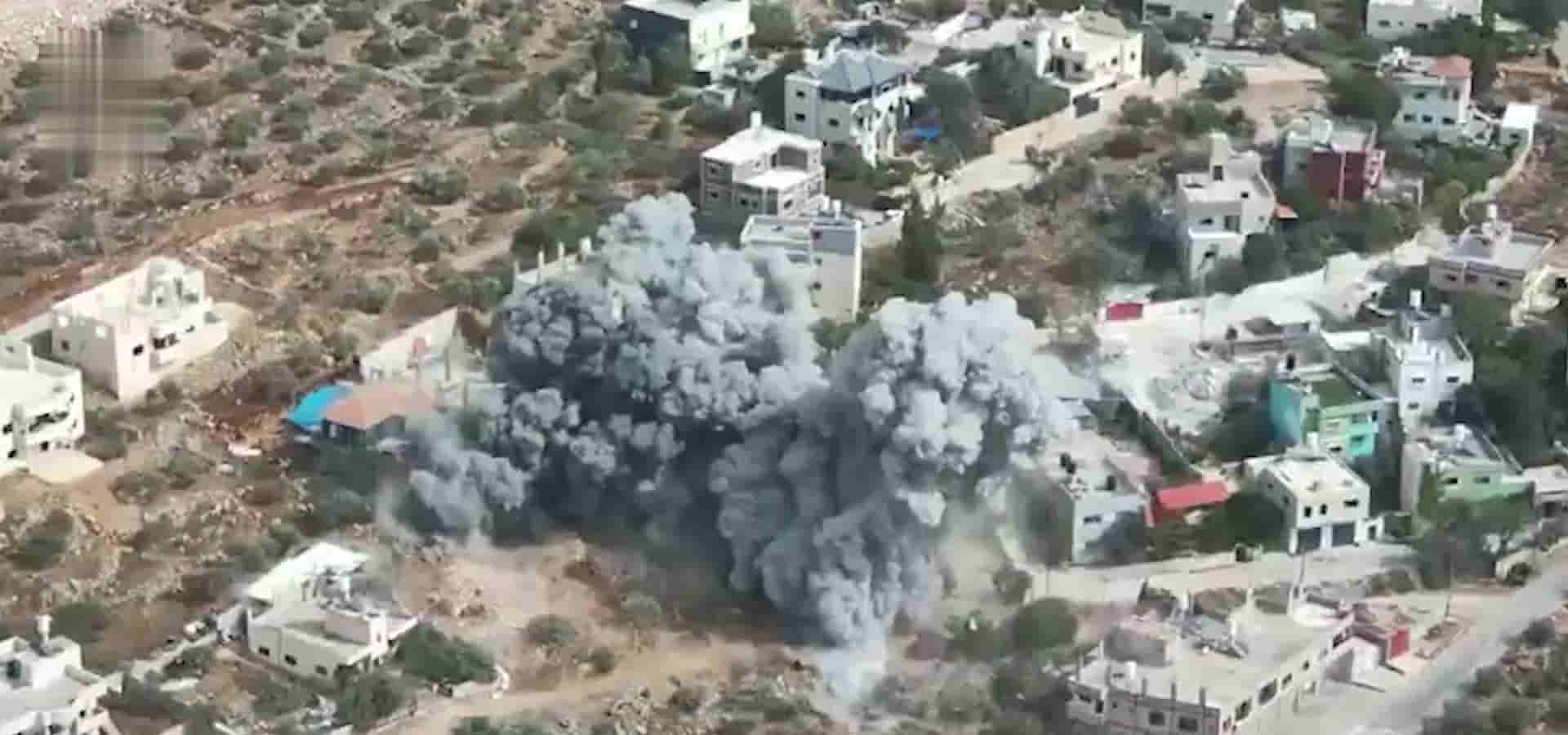
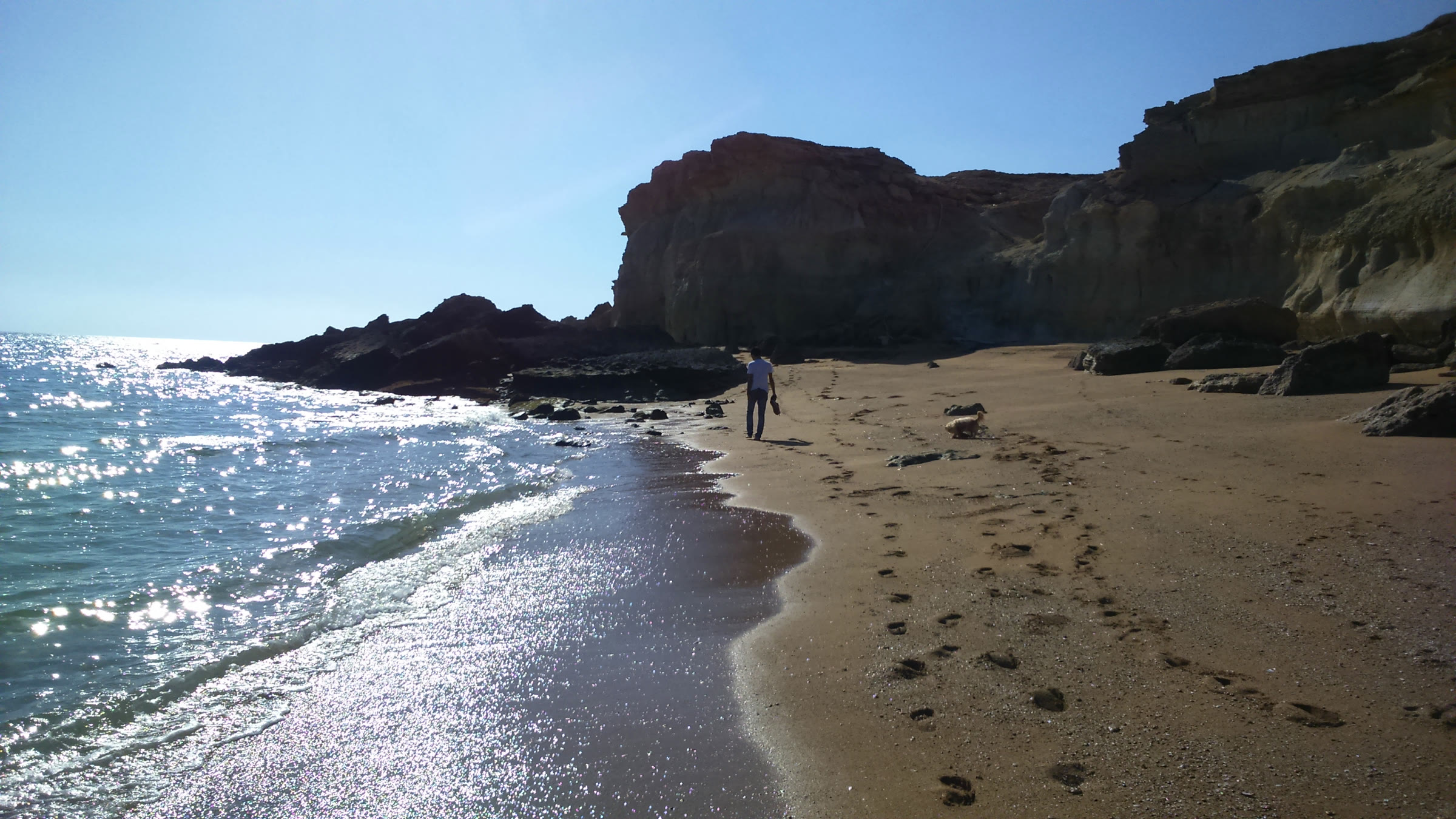
U.S. forces struck an area on Sunday night on Qeshm Island, which belongs to Iran's southern Hormozgan province, Iranian authorities announced. Iranian state media reported hearing four explosions on the island.
Ahmed Nafisi, the political and security deputy to the governor of Hormozgan, said, “The area targeted by the U.S. military on Qeshm Island is outside residential and commercial areas and service facilities. The attack caused no damage to vital or service infrastructure.” He confirmed that the situation was under control and that rescue teams and security agencies were on maximum alert.
U.S. Secretary of State Marco Rubio told reporters in Florida that the two sides were not “on the verge of a breakthrough,” adding that President Donald Trump preferred a diplomatic solution. However, he said Iran's demands were “not merely unacceptable, but in some cases outrageous, absurd and unrealistic.” Rubio said the war was “not necessarily popular, but necessary” to prevent Iran from obtaining a nuclear weapon.
Trump told CNN in a phone interview that as long as negotiations continued to make progress and Tehran signed a “strong agreement,” it was “highly unlikely” that the United States would need to resume its strikes. Trump is scheduled to receive Qatar's Prime Minister and Foreign Minister Sheikh Mohammed bin Abdulrahman Al Thani at the White House on Monday, while Tehran is considering Qatari proposals to bridge differences.
Iranian Foreign Minister Abbas Araghchi said, “The American voter has spoken, and it is time for the White House to make its decision.” He confirmed that Tehran's offer to reopen the Strait of Hormuz to commercial shipping within two days remained on the table if its conditions were met, including ending the war on all fronts.
In a post on X, Araghchi warned that if Washington chose war, Iran's “alert and combat-experienced” fighters would “rain hell” on it. Speaking to Iranian state television, he said diplomatic efforts to end the war had temporarily stalled because of the U.S. midterm elections. “There has been no back-and-forth by mediators for several days because the election results in the United States shocked everyone. Some time must pass and the atmosphere must be right; we need to wait a little,” he said. He added that Tehran would wait for Americans to absorb the election results before deciding how to proceed with the current course.
Rubio, for his part, said the United States was “acting defensively,” adding, “If there is a threat to our forces in the region, we will act against it.”
Stay Updated with Hilal Times
Subscribe to be informed about special news, developments and announcements. We will keep you informed.
By signing up, you agree to our Privacy Policy