- BIST10011,661-1.54%
- USD50.39+0.22%
- EUR55.50-0.19%
- GOLD3,865.80+0.33%
- INTEREST36.00%-1.00
- BITCOIN63,602-1.89%
- November 17, 202615°
- BIST10011,661-1.54%
- USD50.39+0.22%
- EUR55.50-0.19%
- GOLD3,865.80+0.33%
- INTEREST36.00%-1.00
- BITCOIN63,602-1.89%
- November 17, 202615°
Qatar PM: Attacking Gulf states violates sovereignty, even with a US facility
Qatar’s Prime Minister Sheikh Mohammed bin Abdulrahman Al Thani called for a security arrangement between the Gulf states and Iran based on guarantees and shared interests during an extended Oxford Union dialogue, clips of which circulated on Sunday evening. He stressed that Doha’s mediation between Washington and Tehran “has not stopped and will not stop.”
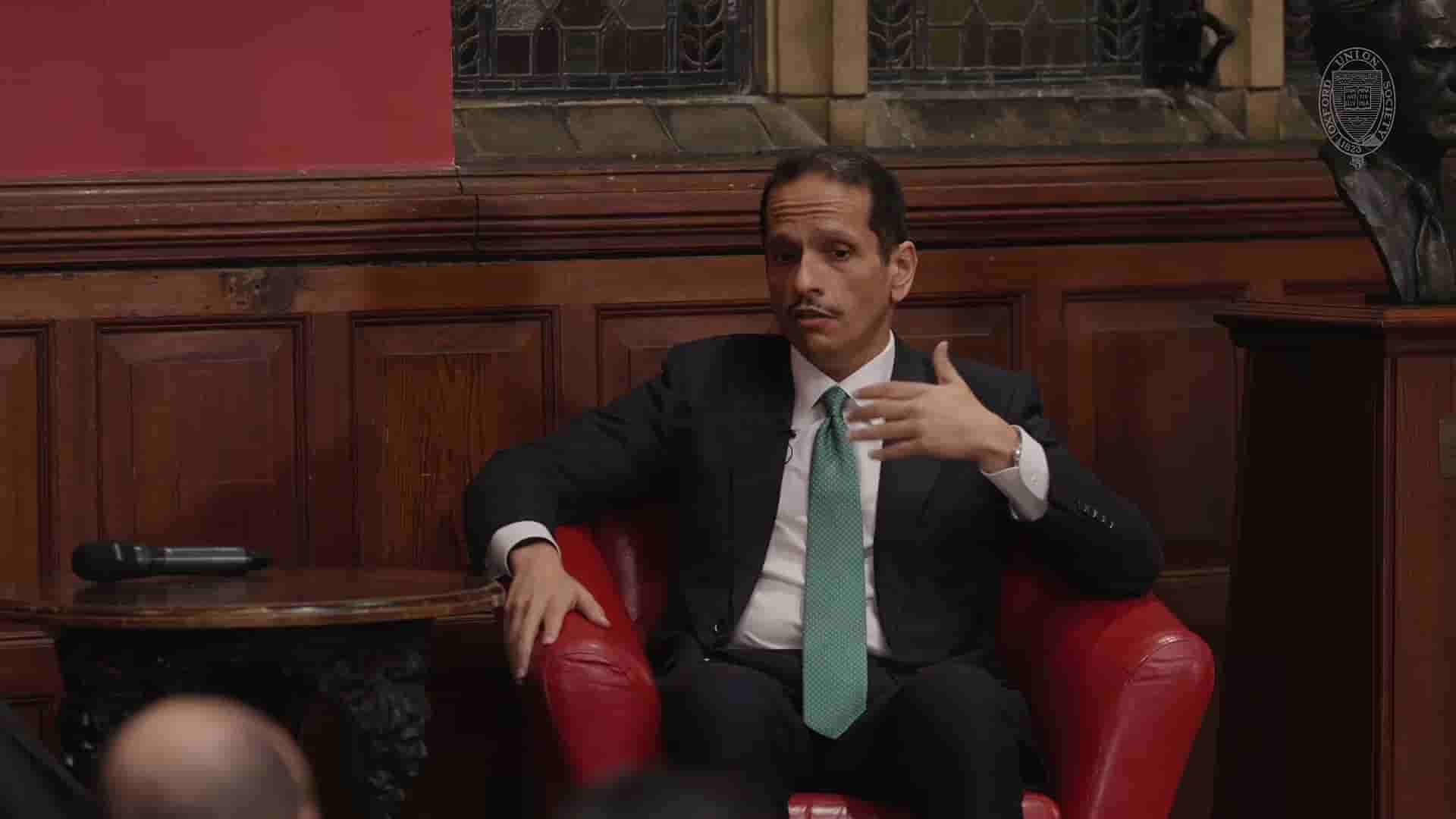
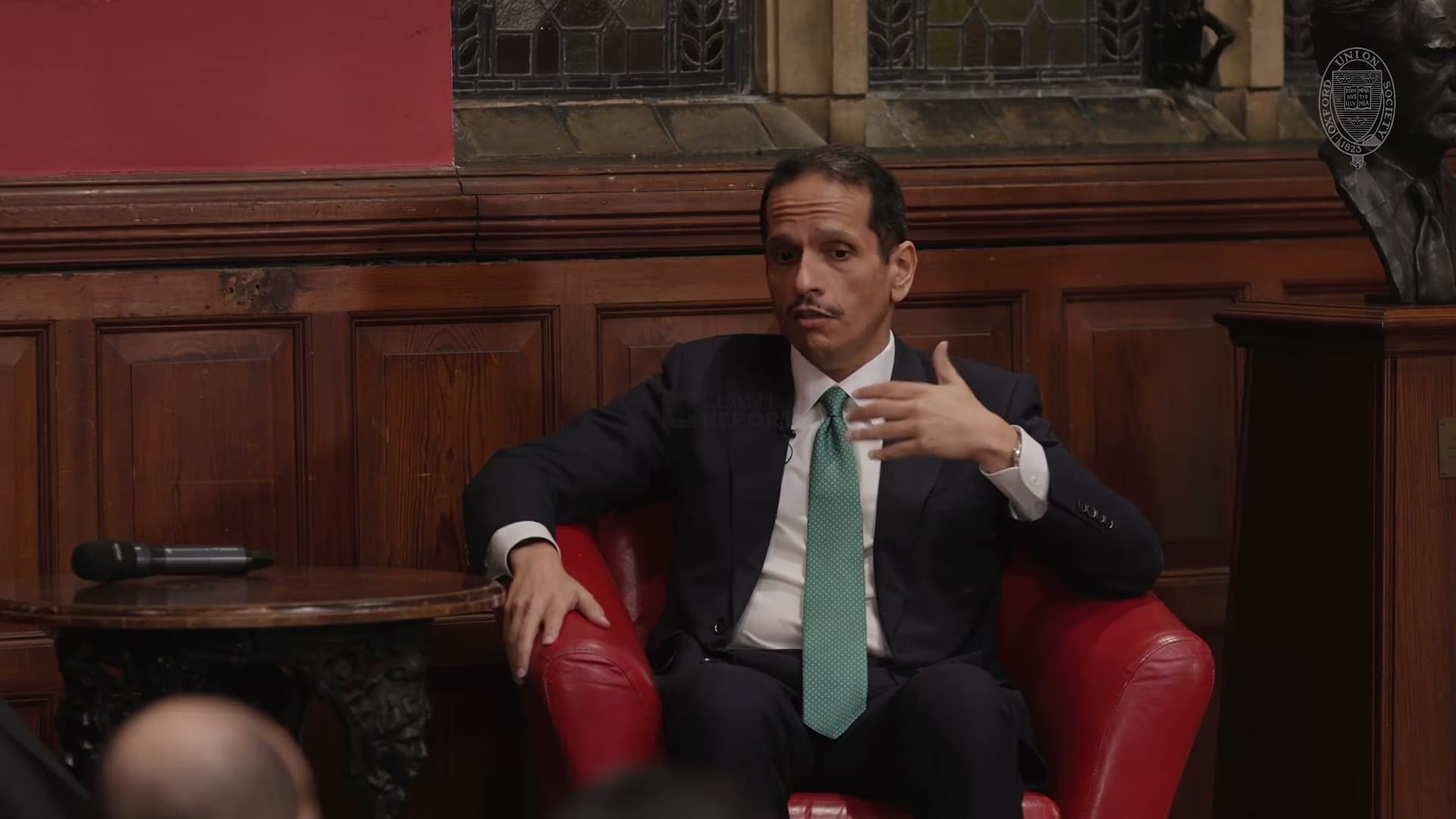
Qatari Prime Minister and Foreign Minister Sheikh Mohammed bin Abdulrahman bin Jassim Al Thani rejected using the presence of US military facilities in Gulf states to justify Iranian attacks on them. He said attacking those countries was “an assault on our sovereignty and our country” with no justification, “whether in Doha, the UAE or Saudi Arabia,” or any other Gulf Cooperation Council state.
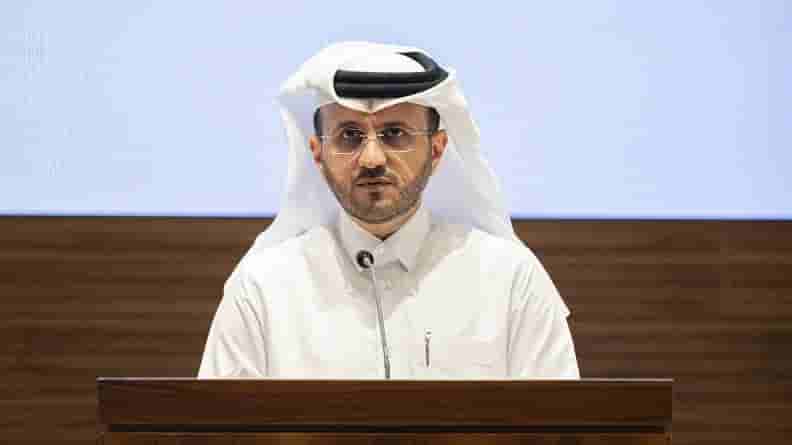
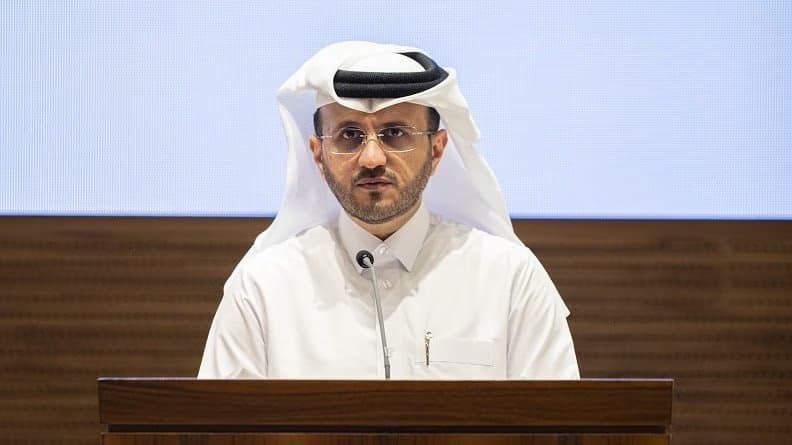
He made the remarks during a lecture and extended dialogue at the Oxford Union at the University of Oxford in the United Kingdom on November 6, titled “Prosperity in a Divided World: Small States and the New Geography of Global Influence.” The event was moderated by Sir John Sawers, the former head of the UK’s foreign intelligence service. Video clips from the dialogue circulated widely on Sunday evening, November 15.
In response to the argument that countries without US bases could avoid Iranian strikes, Sheikh Mohammed cited attacks on Oman, despite the country not hosting a permanent US base.
“Our engagement has not stopped and will not stop”
The prime minister discussed Qatar’s mediation efforts between the United States and Iran, revealing that a Qatari delegation had visited Tehran five times in one week and that some meetings lasted 18 to 20 hours. The efforts aimed to prevent a new escalation after implementation of the memorandum of understanding, to which Doha had contributed, stalled. He said the US administration’s intentions remained in place “even after the elections,” referring to the US midterm elections.
In this clip, Sheikh Mohammed says there will never be a “perfect peace agreement” and that waiting for such a moment could mean missing a good agreement that achieves de-escalation. He adds that efforts are continuing, although their pace is “not as active as it was days ago” because the parties are occupied with other issues. He stressed that Qatar’s engagement “has not stopped and will not stop.”
He warned that another round of military operations would solve nothing and that the region could not withstand further escalation after its peoples, including the Iranian people, had paid a heavy price. He identified the nuclear issue, freedom of navigation and Gulf security as priorities.
A security arrangement with Iran and economic integration
Sheikh Mohammed called for dialogue between the Gulf Cooperation Council states and Iran to build a security framework addressing the concerns of both sides. He recalled Qatari Emir Sheikh Tamim bin Hamad Al Thani’s call before the United Nations General Assembly in 2015 for serious dialogue between the two sides. He said such arrangements could not be based on promises alone but required tangible guarantees against aggression and threats of force, followed by confidence-building measures and the expansion of shared interests. He pointed to significant potential for economic cooperation between the Gulf and Iran after the nuclear issue is resolved.
In the second clip, the prime minister asks audiences to imagine a world in which this security arrangement with Iran exists. He noted that Iran has abundant water resources that the Gulf region lacks. He said building more shared interests would make it harder for politicians and leaders in the region’s countries to take hostile steps against one another.
Palestine and “impunity”
On Palestine, Sheikh Mohammed said the Palestinian issue remained at the heart of unresolved political issues and that mediation efforts in Gaza had repeatedly encountered the Israeli government’s positions, its ongoing alteration of realities on the ground and its escalating demands. He said the blockade, killing and targeting continued despite the ceasefire, with more than 1,000 people killed since it was announced. He added that a genuine ceasefire required an end to hostilities, a withdrawal and a credible political horizon.
On Lebanon, he said shelling continued despite the ceasefire agreement and that the occupation remained without a timetable for withdrawal. He warned that acting with impunity and disregarding international law exposed the entire region to constant danger. He stressed that any comprehensive regional vision must include resolving the Palestinian issue and establishing a Palestinian state, so that no party poses a threat to another.
In the third clip, Sheikh Mohammed cited Europe’s experience of coming together after World War II, despite millions of deaths among its peoples, eventually forming the European Union, which he described as a “huge achievement,” even if it was not a perfect model. He said the region was no less capable, as its peoples shared many commonalities and had not fought bloody wars against one another but rather experienced disputes, meaning opportunities remained.
In his lecture, the prime minister presented the concept of “prosperous states,” saying countries that had turned their capabilities into sources of strength and prosperity could play a greater role in making peace, and that a country’s size was no longer a measure of its influence. He said Qatar had engaged in about 16 mediation files in 2025, involving prisoner exchanges, ceasefires and broader peace initiatives. Qatar’s International Media Office had rejected reports after the lecture claiming that US-Iranian negotiations had failed, saying they had distorted the prime minister’s remarks.
Videos and cover image: Oxford Union. Sources: Oxford Union, Qatar News Agency, Gulf Times, Doha News.
Stay Updated with Hilal Times
Subscribe to be informed about special news, developments and announcements. We will keep you informed.
By signing up, you agree to our Privacy Policy