- BIST10011,661-1.54%
- USD50.39+0.22%
- EUR55.50-0.19%
- GOLD3,868.00+0.39%
- INTEREST36.00%-1.00
- BITCOIN63,739-1.68%
- November 17, 202615°
- BIST10011,661-1.54%
- USD50.39+0.22%
- EUR55.50-0.19%
- GOLD3,868.00+0.39%
- INTEREST36.00%-1.00
- BITCOIN63,739-1.68%
- November 17, 202615°
Burnham declares Brexit failed, seeks food deal with Europe before Friday summit
UK Prime Minister Andy Burnham acknowledges that leaving the European Union failed to deliver what Britons were promised and is heading to Brussels to sign agreements that would reduce food costs. The shift comes as London advances a free trade agreement with the Gulf Cooperation Council states, while Burnham rules out returning to the European customs union.
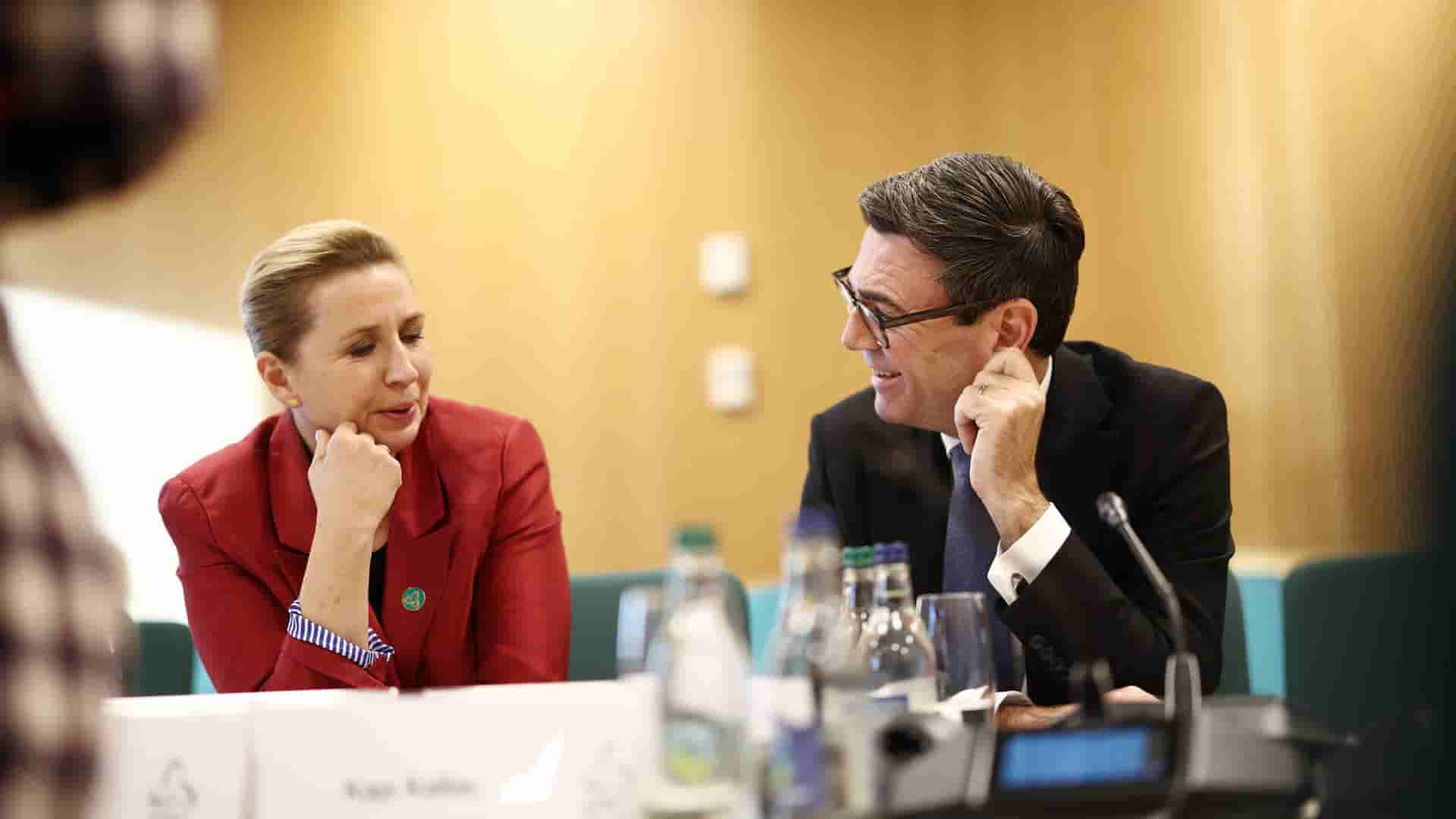
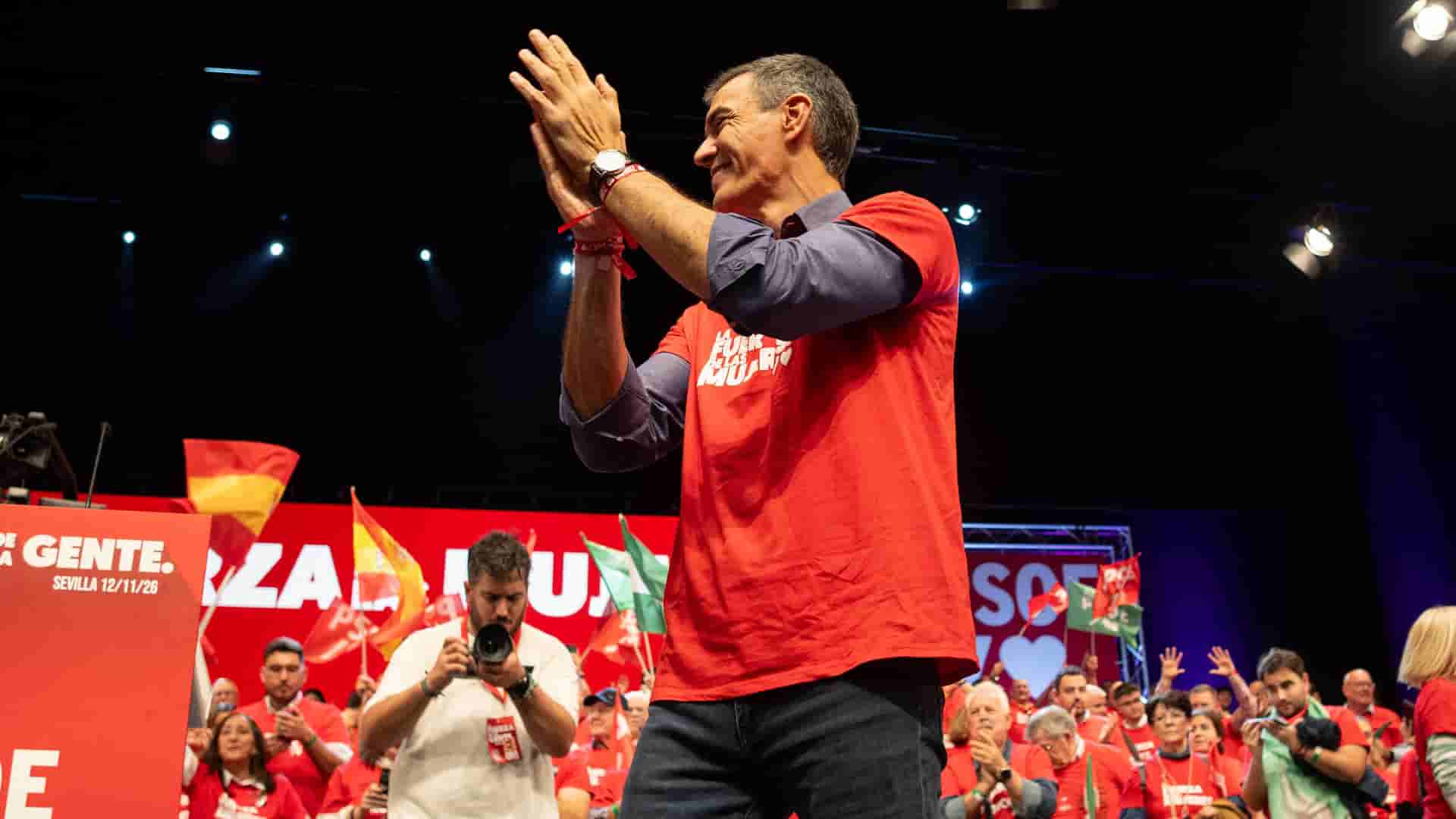
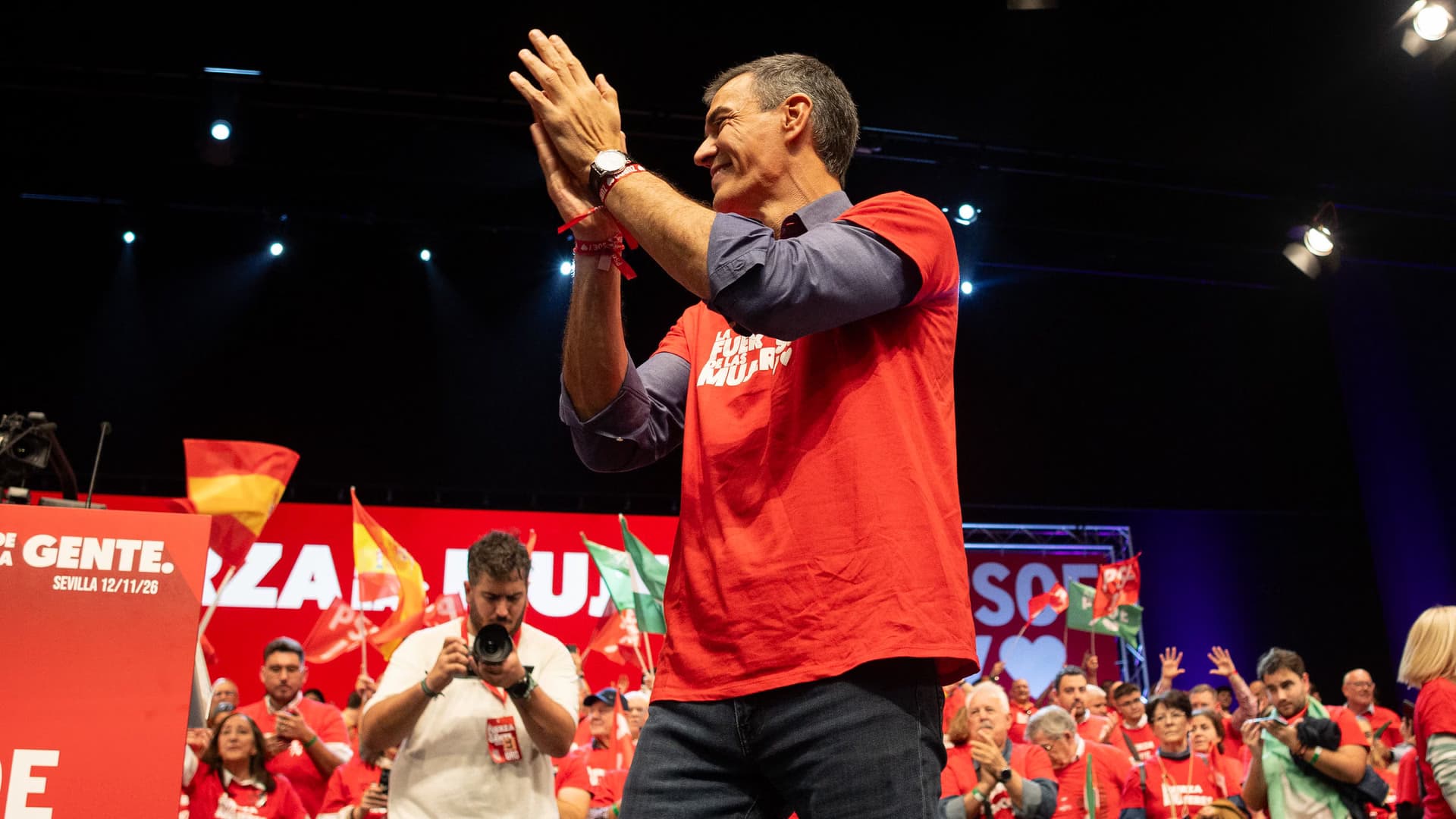
UK Prime Minister Andy Burnham is preparing to deliver his clearest position yet on his country’s departure from the European Union. In excerpts released in advance by his office, Burnham will say at the annual Lord Mayor’s Banquet in the capital’s financial district on Monday evening: “The Brexit we got has not worked. We have lost more than we have gained.”
Burnham will compare the Brexit debate to the story of “The Emperor’s New Clothes,” saying that no one dares to state the obvious truth and that “the emperor is naked.” He also used the phrase “we have lost more than we have gained” on Saturday at the Labour Party conference in Wales.
What does London want from the Brussels summit?
The remarks come four days before the UK-European summit scheduled to take place in Brussels on Friday, 20 November, where Burnham will meet European Commission President Ursula von der Leyen and European Council President António Costa. London is seeking agreements to reduce border checks on food and agricultural products, link the two emissions trading systems and facilitate young people’s movement between the two sides for work and residence. The government estimates that these agreements could increase gross domestic product by 0.4%, or around £17 billion.
Burnham insists that any agreement must comply with Labour’s red lines: there will be no return to the European single market or the customs union, and no free movement of people during the current parliamentary term. He also requires the agreement to produce a tangible improvement in people’s daily lives, in what he calls the “Mikrefield test,” after his constituency.
What does this mean for Britain’s Gulf partners?
Remaining outside the European customs union means Britain retains the right to conclude its own trade agreements, including the free trade agreement with the Gulf Cooperation Council states announced in May. It is considered one of the most prominent agreements London negotiated independently after Brexit. The ratification procedures for the agreement are still under way.
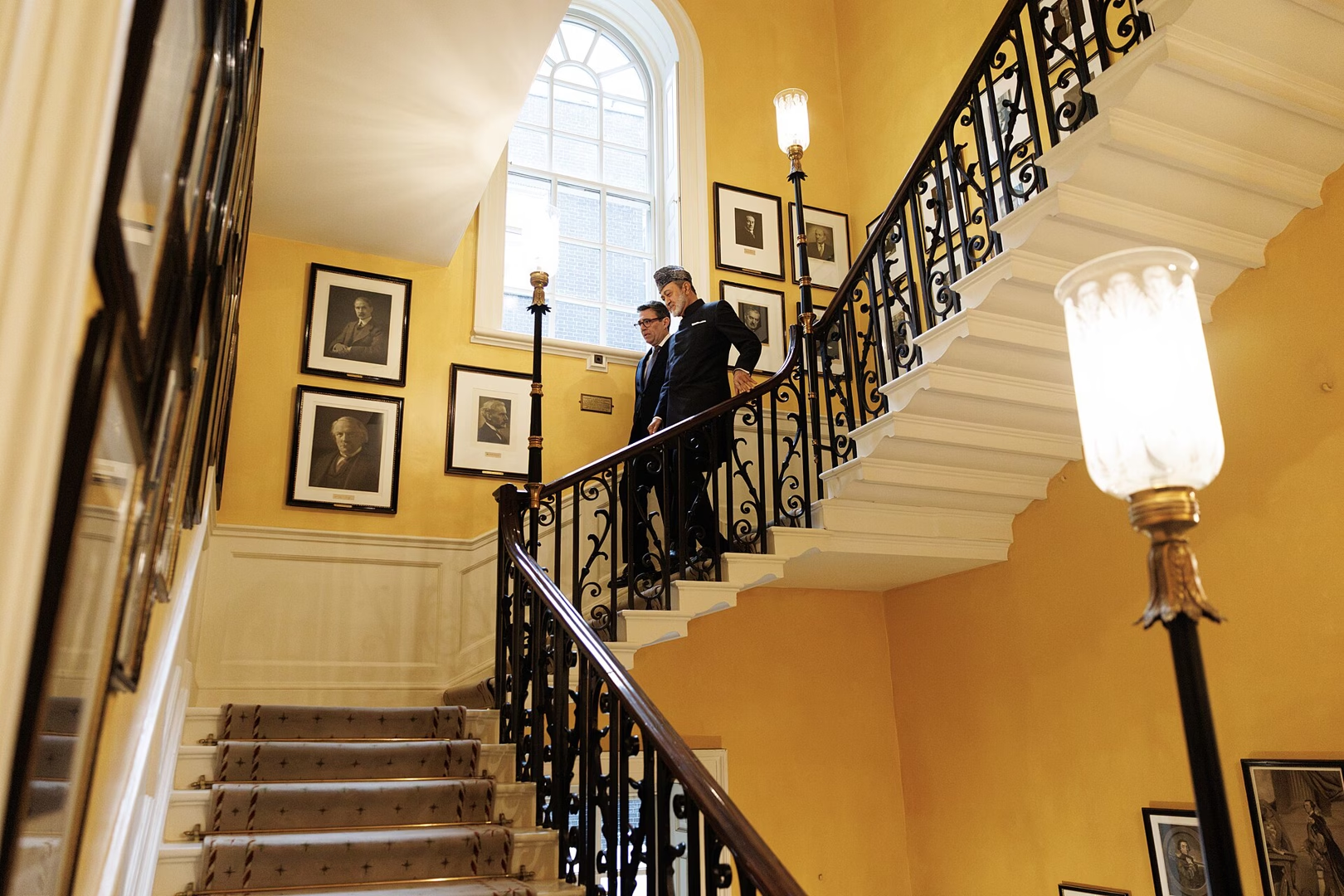
According to Gulf Cooperation Council Secretary-General Jassem Albudaiwi, trade between the council’s member states and Britain reached around $70 billion in 2025. The British government estimates that the agreement will eliminate tariffs on around 93% of British exports to the Gulf states. Albudaiwi confirmed on 12 November that there was an agreement with London to proceed with the free trade deal during the current year. Burnham received Oman’s Sultan Haitham bin Tariq at Downing Street on 21 October.
Domestic criticism
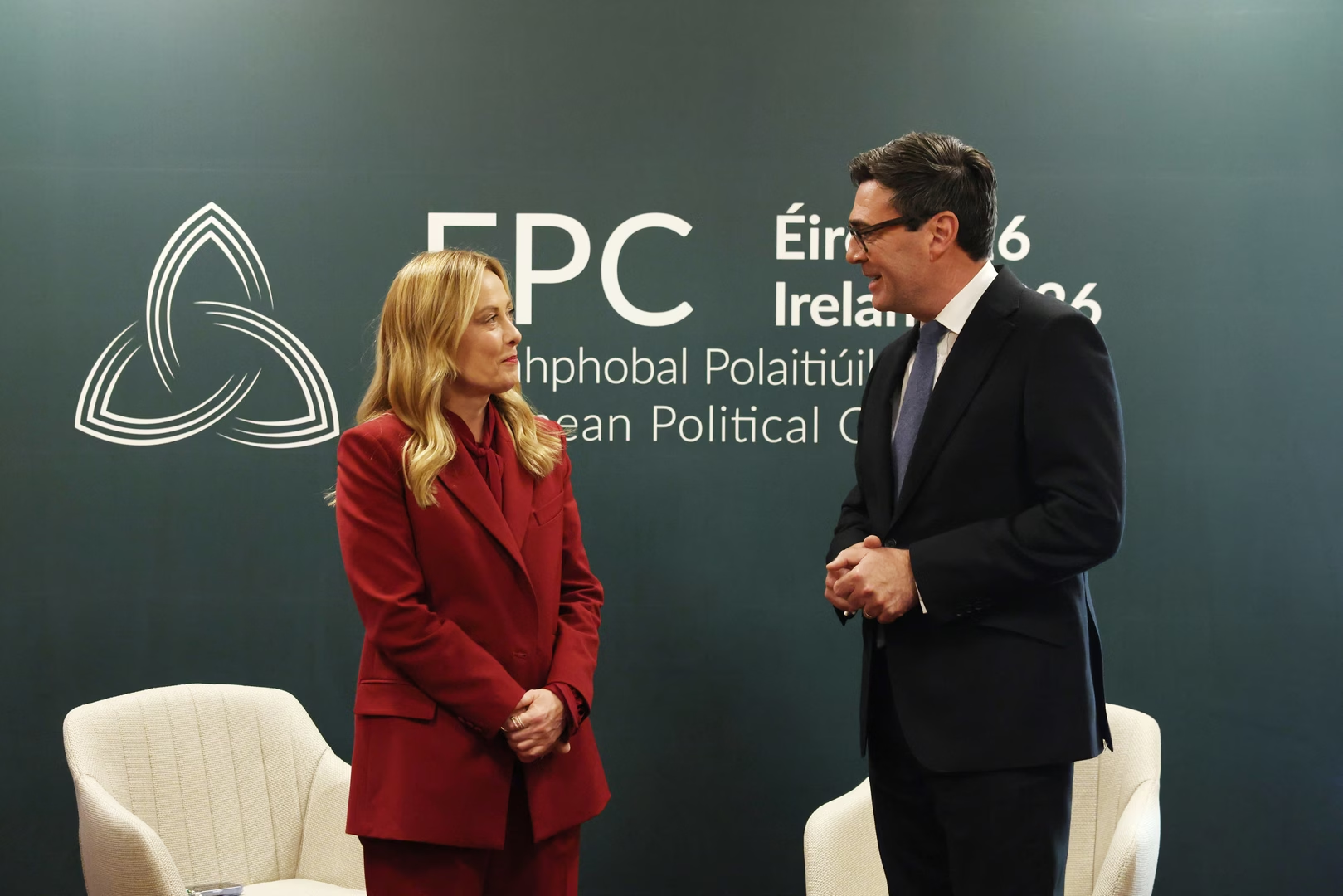
Former Prime Minister Boris Johnson, who led the campaign to leave, told The Telegraph that Britons would “definitely” vote for Brexit again if Burnham put the issue to a new referendum. Conservative Party Deputy Leader Alex Borgart accused the prime minister of reopening a debate that “the country settled a long time ago.”
Burnham, who took office in July after Keir Starmer’s resignation, describes the expected agreement with Brussels as “mutually beneficial” and says his government’s approach is based on cooperation, “not burning bridges.”
Photos: UK Prime Minister’s Office (No 10 Downing Street). Sources: Reuters, The Guardian, The Irish Times, Arab News, Saudi Press Agency.
Stay Updated with Hilal Times
Subscribe to be informed about special news, developments and announcements. We will keep you informed.
By signing up, you agree to our Privacy Policy