- BIST10011,518-1.74%
- USD49.45+0.05%
- EUR55.62+0.37%
- GOLD4,169.30-0.28%
- INTEREST37.00%-1.00
- BITCOIN81,844-0.21%
- October 19, 202617°
- BIST10011,518-1.74%
- USD49.45+0.05%
- EUR55.62+0.37%
- GOLD4,169.30-0.28%
- INTEREST37.00%-1.00
- BITCOIN81,844-0.21%
- October 19, 202617°
Syria and World Bank agree to establish START multi-donor fund
Syria and the World Bank have agreed to establish the World Bank-managed START multi-donor fund for economic recovery and reconstruction. The fund is planned to support basic services, strengthen institutional capacity and encourage private-sector investment.
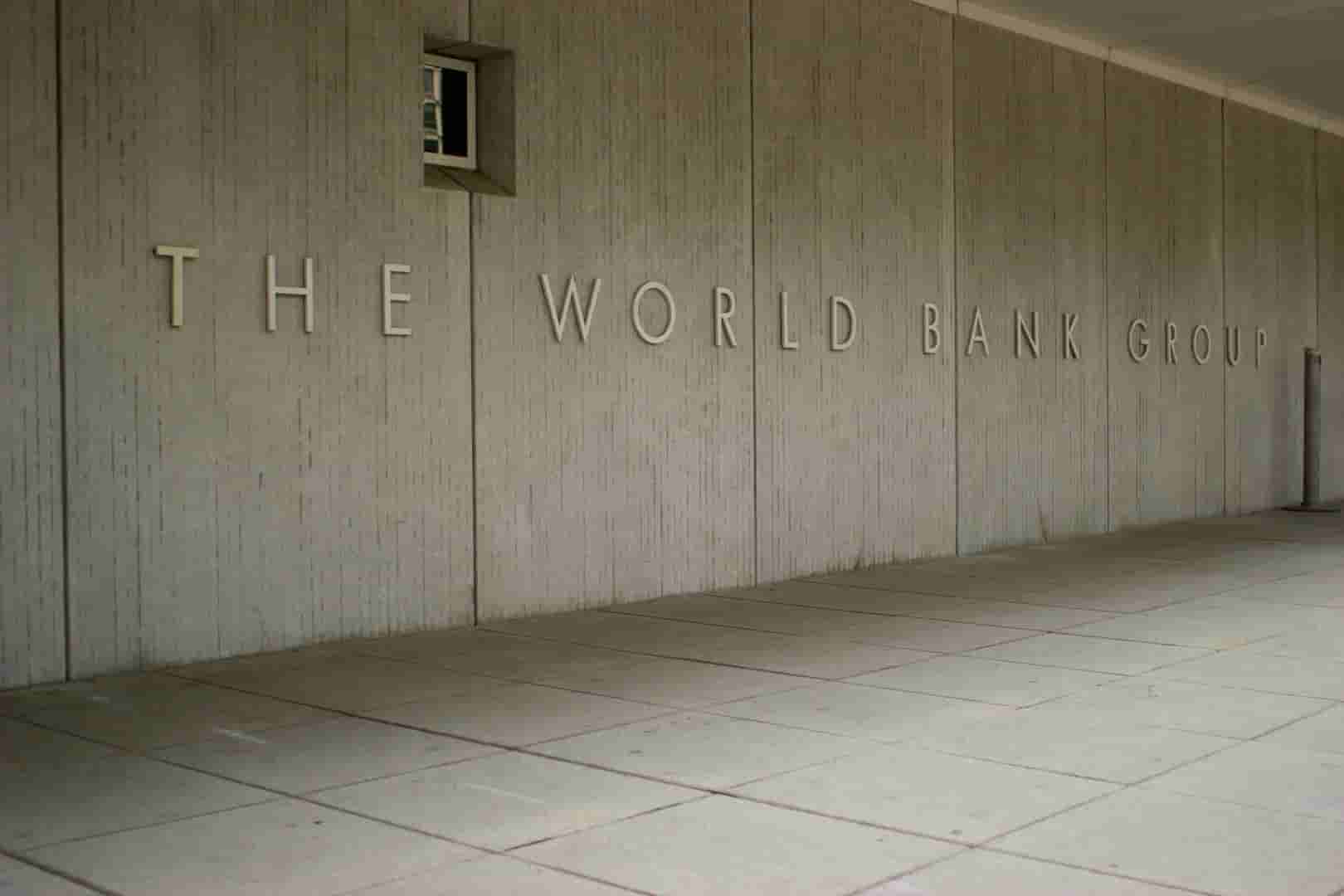
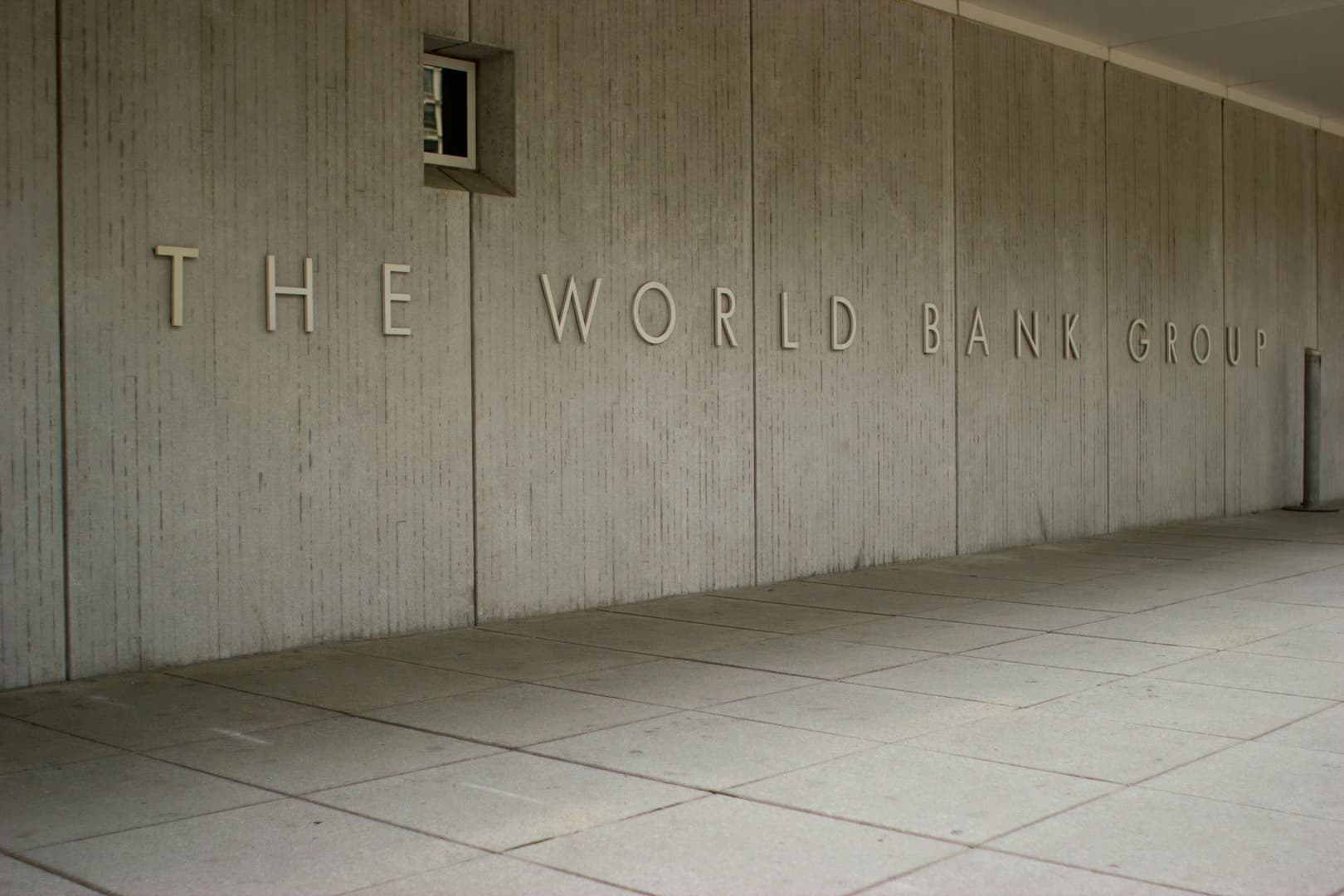
A World Bank-managed multi-donor trust fund will be established for Syria’s economic recovery and reconstruction. The agreement between Syria and the World Bank aims to channel international support into basic services and improved living conditions.
According to a joint statement issued by Syria’s Foreign Ministry, the fund will be called START, an acronym based on its English name, the "Syria Recovery and Reconstruction Support Trust Fund." The World Bank will manage the fund in cooperation with donors, development institutions and other partners.
START fund priorities
START is expected to mobilize international support and coordinate aid and financing activities in line with priorities set by the Syrian government. The initiative aims to accelerate economic recovery, reconstruction and institutional reforms.
The fund will also encourage private-sector investment and help provide financing for such investments. Coordinating contributions from partners and financing priority reforms, recovery and reconstruction programs will also be among the fund’s responsibilities.
The fund’s implementation framework will be subject to the World Bank’s policies and procedures. In cooperation with the International Finance Corporation and other partners, efforts will be made to increase private-sector participation in the process. Encouraging investment financing will also be part of this work.
Decision took shape at Bangkok meeting
The fund’s objectives, institutional structure and proposed operating mechanisms were discussed at a high-level roundtable held in Bangkok, the capital of Thailand, as part of the 2026 annual meetings of the World Bank and the International Monetary Fund.
Development partners from Arab countries, European Union member states, the United States, financial institutions and development agencies said they supported the initiative and were ready to contribute.
Syrian officials assess agreement
Syria’s Finance Minister and Governor for Syria at the World Bank, Mohammed Yasser Bernieh, said the agreement laid the foundation for a new period of cooperation and coordination with international partners. Bernieh said the aim was to direct resources efficiently toward Syria’s recovery and reconstruction priorities.
B ern i e h said the process would be carried out in accordance with standards of integrity, transparency, accountability and good governance. He said this approach was intended to strengthen the confidence of international partners and deliver lasting development outcomes for the Syrian people.
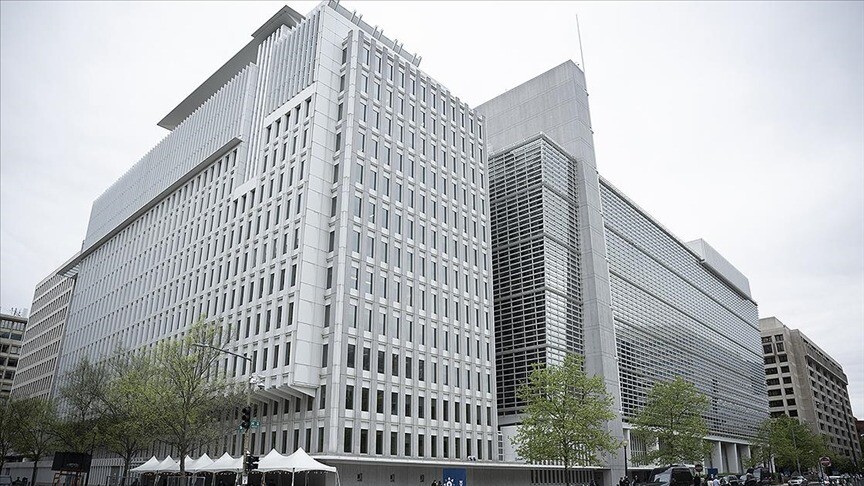
Qutayba Qadish, head of the International Cooperation Department at Syria’s Foreign Ministry and Syria’s alternate governor at the World Bank, said the agreement was the result of coordination and cooperation with international financial institutions.
Qadish said the fund aimed to coordinate resources in line with Syria’s economic recovery priorities and establish a regular governance framework that would provide confidence to all partners and donors.
World Bank points to basic services
Othman Dione, the World Bank’s vice president for the Middle East, North Africa, Afghanistan and Pakistan region, described the establishment of the fund as an important step toward turning the international community’s commitment to support Syria into coordinated and concrete action.
Dione said the fund would help provide basic services, strengthen institutional capacity and expand economic opportunities for the Syrian people.
The parties stressed that the fund’s activities should turn international support into tangible improvements in basic services and living conditions. The work aims to contribute to the fight against poverty by creating new opportunities.
Financial cooperation resumes
The START initiative is seen as part of the process of relaunching financial cooperation between Syria and the World Bank. Saudi Arabia and Qatar made a debt payment of approximately $15.5 million on Syria’s arrears to the International Development Association in May 2025. The payment paved the way for Syria to access new financing.
In June 2025, the World Bank provided a $146 million grant to help restore reliable and affordable electricity supplies in Syria and support economic recovery. The grant was the bank’s first project in the country in approximately 40 years.
According to a World Bank report published in October 2025, the cost of reconstructing physical assets damaged by conflict between 2011 and 2024 was estimated at approximately $216 billion.
The parties said needs on this scale required an effective partnership, national ownership and a sustainable, coordinated international response supported by sound resource management.
Source: Anadolu Ajansı
Have a story, event or announcement of your own?Send us your news on WhatsApp
Spotted an error in this story?Report it on WhatsApp
Share on all social platforms
Sponsored Ads
Featured Listings
Loading featured properties...
Stay Updated with Hilal Times
Subscribe to be informed about special news, developments and announcements. We will keep you informed.
By signing up, you agree to our Privacy Policy














