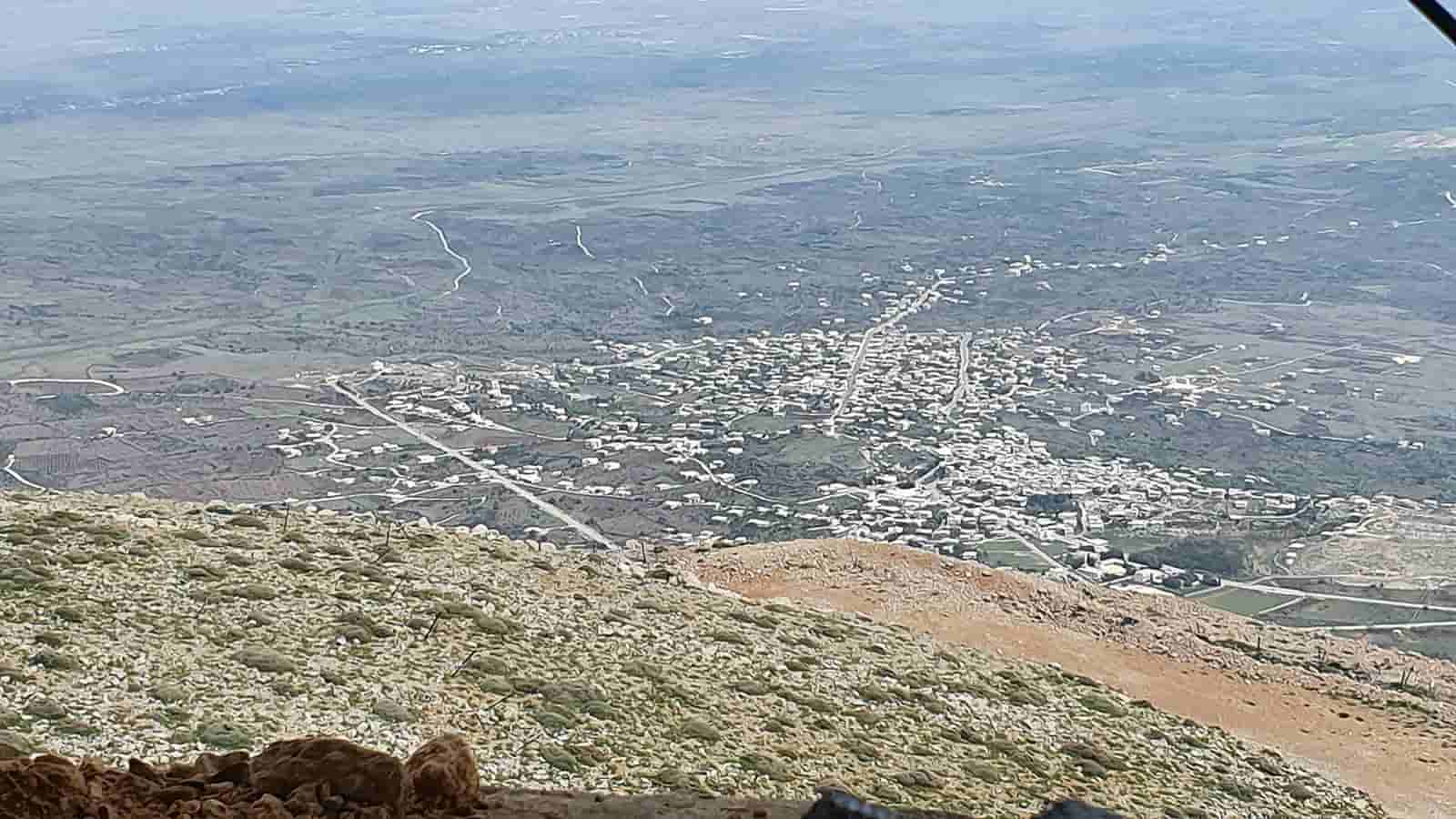
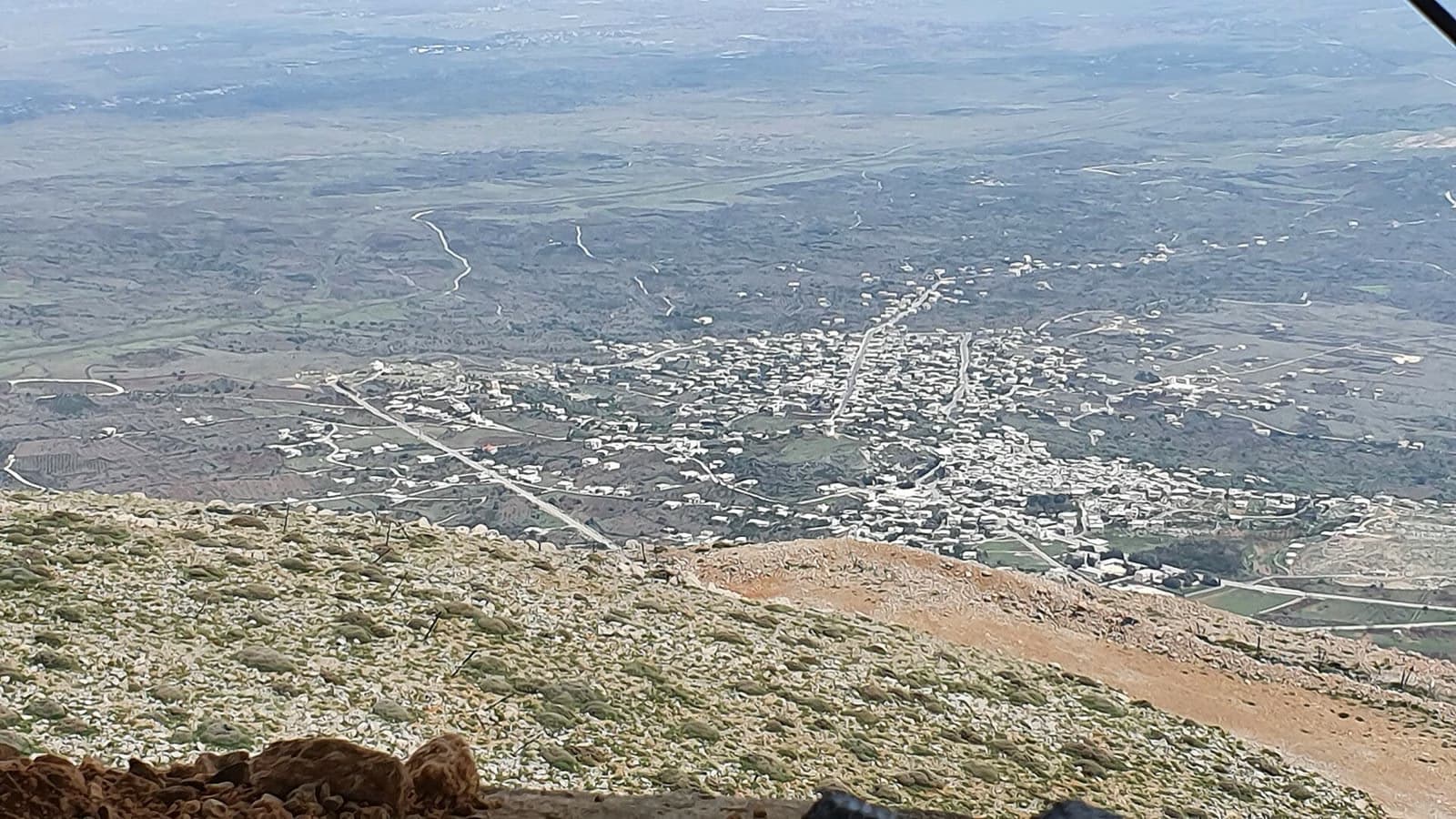
Syria’s Foreign Ministry said Israel’s excavation work along the separation line in the country’s south threatens regional security and stability. In a statement issued on Sunday, the ministry described the activities as an “explicit violation” of the 1974 Disengagement of Forces Agreement and international legitimacy resolutions.
The work had resumed west of the village of Ash-Shah in the countryside of Quneitra province, running parallel to the separation line. Syria’s Foreign Ministry described the activities as a continuation of violations in the buffer zone established under the agreement and called Israel’s approach “aggressive.”
Damascus calls on the international community
The ministry called on the international community to take deterrent measures to end the practices and prevent their recurrence. The statement urged the international community to fulfill its legal and moral responsibilities to protect the sovereignty of states and the inviolability of their borders.
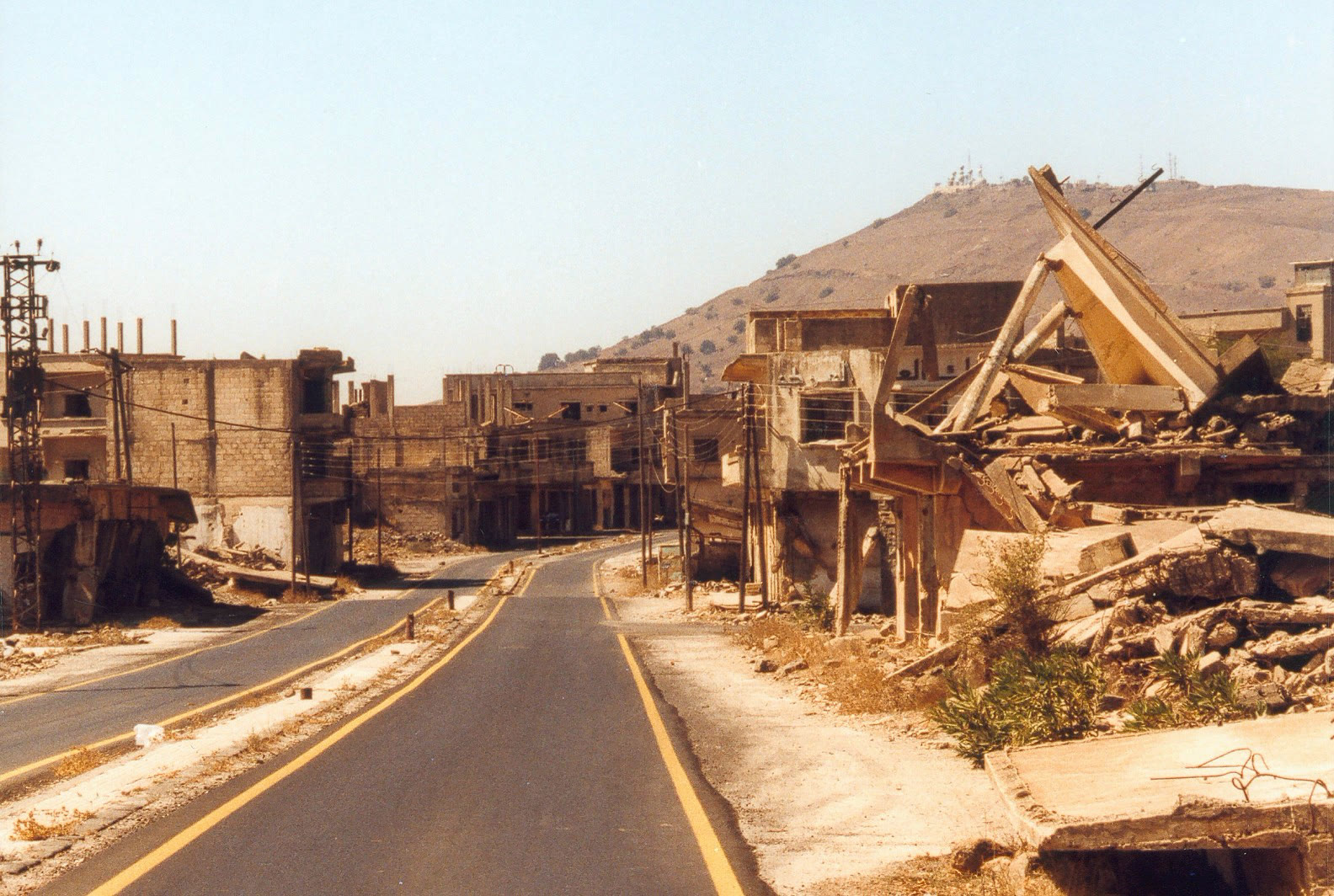
Syria was described as maintaining its right to exercise full sovereignty over its territory in accordance with the principles of international law and United Nations resolutions. The ministry said the continuing practices, along with attacks and advances on the ground, pose a direct threat to regional security.
The Sufa 53 route
The project known as Sufa 53, or the “Great Storm,” was launched around Hader, north of Quneitra, in mid-2022. The route passes through the areas of Jabata al-Khashab, Hamidiyah, Quneitra, Ruwayhinah, Bir Ajam and Breiqa before reaching the provincial center.
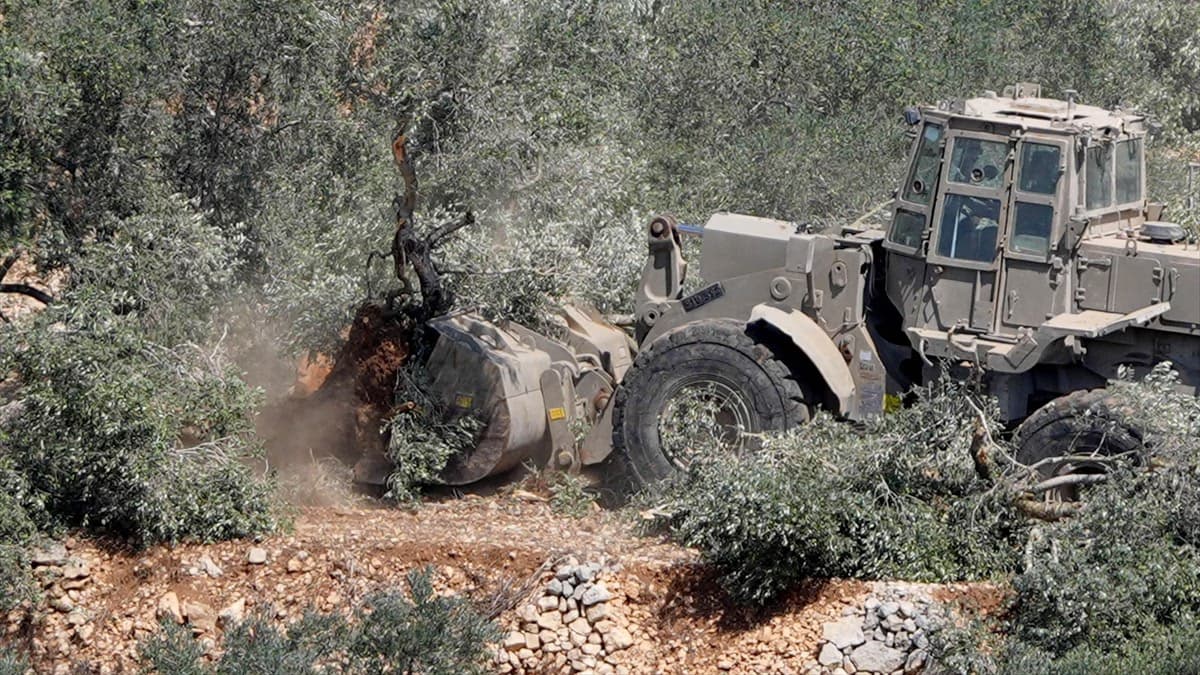
The project extends south through Ash-Shah to the tripoint between Syria, Jordan and Israel. The work opened a military road approximately 8 meters wide, with both sides reinforced by earthen embankments reaching about 5 meters in height.
Observation posts and military positions parallel to the ceasefire line were also established along the route. Data from Syria indicates that Israeli forces advanced between 300 and 1,000 meters inside the ceasefire line, with military activities accelerating particularly toward the end of 2024.
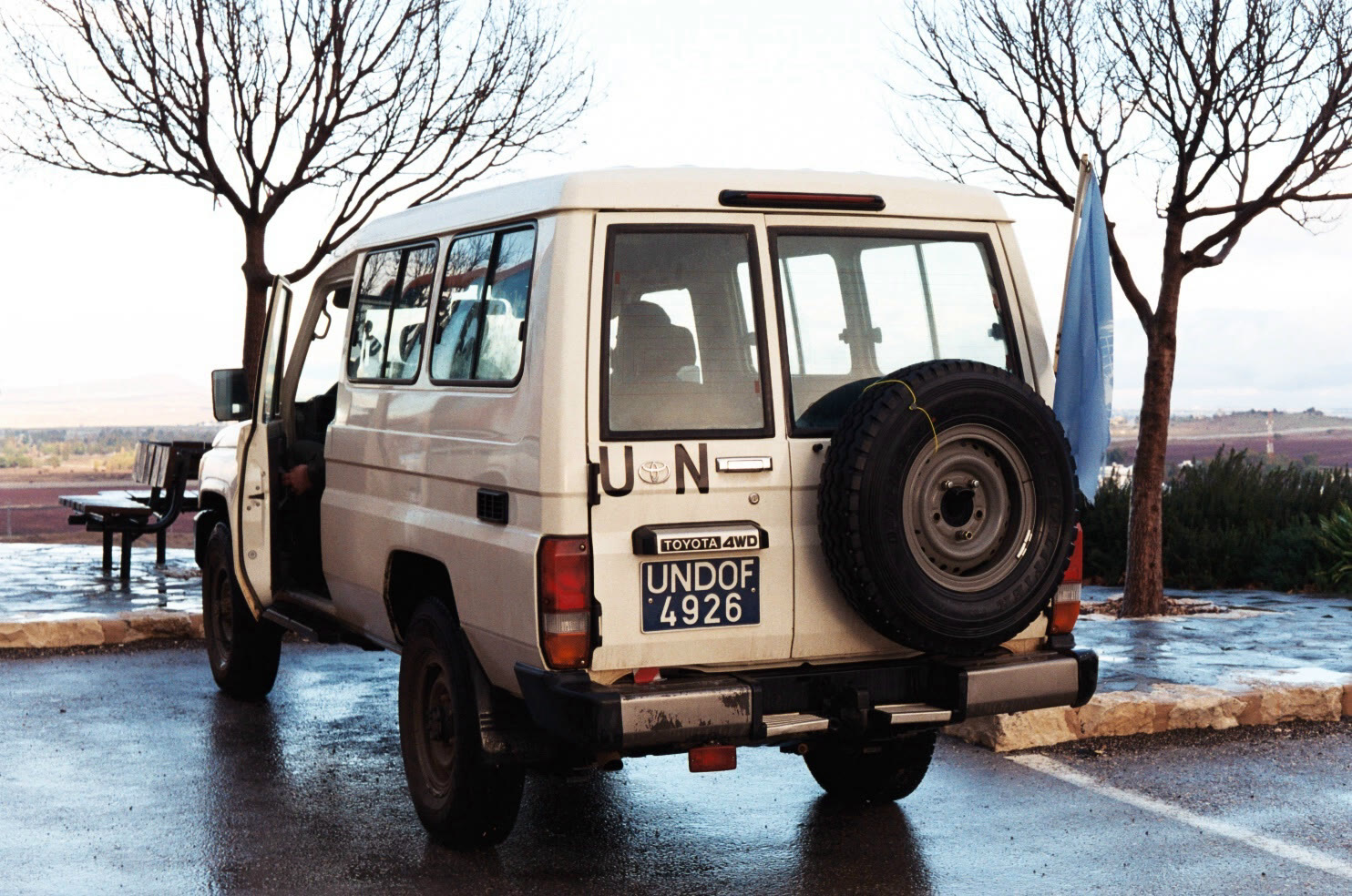
Agriculture and water resources affected in Quneitra
The expansion of the project has rendered thousands of dunams of agricultural land in the Quneitra countryside unusable for farming and livestock raising. The work has also adversely affected water flows and the natural structure of the area.
Israel’s military activities in Syria expanded in scope after the fall of Bashar Assad’s administration on Dec. 8, 2024. Israeli forces advanced into the buffer zone in the occupied Golan and positions around it.
Syria continues to adhere to the 1974 ceasefire agreement while demanding that Israeli forces withdraw from the areas they have advanced into. Israel maintains that its activity in the area is linked to security considerations.