- BIST10011,477-3.08%
- USD50.42+0.05%
- EUR55.44-0.10%
- GOLD3,736.80-3.30%
- INTEREST36.00%-1.00
- BITCOIN62,682-3.38%
- November 18, 202617°
- BIST10011,477-3.08%
- USD50.42+0.05%
- EUR55.44-0.10%
- GOLD3,736.80-3.30%
- INTEREST36.00%-1.00
- BITCOIN62,682-3.38%
- November 18, 202617°
The ICJ will rule Thursday in the Rohingya genocide case against Myanmar
The court will deliver its final judgment on Thursday in the lawsuit filed by The Gambia in 2019. The judgment has not yet been issued, and the court has never before held a state directly responsible for committing genocide.

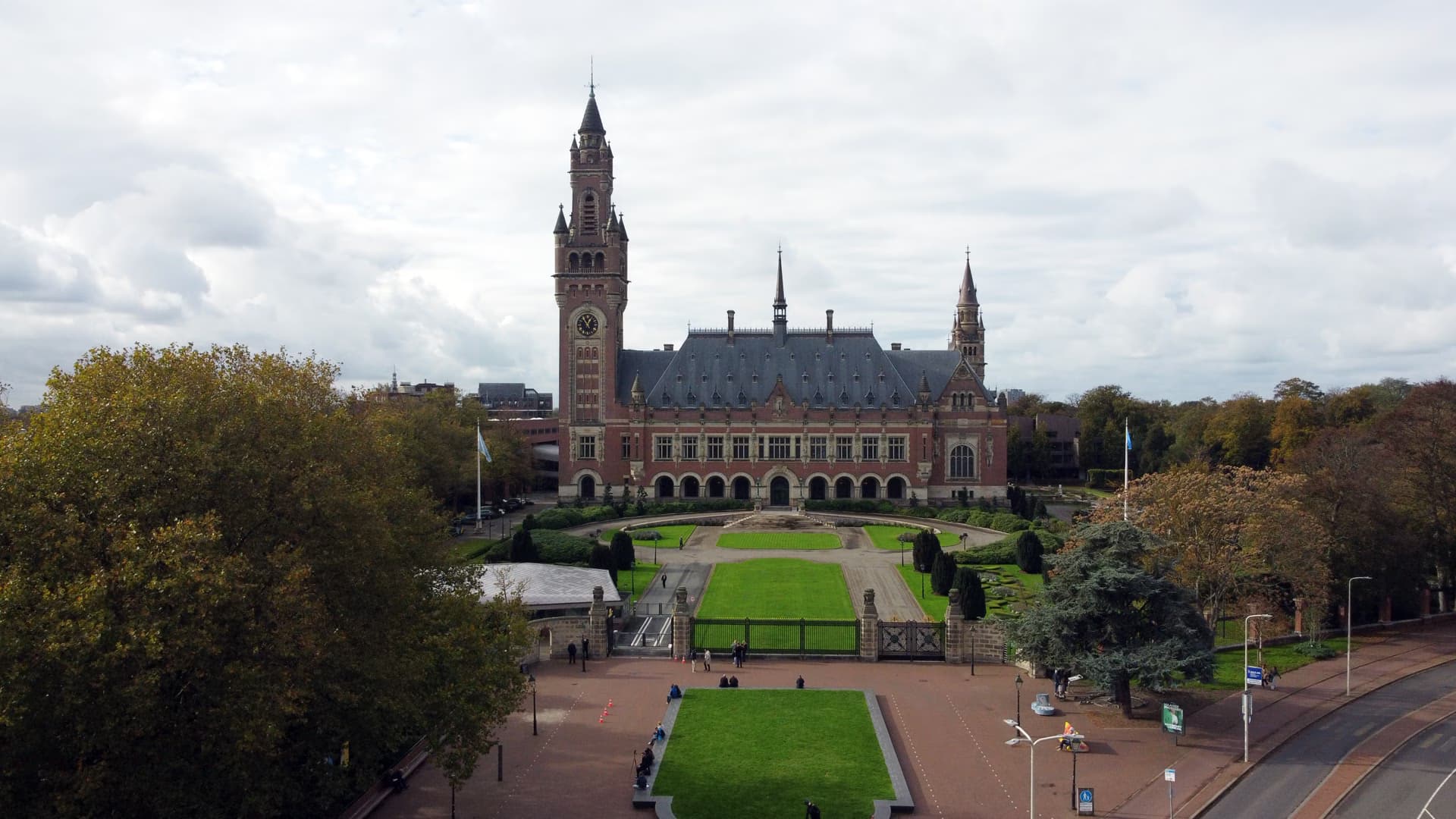
The International Court of Justice will issue its final judgment on Thursday, November 19, in The Gambia’s case against Myanmar over alleged violations of the 1948 Convention on the Prevention and Punishment of the Crime of Genocide, relating to abuses against Rohingya Muslims. The judgment has not yet been issued; the presiding judge, Japan’s Yuji Iwasawa, will begin reading it at 10 a.m. local time at the Peace Palace in The Hague.
This will be the third judgment issued by the court on the merits of genocide claims, following the cases of Bosnia and Herzegovina v. Serbia and Croatia v. Serbia. The court has never before held a state directly responsible for committing genocide. In the Bosnia case, it classified the 1995 Srebrenica massacre as genocide but did not attribute it to Serbia, instead finding Serbia responsible for failing to prevent the genocide and punish those responsible.
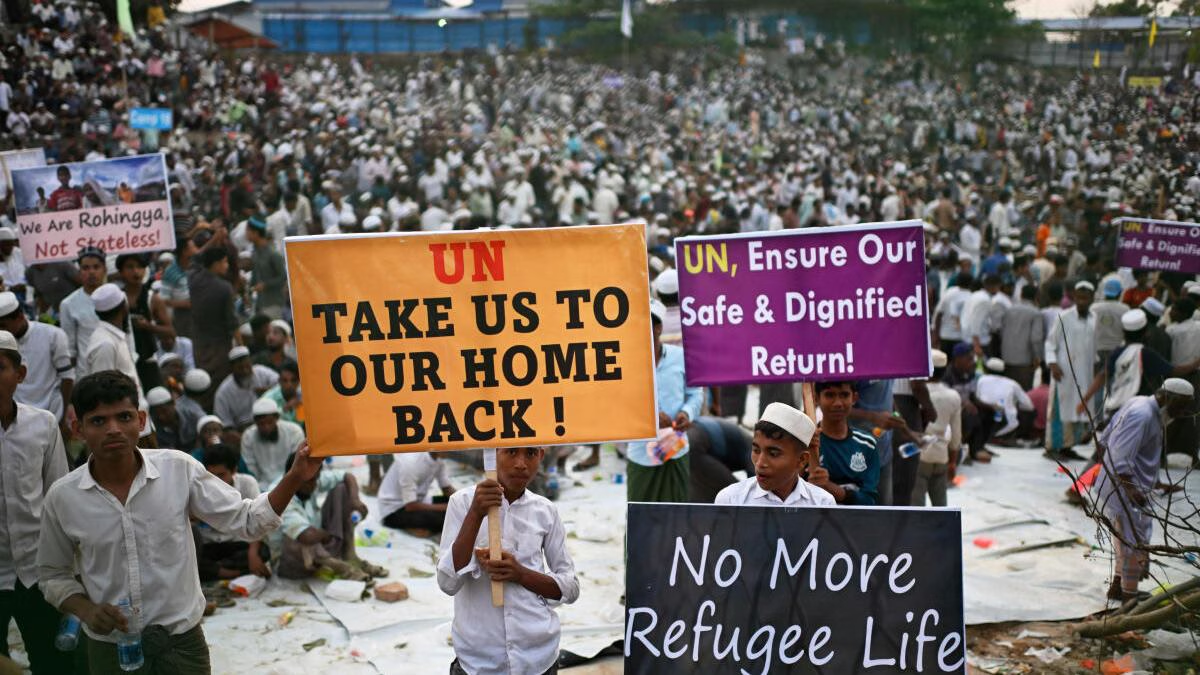
The Gambia’s unprecedented case
The Gambia filed the case on November 11, 2019, in the first instance of a state with no direct connection to the location of the alleged crimes suing another state solely because both are parties to the convention. On January 23, 2020, the court unanimously ordered provisional measures requiring Myanmar to prevent acts of genocide and preserve evidence. In July 2022, it rejected all of Myanmar’s preliminary objections. Hearings on the merits were held from January 12 to 29, 2026, and 11 countries, including Canada, France, Germany and Britain, submitted written pleadings.
The Gambia accuses Myanmar’s military of killing Rohingya people, inflicting serious physical and psychological harm on them, and imposing living conditions intended to destroy them and prevent births as part of the “clearance operations” it launched in August 2017 in Rakhine State, driving hundreds of thousands to flee to Bangladesh. It is seeking the prosecution of those responsible, guarantees of safe return, the restoration of property, recognition of the “Rohingya” identity and compensation. Myanmar denies the accusations and says the operations were carried out in response to attacks by the Arakan Rohingya Salvation Army on border posts.
Legal experts say the judgment will be closely watched for its potential implications for the case brought by South Africa against Israel over Gaza, particularly regarding standards for proving genocidal intent.
Photos: Anadolu, The Hindu.
Stay Updated with Hilal Times
Subscribe to be informed about special news, developments and announcements. We will keep you informed.
By signing up, you agree to our Privacy Policy