- BIST10011,618-0.88%
- USD49.45+0.05%
- EUR55.62+0.37%
- GOLD4,188.80+0.18%
- INTEREST37.00%-1.00
- BITCOIN82,453+0.54%
- October 19, 202617°
- BIST10011,618-0.88%
- USD49.45+0.05%
- EUR55.62+0.37%
- GOLD4,188.80+0.18%
- INTEREST37.00%-1.00
- BITCOIN82,453+0.54%
- October 19, 202617°
Tunisia plans to borrow $9.3 billion for its 2027 budget amid economic pressure
Tunisia’s 2027 draft budget envisages borrowing approximately 28.12 billion dinars ($9.3 billion) to meet financing needs and fund public spending. The draft also allows the Central Bank to provide the Treasury with up to 9.8 billion dinars in interest-free loans, repayable over 15 years.


Tunisia’s 2027 draft budget sets out a broad financing plan for the country’s public spending and Treasury needs. Under the draft, the government plans to borrow approximately 28.12 billion dinars ($9.3 billion).
The total size of the 2027 budget was calculated at 68.89 billion dinars ($22.96 billion). This represents an 8.37 percent increase from the 63.57 billion dinars ($21.19 billion) projected in the 2026 budget.
Most financing will come from domestic borrowing
Domestic borrowing is expected to account for 19.84 billion dinars ($6.68 billion) of the financing, while external borrowing is projected at 6.87 billion dinars ($2.29 billion). The draft also plans to obtain 1.4 billion dinars ($466 million) from other financing items whose sources are not specified.
Central Bank authorized to provide interest-free loan
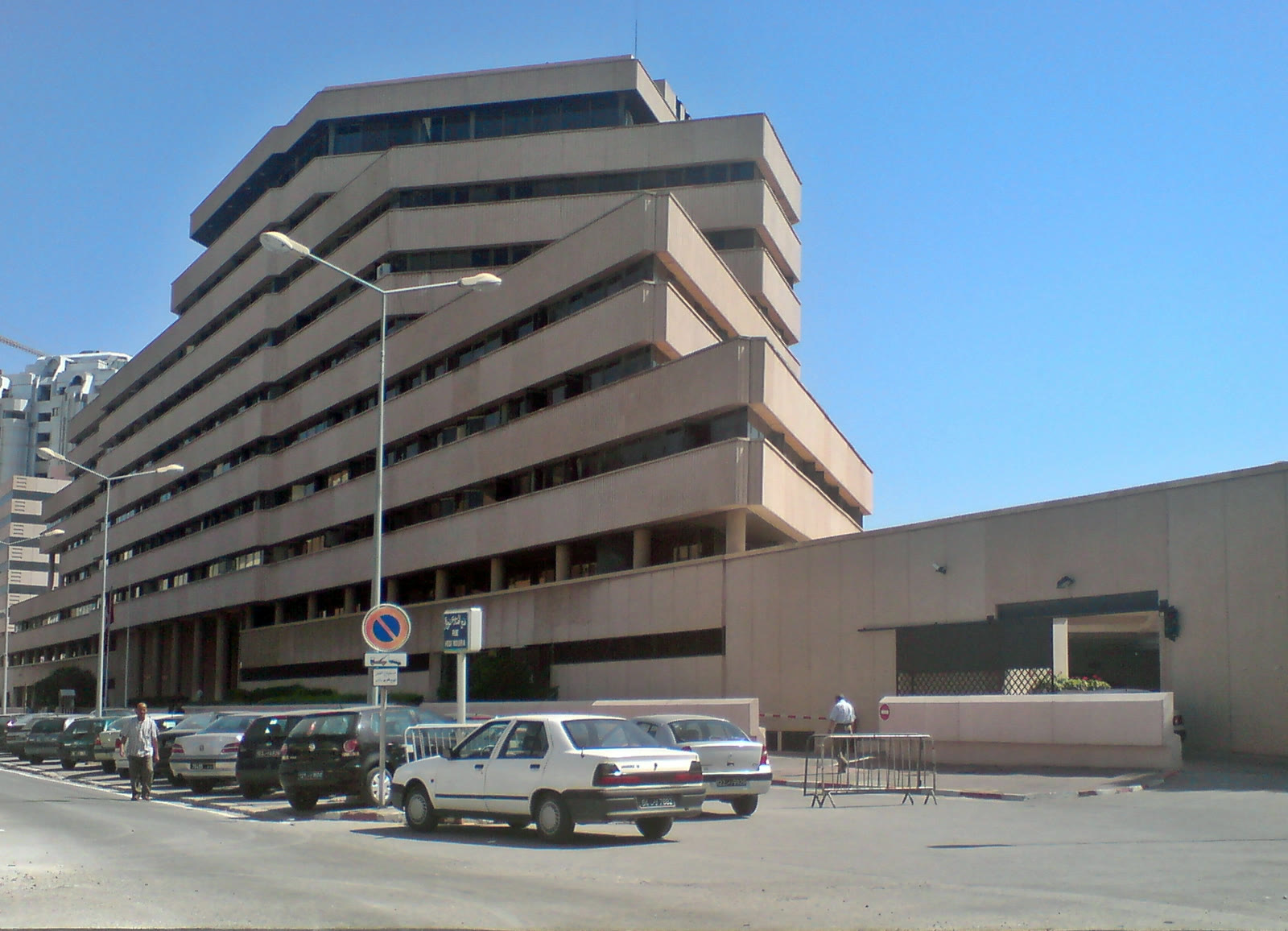
The Tunisian government plans to introduce a legal exception allowing the Central Bank to lend to the Treasury in order to meet part of its financing needs. The draft envisages an exception to the provisions of Article 25 of the bank’s founding law.
If the regulation enters into force, the Central Bank will be able to provide the Treasury with an interest-free loan of up to 9.8 billion dinars ($3.26 billion). The loan is expected to be repaid over 15 years following a three-year grace period.
Economic pressures and regional developments
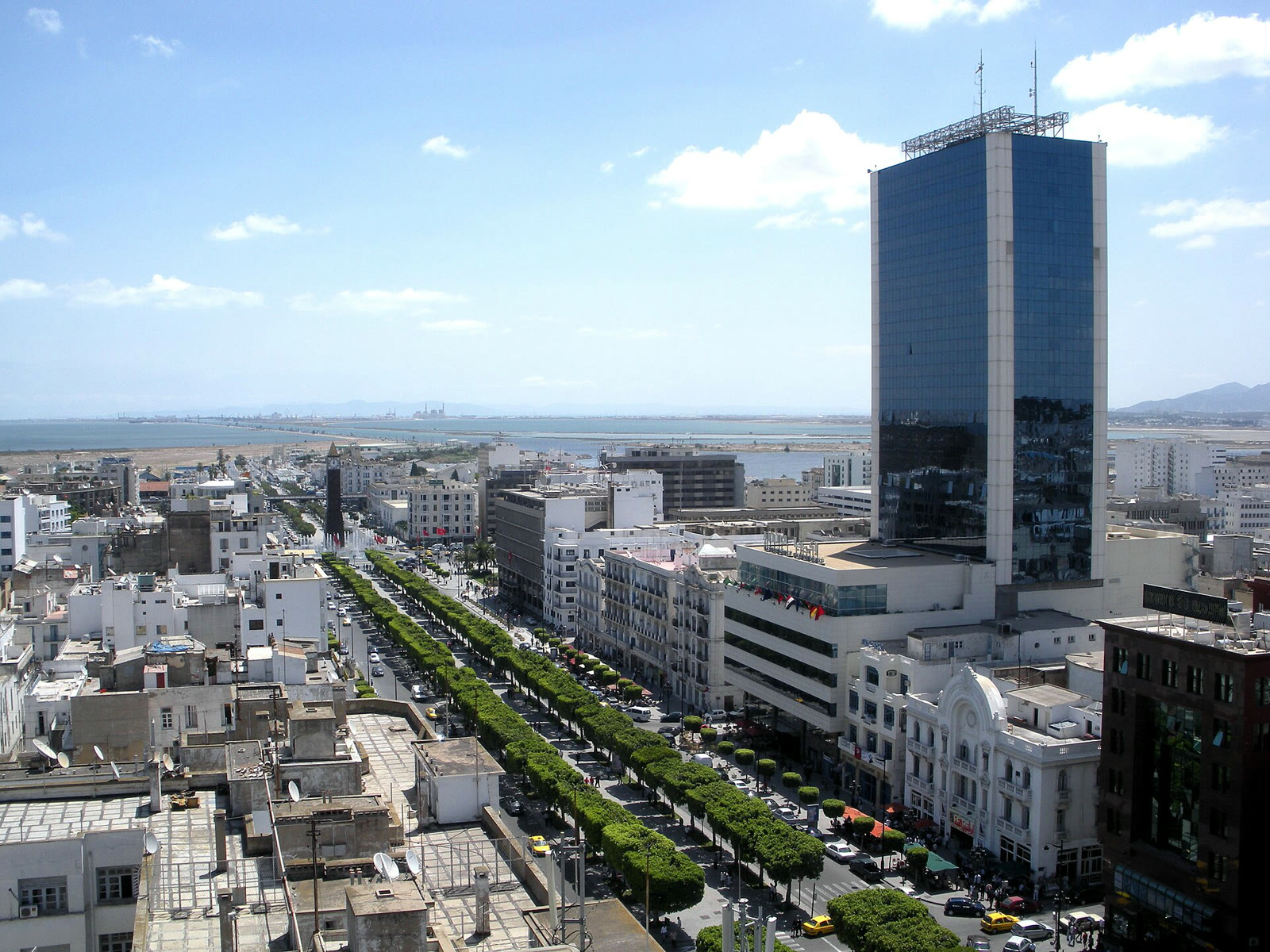
The draft stated that Tunisia has been facing accumulated economic pressures for a long time. It said these pressures had intensified due to the effects of the COVID-19 pandemic and the consequences of the Russia-Ukraine war, which has continued since 2022.
The text also noted that the Iran war, which began on February 28, and the closure of the Strait of Hormuz had driven up oil prices and increased global inflationary pressures.
Stay Updated with Hilal Times
Subscribe to be informed about special news, developments and announcements. We will keep you informed.
By signing up, you agree to our Privacy Policy














