US intelligence agencies are tracking indications that Iran may be considering using chemical weapons against US forces deployed in the Middle East, CNN reported, citing two US officials. The information prompted Washington to take separate measures to protect US diplomats and intelligence personnel working in the region.
The development came as part of a broader report in which CNN cited seven officials as saying that Tehran had developed options for targeting senior members of President Donald Trump’s administration in Washington with a dirty bomb or chemical weapon. The officials described the plans as an attempt to develop offensive options, not evidence of an imminent operation. Two sources said the information was specific and included potential locations and targets, prompting repeated meetings over the past week.
Tehran: False and fabricated allegations
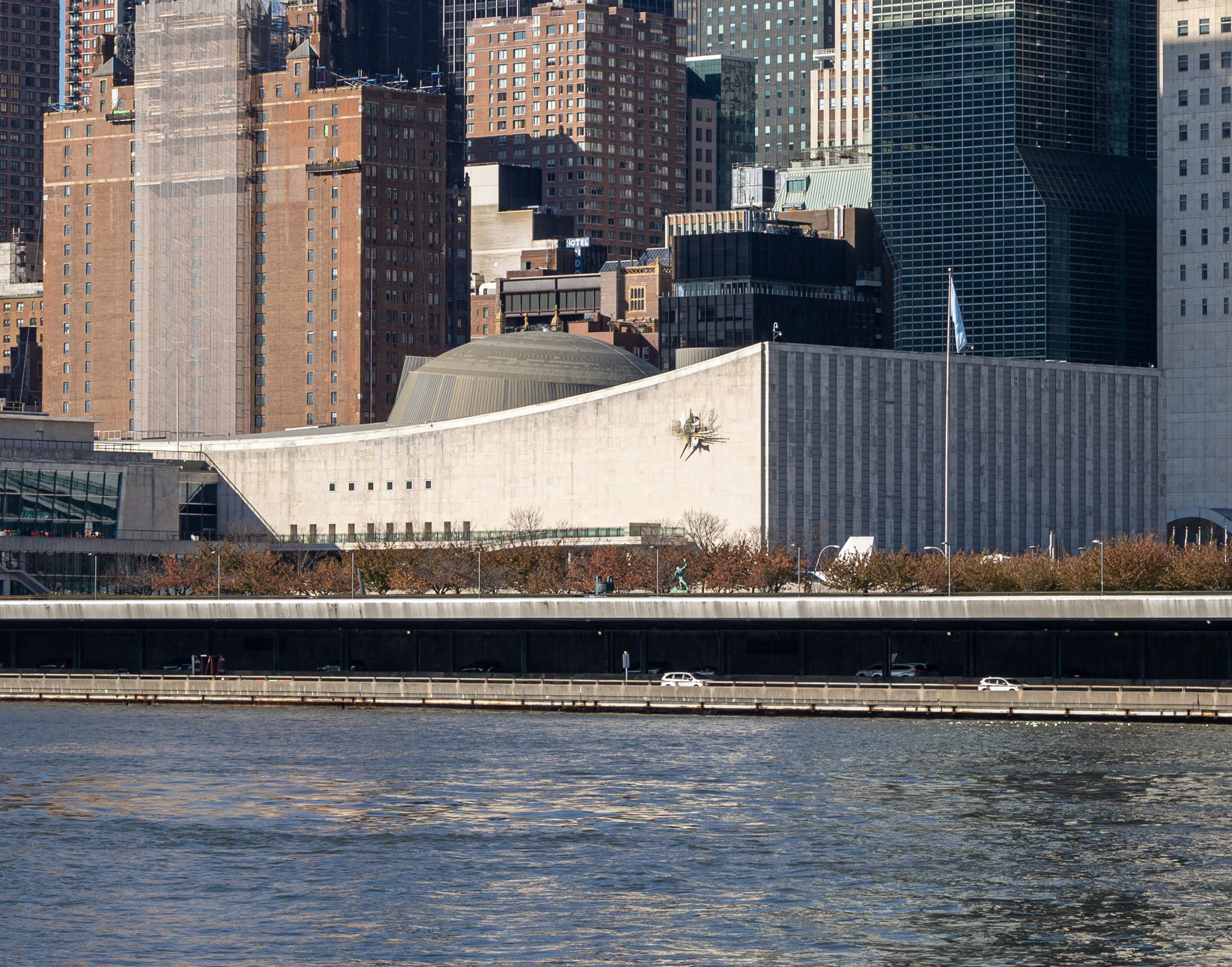
A spokesman for Iran’s mission to the United Nations in New York rejected the report, saying that his country “considers the use of chemical weapons under any circumstances completely unlawful and categorically rejects the false and fabricated allegations.” CNN noted that the spokesman did not directly address the claims concerning a dirty bomb.
White House spokeswoman Lauren Pease, meanwhile, said that “there are currently no credible threats to the US homeland,” adding that the United States is monitoring all potential threats. Concerns over Iranian threats led to Treasury Secretary Scott Bessent being moved last week to accommodation inside a military base, as were Secretary of State Marco Rubio and Defense Secretary Pete Hegseth.
Rising tensions in the Gulf
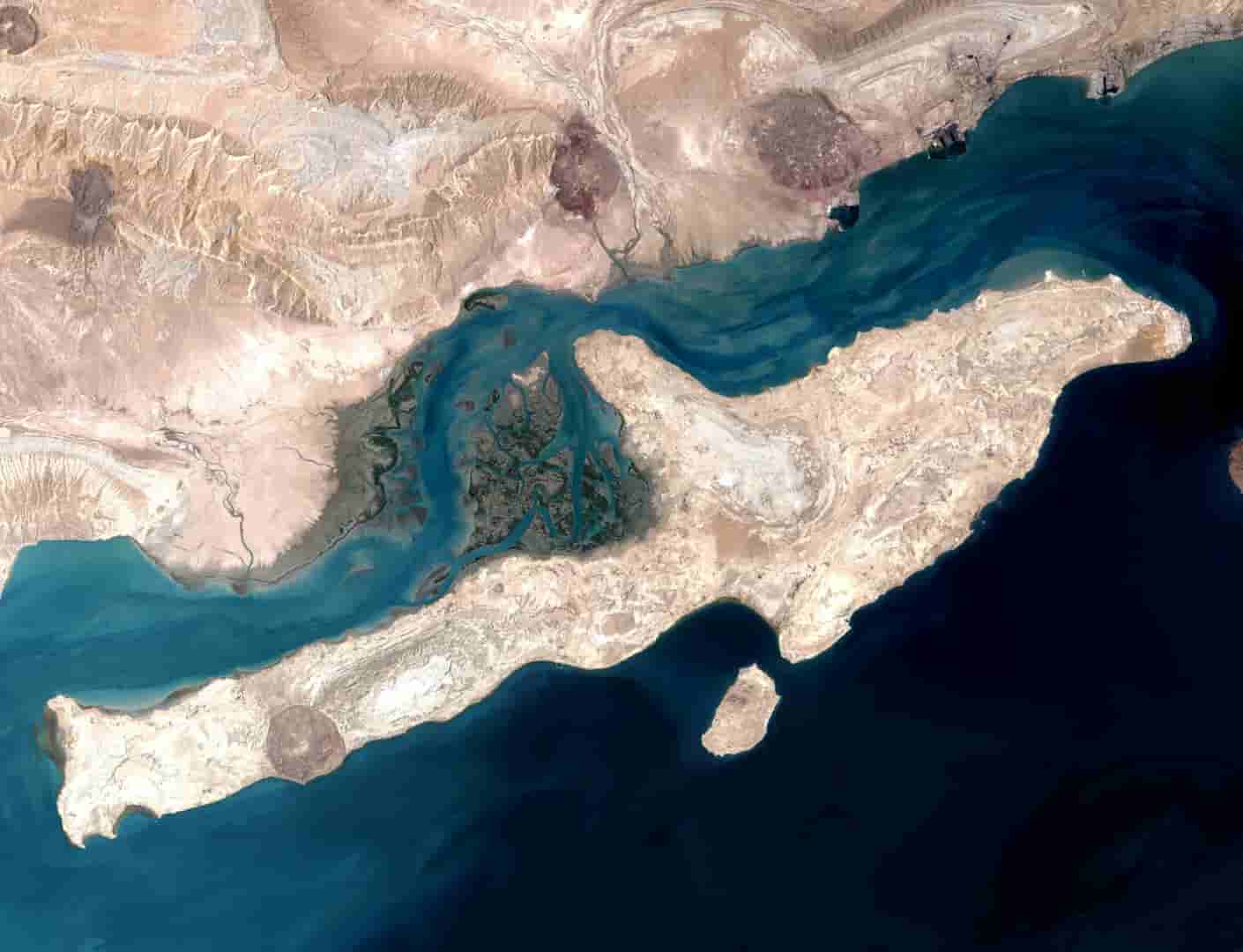
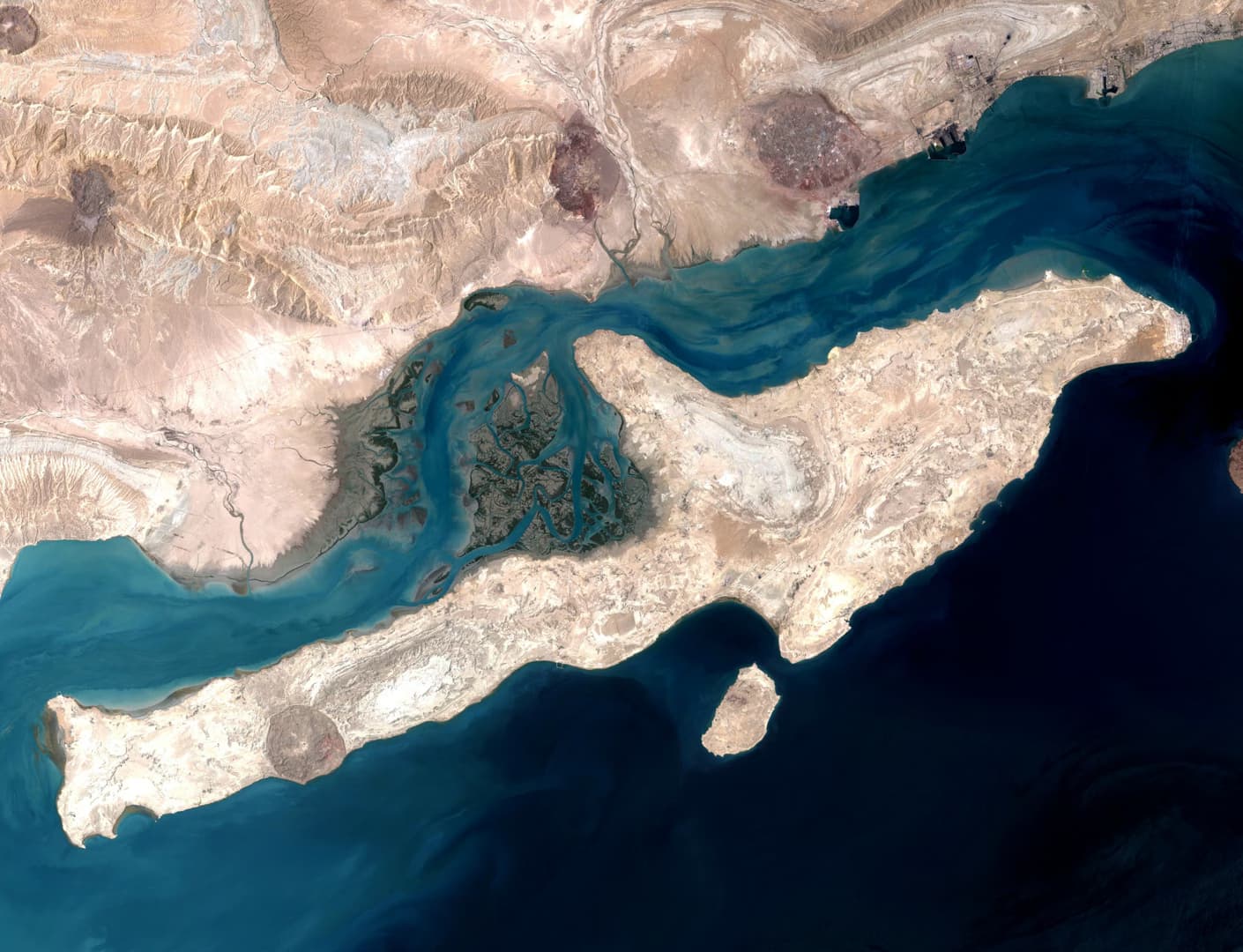
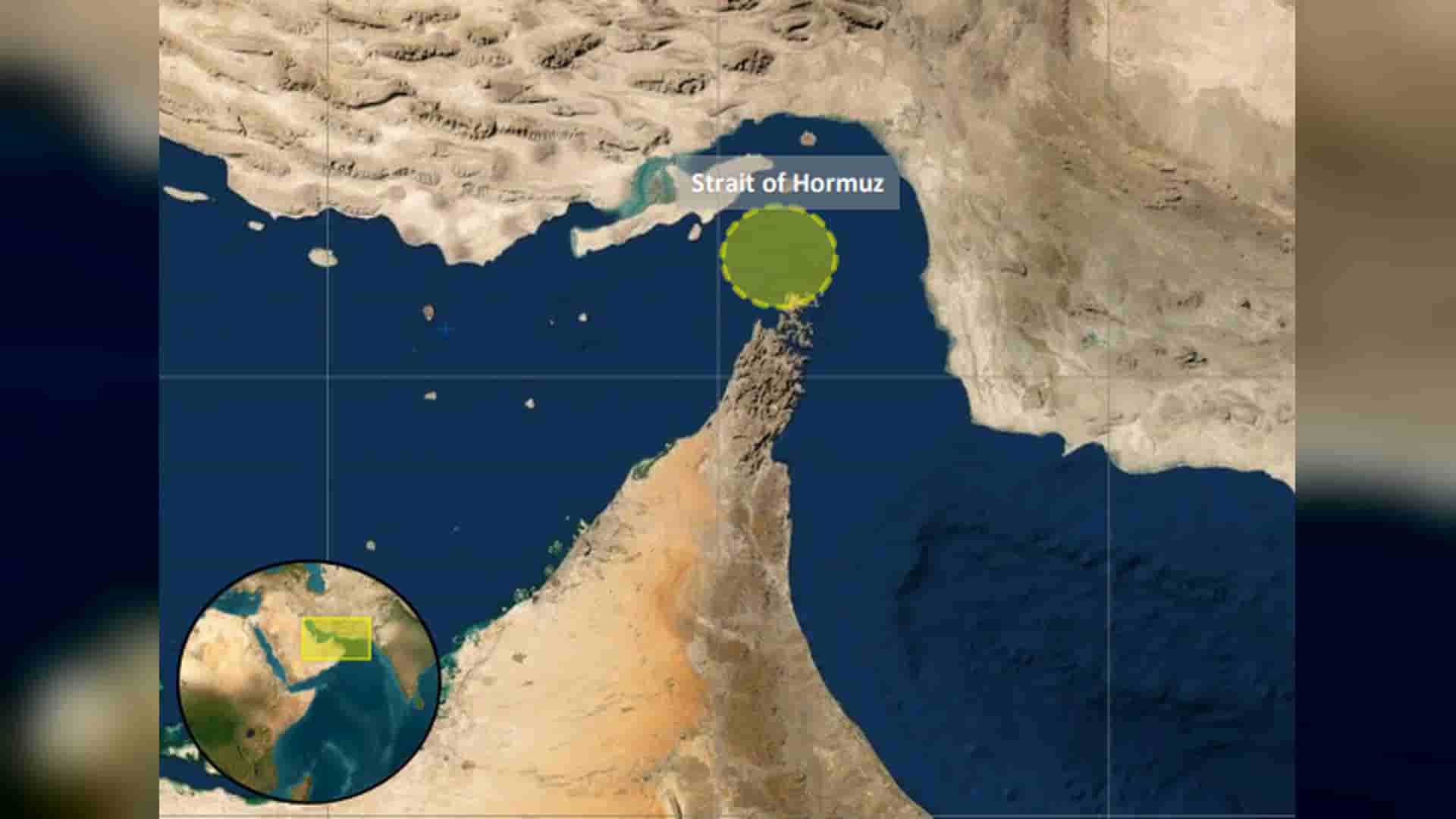
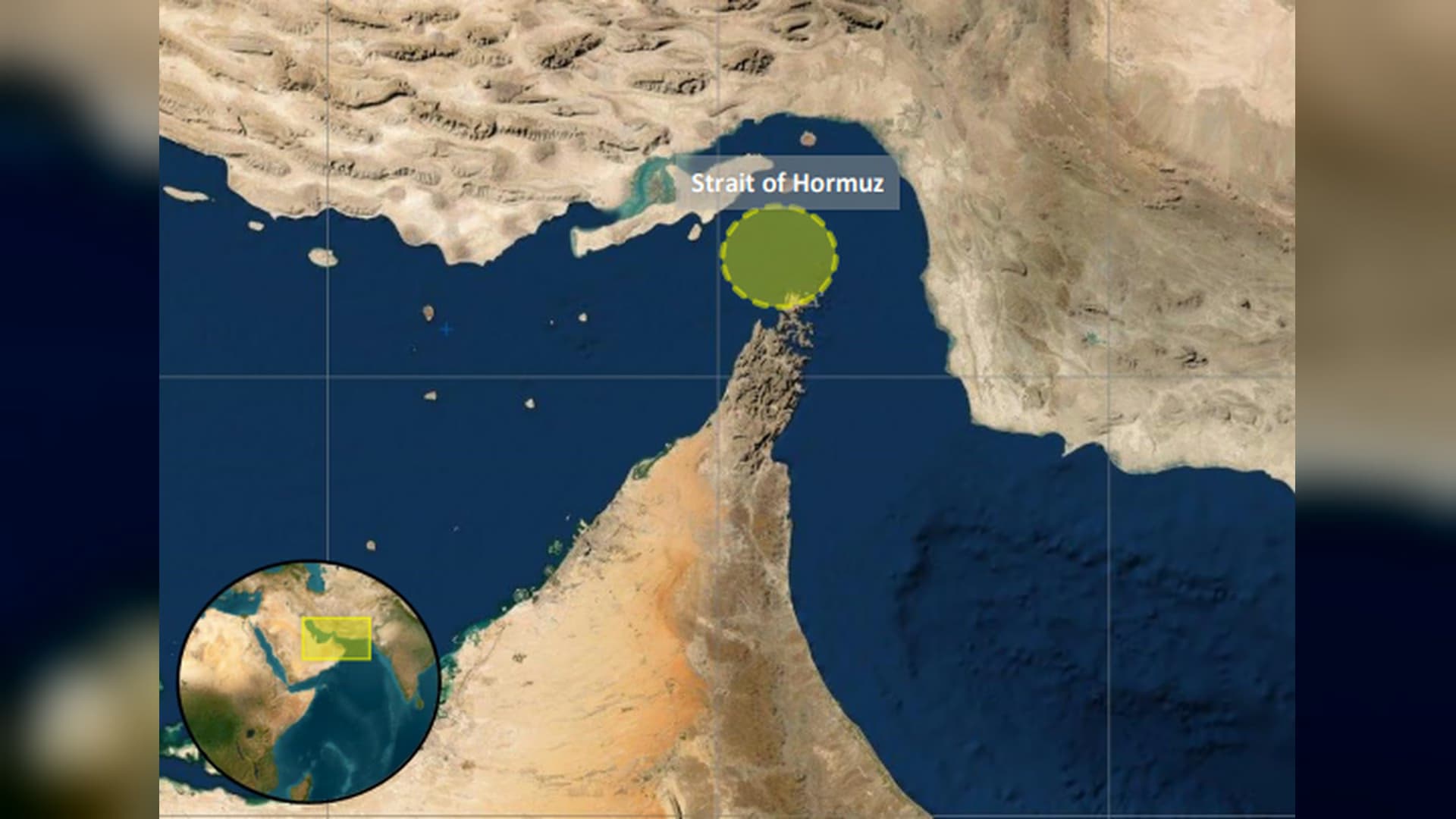
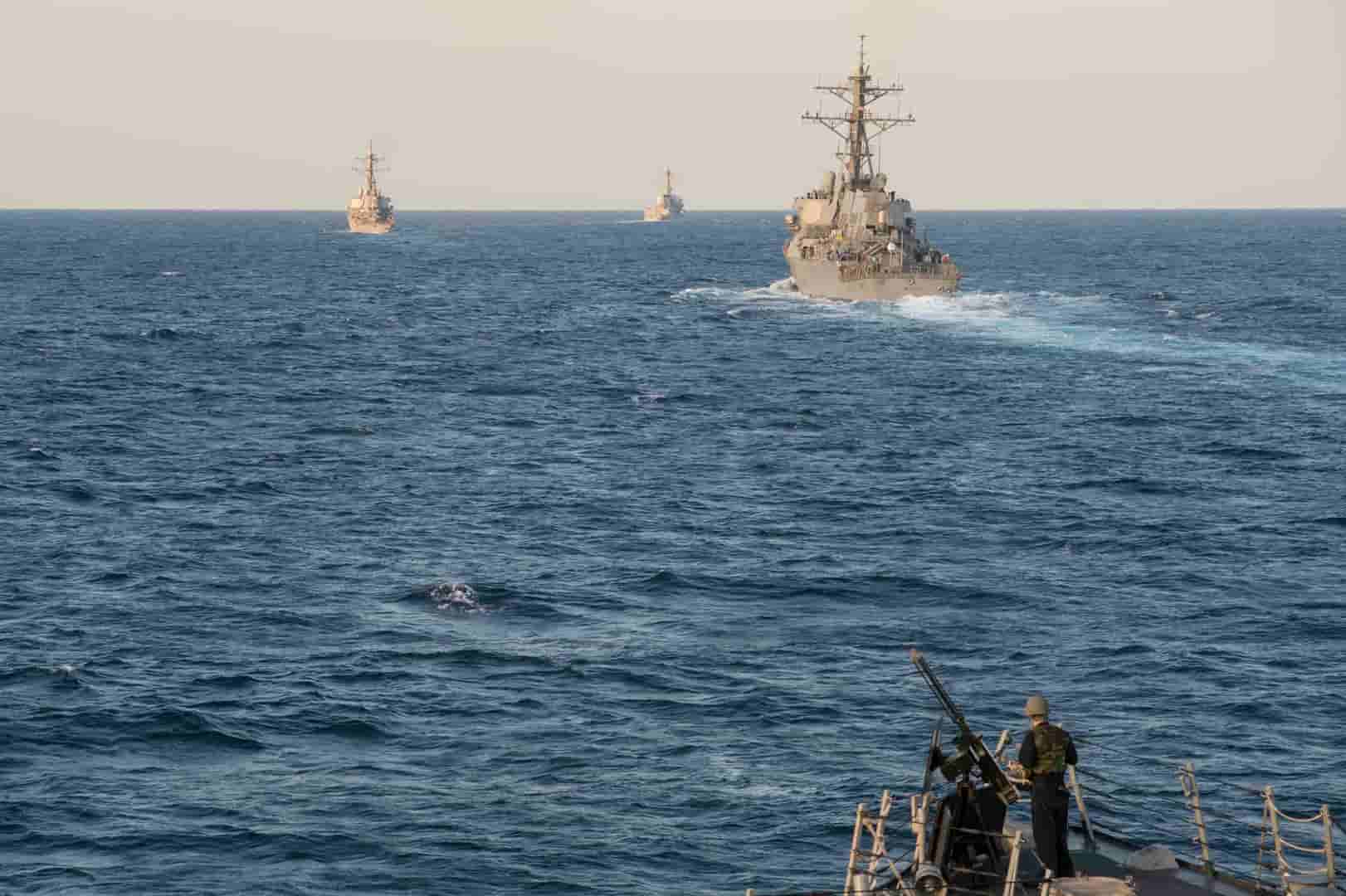
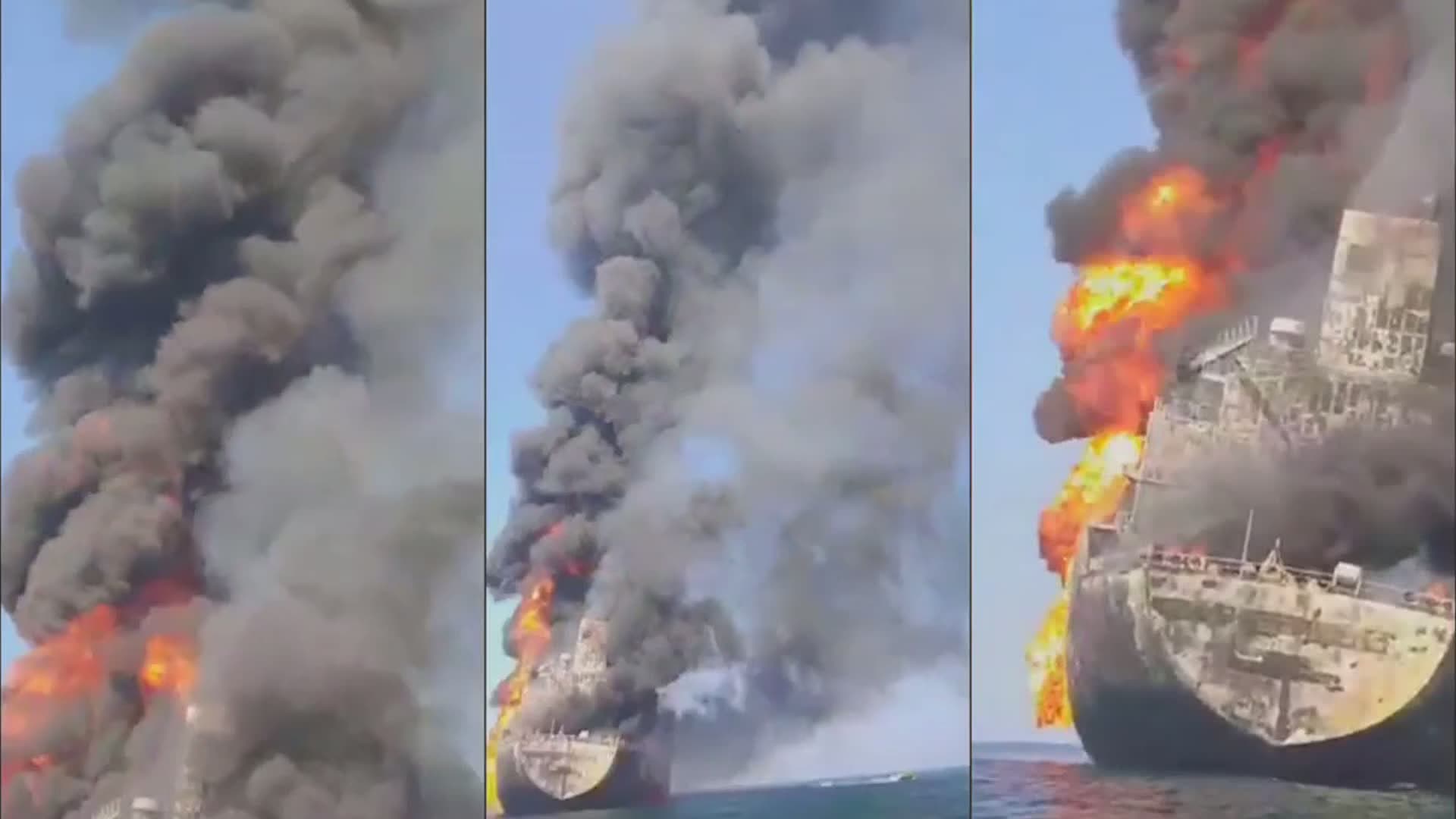
The report came on the same day that Iran’s Islamic Revolutionary Guard Corps announced that a giant oil tanker and a liquefied natural gas vessel had been hit by naval mines in the Strait of Hormuz. Parliament Speaker Mohammad Bagher Ghalibaf warned that civilian facilities near US and Israeli bases would be considered “dual-use.” Experts say a dirty bomb is far less destructive than a nuclear weapon, as most potential injuries result from the blast itself rather than radiation, although contamination could spread over a wider area.