- BIST10011,843+1.51%
- USD50.28+0.05%
- EUR55.60-0.24%
- GOLD3,886.30+0.03%
- INTEREST36.00%-1.00
- BITCOIN64,249+0.20%
- November 15, 202612°
- BIST10011,843+1.51%
- USD50.28+0.05%
- EUR55.60-0.24%
- GOLD3,886.30+0.03%
- INTEREST36.00%-1.00
- BITCOIN64,249+0.20%
- November 15, 202612°
Washington seeks Iran border closures, but Türkiye resists and neighbors limit steps
The New York Times reported that the United States has for weeks been urging Türkiye, Iraq and Pakistan to close their border crossings with Iran to expand the economic blockade against it. The three countries have not agreed to a complete closure: Ankara rejected changing its border policy, while Baghdad settled for temporarily closing one or two crossings.
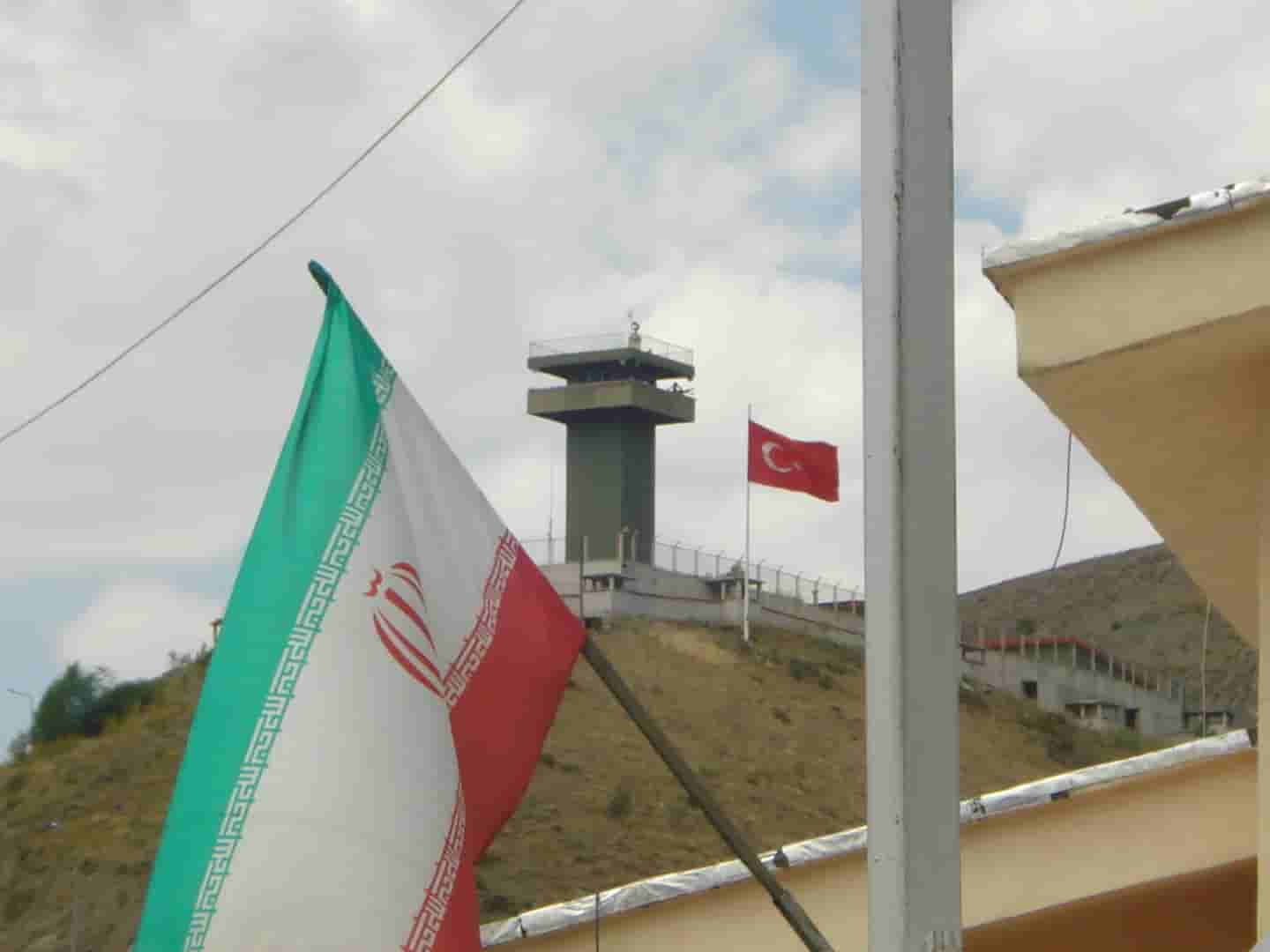
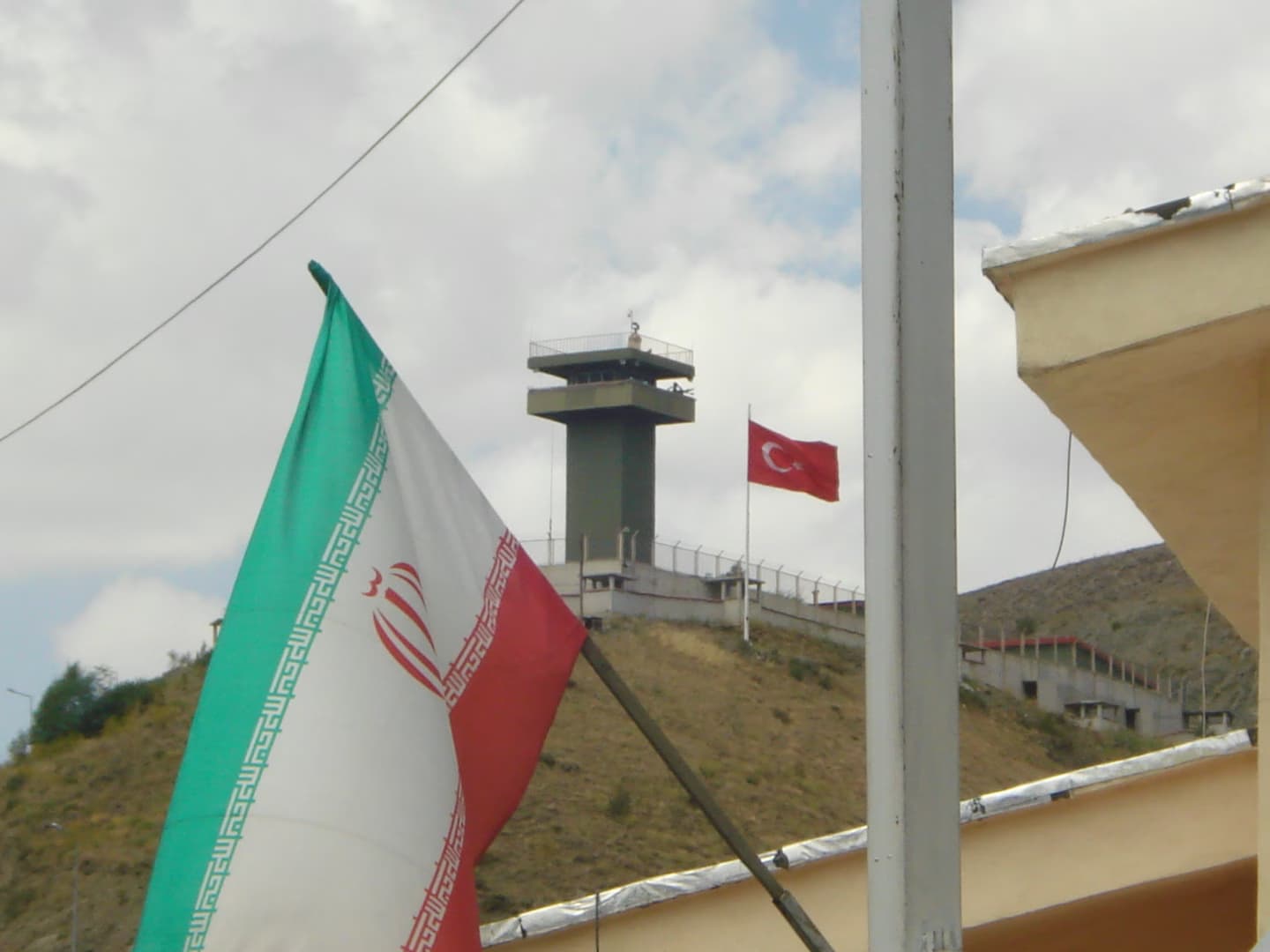
The United States is seeking to expand its economic pressure campaign against Iran, which is based on a maritime blockade and sanctions, to include overland trade routes. However, its efforts have not received a positive response from Iran’s neighbors. The New York Times reported, citing three Iraqi officials and a U.S. official, that Washington has for weeks been urging Türkiye, Iraq and Pakistan to close their border crossings with Iran, but the countries have not agreed to a complete closure.
According to the newspaper, Iraq was asked to close all but two of its crossings with Iran. Baghdad did not agree, instead temporarily closing one or two crossings as a gesture toward Washington, a step that drew criticism inside Iraq. The border between Iraq and Iran stretches for about 1,600 kilometers, and Baghdad cannot fully control it despite having long been aware of weapons and money smuggling across it.
Türkiye has largely refused to change its border policy, while Pakistan closed some crossings and reopened them in recent weeks. Islamabad attributed the moves to security concerns and new procedures for electronic imports, while Iranian officials linked them to U.S. sanctions. Official trade between Pakistan and Iran is worth about $3 billion annually.
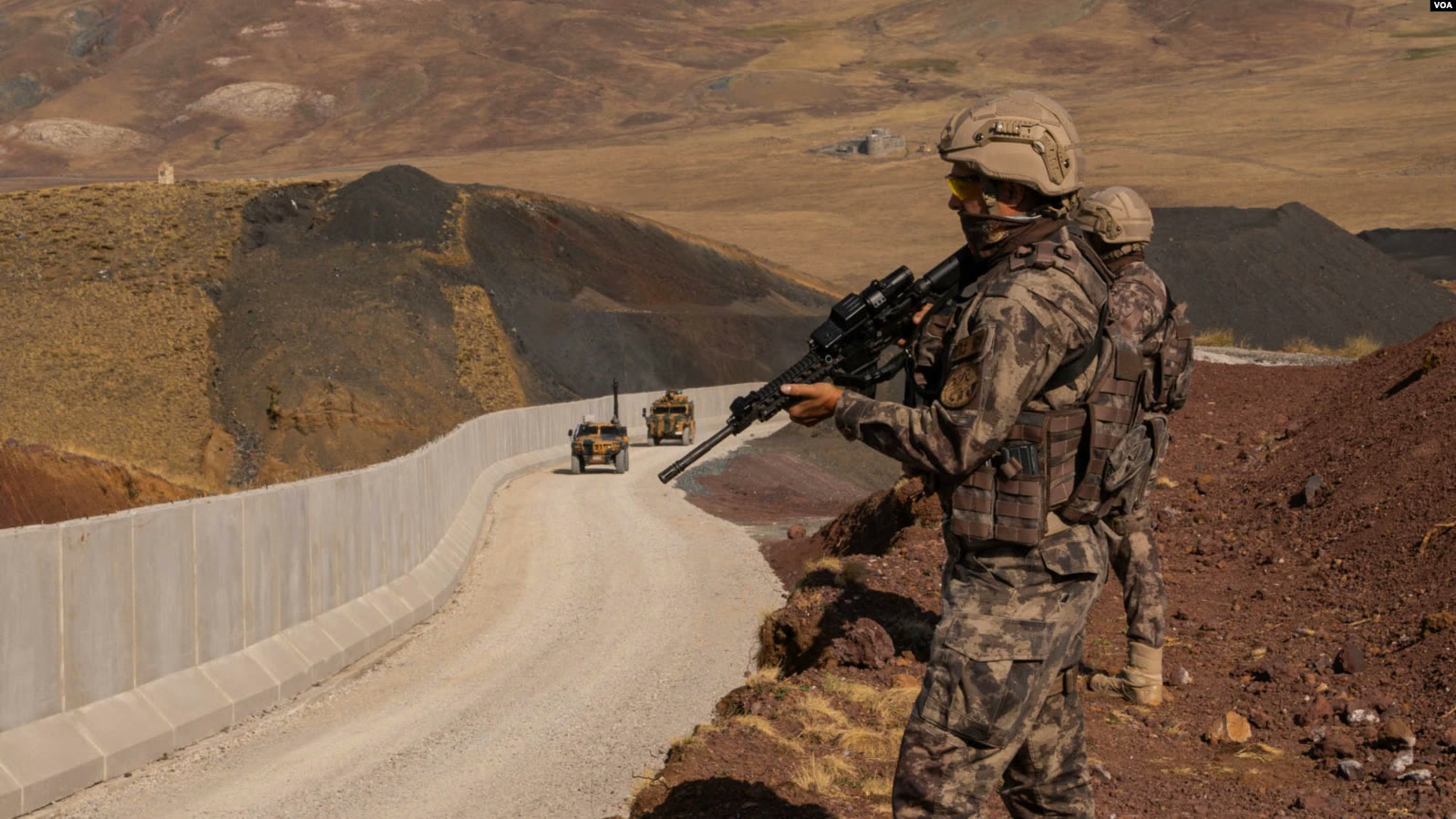
After diplomatic efforts failed, U.S. Central Command announced on November 7 the formation of a task force called “Iron Gate.” Its aim is to prevent the flow of weapons, dual-use technologies, sanctioned materials and illicit revenues across Iran’s land borders and the Caspian Sea, although the way it will operate on the ground has not yet become clear.
The reservations of neighboring countries stem from economic and security concerns. A U.S. official warned that cutting off the trade networks on which residents of border areas depend could trigger social unrest. Regional countries are also angered by Washington’s disregard for their objections when it entered the war against Iran alongside Israel in February, and they fear that the new pressure measures could harm their economies, which have already borne the costs of the war.
Stay Updated with Hilal Times
Subscribe to be informed about special news, developments and announcements. We will keep you informed.
By signing up, you agree to our Privacy Policy