- BIST10011,661-1.54%
- USD50.39+0.22%
- EUR55.50-0.19%
- GOLD3,865.80+0.33%
- INTEREST36.00%-1.00
- BITCOIN63,602-1.89%
- November 17, 202615°
- BIST10011,661-1.54%
- USD50.39+0.22%
- EUR55.50-0.19%
- GOLD3,865.80+0.33%
- INTEREST36.00%-1.00
- BITCOIN63,602-1.89%
- November 17, 202615°
WHO backs Antalya health initiative at COP31
The WHO director-general called on countries to support the Antalya Initiative for Resilient Health Systems as COP31 nears the record attendance set by COP28 in Dubai. Negotiators have begun work on a 144-paragraph draft decision, with the Arab Group objecting to some provisions.
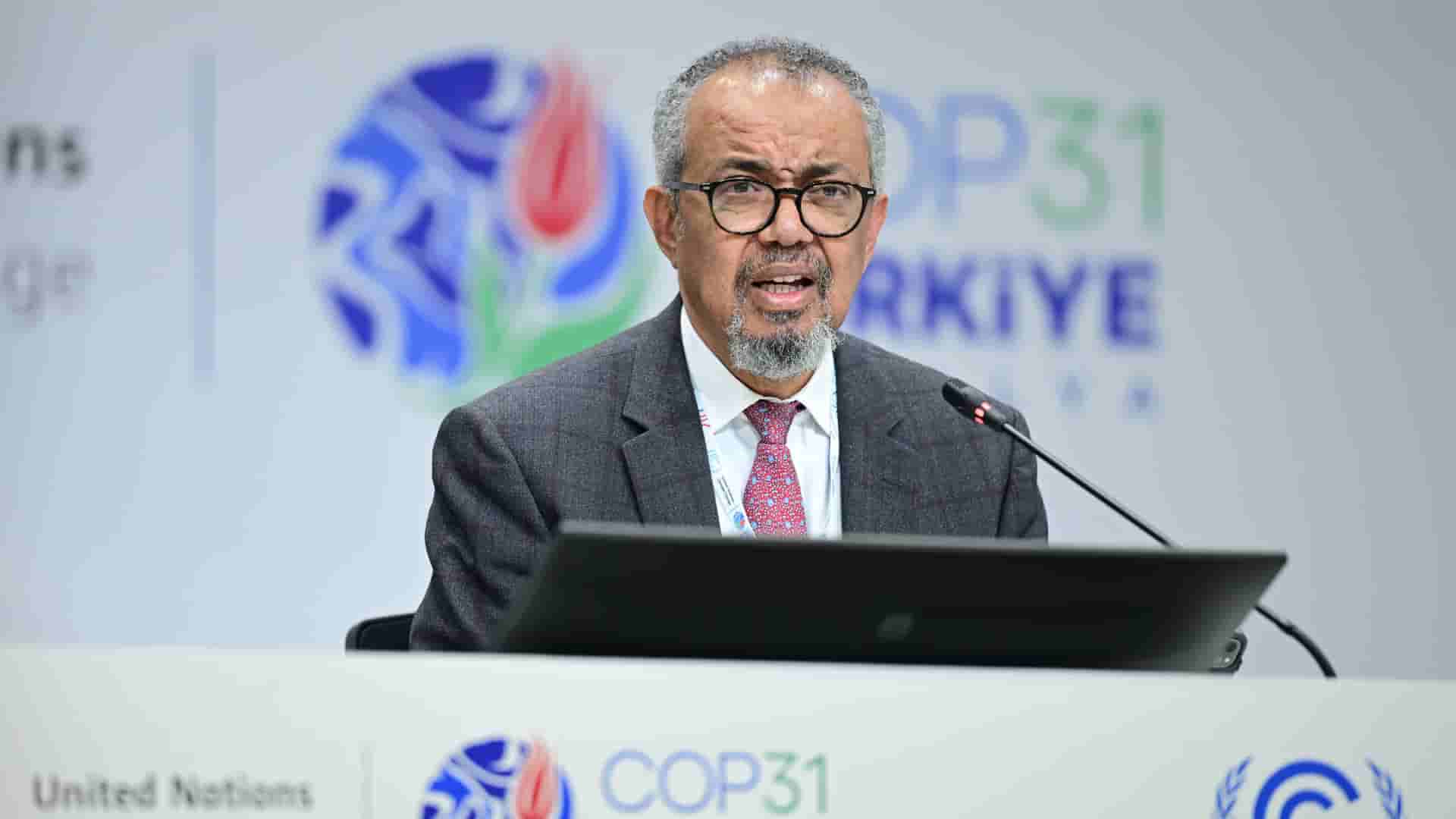
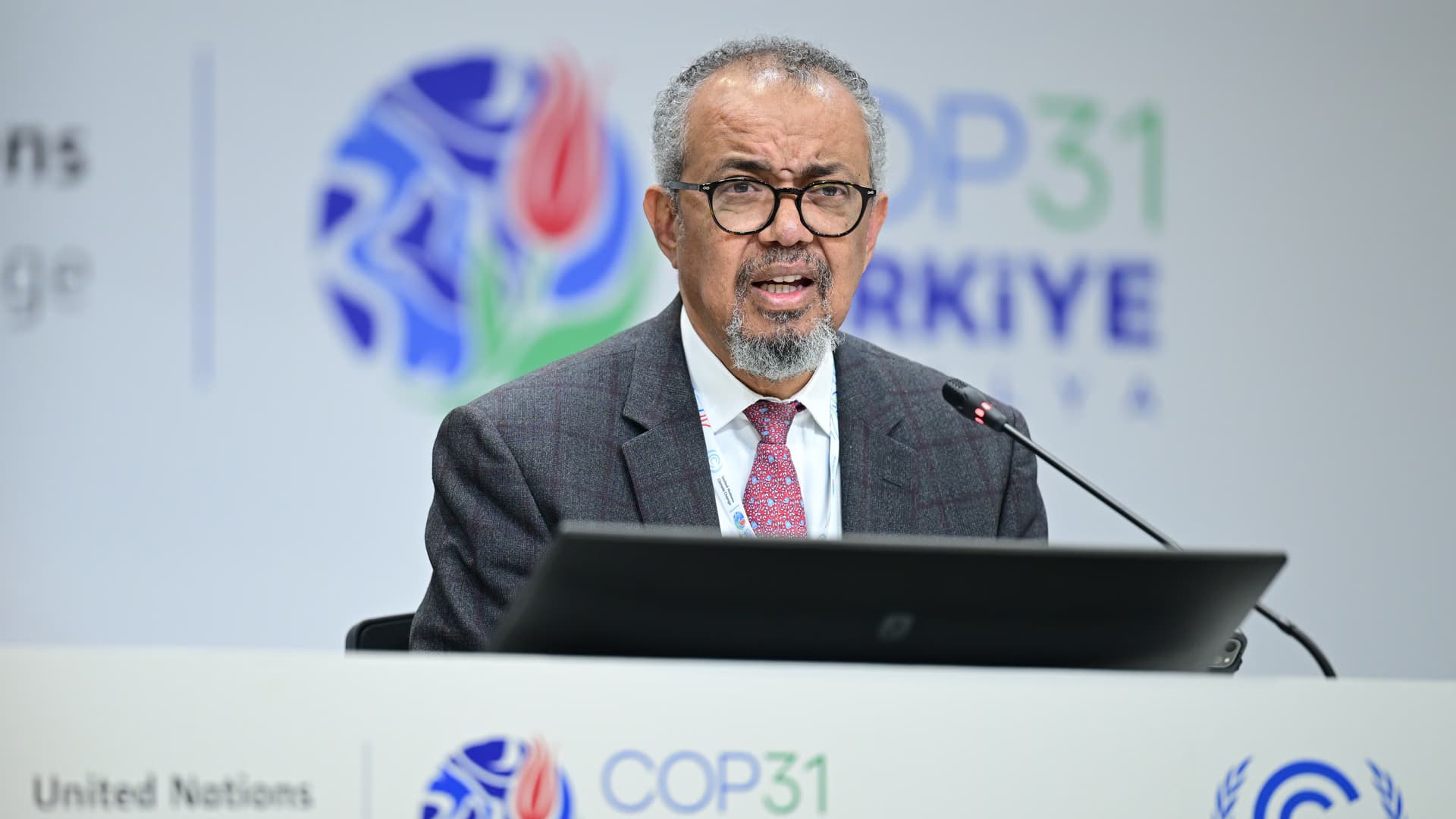
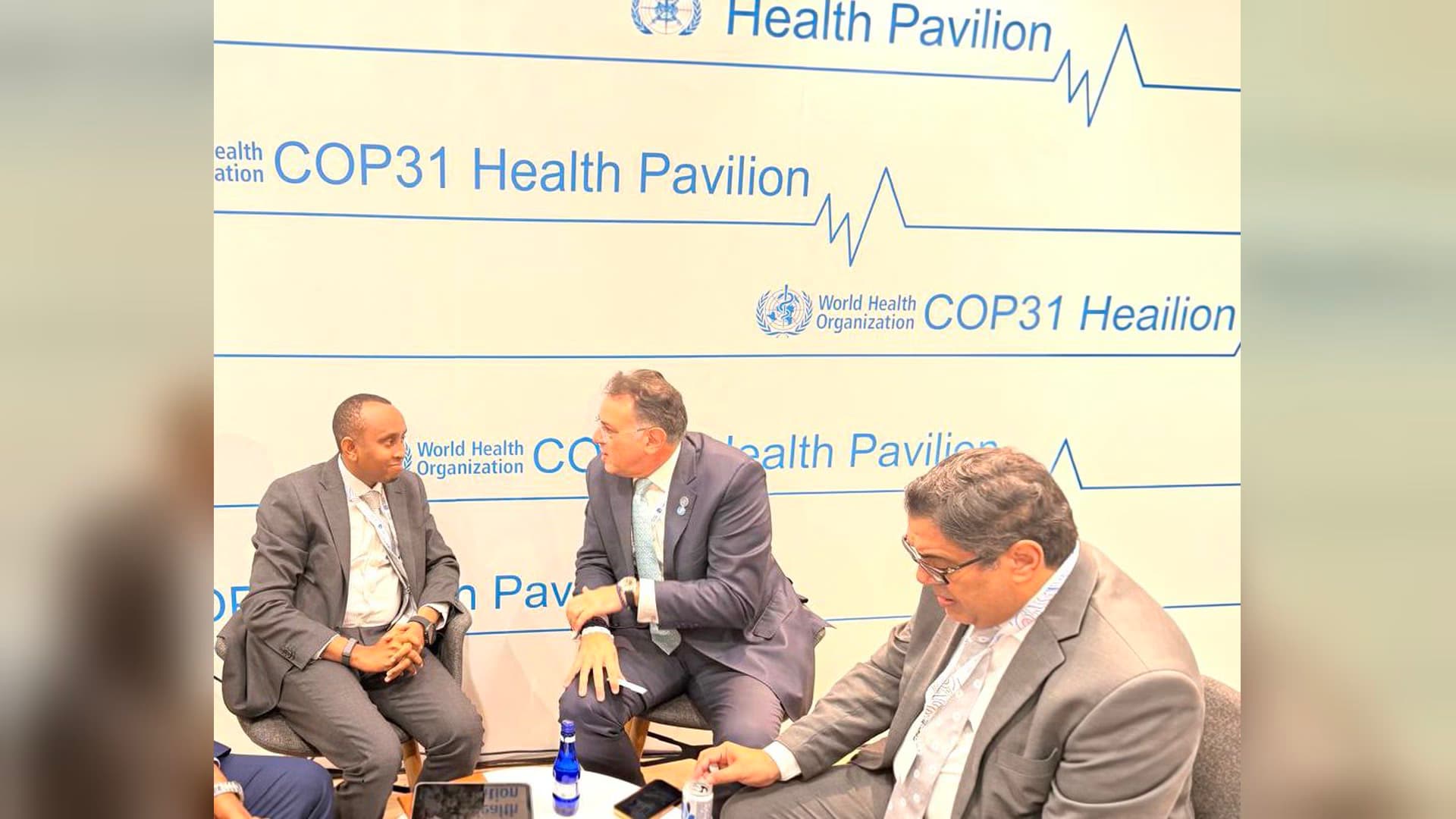
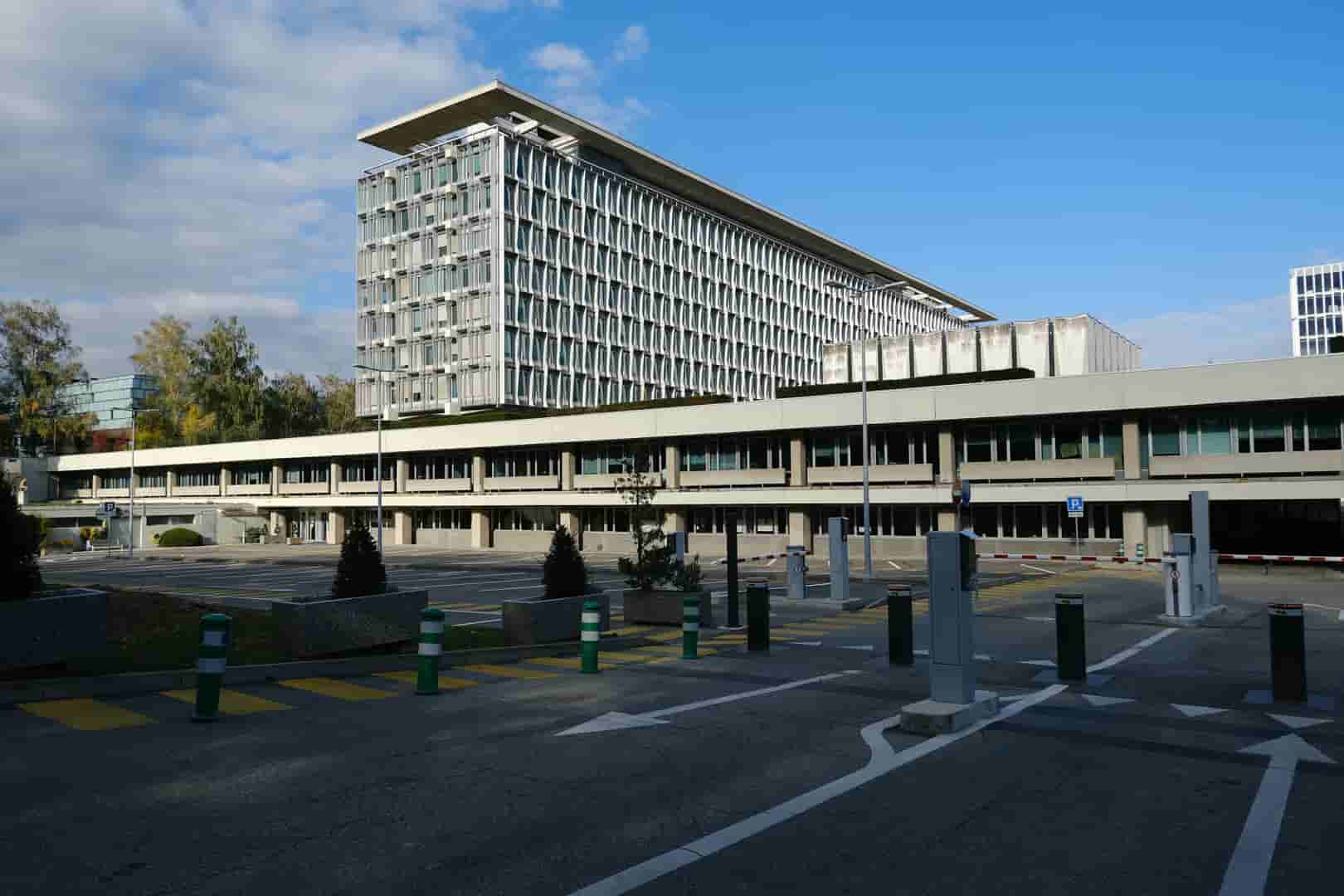
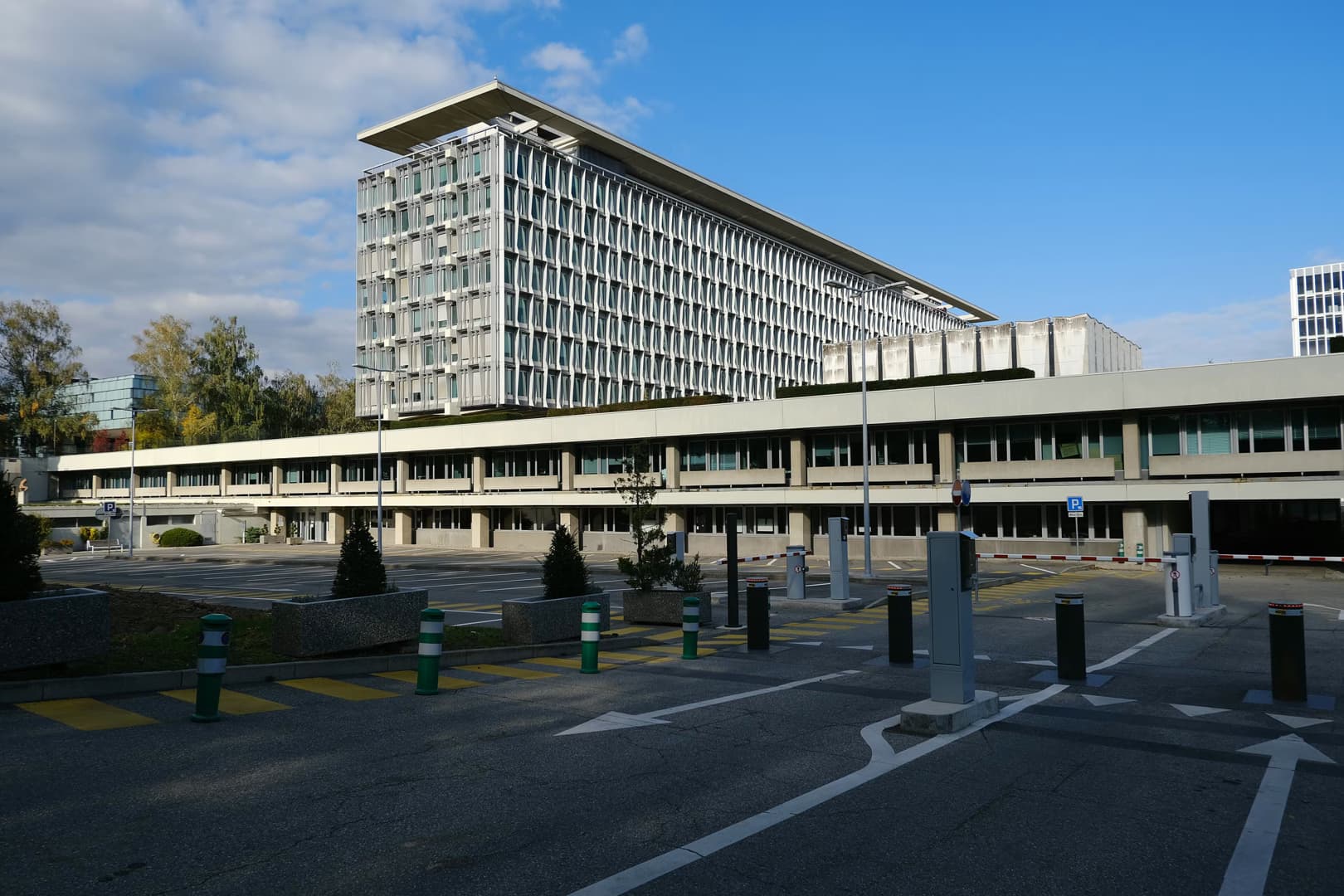
World Health Organization Director-General Tedros Adhanom Ghebreyesus called on countries to support the Antalya Initiative for Resilient Health Systems, launched by Türkiye in its capacity as host of the United Nations Climate Change Conference COP31, stressing that “the climate crisis is a health crisis.”
Tedros said extreme heat, floods, drought and air pollution affect billions of people and place pressure on health systems. He said he had called on countries during the ministerial roundtable for Health Day at the conference to support the initiative because it offers a practical way for countries to learn from one another’s experiences in protecting health from the climate crisis. He stressed that a lack of funding and capacity remains a major obstacle to implementing national health and climate plans, and called for financing resilient health systems and placing health at the forefront of the Antalya negotiations.
The message carries particular weight in the Arab world, one of the regions most exposed to heatwaves and water scarcity. A WHO official said on the sidelines of the conference that Jordan, Morocco and Tunisia had begun addressing the health effects of climate change, while the Iraqi president said in Antalya that his country had lost more than half of its agricultural land because of climate change.
Dubai attendance record within reach
Meanwhile, the conference is heading toward a record turnout. According to Türkiye’s Ministry of Environment, Urbanization and Climate Change, 102,610 people registered in the Blue Zone during the first seven days. The zone is reserved for heads of state, ministers, national delegations and accredited observers. The figure is approaching the record 112,724 participants registered at COP28 in Dubai in 2023, with four days remaining before the scheduled closing on November 20. The Green Zone, which is open to the public, has received 212,000 visitors so far and is hosting more than 1,500 discussion sessions.
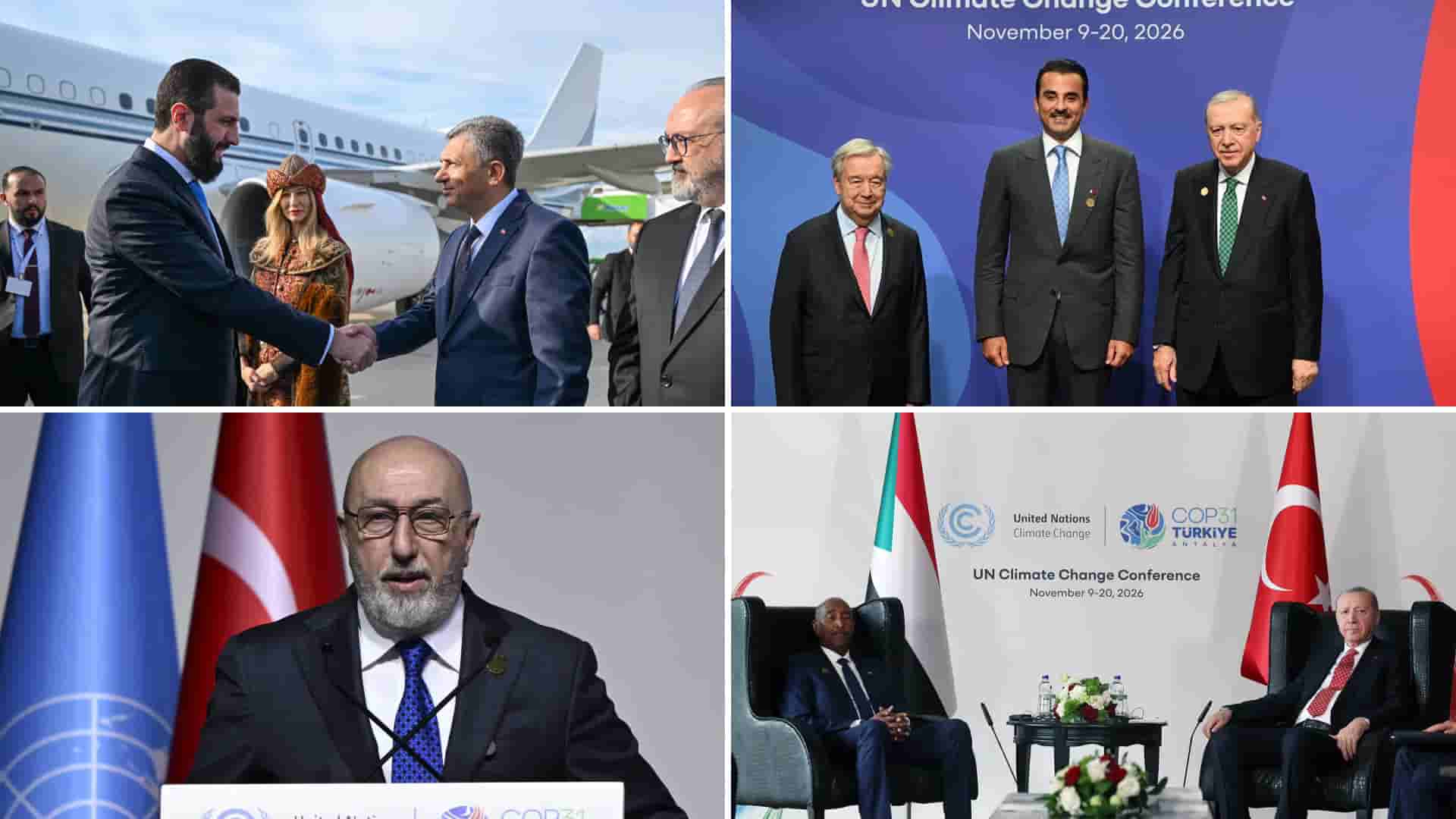
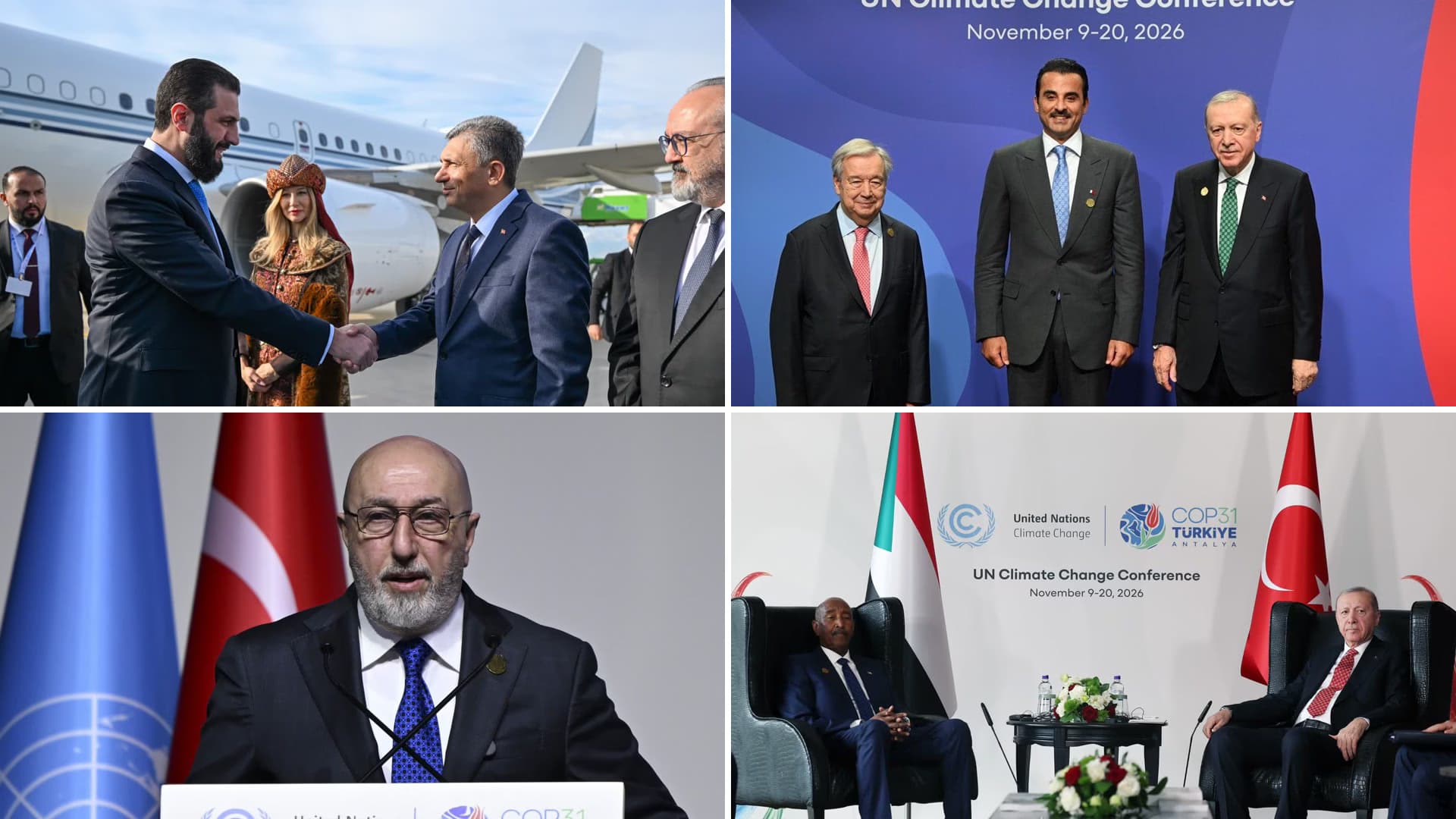
Turkish President Recep Tayyip Erdoğan said in Ankara on Monday that Türkiye had hosted 96 leaders from different continents and that COP31 had “been recorded as the most successful Conference of the Parties to date in terms of organization and participation.” Guests at the leaders’ summit included Qatari Emir Sheikh Tamim bin Hamad Al Thani, Syrian President Ahmad al-Sharaa and Palestinian Prime Minister Mohammad Mustafa. Erdoğan also received the Saudi energy minister in Antalya. The conference presidency published a video summarizing the first week.
The roughly two-and-a-half-minute video shows aerial footage of the conference venue in Antalya, remarks by COP31 President Murat Kurum, United Nations Secretary-General António Guterres and Erdoğan, as well as sessions of the leaders’ summit, side events and youth discussions. It ends with the words “The first week is over.”
144-paragraph draft and Arab reservations
On the negotiations, COP31 chief negotiator and Australian Climate Change and Energy Minister Chris Bowen said the first draft decision consists of 144 paragraphs and was prepared on the basis of 45 submissions made on behalf of more than 160 countries, totaling more than 500 pages. Speaking at a press conference, according to Anadolu Agency, he said the negotiations were proceeding “in a constructive manner” and that the text reaffirmed a commitment to multilateralism and the Paris Agreement. It also addresses the risk of exceeding the 1.5-degree threshold and includes a proposal to raise electricity’s share of global energy consumption to 35% by 2035.
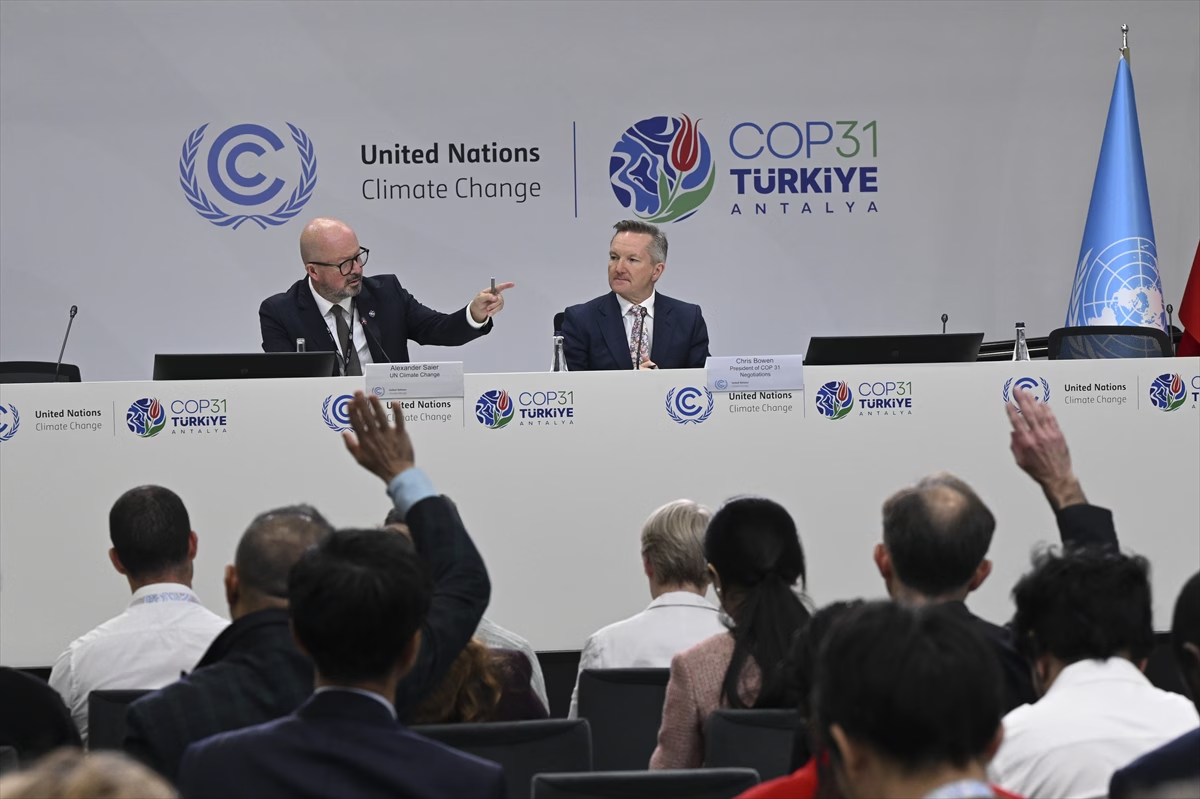
Bowen said negotiators had so far agreed on 48 provisions and that outstanding issues had moved to the ministerial level. He expected at least one more version of the text before the end of the week and warned of “strong discussions” over fossil fuels. According to Climate Home News, the Arab Group and the Like-Minded Group of Developing Countries objected to including new sectoral targets in the final decision, including the voluntary electrification target. Saudi Arabia also objected to a reference to the Brazilian roadmap for transitioning away from fossil fuels.
Geothermal energy and the 1.5-degree target
The conference presidency announced that the “Global Geothermal Energy Ambition 2050,” launched on November 10 in cooperation with the International Renewable Energy Agency (IRENA), had received support from more than 50 countries and the European Union. It aims to increase geothermal energy supplies for electricity and heating twelvefold by 2050 compared with 2025 levels.
Kurum also took part in a high-level event on the “Belém Mission 1.5°C.” According to the conference presidency, he called for building on the progress made from Baku to Belém and turning it into tangible results in Antalya. He stressed that the presidency did not want merely to keep the 1.5-degree target on the agenda, but also to accelerate its implementation.
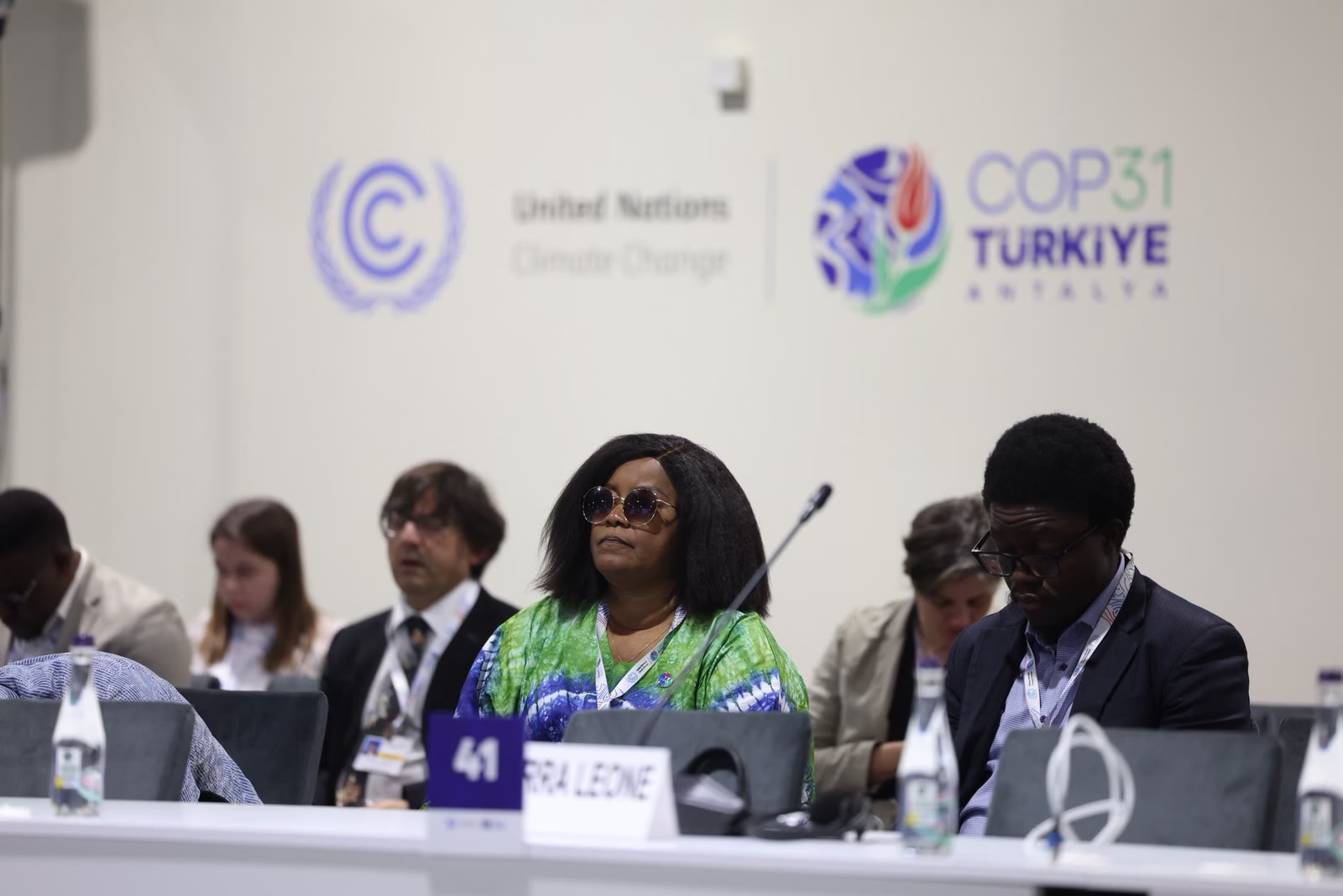
The conference’s eighth day is themed “Science, Industry and Technology.” Turkish Industry and Technology Minister Mehmet Fatih Kacır announced that the “Antalya Commitment to Artificial Intelligence” had received 80 endorsements and 271 concrete commitments. The conference will conclude on November 20 with the final round of negotiations.
Video: COP31 Türkiye. Photos: Anadolu Agency, COP31 presidency. Sources: Anadolu Agency, Climate Home News, COP31 presidency.
Have a story, event or announcement of your own?Send us your news on WhatsApp
Spotted an error in this story?Report it on WhatsApp
Share on all social platforms
Sponsored Ads
Featured Listings
Loading featured properties...
Stay Updated with Hilal Times
Subscribe to be informed about special news, developments and announcements. We will keep you informed.
By signing up, you agree to our Privacy Policy