- BIST10011,843+1.51%
- USD50.28+0.05%
- EUR55.60-0.24%
- GOLD3,886.30+0.03%
- INTEREST36.00%-1.00
- BITCOIN64,249+0.20%
- November 15, 202612°
- BIST10011,843+1.51%
- USD50.28+0.05%
- EUR55.60-0.24%
- GOLD3,886.30+0.03%
- INTEREST36.00%-1.00
- BITCOIN64,249+0.20%
- November 15, 202612°
WHO official: Jordan, Morocco and Tunisia tackle climate impacts on health
Dr. Adham Ismail, the official overseeing the World Health Organization's Eastern Mediterranean Regional Office, said the region is experiencing the world's largest displacement waves, putting additional pressure on hospitals and worsening water shortages. He said diseases once thought to have disappeared are returning to the region.
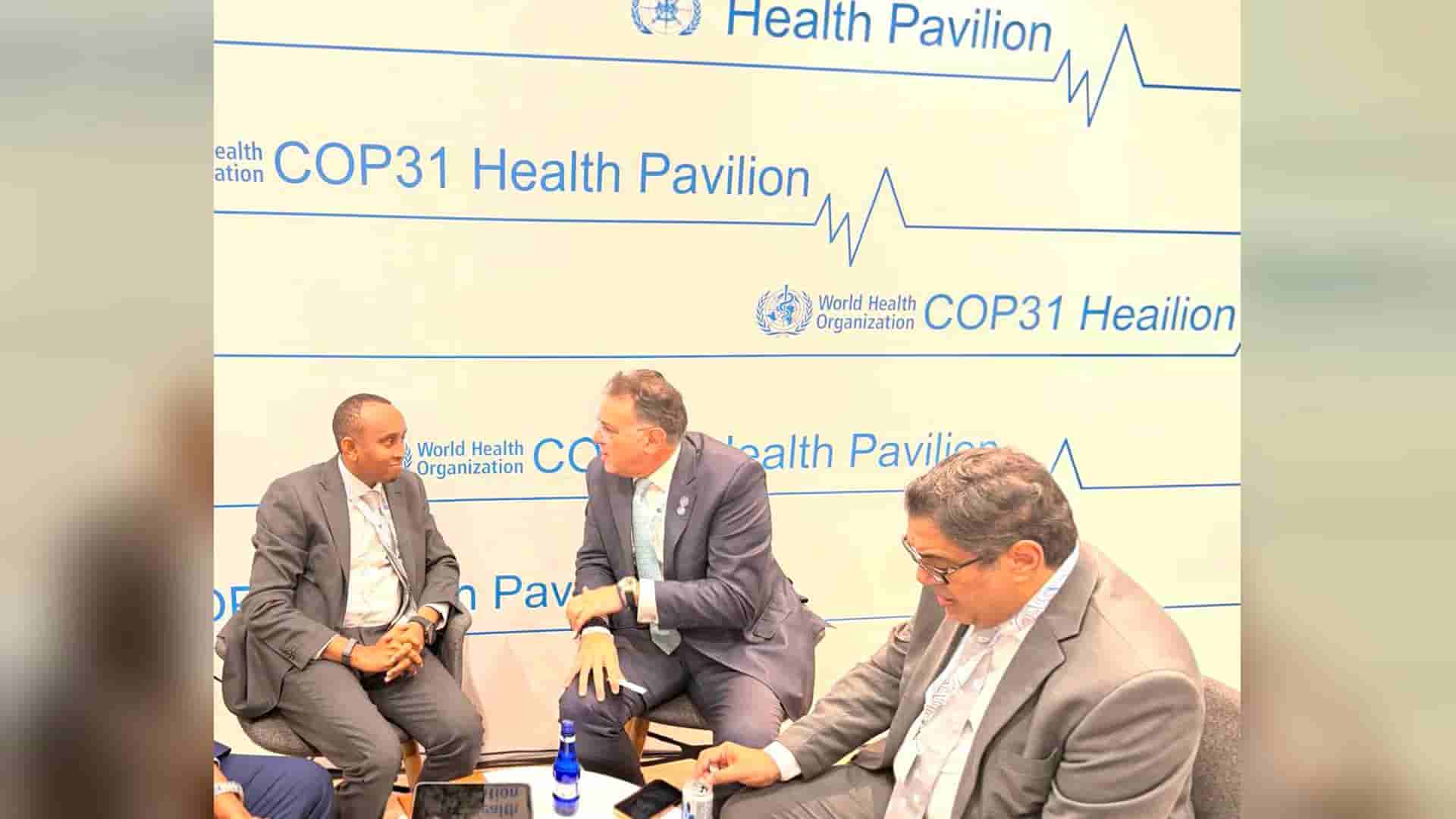
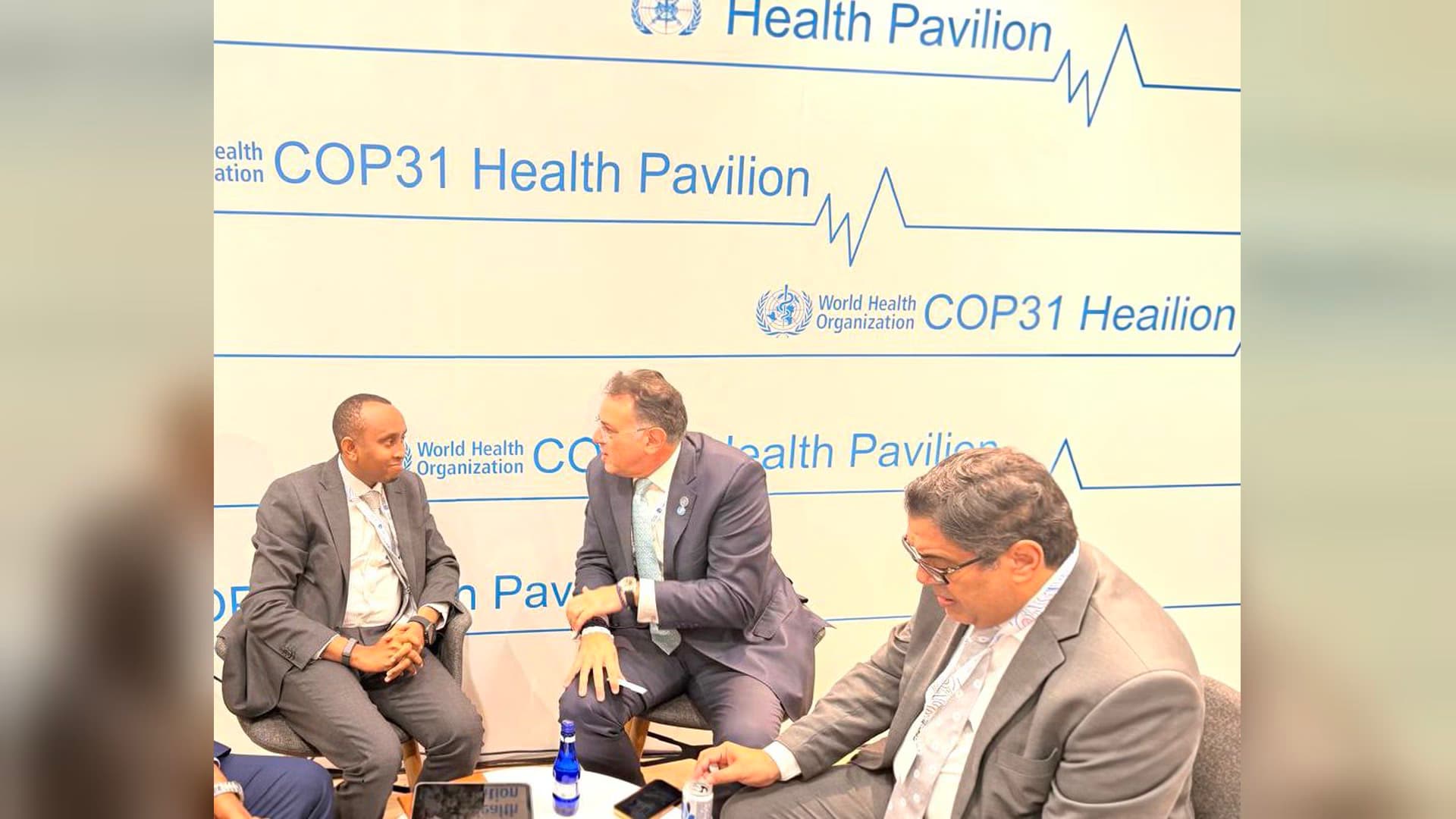
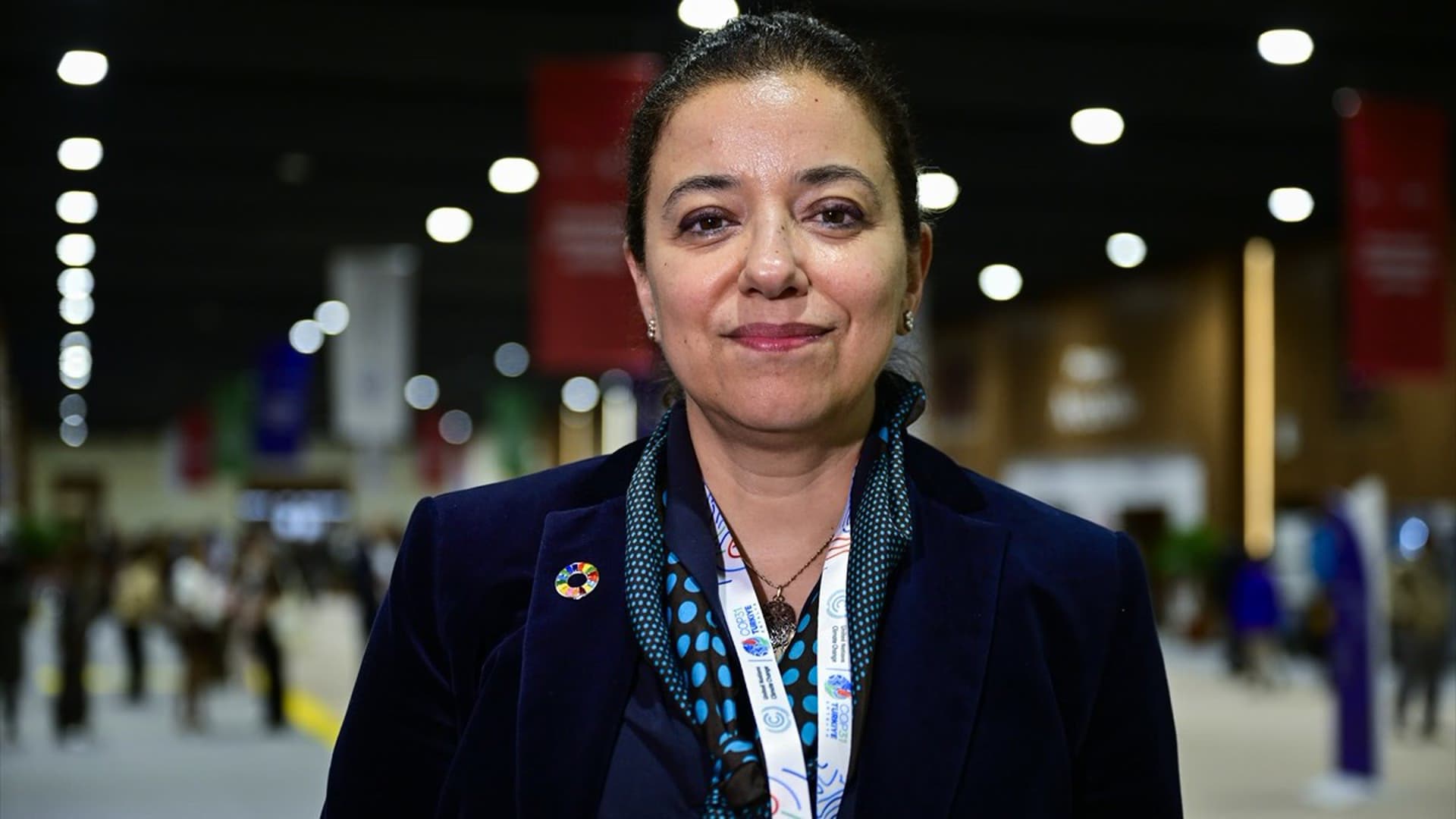
Dr. Adham Ismail, director of the Department of Programs and the official overseeing the World Health Organization's Eastern Mediterranean Regional Office, said several countries in the region have begun taking practical steps to address the health effects of climate change, calling for more sustainable funding for national plans.
In remarks to Anadolu Agency on the sidelines of the 31st Conference of the Parties to the United Nations Framework Convention on Climate Change (COP31) in Antalya, Ismail said Jordan, Morocco and Tunisia had begun taking action in this area, while Somalia and Iraq were following the same path. He added that the organization was eagerly awaiting the countries' technical and financial commitments.
Diseases return to the region
Ismail said he had personally witnessed the effects of climate change in the region's countries while working there as the organization's representative, noting that changes in heatwaves, sandstorms and water shortages had altered the epidemiological map of diseases. He said: "We are seeing diseases that we thought had disappeared from our region return with increasing frequency, and we can no longer wait for perfect data before taking action."
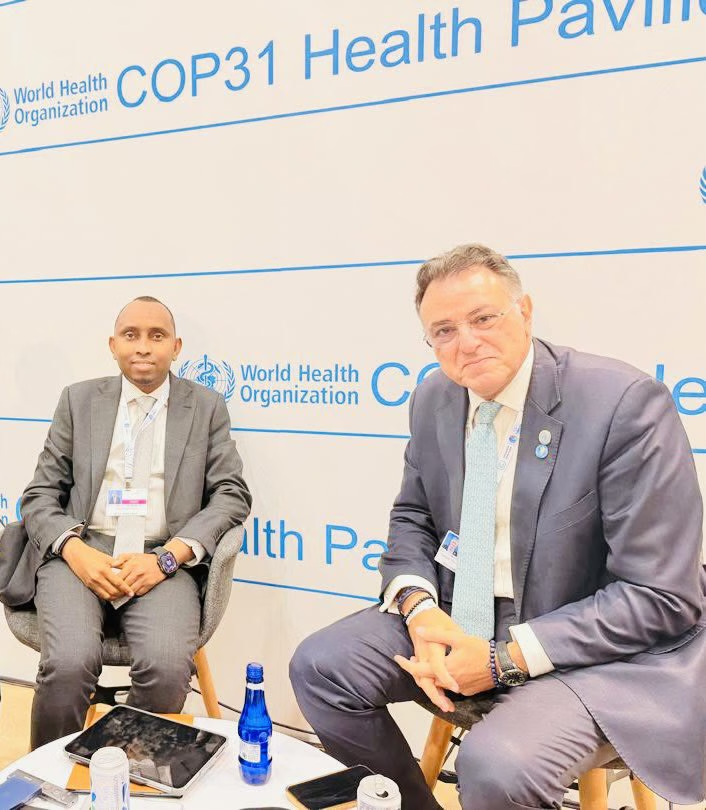
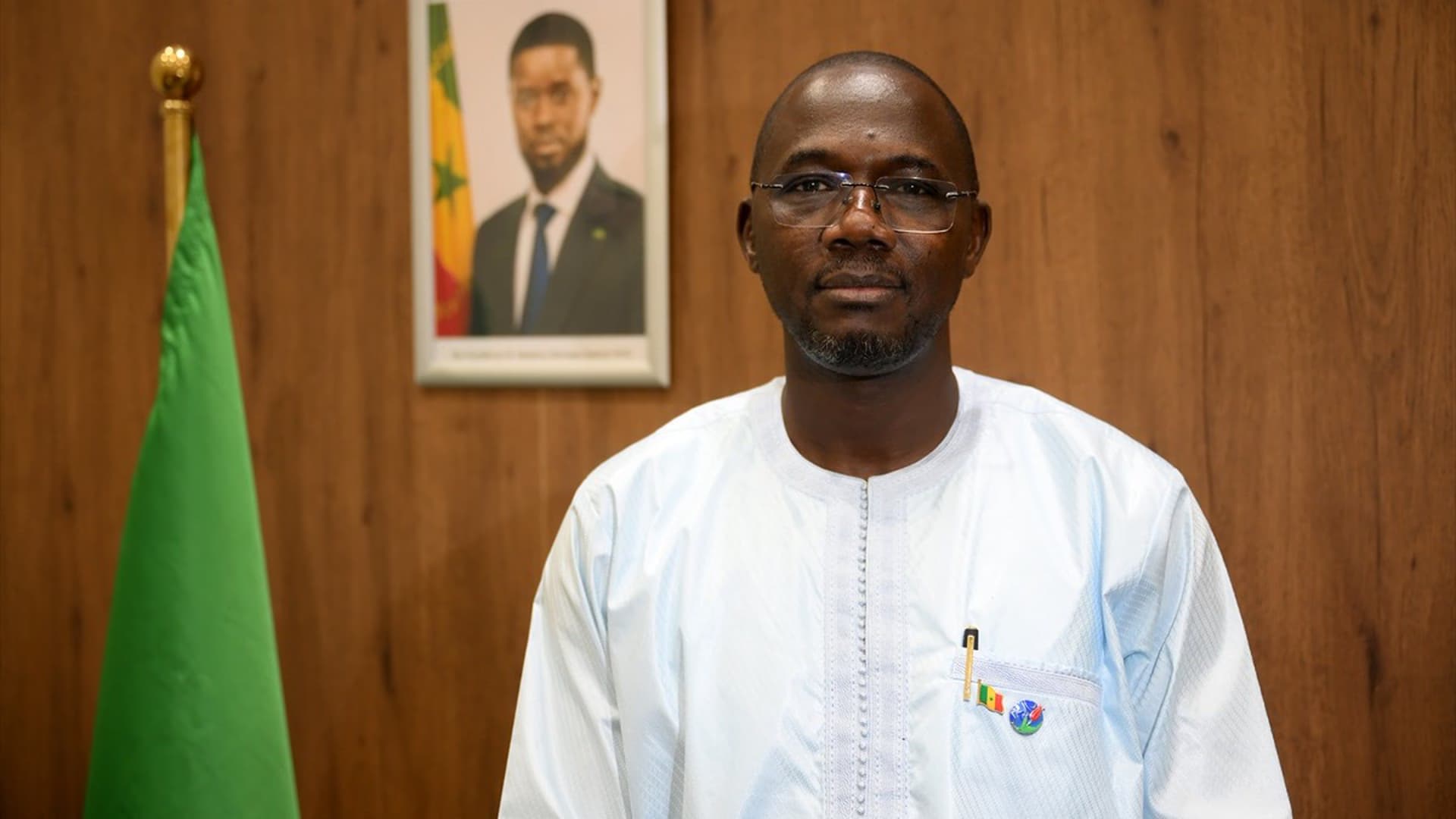
On the sidelines of the conference, Ismail met Yusuf Hassan Ishaq, director general of Somalia's Ministry of Health, at the World Health Organization's health pavilion to discuss strengthening cooperation on building health systems capable of withstanding climate change.
Displacement puts additional pressure on hospitals
Ismail noted that the Eastern Mediterranean region, where several countries are experiencing conflicts, has the world's largest levels of displacement and changes in people's places of residence. This means that services must move with them, something countries cannot afford, while the situation also worsens the water shortage crisis.
He added that hospitals cannot absorb sudden waves of migrants and refugees, placing pressure on already fragile health systems, limiting the organization's ability to provide services, contributing to the spread of diseases and making timely intervention impossible.
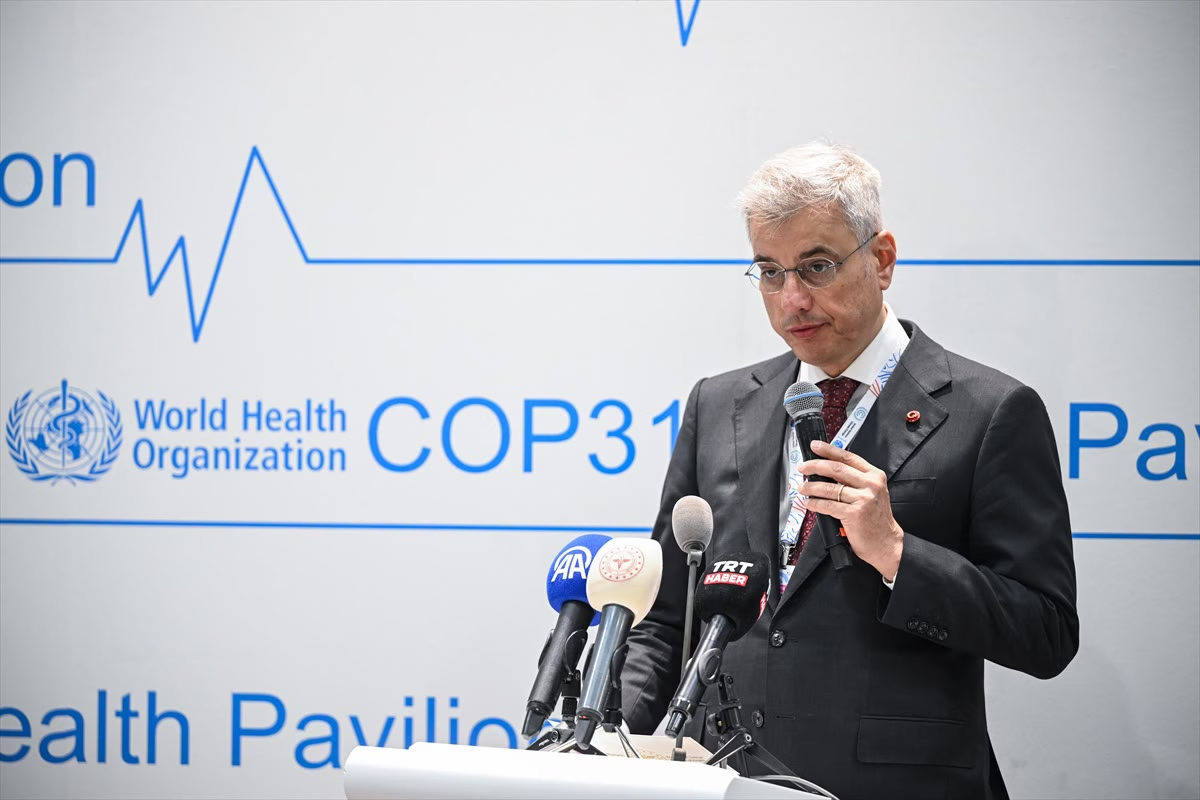
Ismail praised Türkiye for making health part of the climate change agenda for the first time since the Conference of the Parties began. As the COP31 president, Türkiye launched the "Antalya Initiative for Health Resilience" (AIR), coordinated by the World Health Organization through the Alliance for Transformative Action on Climate and Health (ATACH). Türkiye's Health Minister Kemal Memişoğlu presented the initiative at the conference's health pavilion.
Ismail called for broader cooperation involving governments, nongovernmental organizations, community initiatives and United Nations agencies, amid constraints on the resources available to UN agencies. He warned: "If we do not act together, we will all be affected."
Photos: Anadolu, director general of Somalia's Ministry of Health
Have a story, event or announcement of your own?Send us your news on WhatsApp
Spotted an error in this story?Report it on WhatsApp
Share on all social platforms
Sponsored Ads
Featured Listings
Loading featured properties...
Stay Updated with Hilal Times
Subscribe to be informed about special news, developments and announcements. We will keep you informed.
By signing up, you agree to our Privacy Policy