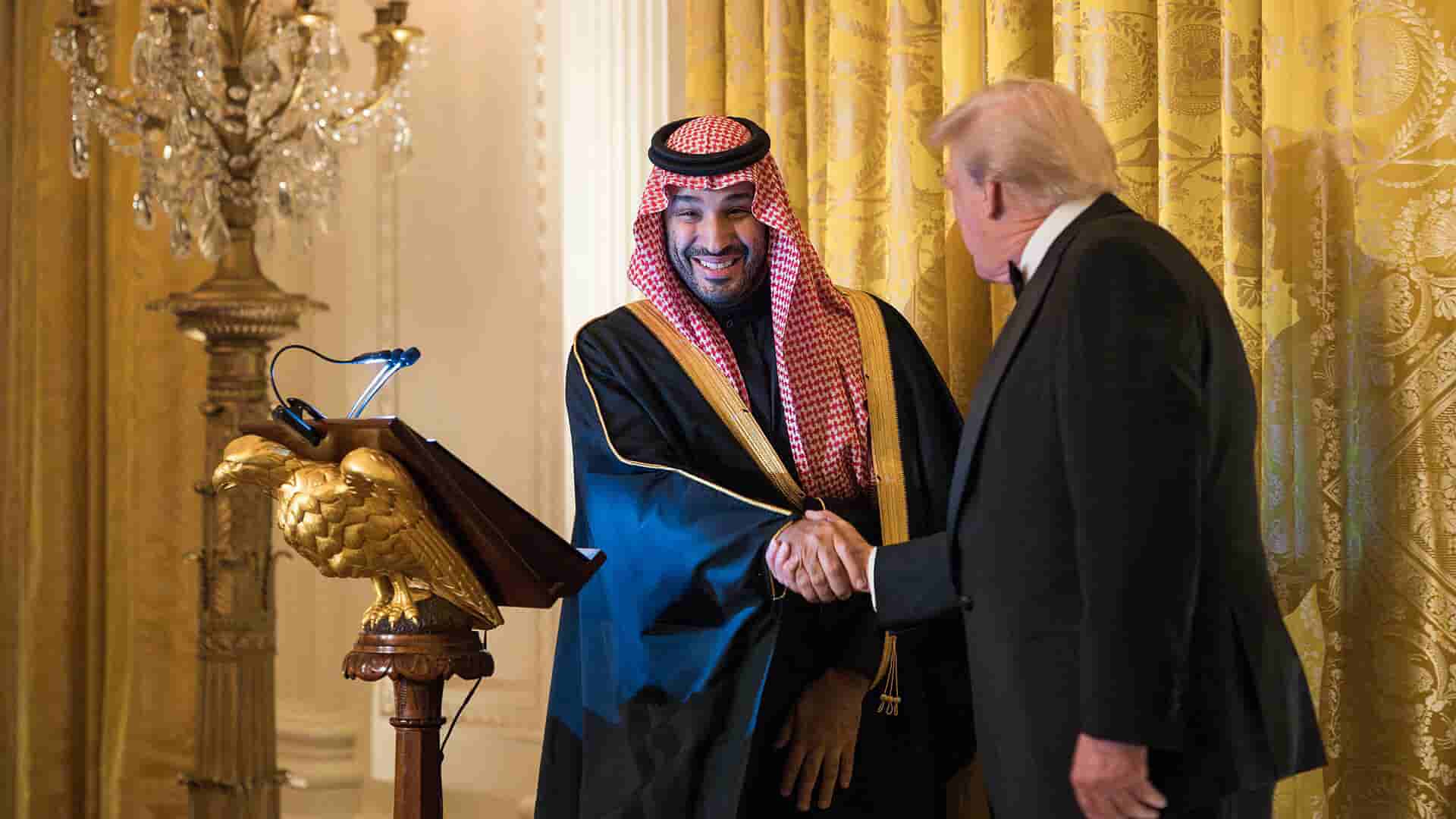
On the third day of the Sukkot holiday, 1,792 Israeli settlers entered Al-Aqsa Mosque in East Jerusalem. Israeli National Security Minister Itamar Ben-Gvir also entered the mosque courtyards under police protection and took part in Talmudic rituals.
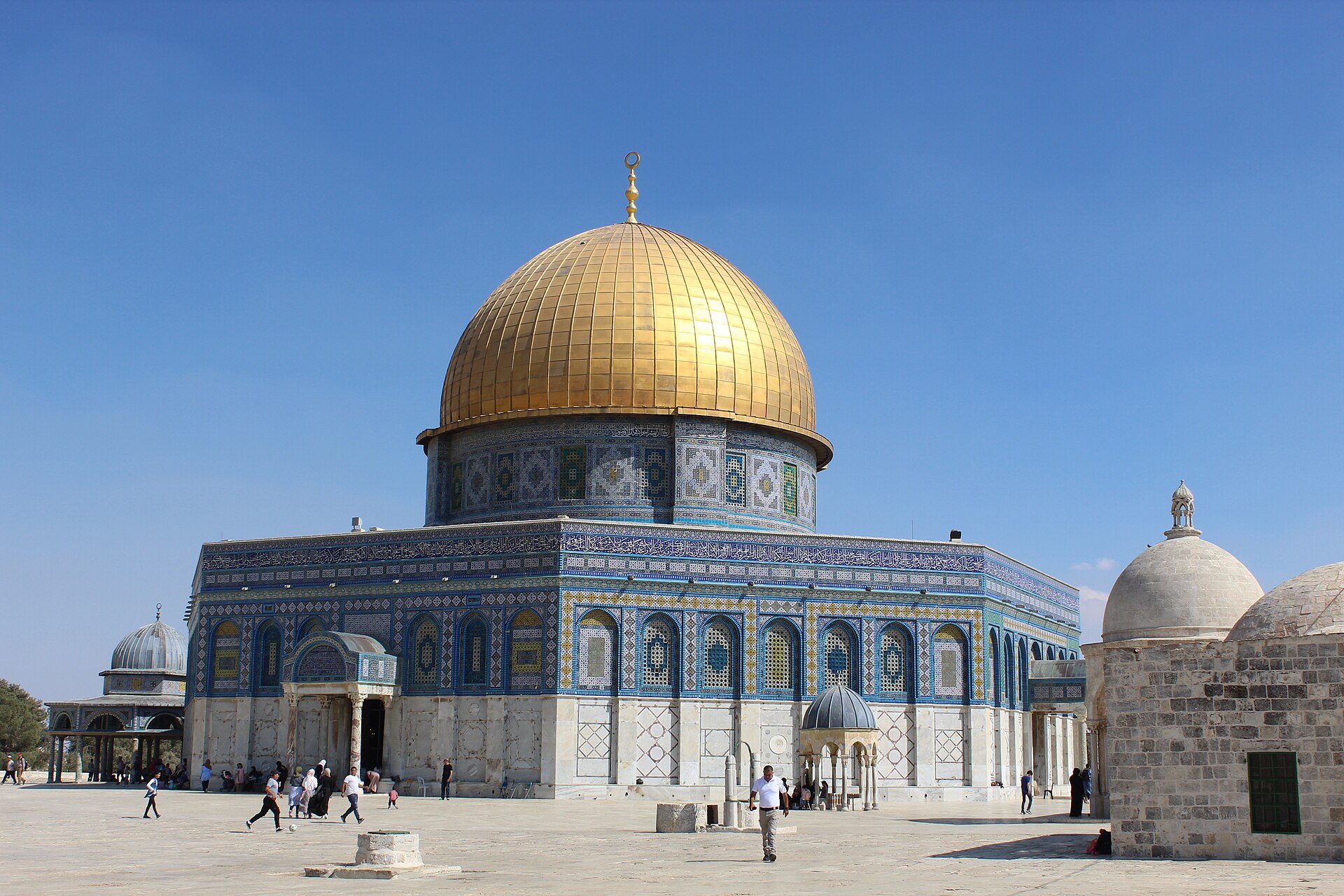
The Jerusalem Governorate said the settlers entered Al-Aqsa Mosque through the Moroccan Gate in two separate time periods, in the morning and evening, under the protection of Israeli forces. Some settlers carried plant offerings and performed Talmudic rituals.
Some people wore T-shirts bearing provocative statements and symbols advocating the destruction of Al-Aqsa Mosque and the construction of a so-called temple in its place. The governorate said the so-called Temple Mount ritual known as the “Musaf” prayer was also performed during the entries.
According to the Jerusalem Governorate, the ritual included content linked to holiday sacrifices, while Jewish prayers were performed in a form associated with the so-called temple. The governorate said the practices were an attempt to impose a new religious status on Al-Aqsa Mosque and its courtyards and violated the existing historic and legal status quo.
Rituals and restrictions around Al-Aqsa Mosque
Images showed Ben-Gvir dancing and taking part in Talmudic rituals as he entered the courtyards. The footage also showed Ben-Gvir boasting about the act. The entry took place for the second consecutive day during the Sukkot holiday celebrations.
Israeli Defense Minister Yisrael Katz also took part in a ritual known as the “Priestly Blessing” at the Buraq Wall west of Al-Aqsa Mosque during the Sukkot holiday celebrations. Hundreds of settlers gathered in the Rababa Valley south of Jerusalem’s Old City, where Talmudic rituals and group dances were held.
Israeli forces closed the Omar Mosque in the Sharaf neighborhood of the Old City and the gates belonging to the Syriac Monastery during the Jewish holiday celebrations. The entrance to Turbe Road leading to the Silwan town was also closed to secure the settlers’ access to the Buraq Wall.
Settlers who entered the northwestern Jerusalem town of Al-Jib blocked one of the roads with tires and placed Israeli flags in the Ras area under the protection of Israeli forces. The tight security measures imposed by the Israeli army around Jerusalem from Monday morning caused heavy traffic, making it difficult for Palestinians to reach their places of education and work.
Palestinian businesses under economic pressure
The Jerusalem Governorate said Palestinian businesses, particularly those in and around the Old City and Al-Aqsa Mosque, were facing a deepening economic crisis following the war that began in Gaza in October 2023.
The governorate said the economic pressure resulted from a decline in tourism activity, as well as restrictions and closures imposed during Jewish holidays. The crisis was also said to have affected restaurants, hotels, artisans, transportation and tourism services.
Some business owners were forced to close their establishments because of concerns about attacks and vandalism or due to movement restrictions.
8 Palestinians detained in Jerusalem Governorate
Israeli forces detained 8 Palestinians on Monday in towns, villages and refugee camps across the Jerusalem Governorate. Those detained included 2 people from Abu Dis, 2 from Al-Ram and 4 from Biddu.
The detentions took place as Israeli forces carried out raids in several towns around Jerusalem and used tear gas.
Settler entries into Al-Aqsa Mosque have increased since the start of the Jewish holidays, accompanied by heavy protection from Israeli forces and military measures around Jerusalem. The Jewish holidays began with the Hebrew New Year on September 12 and 13; Yom Kippur was observed on September 21 and 22. Sukkot is being observed from September 26 to October 2, while the Last Festival of the Torah is being held on October 3.
Palestinians argue that Israel has intensified its practices aimed at changing the identity of East Jerusalem and Al-Aqsa Mosque for decades. They regard East Jerusalem as the capital of their future state, based on international resolutions that do not recognize Israel’s occupation of the city in 1967 or its annexation in 1980.