- BIST10011,593-1.10%
- USD49.45+0.05%
- EUR55.62+0.37%
- GOLD4,191.40+0.25%
- INTEREST37.00%-1.00
- BITCOIN82,130+0.14%
- October 19, 202617°
- BIST10011,593-1.10%
- USD49.45+0.05%
- EUR55.62+0.37%
- GOLD4,191.40+0.25%
- INTEREST37.00%-1.00
- BITCOIN82,130+0.14%
- October 19, 202617°
Balad leader says Palestinian Arab votes could block Netanyahu’s return
Balad leader Sami Abu Shehadeh said Arab voters could influence the choice of prime minister in Israel. Abu Shehadeh said they expected Arab parties to win 14 to 16 seats in the October 27 elections, making it harder for Benjamin Netanyahu to form a government.


Before Israel’s elections on October 27, Balad leader Sami Abu Shehadeh said Arab voters could alter the political balance. Abu Shehadeh said the priority of Arab parties was to prevent Benjamin Netanyahu from forming a government again.
Abu Shehadeh said opinion polls conducted over the past two years indicated that Arab votes could influence who becomes prime minister. He said they were concerned about efforts to exclude Arab votes from the political arena and that these concerns had intensified as election day approached.
Arab parties’ seat calculations
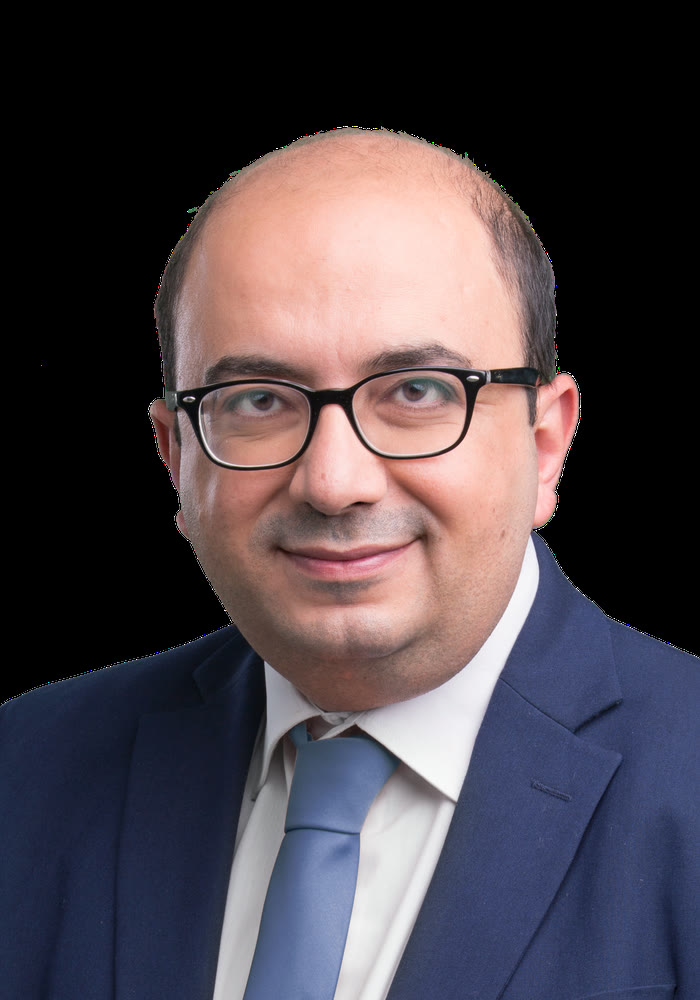
Israel has a population of 10 million, while Palestinians living in the lands occupied in 1948 account for more than 20 percent of the population. Opinion polls project that Arab lawmakers could win between 12 and 14 seats in the 120-member Knesset.
Abu Shehadeh said approximately 1.2 million Palestinian citizens of Israel were eligible to vote and that about 40,000 votes were enough to secure a Knesset seat. The Balad leader said they expected turnout to reach between 62 and 73 percent, arguing that Arab parties could win 14 to 16 seats and that this would make it harder for Netanyahu to form a coalition.
Political goal of opposing Netanyahu
The Balad leader said Arab parties aimed not only to bring down Netanyahu’s government but also to prevent him from forming a new one. Opinion polls do not project either Netanyahu’s bloc or the Jewish opposition bloc to reach the 61 seats needed to form a government on its own.
The Jewish opposition may need the support of Arab parties to form a government, but most opposition leaders have refused to rely on that support. Abu Shehadeh said there was no genuine opposition candidate in Israel ready to end the occupation and pursue a course different from Netanyahu’s policies.
“The issue is not changing the person at the top. We want to change Benjamin Netanyahu’s policies,” Abu Shehadeh said, adding that Arab parties shared the goal of preventing Netanyahu from returning to power.
Turnout and the candidacy process
Abu Shehadeh said the Joint List, made up of Balad, the Democratic Front for Peace and Equality, and the Arab Renewal Movement, would work to increase turnout among Arab voters. Abu Shehadeh said they expected turnout to be higher than in the past 30 years, arguing that strong Arab participation could reduce the chances of small right-wing parties winning seats and affect Netanyahu’s chances of forming a government.
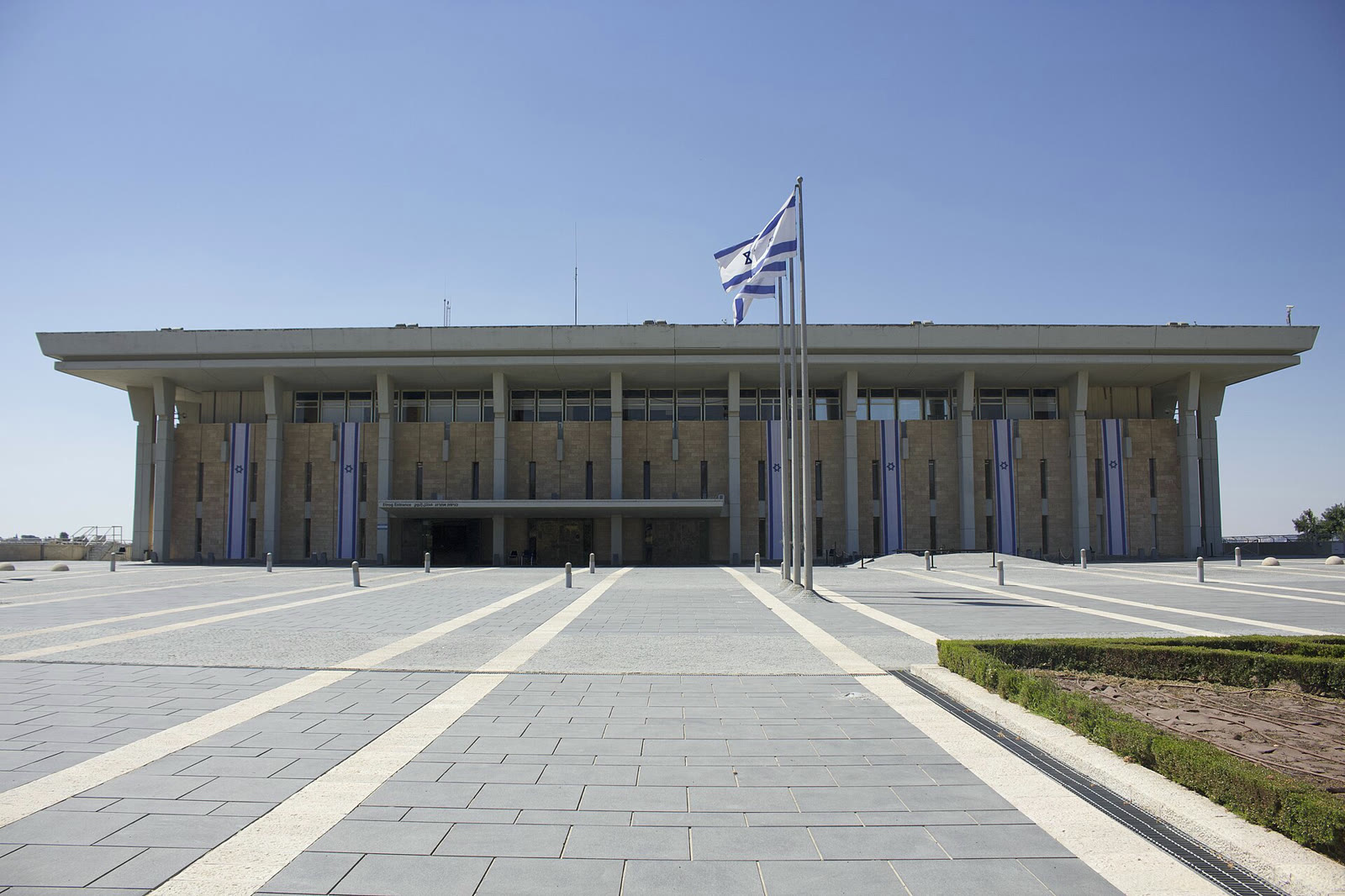
Abu Shehadeh alleged that Netanyahu and his government were seeking to exclude Arab parties from the political arena and said the effort had been halted by the Supreme Court. On September 23, Israel’s Central Elections Committee decided to bar the Joint List, led by Yousef Jabareen, the United Arab List, led by Knesset member Mansour Abbas, and several candidates from the election.
Abu Shehadeh and Joint List Knesset member Ofer Cassif were also included in the committee’s decision. The Supreme Court overturned the decision while indicating that Abu Shehadeh’s candidacy could be rejected again. Abu Shehadeh announced that he had withdrawn his candidacy after talks held before a final judicial ruling was issued.
Although he withdrew his candidacy, Abu Shehadeh continued campaigning for the Joint List and said he would continue the struggle for freedom, justice and equality for the Palestinian and Israeli peoples. The election on October 27 is seen as critical to Netanyahu’s political future.
Netanyahu also faces charges of bribery, fraud and breach of trust, while the International Criminal Court has issued an arrest warrant for him in connection with allegations of war crimes and crimes against humanity related to the war in Gaza.
Stay Updated with Hilal Times
Subscribe to be informed about special news, developments and announcements. We will keep you informed.
By signing up, you agree to our Privacy Policy