- BIST10011,593-1.10%
- USD49.45+0.05%
- EUR55.62+0.37%
- GOLD4,191.40+0.25%
- INTEREST37.00%-1.00
- BITCOIN82,130+0.14%
- October 19, 202617°
- BIST10011,593-1.10%
- USD49.45+0.05%
- EUR55.62+0.37%
- GOLD4,191.40+0.25%
- INTEREST37.00%-1.00
- BITCOIN82,130+0.14%
- October 19, 202617°
Berri says Lebanon will not relinquish its right to pursue Israel
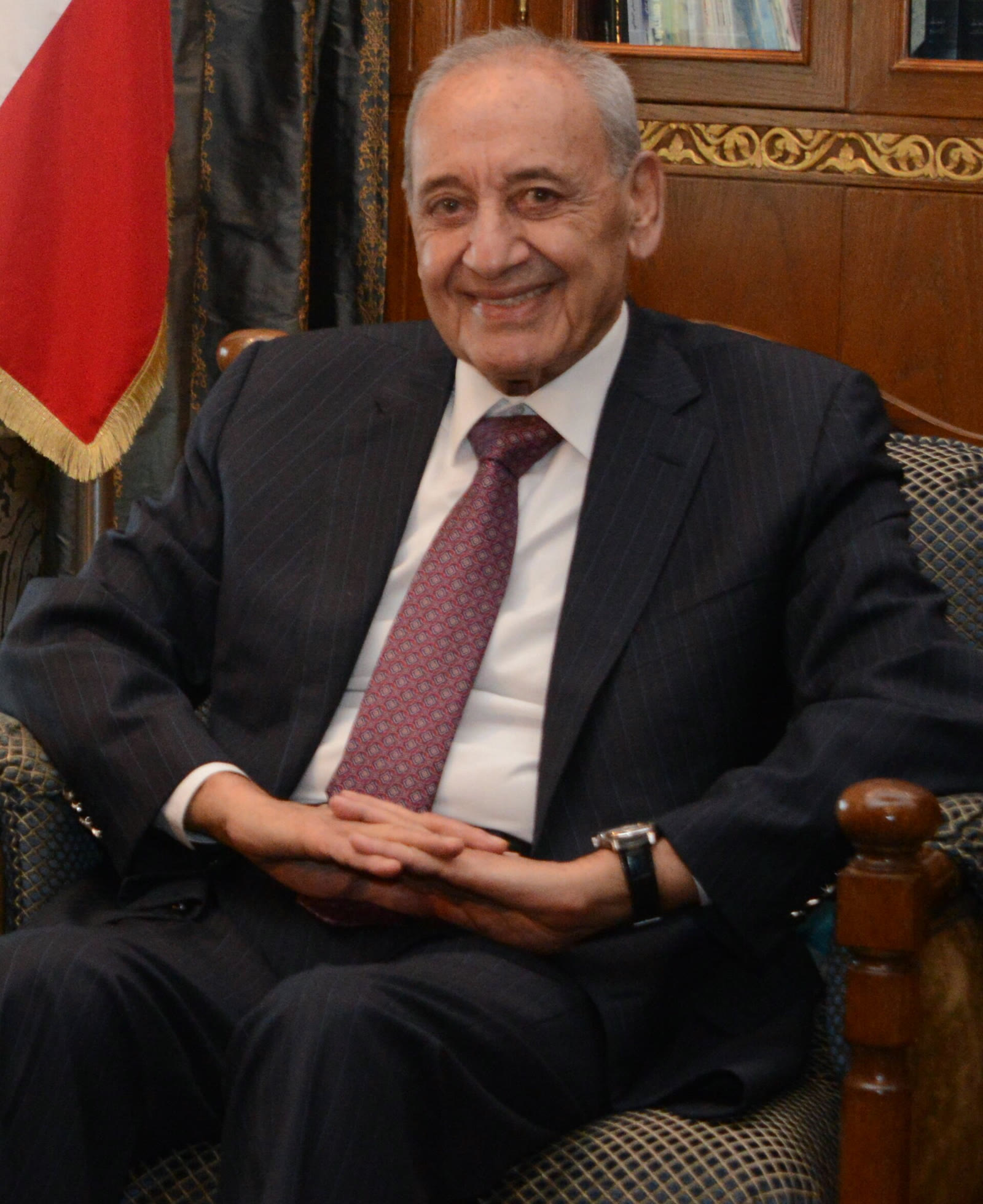
Lebanese Parliament Speaker Nabih Berri said his country would not relinquish its right to pursue legal action over Israel’s crimes in Lebanon. Berri described the failure to extend UNIFIL’s mandate as a mistake that could have been prevented.


Lebanese Parliament Speaker Nabih Berri announced that his country would preserve its right to pursue legal action over the actions of Israeli forces in southern Lebanon. Berri said this right was part of Lebanon’s sovereignty and could not be relinquished during three separate meetings he held on Tuesday.
Berri received a detailed, documented report presented by Deputy Prime Minister Tarek Mitri on the crimes committed by Israeli forces in southern Lebanon. During the meeting, he reiterated that Lebanon’s right to pursue legal action against Israel would not be abandoned under any circumstances.
War and ceasefire agreement in Lebanon
At least 4,386 people have been killed and 12,407 injured in Israeli attacks on Lebanon since March 2. More than 1 million people have been displaced because of the attacks.
Israel and Lebanon signed a framework agreement on June 26 under U.S. mediation. The agreement provided for Israel’s gradual withdrawal from the areas it had occupied, the deployment of the Lebanese army in those areas and the disarmament of Hezbollah.
Berri said Israel’s failure to fulfill the obligations under the agreements reached to end its war against Lebanon was the main factor preventing the implementation of the ceasefire agreement. He said the U.S. administration and U.S. President Donald Trump were the only parties capable of pressuring Israel to stop the war.
The Lebanese Parliament speaker also warned that efforts to enable the Lebanese state and its institutions to carry out their duties in all areas would be futile if the war continued.
Debate over UNIFIL’s mandate
Following his meeting with U.S. Congress members Darin LaHood and Josh Gottheimer, Berri received Major General Charlie Collins, Deputy Chief of the General Staff at the UK Ministry of Defence.
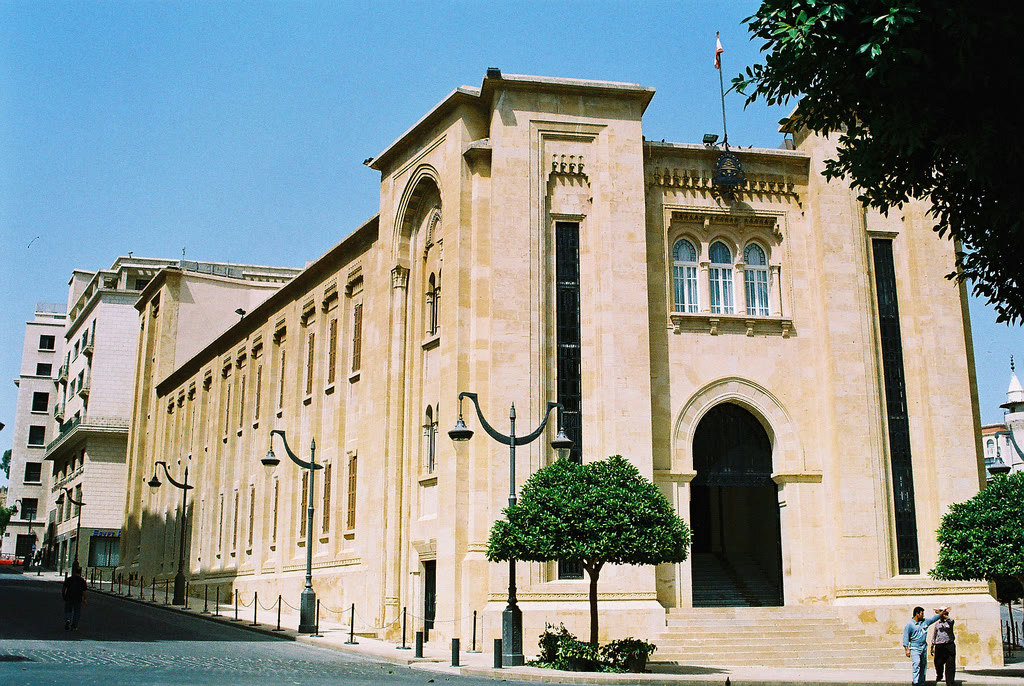
During the meeting, he described the failure to extend the mandate of the United Nations Interim Force in Lebanon as “a mistake that could have been prevented.” He stressed that after Israel’s withdrawal from Lebanese territory, any force providing support to the Lebanese army should operate under the United Nations’ umbrella and flag.
UNIFIL’s mandate in Lebanon will expire at the end of 2026. As the force’s future is debated internationally, Beirut wants UNIFIL to remain in place, viewing it as one of the elements of stability in southern Lebanon.
UNIFIL has operated in Lebanon since 1978 under United Nations Security Council resolutions. Its responsibilities include monitoring the cessation of hostilities and helping maintain security and stability in the area.
Stay Updated with Hilal Times
Subscribe to be informed about special news, developments and announcements. We will keep you informed.
By signing up, you agree to our Privacy Policy