- BIST10011,639-0.71%
- USD49.45+0.05%
- EUR55.62+0.37%
- GOLD4,190.60+0.23%
- INTEREST37.00%-1.00
- BITCOIN82,847+1.02%
- October 19, 202617°
- BIST10011,639-0.71%
- USD49.45+0.05%
- EUR55.62+0.37%
- GOLD4,190.60+0.23%
- INTEREST37.00%-1.00
- BITCOIN82,847+1.02%
- October 19, 202617°
Egypt opens Alexandria’s Kom el-Shoqafa tombs’ lowest level to visitors
The Kom el-Shoqafa tombs in Alexandria, Egypt, feature a nearly 2,000-year-old, three-level underground structure that combines Egyptian and Roman art. After a $5.7 million project to lower the groundwater level was completed in March 2019, the tombs’ lowest level was opened to visitors.


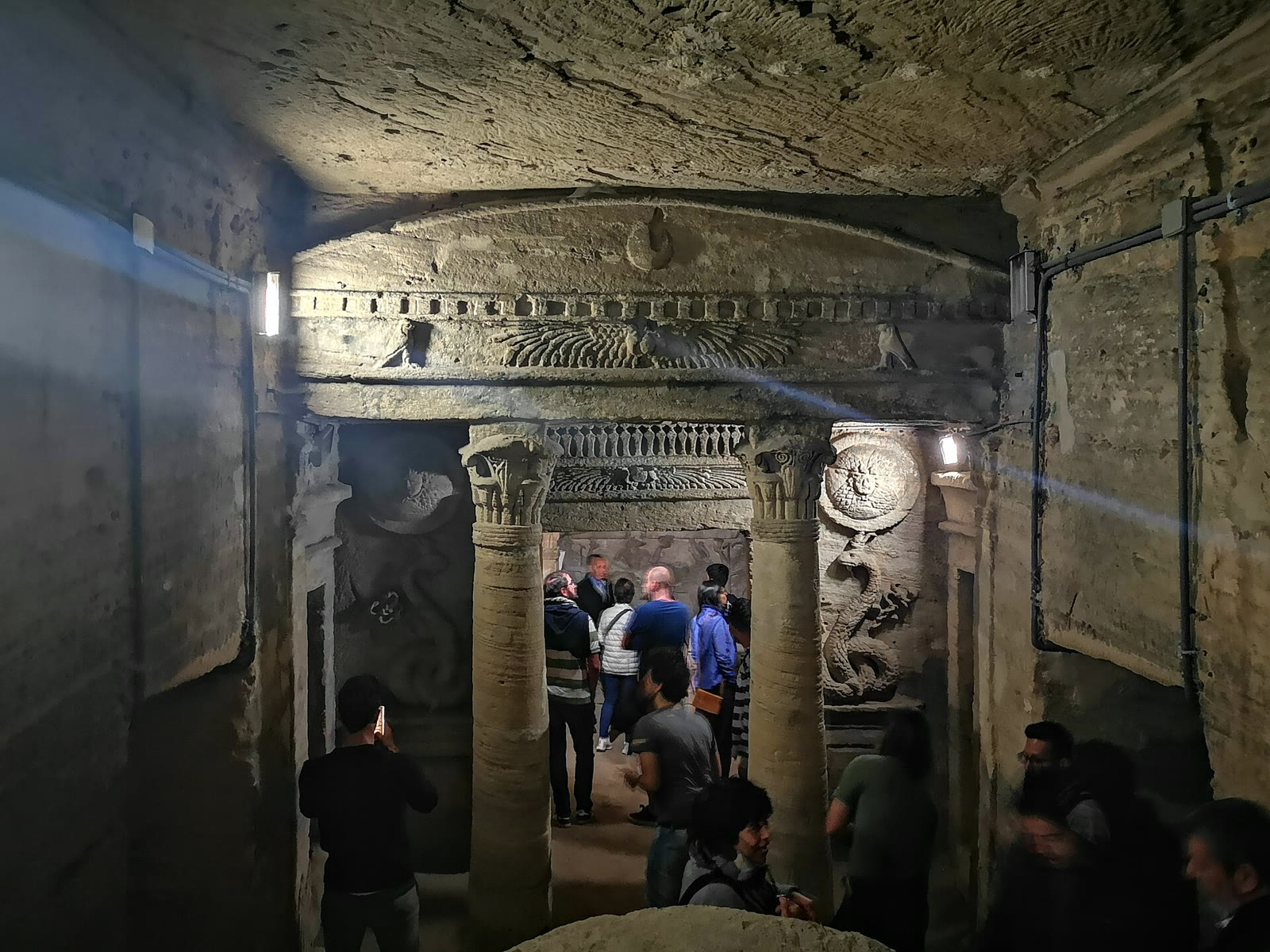
Carved into the rock in Alexandria, the Kom el-Shoqafa tombs are among Egypt’s important archaeological sites, with a three-level structure built nearly 2,000 years ago. Visitors reach the tombs by descending spiral staircases that extend more than 10 meters below ground.
Traces of Egypt and Rome
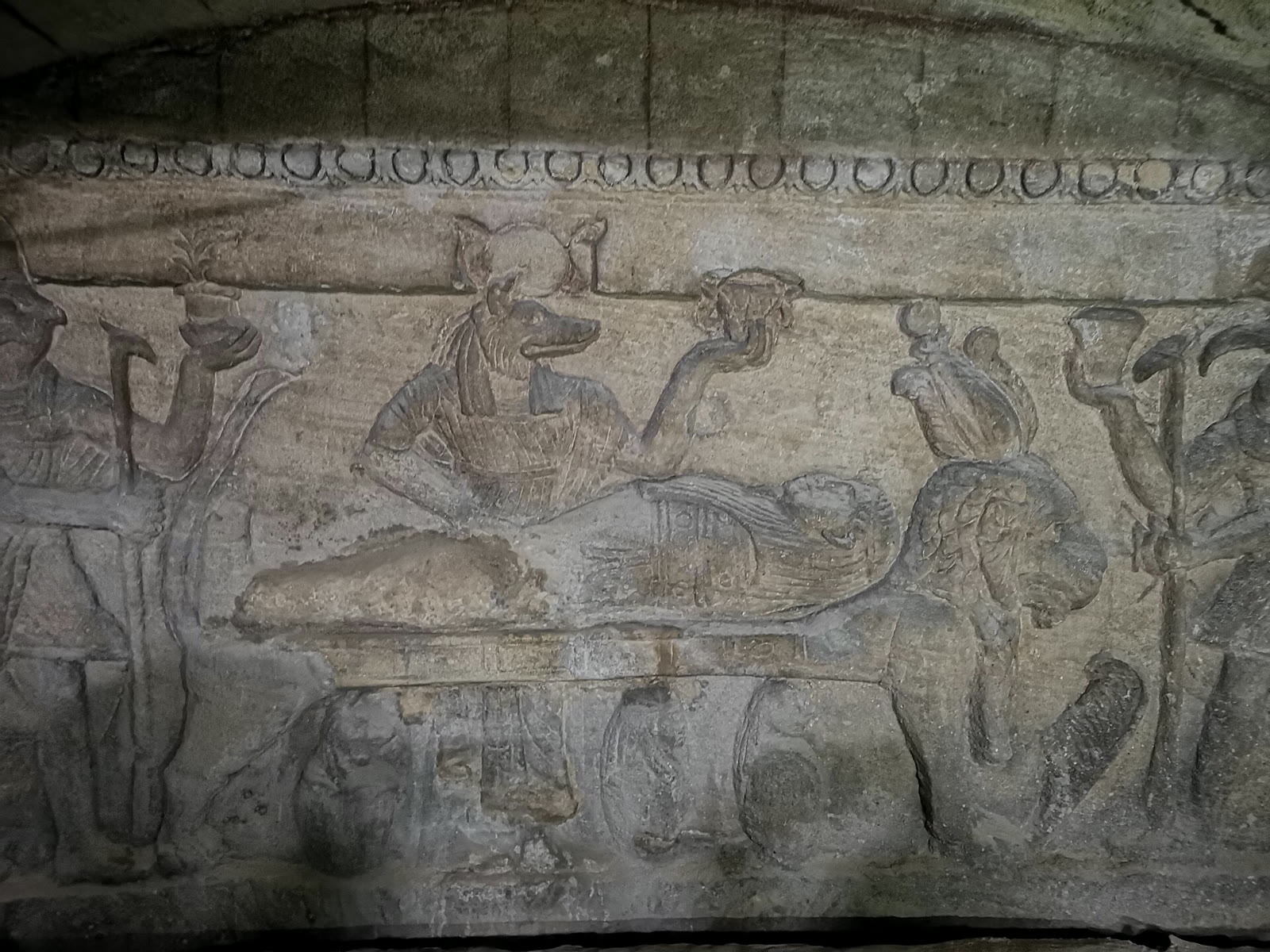
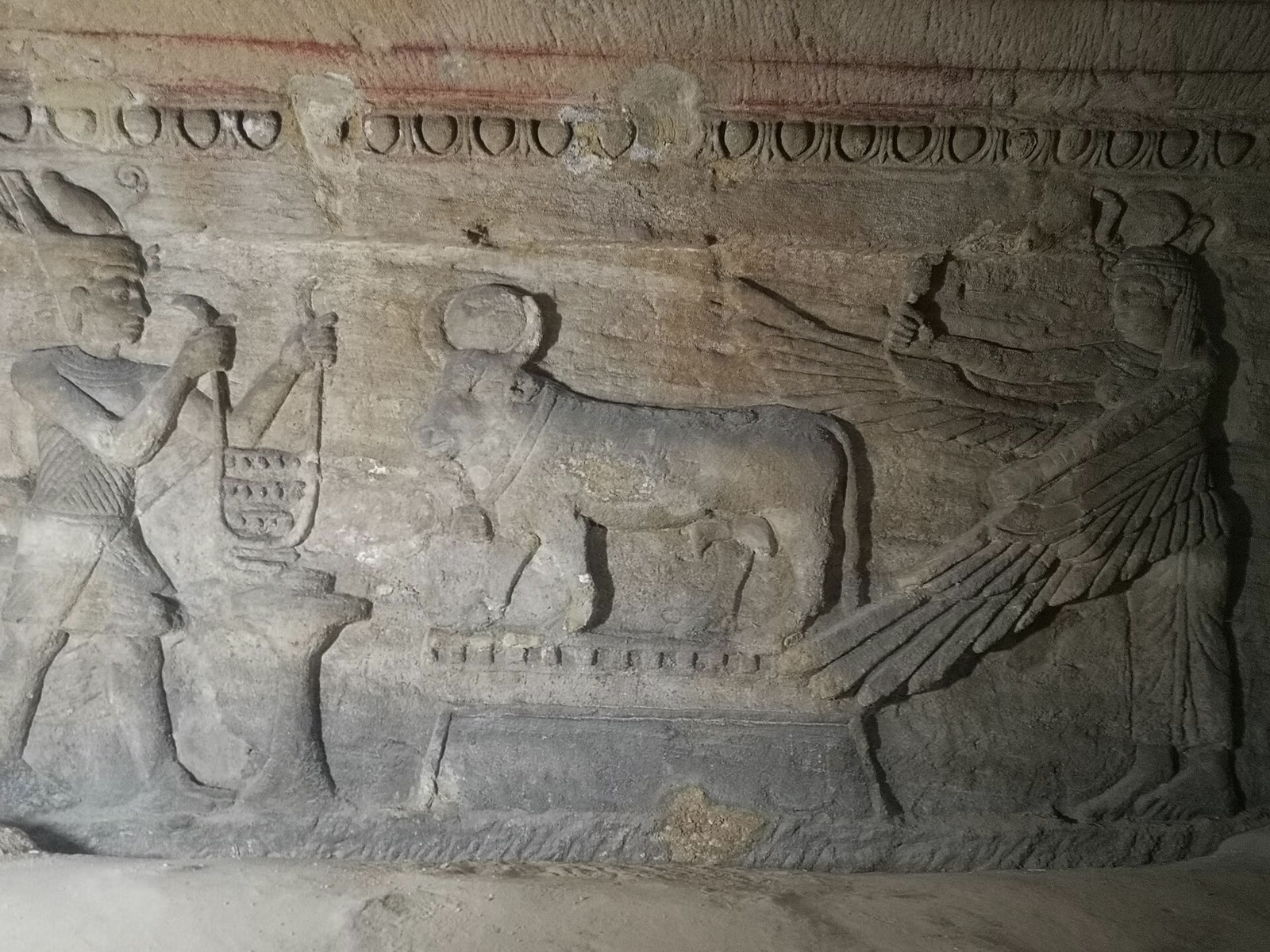
Dating to the second century, the tombs bring together the artistic traditions of Egyptian and Roman civilizations in a single structure. Spacious halls, burial chambers, reliefs and decorations reflect how ideas about death and immortality were expressed through architecture and works of art during the period.
Kom el-Shoqafa is considered one of the important examples of catacombs consisting of tombs and passageways extending underground. The three levels are connected by spiral staircases whose steps are higher in the lower sections and become lower as they approach the surface.
Pottery fragments gave the site its name
The name Kom el-Shoqafa comes from the large number of pottery fragments that accumulated in the area over time. Remains of vessels used in funerary ceremonies during the Roman period were left by visitors and piled up in the region.
The site was initially used as a private cemetery prepared for a city notable from a wealthy Roman family living in Alexandria. After burials declined, particularly during the third and fourth centuries, the tombs were opened for general use and continued to be used until the end of the fourth century.
Groundwater problem resolved
The tombs, which had remained underground for centuries, were discovered by chance in 1900. After their discovery, rising groundwater, particularly in the lower levels, posed a serious threat to the site’s preservation.
The project, which began in May 2016, aimed to lower the groundwater level. Khaled el-Enany, Egypt’s antiquities minister at the time, said the groundwater had caused approximately 2 centimeters of subsidence in part of one tomb wall and that the problem had persisted since the site was discovered.
Egypt’s Ministry of Antiquities announced that the project was completed in March 2019. The work, which cost $5.7 million at the time, allowed the lowest level to be opened to visitors in dry conditions for the first time since the site’s discovery.
Modern technology can bring history to life
Egyptian chief archaeologist Magdy Shaker describes Kom el-Shoqafa as one of the most important integrated historic tombs in Alexandria, bringing together features of Egyptian, Greek and Roman art. Shaker says the spiral staircases, visitor halls and areas used for funerary meals in the rock-cut, multi-level structure form a distinctive architectural layout.
Shaker recommends using artificial intelligence technologies alongside interactive three-dimensional lighting, sound and music shows to introduce the tombs to wider audiences. In his view, these methods could convey the discovery of the tombs and their nearly 2,000-year history to visitors in a more engaging way.
Stay Updated with Hilal Times
Subscribe to be informed about special news, developments and announcements. We will keep you informed.
By signing up, you agree to our Privacy Policy