- BIST10011,843+1.51%
- USD50.28+0.05%
- EUR55.60-0.24%
- GOLD3,886.30+0.03%
- INTEREST36.00%-1.00
- BITCOIN63,830-0.45%
- November 15, 202612°
- BIST10011,843+1.51%
- USD50.28+0.05%
- EUR55.60-0.24%
- GOLD3,886.30+0.03%
- INTEREST36.00%-1.00
- BITCOIN63,830-0.45%
- November 15, 202612°
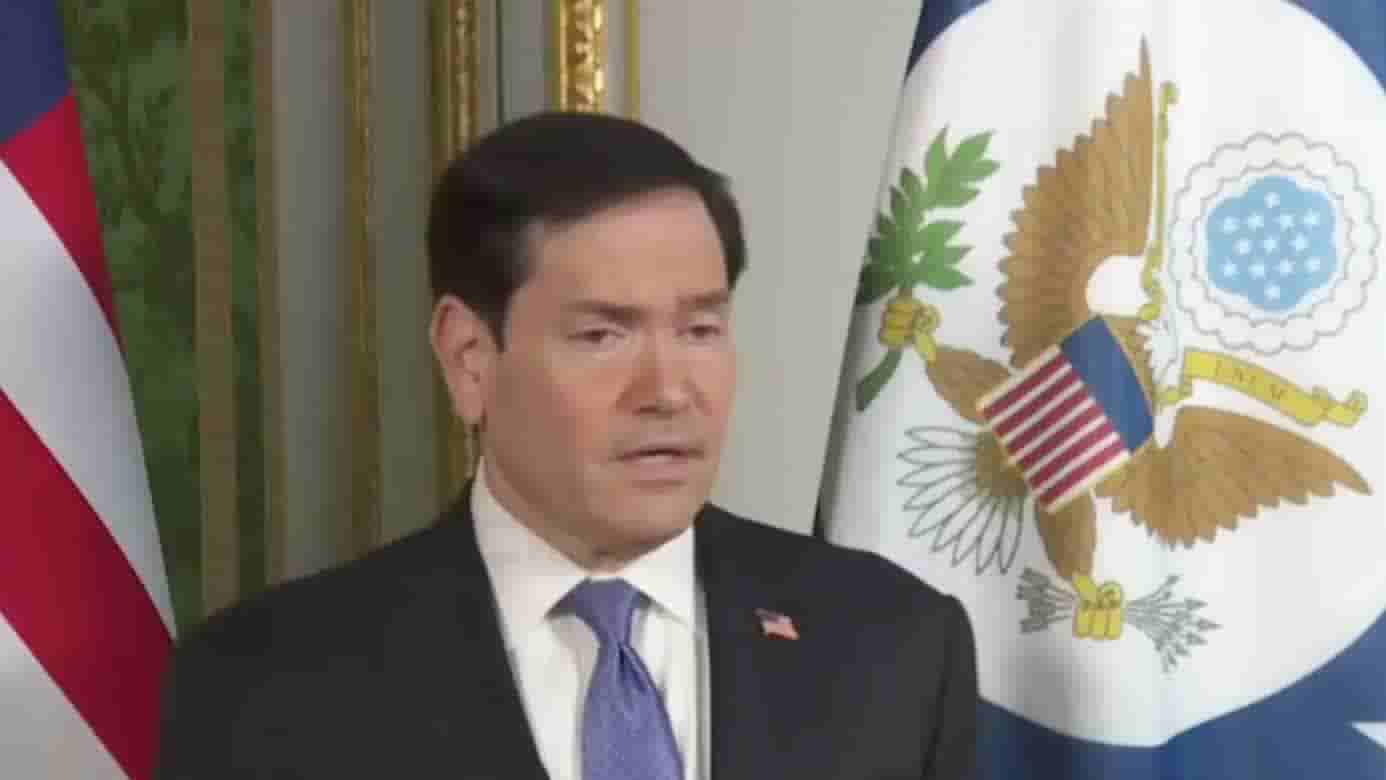
Rubio: If Iran had nuclear weapons, it could hold America and region hostage
U.S. Secretary of State Marco Rubio defended the war on Iran in a speech in Washington, acknowledging that it is unpopular and arguing that economic pressure on Tehran had reached a point where military operations were no longer necessary.
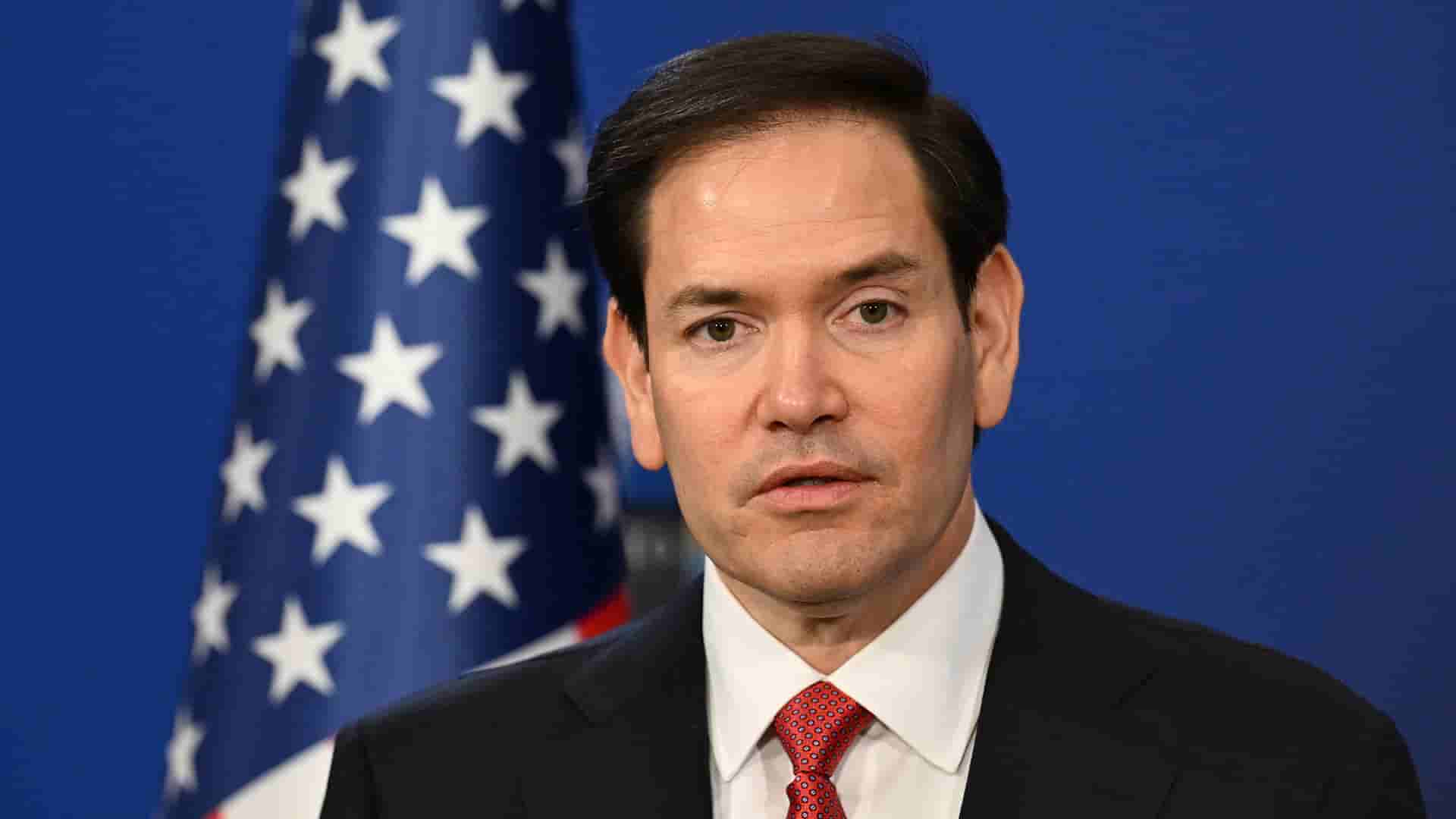
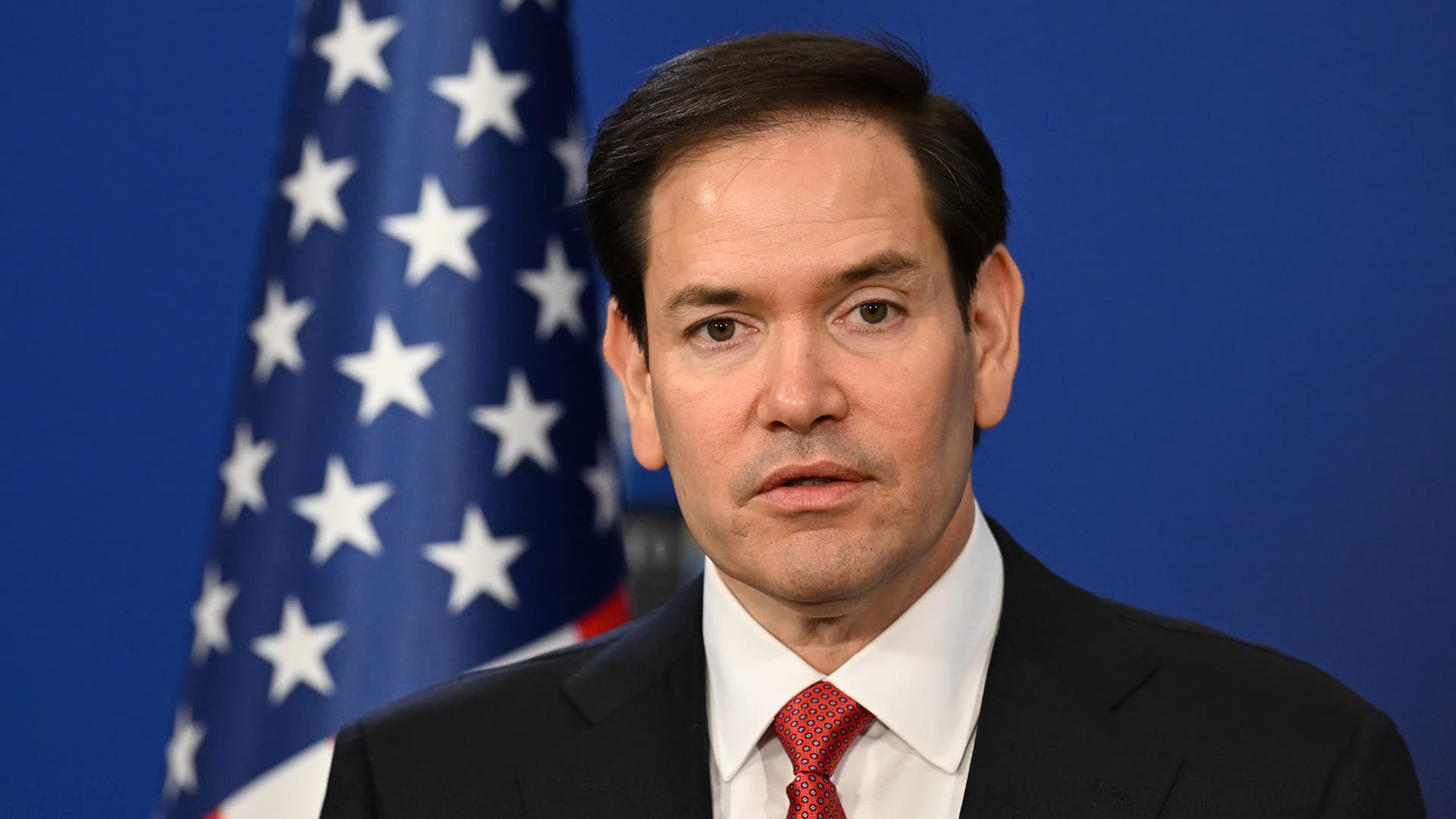
U.S. Secretary of State Marco Rubio said that Iran acquiring a nuclear weapon would pose a serious threat to the region and the United States, adding: “Imagine they had a nuclear weapon. They would have held the entire region, and even the United States, hostage.”
Rubio made the remarks Friday evening in a keynote address before the National Lawyers Convention organized by the conservative Federalist Society in Washington. It was his first major speech since the Republican Party’s losses in the midterm elections.
“No war is popular”
Rubio acknowledged that the war on Iran does not have broad support among Americans.
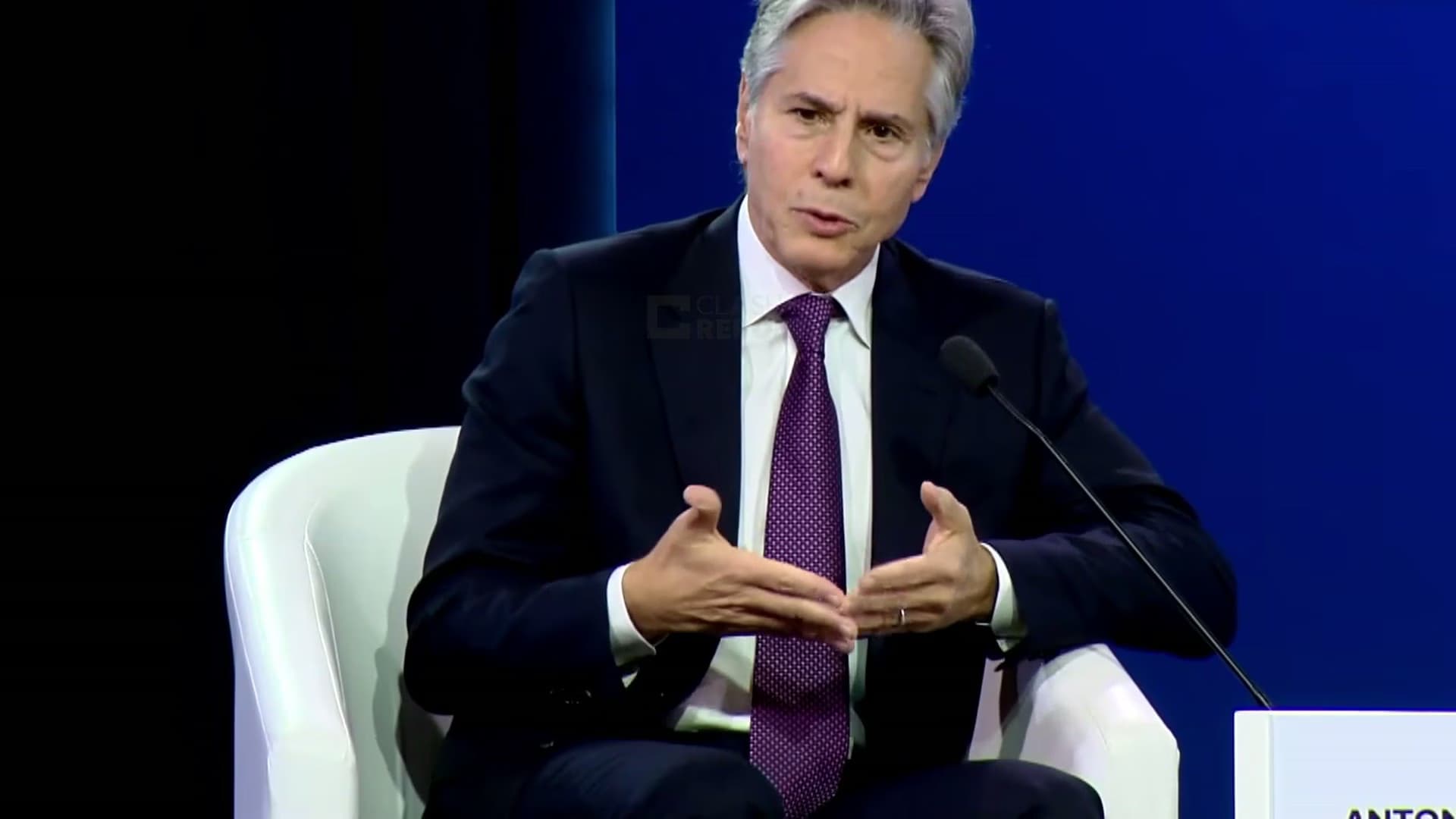
In the clip, Rubio says: “I know the war on Iran is unpopular. Believe me, no war is popular. No military conflict is popular.” He acknowledged that the war had raised fuel prices for Americans and caused “economic pain,” according to The Associated Press.
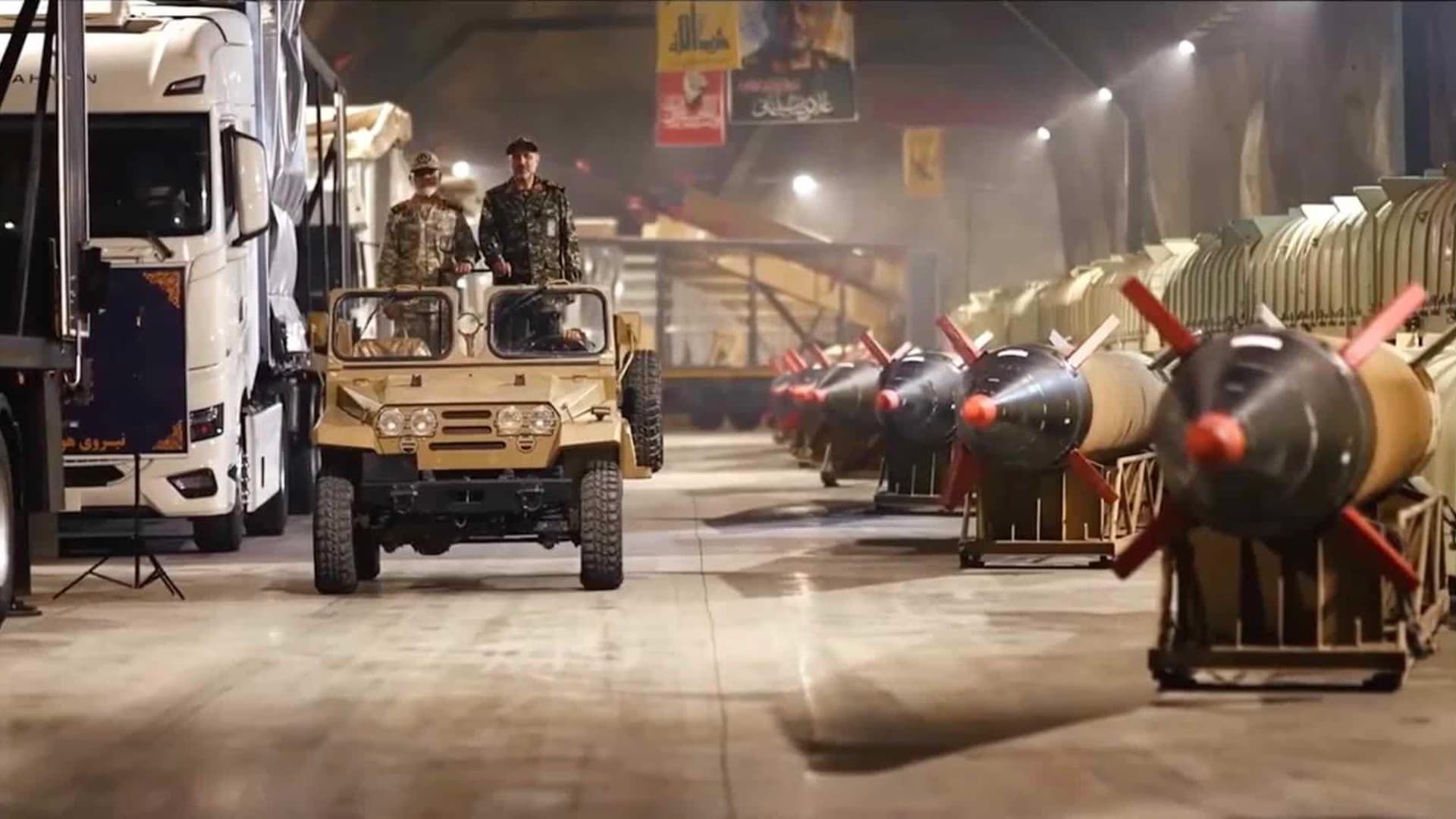
He explained that the goal of the U.S.-Israeli war on Iran was to prevent Tehran from acquiring a nuclear weapon, arguing that this was particularly urgent because of what he described as the “expansionist mindset” of Iran’s clerics, Reuters reported.
Comparison with North Korea
Rubio compared Iran with North Korea, saying that North Korean leader Kim Jong Un “is not seeking to invade Japan or China” but instead wants to preserve his regime’s survival, while describing the Iranians as “expansionist” and “revolutionary.”
In the clip, Rubio accused the Iranian authorities of killing “tens of thousands” of their citizens in the streets, pursuing the wounded in hospitals and killing the doctors and nurses who treated them. He asked: “Imagine what they would do to us if they had a nuclear weapon.”
On the economic front, Rubio said that “the economic pressure we are currently applying to Iran is so great that there is no need for military operations.” In the same speech, he also attacked the International Criminal Court, calling it “illegitimate.” The court issued arrest warrants for Israeli Prime Minister Benjamin Netanyahu and his former defense minister, Yoav Gallant.
Cover photo: Anadolu. Video: Footage from the speech
Stay Updated with Hilal Times
Subscribe to be informed about special news, developments and announcements. We will keep you informed.
By signing up, you agree to our Privacy Policy