- BIST10011,843+1.51%
- USD50.28+0.05%
- EUR55.60-0.24%
- GOLD3,886.30+0.03%
- INTEREST36.00%-1.00
- BITCOIN64,249+0.20%
- November 15, 202612°
- BIST10011,843+1.51%
- USD50.28+0.05%
- EUR55.60-0.24%
- GOLD3,886.30+0.03%
- INTEREST36.00%-1.00
- BITCOIN64,249+0.20%
- November 15, 202612°
UN refugee agency: Nearly 65,000 Ethiopians remain in Sudan amid war
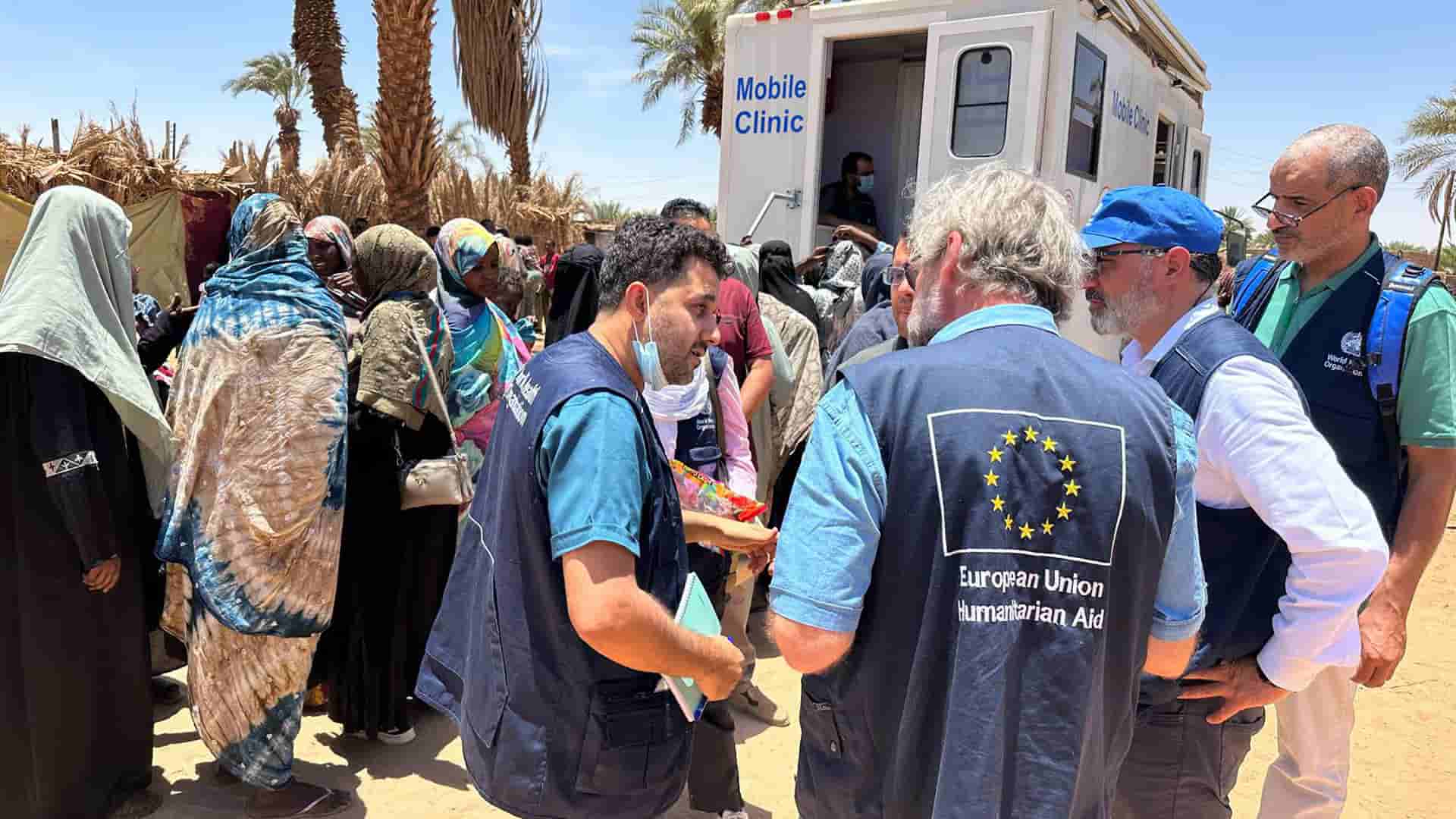
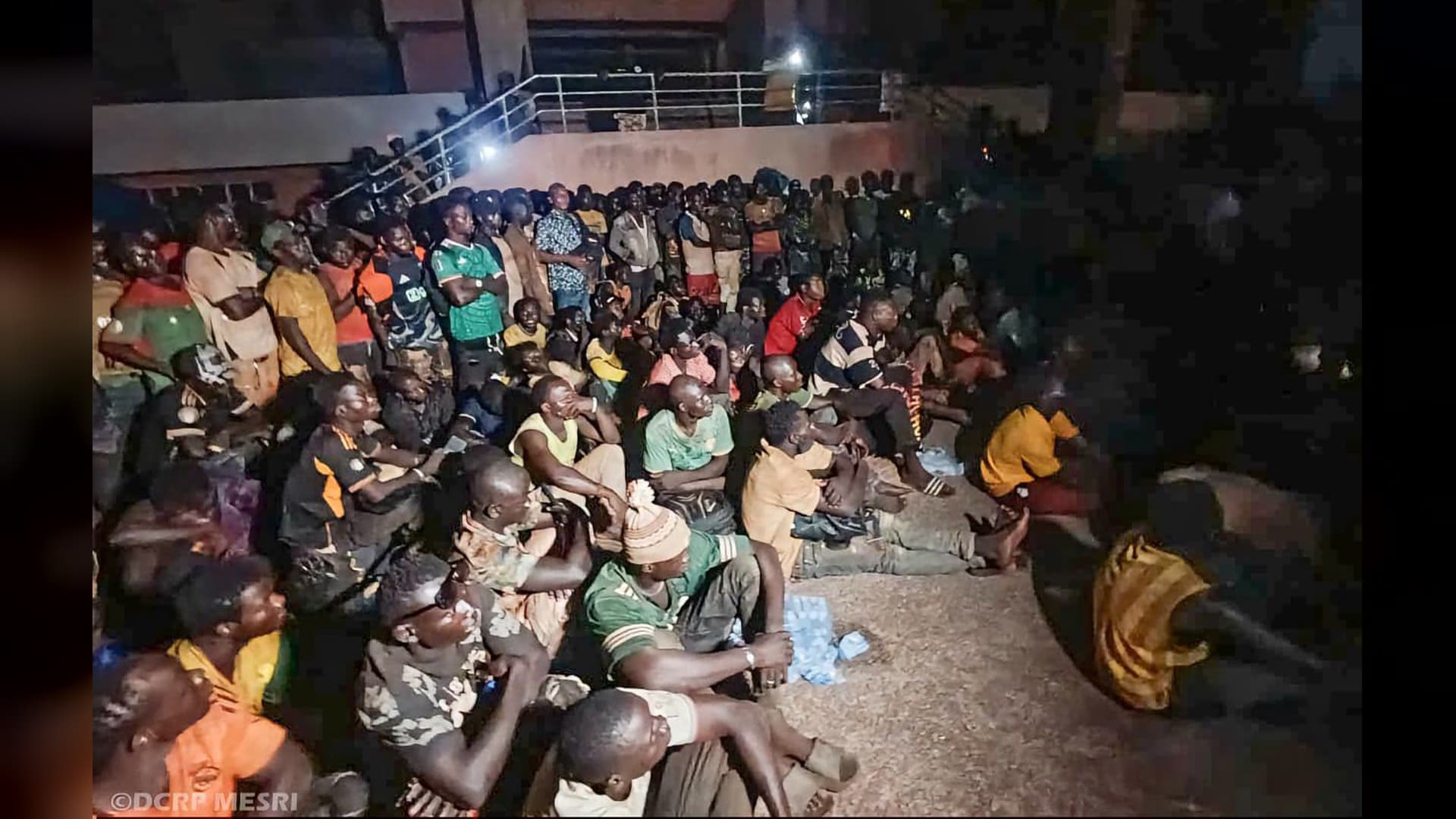
Data from the United Nations High Commissioner for Refugees showed that 64,902 Ethiopian refugees and asylum seekers were residing in Sudan through the end of October 2026, with two-thirds concentrated in Gedaref state. Seventy percent of them live in camps.
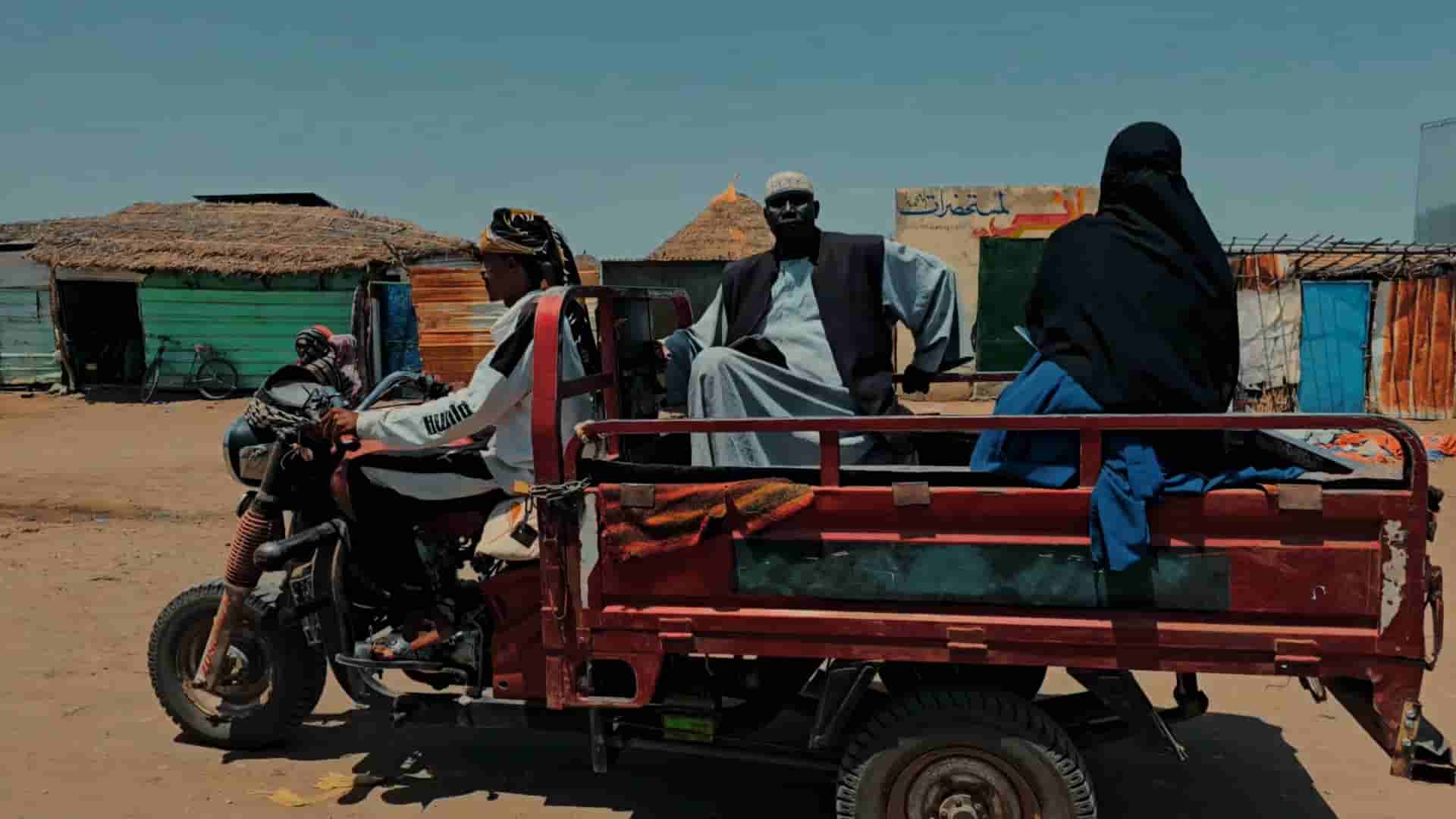
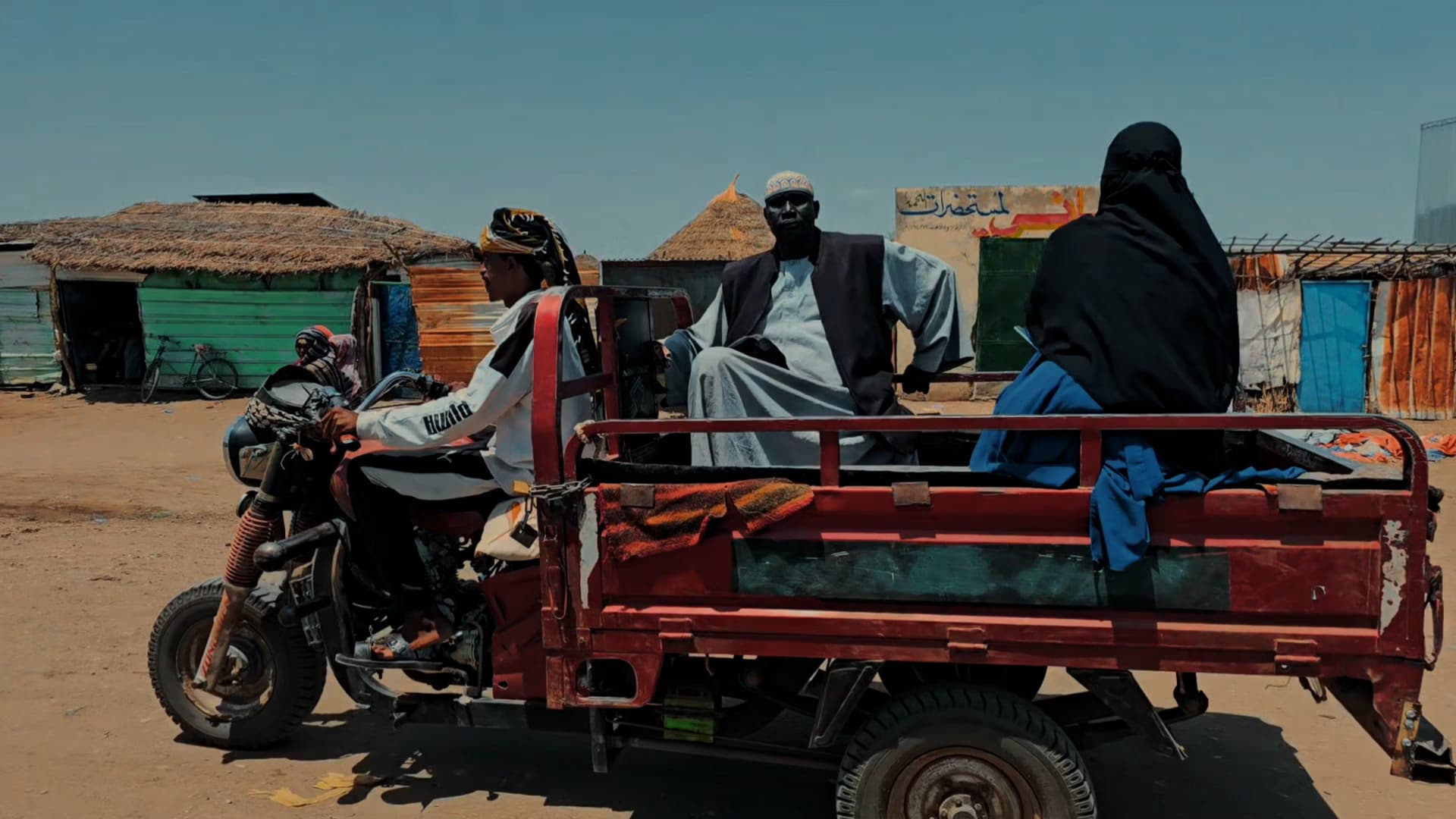
Tens of thousands of Ethiopian refugees continue to live in Sudan despite the war that has ravaged the country since April 2023. Their number, including asylum seekers, reached 64,902 as of October 31, 2026, according to the latest data dashboard published by the United Nations High Commissioner for Refugees in Sudan.
Ethiopians account for about 7 percent of Sudan's total refugee population of 921,476. Most refugees come from South Sudan, representing 76 percent, followed by Eritrea at about 15 percent. UNHCR said the war had forced 273,817 refugees to relocate within the country, particularly from Khartoum to other states, while Sudan received 39,937 new arrivals during 2026, most of them from South Sudan, Eritrea and Ethiopia.
Gedaref hosts two-thirds
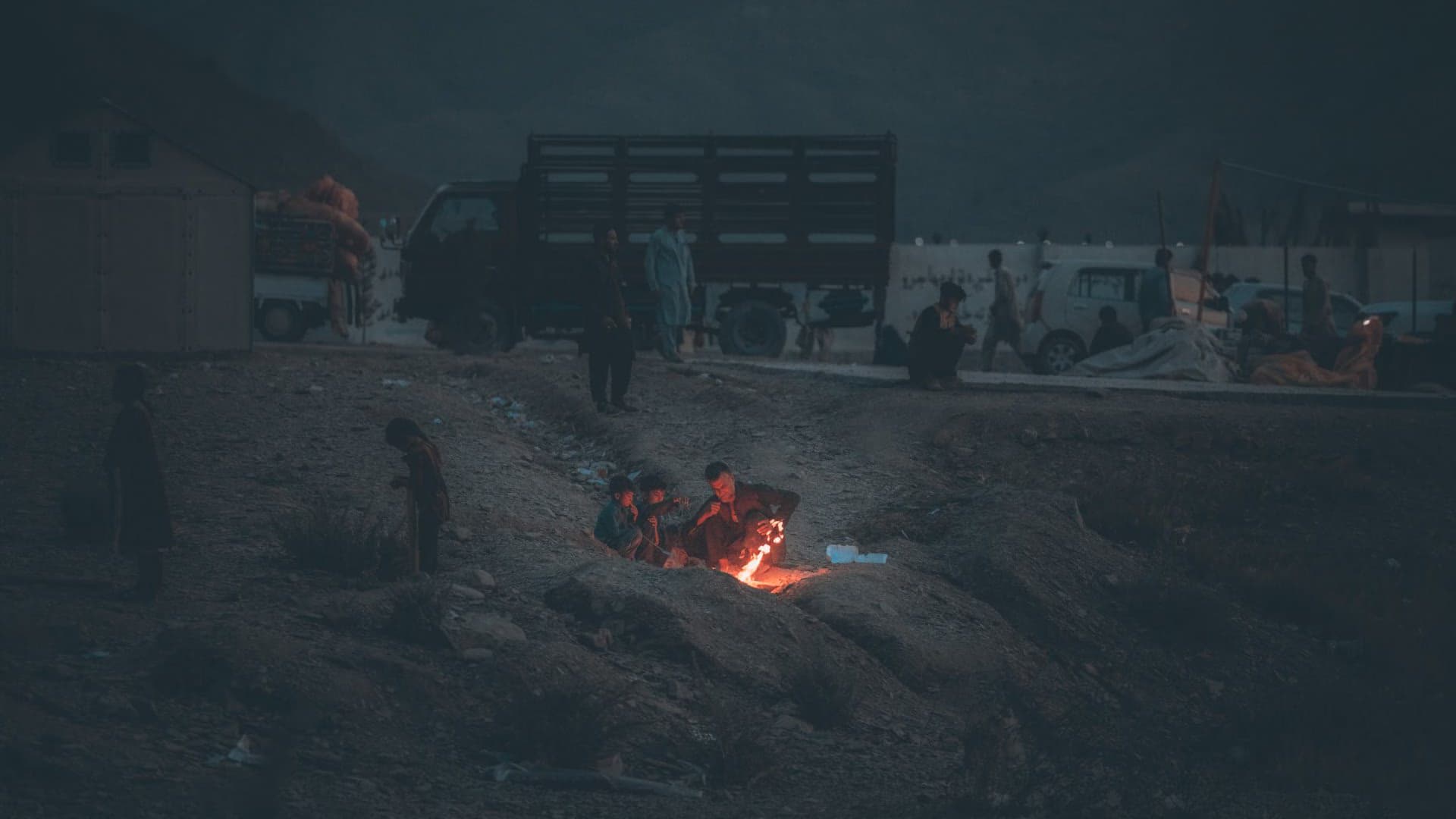
Gedaref state, on the border with Ethiopia, hosts 43,177 Ethiopian refugees, or 67 percent of the total. It is followed by Blue Nile with 9,775 refugees, Red Sea with 3,145, Northern with 2,729, River Nile with 2,264, Gezira with 2,184 and Kassala with 1,334, while only 294 refugees remain in Khartoum. Seventy percent of Ethiopians live in camps. The largest is Tunaydbah camp, which houses 19,856 people, followed by Um Rakuba with 14,173 and Camp 6 in Blue Nile with 9,326 refugees.
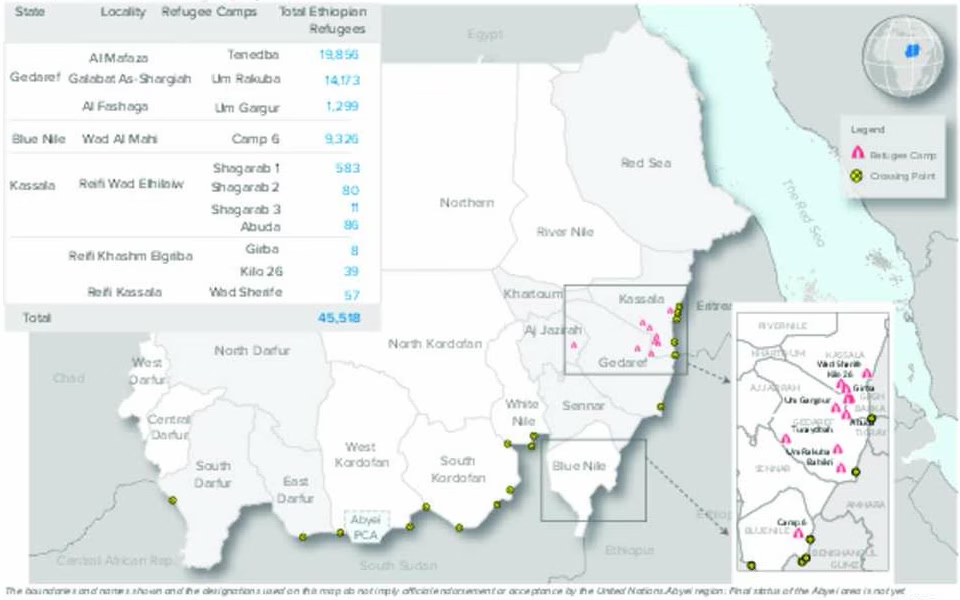
This group comprises 24,038 households, with an average of three members per household. Males account for 55 percent and females 45 percent, while children under 18 make up 35 percent of those registered. UNHCR recorded 1,326 people with disabilities and 712 unaccompanied or separated children after a review that excluded those over 18.
Near-complete registration and border risks
According to the data, 91 percent of Ethiopian refugees were registered individually and 3 percent at the household level, while 6 percent remained unregistered. UNHCR said the total number of cases registered since 2018 stood at 78,543, but this figure includes inactive or closed files.
The border area also faces risks. Sudan's Interior Ministry announced last August that projectiles had landed inside several refugee camps along the border during clashes between the Ethiopian army and Tigray regional forces, causing deaths and injuries, Anadolu Agency reported. The Sudanese refugee commission warned at the time that the continued military buildup could trigger new waves of refugees heading to Sudan.
Camps in eastern Sudan face daily challenges involving services and transportation. At Shagarab camp in Kassala state, which houses Ethiopian refugees alongside people of other nationalities, long distances and limited transportation hinder older people, people with disabilities, students and patients from reaching their destinations, according to a report by the International Labour Organization published in November 2026.
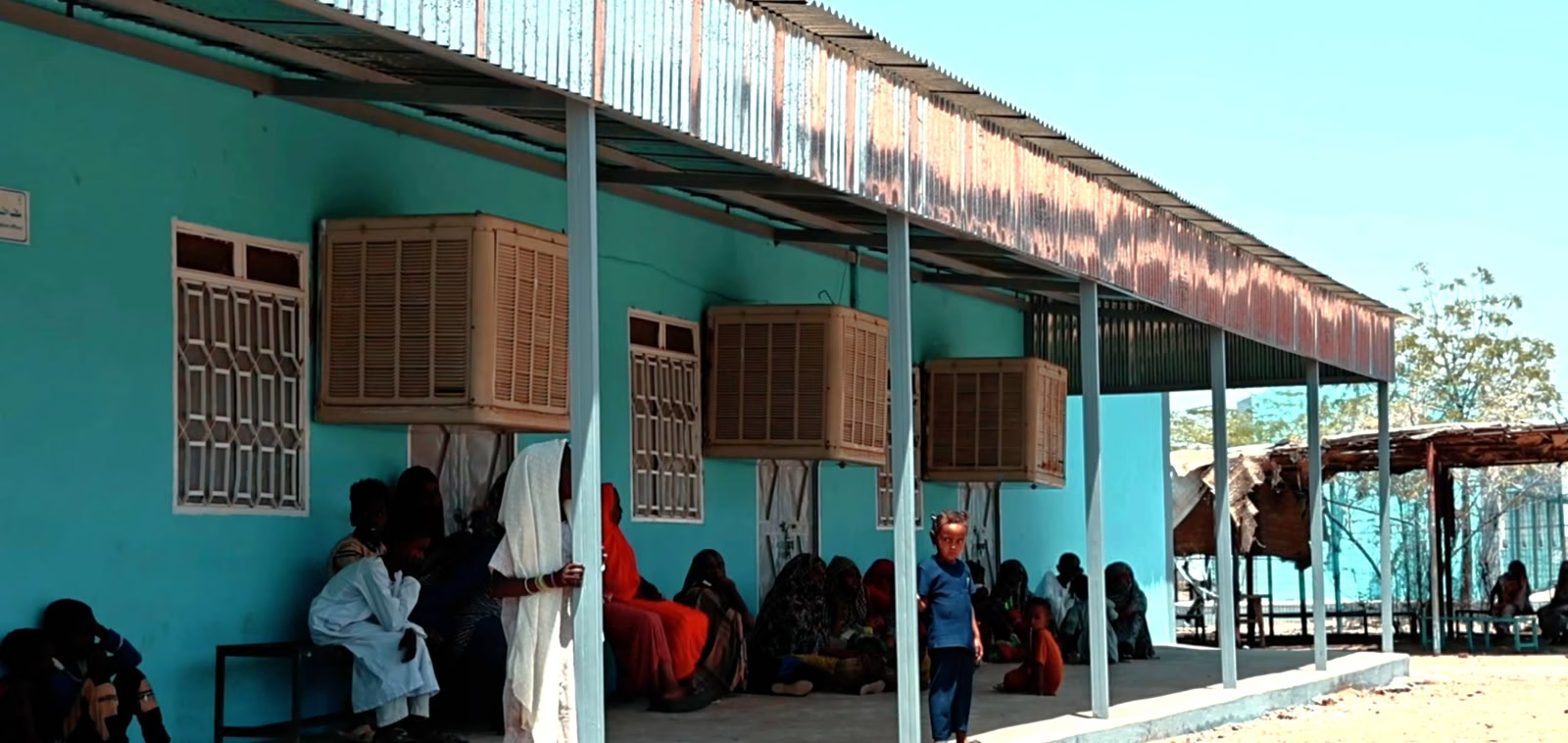
The report said four young refugees aged between 22 and 28 had established a community transport service linking the camp's northern, central and southern sections. The service was created under a program supported by the organization to turn community needs into income-generating projects.
Photos: International Labour Organization (Shagarab camp, November 2026), United Nations High Commissioner for Refugees
Stay Updated with Hilal Times
Subscribe to be informed about special news, developments and announcements. We will keep you informed.
By signing up, you agree to our Privacy Policy