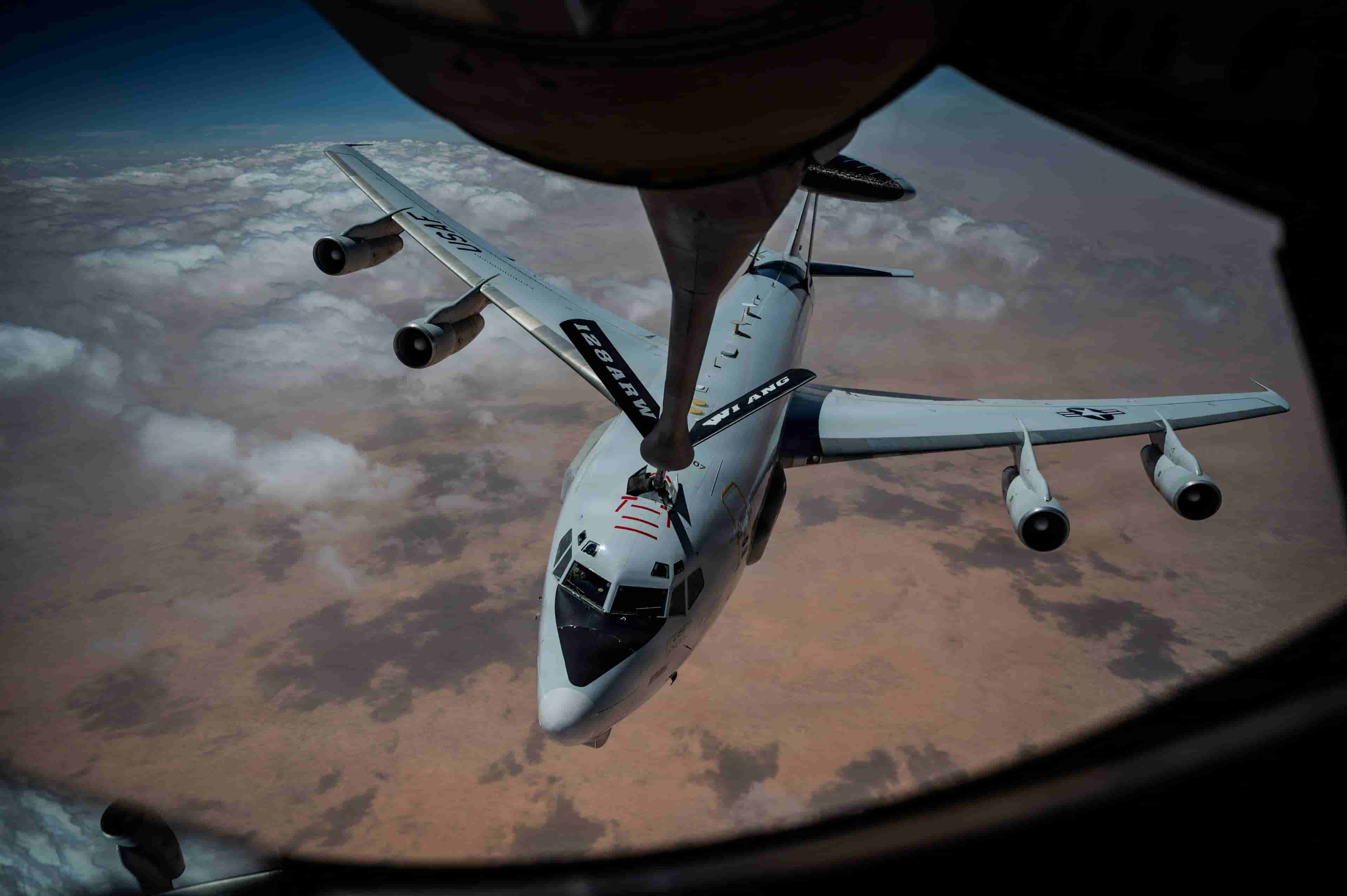
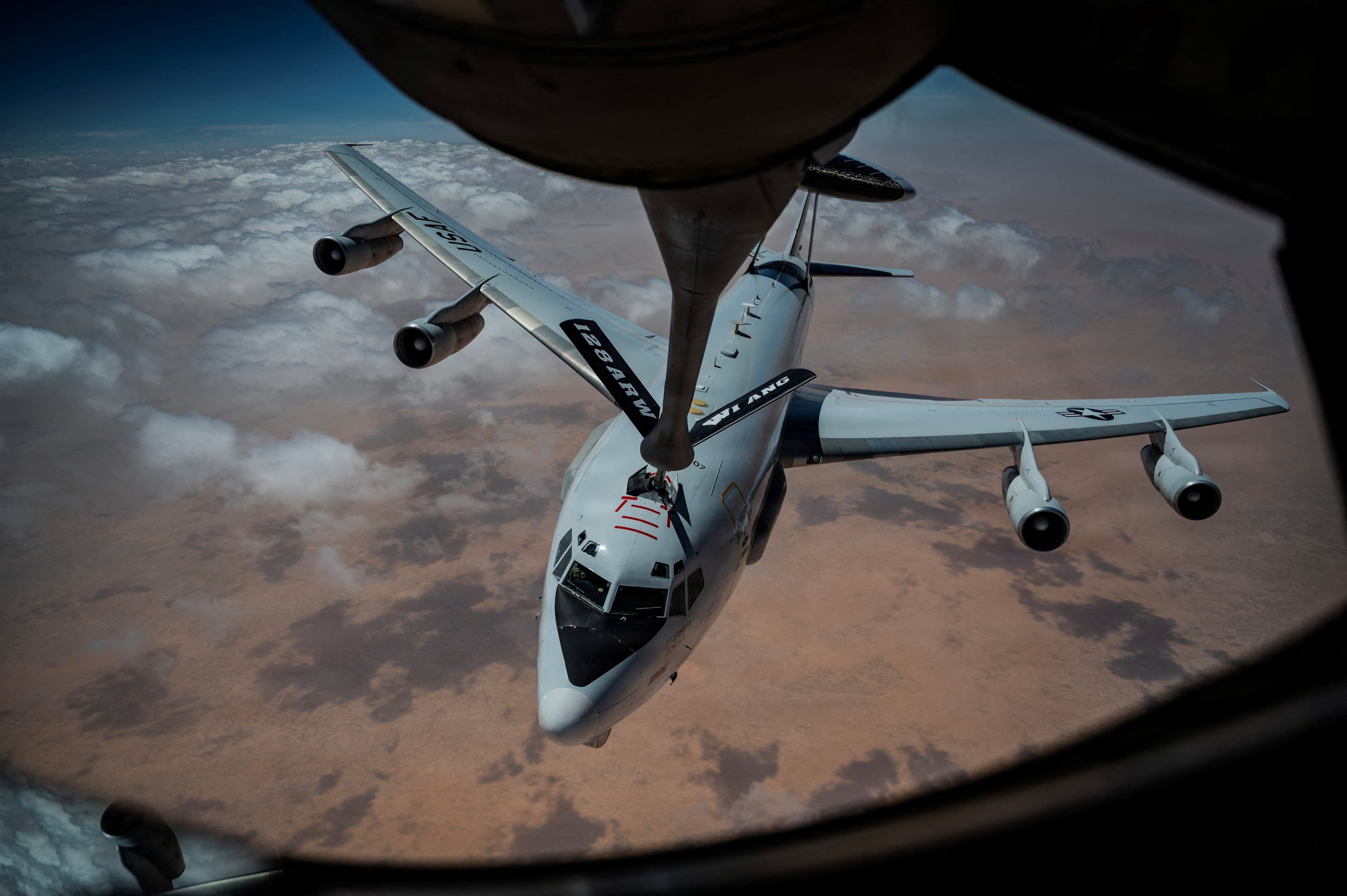
Chinese private geospatial intelligence firm MizarVision announced that it tried to track the movements of US bomber aircraft and aerial refueling operations over Iran through artificial intelligence analyses. The company stated that the US Air Force's KC-135 and KC-46 tanker aircraft could be tracked via ADS-B signals and that these movements were linked to attacks on Iran. However, since bomber aircraft did not emit ADS-B signals during operations, direct tracking was not possible. Therefore, MizarVision tried to match tanker locations with known or estimated bomber aircraft movements. There is no clear information about the role and accuracy of artificial intelligence in this process.
The company's report stated that the US tracked tanker operations in three phases from early to mid-March and that these operations supported attacks by B-1, B-2, and B-52 bombers on Iran. The refueling positions of tankers in certain areas provided indirect indicators of bomber aircraft movements. Experts emphasized that tanker movements allowed reasonable estimates of bomber locations but that this method involved uncertainties.
US Central Command announced that 62 bombing missions were conducted during the operation and that these aircraft attacked Iran's ballistic missile infrastructure and command control points. According to the Wall Street Journal, B-2 bombers dropped GBU-57 heavy munitions on underground facilities belonging to the Iranian Revolutionary Guards.
Maps shared on MizarVision's social media accounts but later removed detailed the flight routes and refueling orbits of tanker aircraft traveling from Israel to the Gulf. The company did not respond to requests for comment. Experts noted that such tracking methods could be useful in analyzing military operations but that more verification is needed for definitive conclusions.