- BIST10011,671-1.08%
- USD49.58+0.05%
- EUR55.62+0.09%
- GOLD4,156.30+0.33%
- INTEREST37.00%-1.00
- BITCOIN83,488+0.66%
- October 21, 202621°
- BIST10011,671-1.08%
- USD49.58+0.05%
- EUR55.62+0.09%
- GOLD4,156.30+0.33%
- INTEREST37.00%-1.00
- BITCOIN83,488+0.66%
- October 21, 202621°
UN warns of winter flood risks at Palestinians’ shelters in Gaza
UN spokesperson Stephane Dujarric said that, as winter approaches in the Gaza Strip, displaced Palestinians’ shelters face risks of flooding and ground collapse. While sites housing more than 650 families were assessed in Khan Younis, supplies were available for less than one-fifth of the approximately 300,000 families needing winter shelter support, it was reported.


The approaching winter has increased risks to humanitarian conditions at sites housing displaced Palestinians in the Gaza Strip. The United Nations drew attention in particular to the dangers of flooding and ground collapse, while aid operations have slowed because of funding shortages and restrictions on the entry of critical supplies into the area.
Hundreds of families remain in high-risk areas in Khan Younis
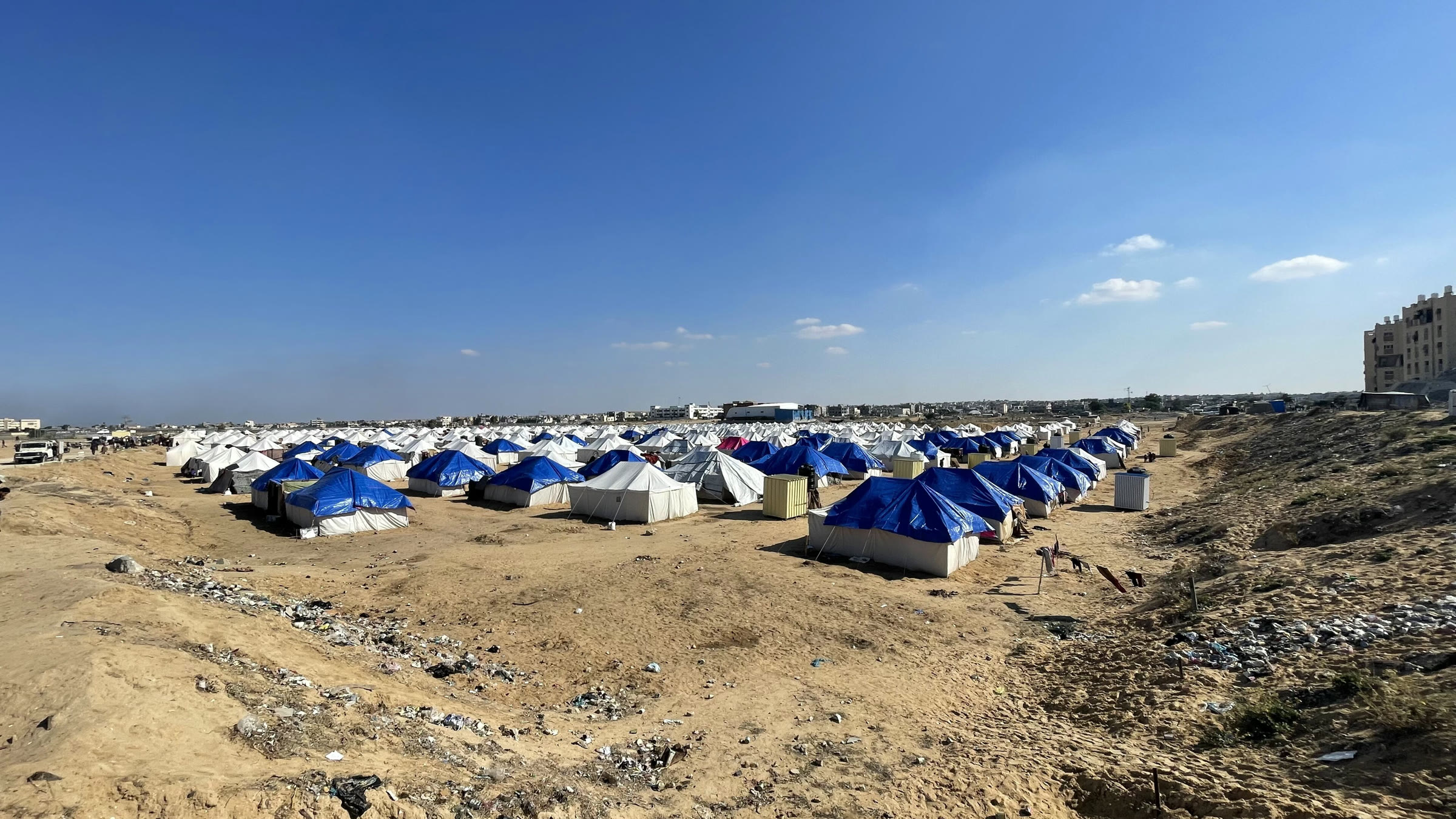
UN spokesperson Stephane Dujarric said sites housing more than 650 displaced families in Khan Younis had been assessed. Dujarric said 160 of these families were staying in a low-lying depression that had previously been used to collect rainwater, warning that the area could fill with rainwater and sewage.
UN agencies and their partners also assessed five more low-lying settlement sites in Khan Younis on Monday. Approximately 750 people live in these areas.
A sixth site, where other families were staying on the edge of a cliff overlooking the five areas, was also assessed. A warning was issued that soil erosion during the winter months could cause the ground beneath the tents to collapse.
Severe capacity shortfall in shelter support
In different parts of Gaza, aid partners are clearing drainage channels, placing sandbags and leveling the ground. However, these efforts have been hampered by insufficient funding and restrictions on the entry of some critical supplies.
Organizations working in the shelter sector said the supplies they had would be enough to provide partial assistance to fewer than one-fifth of the approximately 300,000 families in need of winter support.
Claim concerning the ceasefire period
Despite the ceasefire said to have been in effect since October 10, 2025, bombardments, gunfire and the demolition of Palestinian-owned structures have allegedly continued in Gaza. These actions were alleged to have increased the destruction in the area.
Source: Anadolu Ajansı
Have a story, event or announcement of your own?Send us your news on WhatsApp
Spotted an error in this story?Report it on WhatsApp
Share on all social platforms
Sponsored Ads
Featured Listings
Loading featured properties...
Stay Updated with Hilal Times
Subscribe to be informed about special news, developments and announcements. We will keep you informed.
By signing up, you agree to our Privacy Policy